
You’re worried ducks are just noisy chickens, but they’re actually winter champions that ignore short days while hens quit. You’ll get bigger, richer eggs perfect for baking, yet you must watch where they hide nests in your shrubs. High-output breeds burn out faster, so balance your need for volume against long-term flock health. Obviously, artificial light boosts winter counts but shortens their laying life. Stick around to see which breed fits your specific backyard goals.
Do Ducks Lay Eggs Like Chickens?
If you’re standing there wondering whether swapping your hens for ducks means rewriting the whole rulebook on egg collection, take a breath because you’re not starting from scratch. Both lay daily without roosters, yet duck eggs offer superior egg nutrition and extended egg shelf-life. You’ll notice distinct egg color, larger egg size, and richer egg texture immediately. That unique egg flavor changes your baking game entirely. While egg pricing fluctuates, the robust egg market values these giants highly. Think of an eggassistant guiding you through this switch; obviously, winter production stays strong here. Unlike hens, ducks ignore short days, keeping your basket full. This path suits you if you want consistency without extra lights. Don’t let uncertainty stall your coop upgrade. Embrace the change, trust the facts, and watch your morning harvest thrive with these amazing waterfowl friends today. However, keep in mind that most breeds actually require a minimum 15 hours of light to trigger consistent egg production.
How Many Eggs Do Different Duck Breeds Lay?
Why stress over guesswork when the numbers are right there in front of you? If you need massive volume, grab Khaki Campbells; they’ll hammer out 340 eggs yearly. Want consistency without the drama? Welsh Harlequins deliver 300 large whites reliably. Now, here’s the thing: your egg diet changes based on breed choice. Anconas lay 280 colorful eggs but won’t sit on them, while Buff Orpingtons make great moms yet drop to 200 eggs due to broodiness. Obviously, Pekins offer fewer eggs, around 150, but their huge egg size makes up for it. Don’t let catalog claims fool you; reality often hits lower. You’re buying a lifestyle, not just a statistic. So, pick the layer matching your breakfast goals and stop second-guessing. Your future omelet depends on this smart, simple choice today. Keep in mind that actual flock averages frequently fall 22%–48% below the advertised figures found in hatchery catalogs.
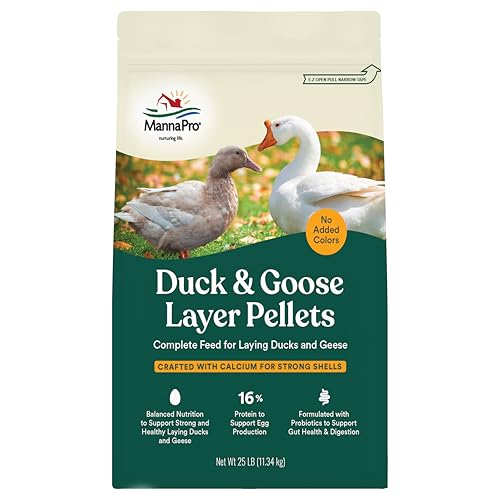
NO ANTIBIOTICS: Manna Pro Duck Layer Pellet is formulated with non-medicated, non antibiotic ingredients


Unwashed Duck Eggs Stickers: 500pcs per roll. Sufficient quantity can meet daily use needs.The sticker size is 2inch, which is just the right size to be pasted on egg boxes or eggs. It can fully display the characteristics of duck egg products.
How Big Are Duck Eggs Compared to Chicken Eggs?
Since you’re probably tired of guessing how many duck eggs equal a carton of chicken ones, let’s cut through the confusion right now. Duck eggs are considerably bigger, weighing 70 to 100 grams compared to a chicken’s 50 to 60. That means one duck egg often replaces 1.5 to 2 chicken eggs in your recipes. You’ll notice the egg size difference immediately when cracking them open; the yolks are deeper orange and much larger. Don’t worry about breaking them easily, though. The shell thickness on duck eggs is greater, featuring a waterproof waxy bloom that chicken shells lack. This makes them tougher and gives them a longer shelf life. Obviously, if you need massive, rich eggs for baking, ducks win. But if you want standard portions, chickens are your go-to. Now you can decide which fits your kitchen best without the guesswork.
Why Do Ducks Lay Eggs Earlier Than Chickens?
Although you might expect chickens to beat ducks to the punch because they mature faster, you’re likely frustrated to find your flock stopping cold when winter hits while your neighbors’ ducks keep churning out breakfast. Here’s the thing: chickens demand strict light requirements to trigger ovaries, so short days halt production immediately. Ducks, however, ignore those gloomy skies and keep laying thanks to reduced light needs. You see, while chickens chase early maturity at four months, they quit when seasons change. Ducks actually sustain production through cold snaps because they aren’t as sensitive to daylight shifts. Obviously, this makes them superior for winter breakfasts. They don’t need your artificial lamps mimicking spring. So, if you want consistent eggs without extra bulbs, ducks solve that specific headache effortlessly. Choose them for year-round reliability, not just speed.

Fireproof and Heat-resist: The body of lamp uses the high quality material, fireproof and heat-resist. When it works, the shell is warm but does not burn.

[ IP65 Waterproof]: Solar bulb lights with 3pcs 3M/9.8ft Extension Line with waterproof connecters. Solar panels can be installed the outdoor where the sun shine is good. Solar lights can be hanged indoor or outdoor,No need worry about the rainning.

🐓【3-Color Dimmable Lighting & 4 Brightness Options】 This solar-powered chicken coop light offers three adjustable lighting modes—Daylight White + Warm White, Daylight White, and Warm White—plus four brightness levels to create a a soothing, glare-free environment for your flock. this lamp provides calm and comfortable illumination that supports your poultry’s natural rhythms—no harsh lighting, just happy chickens.
When Will My Ducks Start Laying Eggs?
How long are you actually going to wait for that first egg? You’re probably watching your flock, wondering why they aren’t producing yet. Most ducks hit their stride between four and seven months, but don’t panic if yours lag slightly. Smaller breeds like Runners start early, while heavy Muscovies take their sweet time until six months. Here’s the thing: maturity timing isn’t everything. If your ducks mature during short winter days, they’ll likely hold off until spring. They need about fifteen hours of light to trigger those hormones. Obviously, seasonal lighting plays a huge role here. You can add artificial light to kickstart production now, or just wait for nature’s schedule. Don’t stress over a few extra weeks of waiting. Your girls are just getting ready to work. Trust the process, adjust their light, and soon you’ll have breakfast sorted.

1️⃣ Designed Specifically for Ducks: Designed for ground-dwelling ducks, not chickens. This duck coop does not include roosting bars, providing a natural sleeping space that matches duck behavior.


🐓【 Gentle 3000K Warm Light】Soft yellow warm illumination creates a calming environment for poultry without disrupting natural routines. No harsh glare for animal comfort
Where Do Ducks Hide Their Nests?
Where exactly do your ducks stash their eggs when they’ve gone missing? You’re frantically searching hidden backyard corners while they laugh. Here’s the thing: they love concealed garden beds or even secluded car interiors if windows stay down. Urban dwellers, check your urban rooftops and hidden planters; city ducks are sneaky. They often choose a hidden site concealed under shrubs or near secret water edges. Obviously, they want camouflaged vegetation to mask their treasure. Some breeds demand private nest boxes with curtains for total privacy. They’ll trek miles to find these spots, lining them with soft down. Don’t ignore those hidden planters or concealed under shrubs areas. Finding them feels impossible until you know their tricks. Unlike domestic fowl, wild females frequently select nest sites next to house foundations rather than staying close to water. Now that you understand their clever hiding spots, you’re ready to secure your flock’s future without the stress. Go find those eggs.

Durable Canvas Material & Suitable Size:The chicken nest box curtain is crafted from canvas, boasting durability. It has dimensions of 19in × 4in(49cm × 11cm), designed to be long-lasting and fit most chicken coops.
![M METERXITY 6-Pack Chicken Nest Box Curtains, 19.3" x 4.3" Polyester Home Partition Curtain with Simple Button Closure for Laying Eggs/Windproof/Lightproof [Beige 1]](https://m.media-amazon.com/images/I/51JeV35qgjL._SL500_.jpg)
[Multipurpose Use] - These chicken nest box curtains provide a secure space that laying hens. Perfect for backyard chicken coops, they help encourage egg laying by offering hens privacy

Do Ducks Need Extra Light to Lay in Winter?
Since the days start shrinking right after June 21, you’re probably watching your egg basket get emptier while wondering if you need to rig up some fancy lighting system. Honestly, you don’t need complexity, just consistency. Ducks crave fourteen to seventeen hours of light to keep laying through winter. If you skip winter lighting, your flock stops producing entirely once daylight dips below ten hours. However, rushing this process messes up their natural molt timing, exhausting their protein reserves before new feathers grow. You should add light early in the morning, not late at night, using a simple timer and one low-watt bulb. Obviously, first-year layers might ignore the short days, but older birds won’t. Balance is key; pushing too hard shortens their lives. So, grab a timer, respect their rest, and enjoy fresh eggs all season long without burning out your birds. Many online sources incorrectly claim ducks lay well without extra light, but this myth often stems from advice written for warmer climates like Florida or Hawaii rather than zones 4‑6.
Which Duck Breeds Are Best for Egg Production?
Why waste months guessing which duck will actually fill your egg basket when you could just pick the right breed from day one? You want results, not experiments. If maximum yield drives you, Khaki Campbells crush it with 340 eggs yearly, thanks to superior egg breed genetics. Golden 300 Hybrids offer similar numbers but stay calm, rarely going broody. Now, maybe you prefer colorful shells; Anconas lay blue or cream eggs while Silver Appleyards balance beauty with 325 annual layers. White Layers suit dual-purpose homesteads perfectly. Obviously, even top layers need proper care, including seasonal feeding adjustments during colder snaps to maintain production. Don’t let analysis paralysis stop you. These breeds deliver consistently without the drama chickens sometimes bring. Just match your specific needs to their strengths. Pick the Khaki for sheer volume or the Ancona for variety. You’ve got the facts, so stop hesitating and start building that flock today. Your breakfast table deserves this kind of reliability right now.


How Many Years Will Ducks Keep Laying Eggs?
How long can you actually count on those eggs hitting your basket before your flock retires? You’ll see peak production in year one, then a slow slide over three to five years. Obviously, high-output breeds like Khaki Campbells burn out faster than steady Muscovies. Here’s the thing: breed genetics heavily dictate your specific egggevity trends. While most ducks quit around seven or eight, some stubborn ladies lay for a decade. Don’t expect infinite eggs though; biology wins eventually. Artificial light stretches seasons but accelerates total wear. If you want longevity over sheer volume, pick slower layers. Your flock lives eight to twelve years, but laying stops years prior. Accept this trade-off early. Choose breeds matching your patience, not just your breakfast needs. Now you know exactly what to expect from your future feathered friends.