Yes, you can feed your chickens black‑soldier‑fly larvae—often called grub worms—safely and profitably. They’re 40‑50 % protein, provide a 2:1 calcium‑to‑phosphorus ratio, and contain essential amino acids, vitamins, and trace minerals that boost egg quality, feather growth, and immunity. Offer live or dried grubs in age‑appropriate portions: a quarter cup for chicks, half to one cup for pullets, and one to two cups for laying hens, increasing during molt. Keep the bin clean, control odor, and monitor litter to avoid ammonia spikes. Continue for and you’ll uncover detailed raising, feeding schedules, and troubleshooting tips.
Can Chickens Safely Eat Grub Worms?
If you’re wondering whether chickens can safely eat grub worms, the data say yes. Black‑soldier‑fly larvae, compost‑raised grubs, and clean home‑raised “grubbies” all pass safety tests for chicks, adults, and molting birds. You can serve them in shallow dishes, break large ones into bite‑size pieces, and use sieves to separate oversized specimens. The high protein and fiber boost digestion, feather growth, and calcium balance without causing digestive damage. Because these insects consume organic waste, they double as pest control and cut feed costs, creating a measurable market impact for small‑scale farms. Just avoid roadkill or meat‑fed sources, keep the diet supplemental, and maintain a clean supply chain. Their high calcium content further strengthens eggshells during winter months.
Why Grub Worms Are a Nutritional Powerhouse for Backyard Flocks
Chickens not only tolerate grub worms—they thrive on them, thanks to a protein punch of 40‑50 % that rivals conventional feeds and fuels feather growth, muscle development, and egg production. You’ll see nutrient density that packs essential amino acids—lysine at 6.8 % and methionine at 2.1 %—supporting rapid tissue repair and strong feathers. Calcium sits at roughly 1.5 % by weight, a 2:1 calcium‑to‑phosphorus ratio that delivers egg‑shell reinforcement without extra shells. The mineral balance prevents bone loss during laying, while the fatty acids, vitamins, and trace minerals boost immunity and skin health. In short, these grubs replace grain and supplement feeds, delivering a concise, data‑driven boost to productivity and flock health. Including the winter sand environment, the BSFL thrive, providing a reliable source of high‑quality protein even in dry, sandy conditions. Bulk purchasing options such as Fluker Farms make it easy for backyard farmers to secure a steady supply of these nutrient‑dense treats.
How to Raise Black‑Soldier‑Fly Larvae (Grub Worms) in a Small Compost Bin
When you set up a small compost bin for black‑soldier‑fly larvae, start with an 18‑gallon tote, seal a 1‑inch PVC pipe entry with waterproof caulk, and drill 2‑inch‑below‑lid holes every 4–5 inches for fly access. Add a 1‑inch PVC elbow and tee, then hang corrugated cardboard from the holes using paper clips; this DIY bin provides a dry egg‑laying platform. Introduce 5,000 neonate larvae and feed a balanced mix of kitchen scraps, citrus, meat, dairy, and yard waste, keeping strong‑odor items behind fine mesh to protect nutrient balance. Maintain temperature, sift daily with mesh sieves, and collect self‑harvesting larvae via the top opening. The resulting frass yields a nutrient‑dense compost for your garden.

EASY-SETUP DESIGN – User-friendly structure allows fast assembly and convenient operation for beginners and experienced composters alike. DURABLE & WEATHER-RESISTANT BUILD – Made from sturdy, high-quality materials designed for long-lasting indoor or outdoor use in various climates.
EASY-SETUP DESIGN – User-friendly structure allows fast assembly and convenient operation for beginners and experienced composters alike. DURABLE & WEATHER-RESISTANT BUILD – Made from sturdy, high-quality materials designed for long-lasting indoor or outdoor use in various climates.

With this compost bin, you can let the scraps build up during the week without worrying about bad smells into your home
How to Feed Raised Grub Worms to Chickens
Because chickens instinctively scratch and peck, you can turn harvested grubs into a high‑protein supplement with just a few simple steps. First, collect the top three inches of your worm bin or handfuls from the center and scatter them in the run or deep litter; this mimics natural foraging and triggers pecking. For young birds, place live grubs in a creep‑feeder shelter, avoiding adults. If you prefer storage, dry the worms under a bulb or low‑heat oven, crush them, and mix the powder into regular feed. Use this supplement during high‑protein phases—especially in winter—while remembering that worm recycling supports the soilworm market and reduces waste. Keep the supplement to a portion of the diet, not a full replacement. Adding sunflower seeds can boost calcium and healthy fats in the treat mix.

High Calcium Chicken Grubs: Compared to traditional dried mealworms, our BSFL dry powder insect feed boasts 85x calcium. This high calcium content enhances eggshell strength and promotes bone health in your hens, ensuring they lay sturdy eggs. Perfect for supporting robust egg production and overall poultry well-being.

Premium Quality Chicken Treats: Specially formulated, high-quality chicken snacks for laying hens, ensuring only the best for your pet chickens
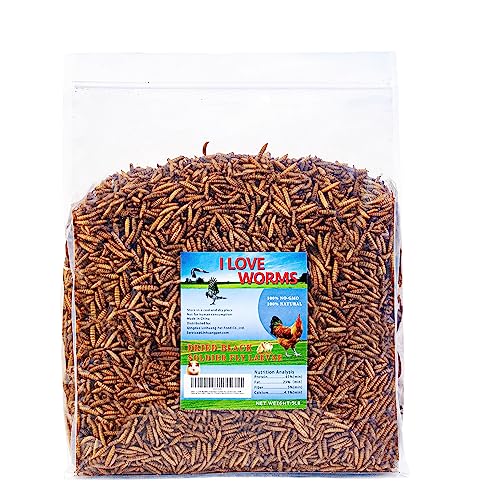
Black Soldier Fly Larvae is rich in calcium, it’s contain at least 85x more calcium than dried mealworms and with over 41% protein, this high protein treats allows your chickens to eat healthier, lay bigger eggs and produce more, the best chicken treats for laying hens
Choosing the Right Grub Size for Chicks vs. Hens
After harvesting grubs, sort them by size before feeding—tiny pinches for chicks and a quarter‑cup for adult hens—so each bird gets the right amount of protein and calcium for its life stage. You’ll notice daily normorm size shifts; pick the smallest, pre‑pupation grubs for the hatchling diet. Their 34 % protein hits chick growth peaks without excess chitin, keeping nutritional balance optimal. For hens, select larger, fatted grubs during feeding stages that coincide with hen molting. The higher calcium timing—up to 50× mealworm levels—supports molt support and eggshell strength. Double the portion during molting to match protein peaks and calcium demand. Consistently matching size selection to life stage ensures efficient nutrient use and healthy feather development. Providing ample outdoor space encourages natural foraging and healthy egg quality while reducing reliance on supplemental feed. Feather‑footed breeds such as Silkies often thrive in these conditions, showcasing their cold‑weather resilience.

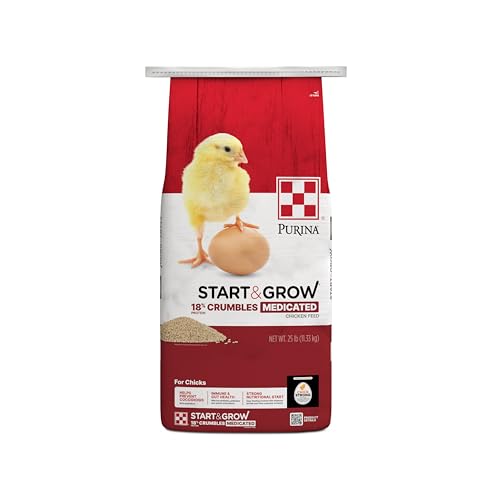
MEDICATED CHICK STARTER FEED: This complete chicken feed is made with added Amprolium to aid in the prevention of coccidiosis, and contains 18% protein for weight gain, our chicken food is essential for your young birds.

COMPLETE STARTER FEED FOR CHICKS: Specifically formulated for chicks from hatching to 16 weeks, this non-medicated chick starter feed delivers balanced nutrition and essential nutrients to support strong, healthy early growth and development.
Prebiotics and Probiotics - Supports immune and digestive health
Preparing Grub Worms for Feeding: Crush, Sieve, and Add Grit
Crush the tiny, newly‑hatched grubs into a fine paste, then sieve the mixture to separate the smallest fragments for chicks while retaining larger, protein‑rich pieces for hens, and finally sprinkle corn flour or wheat bran as grit to regulate moisture and improve feed stability. You’ll cluster grubs with peppers or squash (attractant timing) before crushing, preserving protein in mature larvae. After sieving, the smallest worms fall back into growth bins, keeping the colony renewing. Add 4‑6 inches of wheat bran or corn flour to the feed bucket; this grit moisture balance and prevents soggy conditions. The grit also supplies insoluble particles that aid digestion. Follow this routine daily, and you’ll deliver 2‑6 cups of evenly sized, moisture‑controlled grub feed to your chickens. The velcro containment method prevents larvae from escaping during processing.

ESSENTIAL POULTRY GRIT FOR CHICKENS & GAMEFOWL: Premium grit for chickens made from natural granite grit for chickens, essential for grinding whole grains and improving digestive health for poultry; a must-have to include in your chicken coop accessories
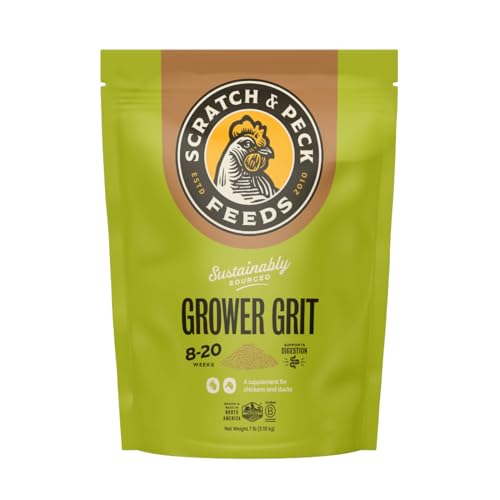
Necessary For Digestion - Made up of insoluble crushed quartzite or granite, grit remains in the bird's gizzard to help with digestion. Grit is an essential part of your bird’s diet and should always be provided.

May improve the hardness and durability of egg shells
Feeding Schedule: Amount and Frequency for Each Life Stage
Having sieved and added grit, you now determine how much grub feed each bird gets and how often. For chicks (0‑8 weeks), give ¼‑½ cup of pale grubs daily, mixed into starter feed; this aligns with seasonal starter cycles and boosts growth before the second molt. Pullets and cockerels (8‑20 weeks) need ½‑1 cup per bird each day, paired with grower ration to match seasonal protein spikes and avoid chitin overload. Laying hens (20 + weeks) can handle 1‑2 cups per bird, up to 6 cups for larger flocks, providing the protein needed for egg production. During any molt, increase to 2‑3 cups per bird for rapid recovery, but skip brown prepupal stages. Adjust quantities based on flock size and compost yield (≈1 lb per square foot for 8‑12 hens). Adding a balanced mix of whole grains can further enhance nutrient diversity.

High-Value Nutrition: Contains ~40.62% crude protein and 29.6% crude fat for essential energy. With 3.86% calcium and 7.4% dietary fiber, it supports eggshell quality, bone strength, and digestion

85 X Calcium Poultry Feed for Strong Eggshells: Our Dried Black Soldier Fly Larvae deliver 85 times more calcium than mealworms, directly boosting eggshell strength for crack resistant eggs. Specially formulated for Laying Hens and Backyard Flocks, it supports bone health in all-stage poultry, ensuring sturdy high-quality eggs
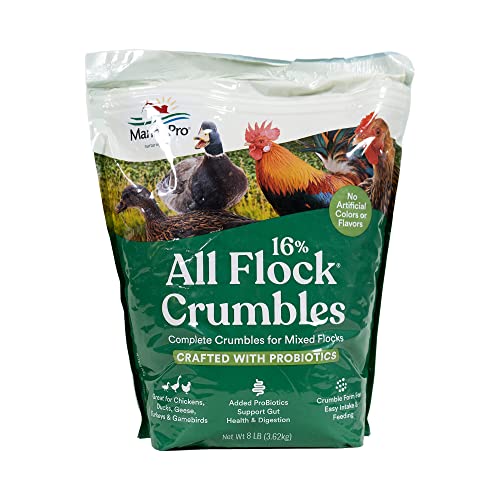
COMPLETE ALL FLOCK FEED FOR MIXED BACKYARD FLOCKS: Versatile poultry feed & all flock feed designed to support chickens, ducks, turkeys, geese, & more; a balanced bird food that simplifies feeding a diverse species in your backyard or homestead
Common Mistakes When First Introducing Grub Worms to Chickens
Why do so many backyard farmers stumble when they first offer grub worms to their flock? They often skip sorting, giving immature, chitin‑rich grubs that block fat‑soluble vitamin absorption and slow growth. Feeding whole, oversized worms to chicks creates choking hazards and forces you to ignore proper substrate management—shallow dishes and grit are essential for safe digestion. Neglecting grit, such as dirt‑clumped grass roots, leads to blockages, while poor chick hygiene spreads pathogens when worms sit in dirty trays. Skipping attractant techniques means you’ll scoop grubs from contaminated substrate, reducing protein yield. To avoid these errors, sort by maturity, crush or slice grubs, provide grit on shallow platters, maintain clean feeding areas, and manage substrate with attractants for efficient collection. The bucket was filled with 100 grubs in just four minutes.
Managing Odor and Waste While Feeding Grub Worms
If you keep the coop dry, ventilated, and litter well‑managed, odor and waste from feeding grub worms stay under control. Rotate litter daily, add kiln‑dried shavings or zeolite, and replace damp bedding every 3‑5 days to prevent moisture‑driven ammonia. Position vents near the litter surface and keep doors ajar; a 10‑minute airflow boost can cut ammonia by up to 30 %. Use the deep‑litter method, layering fresh high‑carbon material and sprinkling wood ash or coconut husk ash for odor mitigation. Feed only the daily consumption of grubs, choose low‑protein pellets, and add yucca or essential oils to improve digestibility, achieving waste reduction. Elevate drinkers, install drainage in grub bins, and compost manure promptly to keep the environment clean and odor‑free. Wood ash raises litter pH, creating a hostile environment for ammonia‑producing bacteria. Adding lime to the litter further enhances antimicrobial protection and neutralizes odors. Regularly applying diatomaceous earth dust can help control any mite buildup that may accompany increased moisture from grub waste.
Quick Troubleshooting of Grub‑Related Health Issues
Keeping the coop dry and well‑ventilated already curbs odor; now focus on spotting and fixing health issues that arise from grub feeding. First, monitor droppings for visible worms—this signals wormorm overload and needs immediate deworming. Check comb color; pale or shriveled combs indicate nutrient theft. We small, fat grubs are ready for consumption; avoid fully pupated, dark‑colored ones because chitin blocks fat‑soluble vitamin absorption, reducing egg production. Track pupation timing to sort size: feed giant grubs promptly, retain smaller ones for growth. Look for weight loss, stunted growth, and diarrhea as early red flags. If you see worms in eggs, the infection is advanced; isolate affected birds, supplement protein during molt, and clean food sources to prevent further contamination. Reinforce the coop with solid metal to block raccoon entry points. Even small amounts of moldy feed can cause aflatoxin poisoning, which can be fatal for chickens.