You’re staring at a bloody comb, wondering how your peaceful flock turned cannibalistic. It’s not malice; it’s a perfect storm of overcrowding, missing methionine, and stress turning curiosity into fatal pecking. You need more space, better ventilation, and specific supplements like salt or DL-Methionine immediately. Isolate the aggressors fast before blood triggers a mob mentality. Obviously, fixing diet and environment stops this, but you’ll need precise steps to identify the root cause and save your birds effectively.
Do Chickens Really Eat Other Chickens?
Ever wonder if your flock is secretly plotting a dinner party with one of their own as the main course? You’re not crazy; it happens. It starts innocently enough with feather pecking, but soon blood appears, triggering a frenzy. Your hens aren’t born killers, yet stress or poor diet flips a switch. They mistake red pin feathers for grain or target irritated skin from mites. Once blood flows, the whole gang joins in, often killing the victim without true cannibalistic intent. You’ve got to watch closely. Modern genation genetics sometimes intensify these instincts in high-production layers, making behavior monitoring absolutely critical for your sanity. Ignore bare patches on necks or tails at your peril. Obviously, you don’t want a bloody coop. Catching this early saves lives. So, keep your eyes peeled and act fast before curiosity turns deadly.
How Overcrowding Triggers Deadly Cannibalism
When you squeeze too many birds into a small coop, you’re basically signing them up for a reality show where the prize is survival. Stress skyrockets immediately. Your flock can’t roam or forage, so boredom turns innocent pecking into deadly aggression. Fast-growing chicks especially overfill limited areas, triggering fierce competition. Without enough space space, they target weak members relentlessly. Heat makes this worse; poor temperature control heightens agitation until fights erupt constantly. You need at least two square feet per bird inside. Add a spacious run outside for exploration. Upgrade your setup if things feel tight. Confined birds simply snap. Don’t wait for bloodshed to act. Give them room to breathe and move. It’s the easiest way to stop cannibalism before it starts. Make that smart choice today for a peaceful flock. Overcrowding creates stress that directly triggers aggressive pecking, so ensure you maintain proper bird-to-space ratios to prevent this deadly behavior.

[Made for Outdoor Living Spaces]: Use this transparent tarp for greenhouse panels, patio coverage, chicken coop protection, garden projects, porch enclosures and seasonal backyard setups. It gives you a clear cover option when you want protection without fully closing off light or visibility.
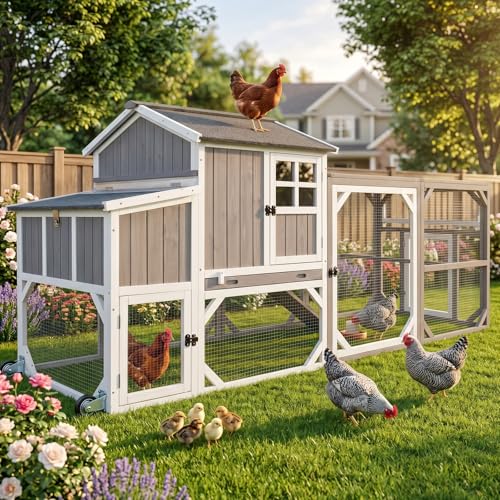
REAL SPACE FOR 3–6 HENS – 95.3" EXTENDED OUTDOOR RUN : Give your flock room to thrive.This 95.3" large chicken coop with run is built for backyard chicken keepers who need usable space—not cramped housing. The elevated indoor shelter offers a dry resting area, while the extended outdoor run supports natural movement, scratching, and daily activity. Suitable for 3–6 standard-size hens

150 EGGS LARGE CAPACITY - Save time and frequent shopping trips. The fresh egg holder countertop perfect for large families, weekly meal prep, and households that go through dozens of eggs each week. The Size is L*W*H-16.7“x16.6"x11.3"
Which Nutrient Deficiencies Cause Flesh Pecking?
You’ve fixed the crowding, but your chickens are still tearing each apart, and it’s frustrating because you thought space was the whole fix. Now, look at their feed. A Methionine deficiency often drives birds to peck feathers since they’re craving those sulfur-rich amino acids found in protein. Without enough, they’ll hunt it down on your flock. Similarly, a Sodium shortage makes hens obsessively work their oily preening glands, leading them to attack neighbors’ tails for that salty taste. Obviously, treats can mess up their balance too. High-energy, low-fiber diets increase aggression, while age-appropriate mash slows eating and reduces picking. You need complete nutrition, not just empty calories. Add hard-cooked eggs or mealworms to boost protein instantly. Fixing these gaps stops the violence fast. Get their diet right, and your flock will finally peace out. It’s that simple.
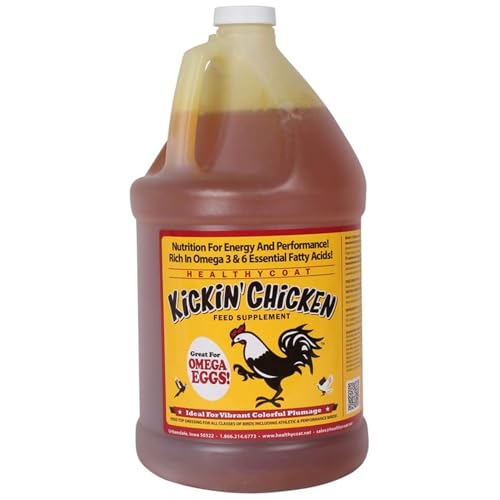

{Healthy Flock} Proper nutrition and a well-balanced microbiome can help your poultry defend against dangerous pathogens. Brewer's Yeast with Probiotics, Prebiotics and Niacin can help achieve exceptional health in your flock

PROBIOTICS FOR POULTRY: HealthyGut Probiotics for Chicken and Poultry is a broad spectrum blend of carefully selected probiotic bacteria for chickens, ducks, and other poultry; Helps promote a healthy digestive system and offers your bird total digestive support
Does Environmental Stress Make Flocks Aggressive?
Even after you’ve sorted the feed, your flock might still be acting like a bunch of hooligans because you’re overlooking the invisible stressors in their coop. You think they’re just mean, but really, they’re miserable. Here’s the thing: temperature stress from scorching summers or freezing winters wreck their moods fast. Poor ventilation traps heat and ammonia, making everyone irritable. Loud noises spike anxiety, turning calm birds into skittish messes. Now, consider your lighting density; sudden changes confuse them, while dim spots breed fear. Worse yet, high stress density from overcrowding forces constant dominance fights. When birds lack space, they peck relentlessly. Obviously, a cramped, noisy, hot coop creates chaos. You wouldn’t thrive there either. Fix these environmental triggers now. Adjust ventilation, lower noise, and give them room. Your flock will calm down, and you’ll stop the bloodshed before it starts.
What Starts the Cycle of Feather Pecking?
You fixed the heat and noise, yet those bloody spots are still appearing, and it’s frustrating because you thought the hard part was over. Here’s the thing: normal pecking establishes a social hierarchy hierarchy, but enclosed runs trap victims, escalating violence instantly. When you mix ages, that delicate age hierarchy shatters, sparking fresh aggression among confused birds. Even genetic traits play a role; brown-shell layers often peck feathers more than white ones. Molting exposes red skin and pin feathers that mimic wounds, triggering instinctive attacks on vulnerable flock mates. Boredom redirects natural foraging toward friends when dust baths vanish. Protein shortages drive hens to eat plucked feathers, while salt deficits target oily preen glands. Once one bird learns this trick, others copy it rapidly. You must spot these triggers early before the cycle spins out of control. Recognizing these specific causes makes stopping them obvious and smart.
Why Vent Pecking Escalates to Fatal Attacks?
Although you fixed the heat and noise, those bloody spots are still appearing because vent pecking isn’t just bad behavior; it’s a fatal trap triggered by the color red. You see, birds fixate on that exposed red tissue after laying, turning minor nips into deep tears. Once skin breaks, hemorrhage accelerates the cycle, drawing more attackers until intestines drop out. It’s gruesome, but here’s the thing: underlying gen stress and sharp hormonal triggers make some hens absolutely relentless. Overweight pullets suffer prolapses, offering easy targets that quickly escalate to evisceration and death. This isn’t random aggression; it’s a learned habit spreading through your whole flock like wildfire. If you ignore those first bloody vents, you’ll lose birds to infection or cannibalism fast. Stop the bleeding now before your entire coop turns into a feeding frenzy. You’ve got to act immediately.
How Broken Eggs Lead to Egg Eating Habits?
One cracked egg can kick off a nightmare you didn’t see coming. You’re frustrated watching your hens destroy their own work, but here’s the thing: it often starts accidentally. Nest crowding forces birds to trample fragile shells, especially when pullets lay thin eggs or heat weakens calcium structures. Once that initial egg shellbreak occurs, curious beaks taste the rich yolk inside. Suddenly, what was an accident becomes a deliberate habit. Hens learn quickly from each other, seeking out broken treasures for protein or water when thirsty. You might notice yolk on beaks or dropping counts as the flock realizes eggs are tasty snacks. Obviously, preventing that first crack is essential before boredom or hunger drives them to peck intentionally. Stop the cycle now by managing space and nutrition before this bad behavior sticks permanently.
What Space and Light Levels Stop Pecking?
Since cramped quarters and harsh glare are the usual suspects behind those bloody combs, you’ve got to fix your real estate and lighting before you lose half your flock. Give each bird at least four square feet indoors and ten outside; obviously, crowding sparks fights. Spread feeders wide so nobody guards the chow. Now, check your bulbs. Bright lights stress hens out, making them peck everything that moves. Switch to dim lighting immediately. This calm atmosphere stops aggression dead in its tracks. You need adequate light space without the glare. Limit artificial light to sixteen hours max. Free-ranging helps too, offering escape routes when tensions rise. Don’t let your coop become a pressure cooker. Provide neutral ground for introductions and scatter treats to distract them. Fixing these basics prevents most issues. You’ve got the facts, so make those changes today and watch your flock finally chill out together.

🐓【3-Color Dimmable Lighting & 4 Brightness Options】 This solar-powered chicken coop light offers three adjustable lighting modes—Daylight White + Warm White, Daylight White, and Warm White—plus four brightness levels to create a a soothing, glare-free environment for your flock. this lamp provides calm and comfortable illumination that supports your poultry’s natural rhythms—no harsh lighting, just happy chickens.

Solar Powered Lights Fits Anywhere: This solar light bulb is equipped with a 2W Solar Panel, making it charge faster than other small panels, suitable for use in areas without electricity, such as shed, chicken coop, or tent.
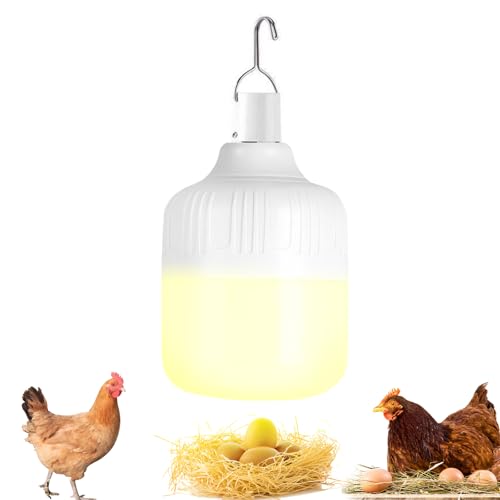
*Gentle 3000K Warm Light**:Soft yellow illumination creates a calming environment for poultry without disrupting natural routines. No harsh glare for animal comfort.
Which Feed Supplements Prevent Cannibalism?
When your birds start turning on each other, you’re not just losing feathers; you’re watching your hard work get pecked away because something’s missing in their feed bowl. You need specific supplements, not just generic grain. Products like Kanex deliver a precise traceutrient balance, fixing those hidden mineral gaps that trigger aggression. Obviously, missing zinc or copper makes hens cranky. Now, consider amino‑acid synergy. Methionine deficiencies specifically cause feather picking, so adding DL-Methionine and Lysine stops that urge cold. These formulas aren’t magic; they’re nutrition science working overtime to keep your flock calm. While topical lotions help wounds, fixing the diet prevents the attack entirely. If your birds lack B-vitamins or proper growth promoters, chaos follows. Don’t guess with premixes; choose complete anti-cannibalism blends designed for your specific stage. Feed them right, and you’ll stop the pecking before it starts, saving both feathers and your sanity today. Research confirms that adding salt to feed addresses multiple nutrient gaps simultaneously to eliminate pecking behavior.

Urinary pH Support – Helps maintain an optimal pH balance in the urinary tract.

COMPLETE STARTER FEED FOR CHICKS: Specifically formulated for chicks from hatching to 16 weeks, this non-medicated chick starter feed delivers balanced nutrition and essential nutrients to support strong, healthy early growth and development.
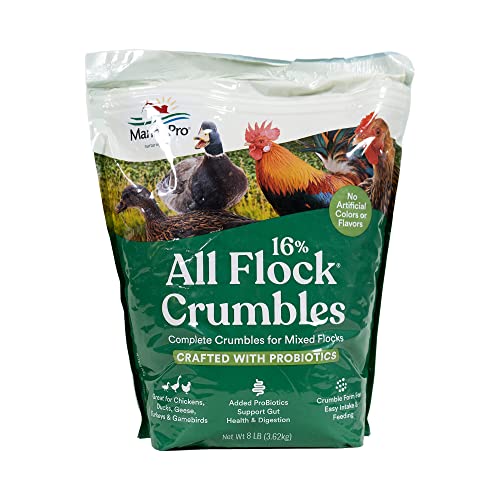
COMPLETE ALL FLOCK FEED FOR MIXED BACKYARD FLOCKS: Versatile poultry feed & all flock feed designed to support chickens, ducks, turkeys, geese, & more; a balanced bird food that simplifies feeding a diverse species in your backyard or homestead
How to Identify and Remove Problem Birds Fast
Why wait until blood appears on the comb before you act? You know that sight stops your heart. Aggressive pecking starts young, and bloody wounds just invite more chaos. You need rapid triage right now. Watch for pale combs, cloudy eyes, or birds isolating themselves. These aren’t just bad days; they’re red flags. If you see paralysis or sudden appetite loss, grab that bird immediately. Don’t hesitate. Clean wounds with tar-based salve, but remember some fighters are genetically doomed. That’s where gen removal saves your whole flock. Cull those aggressive individuals fast because injuries escalate quickly. Obviously, nobody enjoys culling, but letting it slide costs more birds later. You’ve done the hard observation work, so trust your gut. Isolate the sick, remove the bullies, and keep your coop peaceful today.

100% natural mineral odor eliminator for chicken coops - contains no perfumes, additives or chemicals

Eliminate Ammonia Instantly: Our enzymatic chicken coop cleaner neutralizes ammonia at the source for a smell-free home for chickens and ducks. A fragrance-free coop deo spray, it dissolves odors deep within wood, sand, and bedding without using perfumes

【Stop the Mess, Keep the Coop Dry】 Tired of soggy bedding and constant cleaning? Our Gravity-Fed Automatic Chicken Waterer Cups feature a precision-engineered drinking valve that refills only when the water level drops. This prevents overflow and leaking, ensuring your coop floor stays dry and your poultry enjoys a cleaner environment