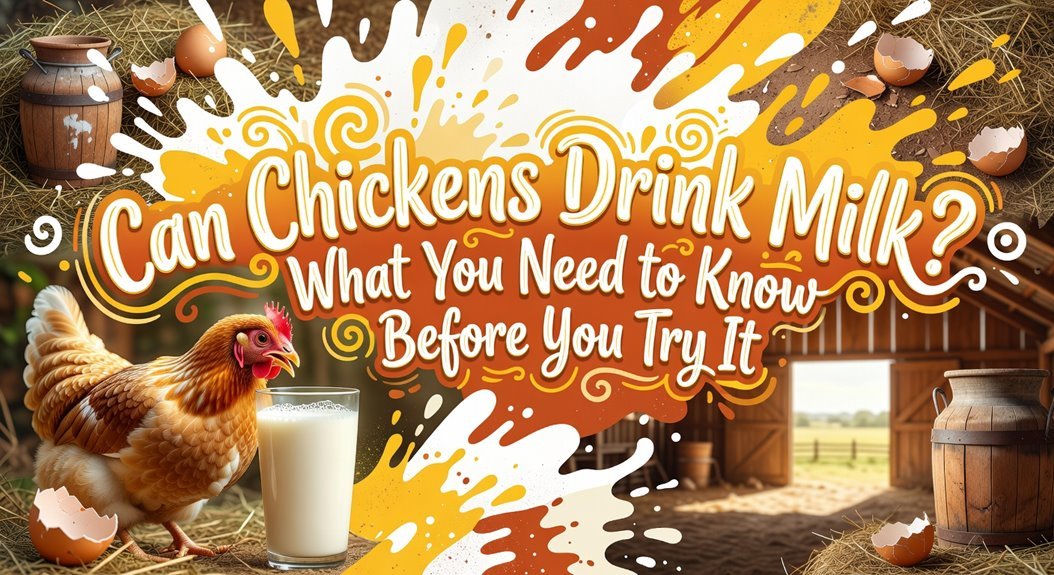
You want to give your chickens a little dairy treat, and honestly, it’s not a crazy idea — but there’s a catch. Chickens don’t produce lactase, so undigested lactose feeds harmful gut bacteria, which quietly snowballs into bacterial overgrowth, liver stress, and dropping egg numbers. Small, occasional amounts of fermented dairy like yogurt or clabbered milk are far safer than straight whole milk. Stick with the right type, the right quantity, and you’ll avoid the headaches — keep going and you’ll know exactly how.
Can Chickens Actually Digest Milk?
fermented options like yogurt have already had their lactose consumed during processing, making them considerably easier on your chickens’ digestive systems. Choose smarter, not harder. Some chickens can tolerate small amounts of milk, but lactose intolerance is common and can cause digestive upset.
What Actually Goes Wrong When Chickens Drink Too Much Milk
When milk becomes a free-for-all in the coop, things go sideways fast — and it’s not just one problem, it’s a cascade. Your chickens don’t have the enzymes to handle lactose, so that undigested sugar heads straight to their gut, feeding E. coli colonies that multiply aggressively. Now you’ve got bacterial overgrowth causing colibacillosis — a real, documented infection, not a theory.
Here’s the thing about milk safety: it’s not just lactose intolerance causing loose droppings. The fat content hammers their livers too. Modern poultry diets cap fat around 4-6%, and milk blows right past that. Free-choice access means your birds overconsume, developing enlarged, pale livers and obesity-linked heart problems. Keep portions controlled, and you sidestep all of it. Avoid avocado pits because they contain persin, which is toxic to chickens.
Signs Your Chickens Are Getting Too Much Milk
Four signs your chickens are getting too much milk will show up before you even realize there’s a problem — and by the time you notice them, your birds have already been struggling for a while. Here’s the thing: milk overload doesn’t announce itself loudly. You’ll notice crop swelling first — that squishy, bloated feeling when you gently press the crop. Then comes the sour breath, the hunched posture, the ruffled feathers. Now, watch for behavioral shifts too. Your chickens isolate themselves, stop eating, and drop egg production fast. Obviously, one small milk treat won’t cause this. But consistent overfeeding will. If you’re seeing these signs together, trust what your eyes are telling you — pull the milk immediately and reassess what you’re offering them. Keep in mind that feed efficiency matters enormously with broilers, where roughly 9.7 kg of feed produces only 4.6 kg of body weight, so anything disrupting normal feed intake — including excessive milk — can quietly derail your flock’s growth and performance. Increasing protein intake during molting can help counteract the negative effects of a nutrient‑balancedanced diet. Consider the long tail tradition of Onagadori breeders when evaluating ornamental bird care practices.
How Much Milk Is Safe for Chickens?
So how much milk can you actually give your chickens without wrecking their digestion or tanking their liver health? Here’s the thing — nobody wants to guess and end up with pale, enlarged livers staring back at them during an autopsy.
For solid milk dosage guidance, start with 1 gallon daily per 100 small layers, or scale down to 1 quart for roughly 12 birds. You’ll want health monitoring built into your routine — watch droppings, energy, and egg yield weekly. Now, fat’s your real limiter here, not protein. Keep milk fat within 4-6% of total diet and adjust your feed rations accordingly.
Raw milk, whey, or buttermilk give you more flexibility. Pasteurized? Cap your soaking time at 12 hours. Smart ratios make this easy.

Human Grade Goat’s Milk + Easy Prep: Made with human grade ingredients and produced in a human food facility for the highest safety standards, this instant goat’s milk powder is easy to prepare—just add warm water to create a fresh, flavorful drink. This 5.2 oz resealable pouch makes up to 2 quarts (60 oz) for convenient daily use.

SIMPLY MIX WITH WATER: Convenient powder formula that dissolves easily for quick hydration support.

Cat and Dog Liver Support: Fera’s liver support supplement with milk thistle for dogs and cats helps enhance liver function, support the immune system & metabolic function and promote regular detoxification.
Which Types of Milk Are Safest for Chickens?
Not all milk is created equal when it comes to your flock, and picking the wrong type isn’t just wasteful — it can genuinely mess up their digestion and leave you wondering why your hens look miserable.
Here’s the thing about milk safety: your best starting points are goat’s milk, lactose-free milk, sour clabbered milk, and plain yogurt. All four keep lactose low enough to avoid gut disasters. Now, milk sourcing matters too — raw goat’s milk from a healthy doe is genuinely your safest whole-milk option. Avoid Lactaid products entirely and keep nonfat milk powder far away from the feeder.
Obviously, lower lactose means fewer problems. Clabbered milk actually delivers probiotics, calcium, and protein together — making it arguably your smartest, most practical daily choice. Skimmed milk left over after cream separation is another option worth considering, as its high protein content makes it a potentially beneficial supplement for poultry just as it is for pigs and calves. Providing a diet that prevents nutritional deficiency can also reduce feather picking and improve overall health. Including fresh leafy greens in their diet further supports digestion and overall well‑being.

Tender morsels of shredded chicken paired with premium proteins drenched in a succulent goat milk gravy

Tender morsels of shredded chicken paired with premium proteins drenched in a succulent goat milk gravy

Smooth Food Transition: PAWUP's Freeze-Dried Goat Milk Yogurt Flavor Treat helps puppies transition effortlessly from breast milk to solid food. Made with premium goat milk and fresh chicken, it’s specially crafted to be gentle on young, sensitive tummies
Why Fermented Dairy Is Safer for Chickens Than Fresh Milk
If you’ve ever watched a chicken act lethargic and gassy after getting into fresh milk, you already understand the core problem — lactose hits their gut hard, and unfermented dairy basically sets that disaster in motion every single time. Here’s the thing: fermented safety isn’t just a trendy concept. Fermentation acidifies milk naturally, inhibiting harmful bacterial growth while breaking down lactose before it ever reaches your flock’s digestive system. That’s milk preservation working exactly how it should. Yogurt, kefir, cultured whey — these are the versions that actually make sense for chickens. Obviously, fresh milk stays risky regardless of quality. But fermented dairy gives you that nutritional upside without the gut-wrecking downside. If you’re offering dairy at all, fermented is genuinely the smarter, safer call.


Gluten-Free & Formula: Enjoy traditional tarhana flavor with this plant-based, gluten-free version made from chickpea flour for fermentation.

What Protein and Calcium Chickens Actually Get From Milk
Here’s the thing about milk as a protein source — you’re probably overestimating what liquid milk actually delivers. Fresh milk sits at just 3-4% milk protein on an “as fed” basis. That’s not nothing, but it’s not moving the needle much either.
Now, if you’re soaking scratch feed in milk, you’re combining roughly 12% protein grain with that liquid boost, landing around 16% total. That’s your minimum threshold for laying hens. Barely.
Calcium intake is where milk genuinely earns its keep. It absorbs well, supports shell strength, and complements whatever your base feed is already doing for bone health. Fermented milk takes this further by supplying lactic acid bacteria that repair intestinal villi, directly enhancing how efficiently that calcium gets absorbed in the first place.
Dried whole milk hits 26.7% protein — that’s the version worth getting excited about. Liquid milk? It’s a helper, not a hero. Providing large particle calcium alongside milk can help hens meet their nighttime calcium needs.
How to Feed Milk to Chickens Without Causing Harm
Feeding milk to your chickens sounds simple until you’re staring at a bucket of sour goat milk wondering whether you’re about to help your flock or hospitalize it. Here’s the thing — milk storage matters more than most people realize. Spoiled milk causes harm; sour milk doesn’t. Know the difference. Start small. Introduce about a quarter cup daily, diluted with water, before working up to full portions. Pasteurized milk? Keep soaking time under 12 hours at room temperature — mold moves fast. Raw or clabbered milk delivers real probiotic benefits that pasteurized versions simply can’t match. Now, avoid free-choice feeding for laying hens — their livers can’t handle unchecked fat intake. Keep fresh water available always. Think of milk as an occasional extra treat, much like meat broth, rather than a daily dietary staple. Alfalfa pellets provide essential vitamins and minerals that support overall health, making them a complementary supplement to occasional milk treats. Homemade chicken treats often include nutritious grains that can be mixed with milk for added energy. You’ve got this figured out.

Gentle on Digestion: Made with easily digestible goat milk, naturally lower in lactose and featuring small fat molecules ideal for sensitive stomachs. Supports comfortable digestion during the transition from mother's milk to solid food, reducing the risk of digestive upset.

60% GOAT MILK & 40% CHICKEN RECIPE: Made with goat milk and chicken, these treats are a convenient everyday option for pet parents looking for goat milk for dogs, goat milk for cats, and flavorful dog treat options.
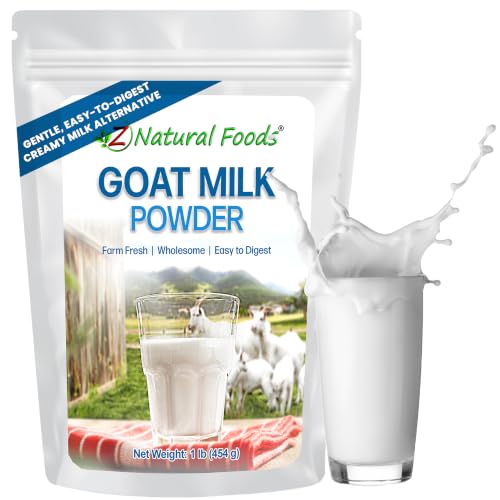
𝗣𝗿𝗲𝗺𝗶𝘂𝗺 𝗙𝘂𝗹𝗹 𝗖𝗿𝗲𝗮𝗺 𝗚𝗼𝗮𝘁 𝗠𝗶𝗹𝗸 𝗣𝗼𝘄𝗱𝗲𝗿: Z Natural Foods' premium goat milk powder is a pure, high-quality product sourced from the Netherlands that is free from additives and artificial flavors making it a wholesome and natural alternative to regular cow's milk, delivering full cream, authentic taste and nutrition.
What Scenarios Actually Justify Feeding Chickens Milk
Here’s the thing — if you’re running a mixed farm with dairy surplus, seasonal economics basically make the decision for you. Free milk beats purchased feed every time. You’ve also got breed‑specific response working either for or against you. Rhode Island Reds? Absolutely worth it — 75-80% lay rates speak for themselves. Wyandottes? Honestly, probably not. And if your flock is battling Coccidiosis or Necrotic Enteritis, milk’s therapeutic reputation gives you another legitimate reason. Grit is essential for helping chickens grind and digest the added nutrients in milk, ensuring they can properly absorb the calcium and protein. If you’re nodding at any of these scenarios, you’ve already got your answer. Farmers have even observed chickens enthusiastically drinking spoiled milk rather than letting it go to complete waste on the farm.

ESSENTIAL POULTRY GRIT FOR CHICKENS & GAMEFOWL: Premium grit for chickens made from natural granite grit for chickens, essential for grinding whole grains and improving digestive health for poultry; a must-have to include in your chicken coop accessories

ESSENTIAL GRIT FOR HEALTHY DIGESTION: Manna Pro Chick Grit aids proper digestion in chicks & bantam breeds by helping grind whole grains and poultry feed in the gizzard; our chick grit supports optimal nutrient absorption and overall gut health.

May improve the hardness and durability of egg shells