You’re tired of guessing which hybrid won’t turn your yard into chaos. All right, here’s the fix: grab an ISA Brown if you need 300+ friendly eggs yearly, or pick a Golden Comet for docile kids’ companions. Obviously, meat crosses grow fast but need careful health monitoring. These hybrids beat purebreds on efficiency, though they won’t breed true. Now you can stop second-guessing and start building the exact flock you actually need. Stick around to see which specific bird matches your backyard goals perfectly.
What Are the Top Australian Egg-Laying Cross Breeds?
Why are you still staring at the coop plans when the real headache is picking the bird that won’t quit on you? You need egg‑production genetics that actually deliver without driving you mad. Market demand trends show everyone wants the ISA Brown, and honestly, they’re right; you get over 300 friendly eggs yearly. But maybe you’re not a family person? If you crave quiet, grab the White Cross, Australia’s prolific white-egg layer. Prefer dark shells? The Black Cross lays big browns but fewer eggs, suiting calm backyard seekers. The Red Cross rivals the ISA for sheer volume, while the Austra White blends hardiness with solid numbers. Obviously, no single bird fits every shed. Stop overthinking the perfect match and just pick the hybrid aligning with your specific chaos. Your future breakfast depends on this choice, so make it count today. Remember that selective breeding creates distinct classes of chickens designed for specific purposes like high egg yield or meat production.
Which Hybrid Chicken Lays the Most Eggs?
Since you’re tired of guessing which hen will actually fill your carton without burning out, let’s cut straight to the heavy hitters. If maximum volume is your game, the ISA Brown and Brown Nick are your undisputed champions, both pumping out over 300 large brown eggs annually. You’ll love their incredible egg production efficiency, especially since they start laying early at just sixteen weeks. While the Golden Comet offers a friendlier vibe with similar numbers, the California White beats pure Leghorns for consistent white eggs. Obviously, hybrids beat heritage breeds hands down, ignoring winter gloom to keep your basket full. Just remember, egg size variability exists even among these powerhouses, though most stick to large grades. These birds don’t breed true, but who cares when you’re getting this much return? Pick the Brown Nick if you want raw, feed-efficient power today. However, be aware that their production declines significantly after three to five years, unlike the longer-lasting heritage varieties.


How Do Egg Colors Vary by Breed?
Ever wonder why your neighbor’s basket looks like a painter’s palette while yours is stuck in monochrome? It’s all about genetics, not magic. Your hen’s genome decides if you get plain white calcium carbonate or something wilder. Biliverdin creates those stunning blue shells, while protoporphyrin adds rusty browns or dark spots. Sometimes, you even score eggs with charming green speckles when pigments layer just right. Don’t think brown means better nutrition; they’re identical inside to white ones. Diet tweaks yolk color, sure, but the shell hue stays genetic. Stress might fade things slightly, but breed is king. If you crave visual variety, pick hybrids known for colorful laying. You’ll transform that dull carton into a rainbow collection instantly. Stop guessing and choose breeds that match your aesthetic dreams today. Regardless of the shell’s appearance, brown and white eggs are nutritionally identical.
What Temperament Traits Define Each Hybrid?
You’ve picked your favorite egg colors, but now you’re staring at the coop wondering if those pretty hens will actually let you pick them up without running for cover. Golden Comets and Red Sex Links? They’re the docile giants of handling, perfect if kids need gentle friends. Pearl Star Leghorns seek your company over the flock’s, while Speckledys bring calm harmony with impressive social adaptability. Austra Whites stay reliably mild, even in production settings. Obviously, a friendlyile temperament makes backyard life smoother, but don’t expect every hybrid to ignore flock dynamics completely. Some submit to dominants; others just chill. If you want predictable, tame birds that tolerate frequent contact, these crosses fit your specific needs perfectly. Choose the one matching your patience level, and you’ll dodge the stress of flighty flocks entirely. While these hybrids are bred for high performance in egg output, their generally good temperament ensures they remain manageable in backyard environments.
How Much Do Hybrid Chickens Cost?
Although you’ve already fallen for those feathered faces, staring at the price tags might make you wonder if your backyard dream is about to bankrupt your barbecue fund. Don’t panic yet. Common hybrid chicks usually run just $3 to $5, though rare finds exceed $15. Your final bill really depends on breed availability and where you shop, since local hatcheries sometimes charge less than big farm stores. If you’re impatient, pullets cost $15 to $30 but skip the fragile baby stage entirely. Mature hens hit $20 to $50, offering instant eggs without the wait. Obviously, ongoing feed adds up to about $3 monthly per bird, but that’s still cheaper than grocery store cartons. Here’s the thing: you aren’t buying just a pet; you’re investing in breakfast. Whether you grab a $3 chick or a $50 layer, the math works if you plan ahead. So, pick your budget, choose your bird, and start clucking confidently today.

COMPLETE STARTER FEED FOR CHICKS: Specifically formulated for chicks from hatching to 16 weeks, this non-medicated chick starter feed delivers balanced nutrition and essential nutrients to support strong, healthy early growth and development.

This item is a Chic 3CT.17OZ Probiotic

Natural wooden production: Made of pine, a 100% natural product with no artificial colors or chemicals. Safe for humans, animals, and plants.
What Care Do Backyard Crosses Need?
You’ve crunched the numbers and bought the chicks, but now the real work starts before you even open the coop door. Honestly, keeping hybrids happy isn’t rocket science, yet skipping basics ruins everything. You need a predator-proof coop design raised off the ground; flooding kills faster than foxes. Keep temps between 55–85°F because these birds hate extremes. Feed them layer mix plus grit for solid egg‑shell health, otherwise you’ll get fragile shells and messy breaks. Water them constantly at shoulder height and wash bowls daily—bacteria loves dirty water. Spot clean droppings every day and deep clean weekly with bleach solution. Obviously, they need light and dust baths too. If you manage airflow and secure fencing, you’re golden. Don’t overthink it; just stick to the routine and your flock will thrive.
How Long Do Hybrid Chickens Live?
So, how long are you actually going to have these birds before they burn out? You’re looking at a hybrid lifespan of just three to six years, roughly half that of heritage breeds. That intense production stress from laying 300+ eggs annually wreaks havoc on their small bodies. Obviously, those genetic tradeoffs for rapid growth and massive output mean their systems crash hard by age three. You’ll see higher rates of organ failure and heart attacks because their biology simply can’t sustain that pace. These serious health implications stem directly from breeding manipulation that ignores natural cycles. While backyard care might stretch their lives to six years, don’t expect a decade of companionship. If you want a short-term egg factory, this fits; if you seek long-term pets, look elsewhere. Choose wisely based on your actual goals.
Are Meat Crosses Right for Your Flock?
If you’re staring at your empty freezer and wondering why heritage birds take forever to fill it, you’ve hit the exact friction point that makes meat crosses so tempting. These hybrids reach processing weight in just seven weeks, slashing your feed costs dramatically. Now, let’s talk pasture economics. While Cornish Cross birds grow fast, they lack strong foraging skills and need protected pens to survive predators. Breed suitability really depends on your setup. If you want lean, tender breast meat without waiting sixteen weeks, this is your guy. However, don’t expect them to thrive on open range like heritage flocks; they demand consistent management. All right, here’s the thing: if you prioritize yield over hardiness, these crosses deliver four hundred pounds of meat from a single batch. Be aware that fast-growing commercial breeds may suffer leg, heart, and respiratory problems due to their rapid development. Stop guessing and start filling that freezer today.

VERSATILE AND SECURE FIT - Discover mobility and safety for your avian pals with Crazy K Farm's Hen Holsters! Ideal for larger pigeons, bantam chickens, and large parrots, these bird diapers are equipped with a reliable D-ring for leash attachment, ensuring your birds explore securely and stylishly. Perfect for indoor and outdoor use, keep your feathered friends safe and mess-free wherever they roam.
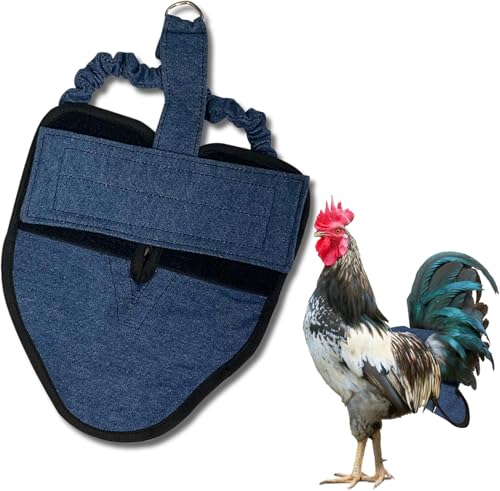
VERSATILE AND SECURE FIT - Discover mobility and safety for your avian pals with Crazy K Farm's Hen Holsters! Ideal for pigeons, bantam chickens, and large parrots, these bird diapers are equipped with a reliable D-ring for leash attachment, ensuring your birds explore securely and stylishly. Perfect for indoor and outdoor use, keep your feathered friends safe and mess-free wherever they roam.

VERSATILE AND SECURE FIT - Discover mobility and safety for your avian pals with Crazy K Farm's Hen Holsters! Ideal for larger pigeons, bantam chickens, and large parrots, these bird diapers are equipped with a reliable D-ring for leash attachment, ensuring your birds explore securely and stylishly. Perfect for indoor and outdoor use, keep your feathered friends safe and mess-free wherever they roam.
How Are Specialty Egg Colors Created?
Maybe you’re tired of staring at a carton of boring white eggs when you know your neighbors are pulling olive and blue ones right off the roost. Here’s the thing: every egg actually starts white inside the hen. Pigment genetics dictate whether that canvas stays blank or gets painted. Blue eggs get oocyanin early, dyeing the whole shell through. Brown layers wait until the very end, slapping protoporphyrin on the surface like a late-night coat of paint. That shell formation timing creates the difference between a blue interior and a white one. Mix those traits, and you get stunning olive greens. Obviously, older hens fade a bit as pigment production slows. This coloration is finalized within the eggshell gland before the egg is ever laid. You aren’t just buying chickens; you’re curating a colorful breakfast. So, pick the genetics that match your dream carton and stop settling for boring white.
Why Choose Hybrids Over Purebreds?
While you might love the story behind a purebred hen, you’re probably staring at your empty egg carton wondering why your heritage birds aren’t keeping up with the neighbors. Hybrids lay nearly daily and start young, solving your supply issues fast. Obviously, feed costs matter too; these birds convert grain to eggs far better than dual‑purpose breeds. That’s hybrid economics working in your favor, slashing operational expenses while boosting yield. Now, consider the trade‑off: companies hold genetic patents, so you can’t breed them yourself. You’ll buy new chicks yearly instead of hatching your own. This dependency guarantees uniform flocks with predictable performance, perfect for planning your sales. If you need reliable volume without the heritage hassle, this path makes sense. Stop guessing your weekly output and let optimized genetics handle the heavy lifting for your coop today. Unlike barnyard mixes that suffer from unpredictable outcomes, hybrids offer consistent traits for specific production goals.


Designed for maximum protection, safety, and comfort by backyard chicken keeping author and consultant, Kathy Shea Mormino, The Chicken Chick