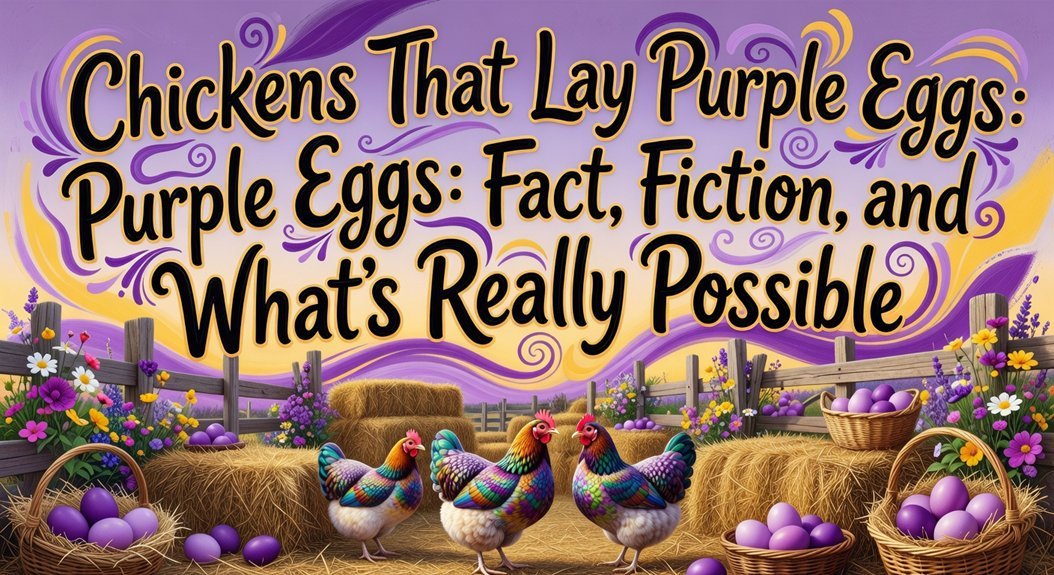
You’re not imagining things — those eggs really do look purple, and you’re not being deceived by bad lighting. Here’s the thing: no chicken actually lays a true purple egg, but certain breeds produce a bloom so thick and violet-rich that unwashed eggs look genuinely plum. Wash one, and surprise — it’s brown underneath. The bloom is doing all the heavy lifting. Stick around, because there’s a lot more to unpack here.
Do Chickens Actually Lay Purple Eggs?
If you’ve been searching for chickens that lay purple eggs, here’s the thing — no chicken breed on the planet actually produces a true purple egg. I know, frustrating. You’ve probably seen photos online that made you think otherwise.
Here’s what’s actually happening: that purple appearance comes entirely from the bloom, a protective coating covering the shell. Wash it off, and you’ll find plain cream or brown underneath. Obviously, no amount of my breeding experiments or genetic testing changes that underlying shell color.
Now, that doesn’t mean you’re completely out of luck. Some hens produce such a thick, rich bloom that eggs genuinely look lavender or plum straight from the nest.
That distinction matters before you spend a single dollar.

【Chicken bedding herbs and Flowers】 Lavender, Rose, Mint, Calendula, Rosemary, Chrysanthemum, Wormwood, Cinnamon. 8 dried natural nesting herbs and flowers. Made from 100% natural herbs, this blend is safe for chickens and promotes a chemical-free approach to coop care.
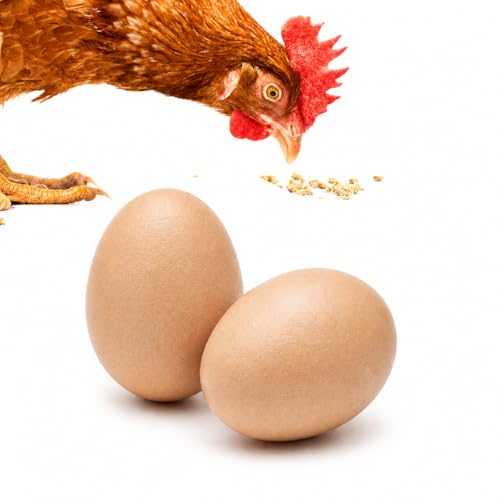
Encourages Hens to Lay Eggs in Nesting Box --- When a broody hen sees other eggs, she identifies that area as an ideal place to lay her own eggs. Place these SunGrow wooden chicken eggs inside the nesting box to encourage hens to lay eggs in a clear, cozy area instead of on the ground or chicken coop floor.

Crafted from eight pure, sun-dried herbs: Lavender, Rose, Mint, Rosemary, Lemongrass, Calendula, Chrysanthemum, and Wormwood. No artificial colors, fragrances, or chemicals — only the natural aroma your hens love.
What Egg Bloom Actually Does to Shell Color
That bloom you just learned about isn’t just a bacteria bouncer — it’s also quietly messing with how you perceive shell color, and understanding that changes everything about your purple egg search. Here’s the thing: bloom affect sheen in ways most people never consider. On white shells, bloom thickness can make eggs appear whiter or shinier than the actual shell beneath. Now, on brown shells, bloom carries up to 20% of the pig hue bloom creates on the surface. That pigment sitting under the bloom gets filtered through it. So what you’re actually seeing isn’t pure shell — it’s shell plus coating. Obviously, this matters enormously when you’re chasing a specific color. If bloom changes brown and white dramatically, imagine what it’s doing to any “purple” egg you’ve spotted online.

One Coat Coverage - Glidden One Coat Interior Paint & Primer has exceptional hide and stain block which means you need fewer coats to hide your common stains and make your...
Why Purple Eggs Wash Away in the Sink
So you’ve seen those gorgeous purple eggs on social media, maybe even bought some from a local farm, and then you did the one thing nobody warned you about — you washed them. Now they look brownish or dull, and you’re wondering if you got scammed. You didn’t. Here’s the thing — that purple coating is bloom, a natural protective layer, and water dissolves it fast. Sink chemical reactions between the bloom and moisture strip that color instantly. Obviously, the egg underneath was never actually purple. All right, here’s your honest answer: the color lives entirely in the bloom. Sink bacterial concerns are real too, since washing removes your egg’s natural defense. Skip the sink, store them unwashed, and that purple stays exactly where you want it. Much like a P-trap under your sink, the bloom acts as a seal — once it’s gone, what it was keeping out gets back in, and accumulated buildup and odors become a real concern.
Chicken Breeds Closest to Laying Purple Eggs
you’re buying perception, not pigment. If that’s enough for you — and honestly, it usually is — pick your breed and commit.

Local Egg Dealer I Know What I Got Funny Chicken Lover present for holidays, birthdays, Mother's Day, and Father's Day, great apparel to wear if you are a chicken lover for all the family father, mother, brother, sister, and friends.


Which Brown Egg Layers Show the Strongest Purple Bloom
Not every brown egg looks the same in the morning light, and if you’ve ever cracked a carton open and noticed one egg glowing with a faint violet sheen while the others just looked… brown, you’ve already seen the bloom doing its thing. Here’s the thing — purple bloom genetics vary wildly by breed. Welsummers consistently show the strongest violet tint on their deep terracotta shells, especially fresh from the nest. Buff Orpingtons and Amberlinks follow close behind. Now, diet influence matters more than people realize — stress or nutritional gaps visibly lighten shells, weakening that purple sheen entirely. Obviously, fresher eggs show stronger bloom. If chasing that violet glow is your goal, Welsummers are your most reliable starting point.

COMPLETE STARTER FEED FOR CHICKS: Specifically formulated for chicks from hatching to 16 weeks, this non-medicated chick starter feed delivers balanced nutrition and essential nutrients to support strong, healthy early growth and development.
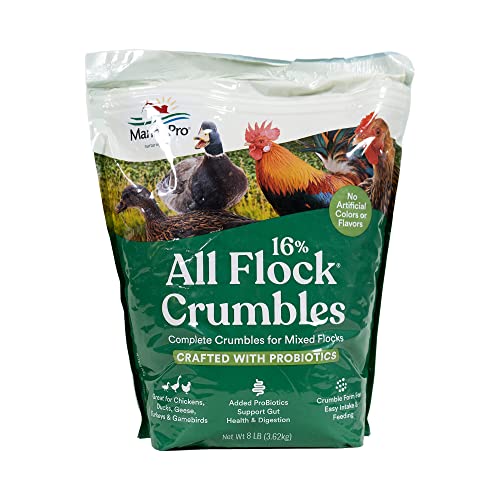
COMPLETE ALL FLOCK FEED FOR MIXED BACKYARD FLOCKS: Versatile poultry feed & all flock feed designed to support chickens, ducks, turkeys, geese, & more; a balanced bird food that simplifies feeding a diverse species in your backyard or homestead
COMPLETE CHICKEN FEED FOR LAYING HENS: Manna Pro Chicken Feed delivers complete nutrition designed for laying hens, supporting strong egg production, healthy feathers, and overall wellness; balanced formula helps maintain optimal health in backyard flocks
Why Your Hen’s Purple Bloom Fades as She Ages
If you’ve been watching your hen’s eggs slowly lose that gorgeous violet sheen over time, you’re not imagining it — and you’re definitely not alone in feeling a little frustrated about it. Here’s the thing: hen aging directly triggers pigment decline in two frustrating ways. Her pigment-producing oviduct cells slow down, and her estrogen drops, reducing biliverdin movement to the shell gland. Now, her eggs also get physically larger without proportional pigment increase, so color dilutes across a bigger surface. Obviously, that’s a double hit. All right, add intensive laying cycles exhausting her pigment reserves faster, and you’ve got a recipe for consistently paler shells. You can’t reverse aging, but understanding it helps you manage expectations — and maybe finally commit to that younger flock addition you’ve been considering. Most hens begin producing noticeably lighter eggs by years two or three, meaning the fading you’re observing follows a well-documented and predictable timeline.
How Breeders Are Developing Consistent Purple Bloom Hens
Watching your hen’s bloom fade with age stings a little — but here’s the thing, breeders who’ve actually cracked the purple bloom puzzle didn’t stumble into it accidentally. They built it deliberately through selective crossbreeding, targeting mothers with heavy bloom and pairing them with roosters hatched from those same bloomy eggs. That’s your blueprint.
Operations like Crosshatch Farm work specifically toward red pigmentation and purple heavy bloom in Marans — that’s gen bloom genetics in action. You’re stacking traits intentionally, generation after generation. Now, you won’t get 100% bloomy pullets. Nobody promises that honestly. But your odds climb dramatically when you select for deep burgundy-red shells and cull weak pigmentation early. Start choosing your breeders smarter, and your flock follows.
Where to Buy Hens That Lay Purple or Plum-Bloom Eggs
So you’ve decided you want hens that lay purple or plum-bloom eggs — now you just need to figure out where to actually get them without getting burned by vague listings, mystery breeds, or a straight-run gamble that leaves you with seven roosters and a headache.
Here’s the thing: purple egg markets are small but real. Crosshatch Farm breeds specifically for plum bloom genetics — heavy bloom, dark Marans eggs, actual grape and mauve shades. That’s your best bet for intentional color. Purple Egg Farm sells month-old pullets past the fragile phase. Local feed stores work if you want two birds without minimums. Cackle and Hoover’s ship colored egg layers nationwide affordably.
You’re close. Pick your source, commit, and stop letting perfect be the enemy of purple.

Encourages Hens To Lay Eggs In Nesting Box --- When a broody hen sees other eggs, she identifies that area as an ideal place to lay her own eggs. Place these SunGrow Wooden chicken eggs inside the nesting box to encourage hens to lay eggs in a clear, cozy area instead of on the ground or chicken coop floor.

Montessori Sensory Learning Toy – Keep kids away from screens and encourage open-ended play with these 9 wooden eggs in 2 realistic colors (white eggs & brown eggs). These fake eggs feature a smooth, burr-free finish and comfortable weight, perfect for grasping practice, object permanence learning, and pretend kitchen play

Lightweight, Classic fit, Double-needle sleeve and bottom hem
Will Chickens Ever Lay a True Purple Egg?
Now that you’ve got a source locked in, you’re probably wondering something that’s been nagging at you since the beginning — are these eggs actually purple, or are you about to explain yourself to every house guest who opens your fridge? Here’s the thing: no chicken carries purple genetics. None. Zero. True purple requires internal shell pigmentation that simply doesn’t exist in any breed. What you’re seeing is bloom chemistry — a protective coating layered over dark burgundy shells that creates that stunning periwinkle or plum illusion. Wash the egg, and surprise, it’s brown. All right, that sounds disappointing, but honestly? The bloom effect is genuinely beautiful, completely natural, and still makes your egg basket look like something from a fancy homestead magazine. That’s worth committing to.