If your chicken’s beak is crossing sideways, you’re watching it struggle to eat and wondering how serious this actually is — and that concern is completely valid. Cross beak happens when the upper mandible grows misaligned with the lower, making eating genuinely difficult without your help. Genetics, incubation problems, or early nutritional gaps are usually to blame. It won’t fix itself, but with the right feeding setup and daily trimming, many birds thrive. Keep scrolling — there’s a lot worth knowing here.
What Is Cross Beak in Chickens?
If you’ve noticed your chicken’s beak looking a little off — like the top half is sliding sideways past the bottom instead of lining up the way it should — you’re probably dealing with cross beak, and yeah, it’s as concerning as it looks. Here’s the thing: it goes by several names — scissor beak, crooked beak, lateral beak deviation — but they’re all describing the same misalignment where the upper mandible crosses over the lower one.
Now, genetics play a real role here, and unlike feather color, cross beak genetics don’t care how pretty your bird looks. The upper mandible keeps growing downward if you ignore it, making eating and drinking genuinely difficult. Obviously, that’s your immediate problem — and it’s worth addressing sooner rather than later.
Is Cross Beak Common in Backyard Chickens?
So, cross beak isn’t exactly rare — but how common it actually is depends heavily on what breeds you’re keeping and where you sourced them. Here’s the thing — if you’re raising Ameraucanas or Easter Eggers, you’re already in higher-risk territory. Breeders have spent decades trying to breed it out, and it just keeps showing up. That’s not great news, but it’s honest.
Now, prevalence statistics across all backyard breeds are genuinely incomplete — nobody’s tracking this thoroughly. What we do know is hatchery-sourced birds show it more often than heritage flocks managed with real breeding ethics. Obviously, where you buy matters.
If you’re sourcing from a reputable breeder who screens carefully, you’re already stacking the odds in your favor. Smart move.
What Causes a Chicken to Develop Cross Beak?
Cross beak doesn’t always trace back to one tidy cause — and that’s honestly what makes it frustrating when you’re staring at a newly hatched chick with a twisted beak and wondering what went wrong. Here’s the thing: it’s a multi-villain situation. Genetics play a big role, especially in Ameraucanas and Easter Eggers — which is why genetic screening matters if you’re breeding. Incubation humidity that swings too high or inconsistent temperatures can derail proper beak development before the chick even hatches. Now, if your chick developed it around four to twelve weeks, you’re probably looking at nutritional deficiencies, injury, or infection. Obviously, pinning down the exact cause helps you prevent it next time — so don’t skip that step.

ELIMINATE DAILY COOP CHORES: No more lugging heavy waterers every morning or worrying about thirsty birds during weekend trips; this gravity fed chicken waterer system automates your homestead hydration by maintaining a steady fresh supply whenever the water level drops

ELIMINATE DAILY COOP CHORES: No more lugging heavy waterers every morning or worrying about thirsty birds during weekend trips; this gravity fed chicken waterer system automates your homestead hydration by maintaining a steady fresh supply whenever the water level drops

ELIMINATE DAILY COOP CHORES: No more lugging heavy waterers every morning or worrying about thirsty birds during weekend trips; this gravity fed chicken waterer system automates your homestead hydration by maintaining a steady fresh supply whenever the water level drops
Early Signs of Cross Beak and When to Act
Catching cross beak early is genuinely one of the best things you can do for a struggling chick — and honestly, it’s not hard to spot once you know what you’re looking for. You’ll notice the upper beak sliding past the lower one within just a few weeks. That’s your signal. Early genak detection matters because the deformity worsens over time, no matter what caused it. Now, here’s the thing — if you’re seeing messy feeding, slower growth, or low energy, your chick’s already telling you something’s wrong. Act on it. Nutritional support becomes your immediate priority because a bird eating less is a bird falling behind. You catch it early, you give that chick a real fighting chance.

{Healthy Flock} Proper nutrition and a well-balanced microbiome can help your poultry defend against dangerous pathogens. Brewer's Yeast with Probiotics, Prebiotics and Niacin can help achieve exceptional health in your flock

Use by date: This product’s use by date is determined by the Period After Opening symbol. The Period After Opening symbol is marked by a box with a numerical number (X) followed by letter M for months. The symbol denotes that the product is recommended to be used within X months of opening

Promotes Early Feeding- This baby chick food supplement encourages early feeding behavior so chicks start eating right away, helping reduce hesitation during the critical first days after hatching.
Best Foods and Feeders for Cross Beak Chickens
Feeding a cross beak chicken isn’t complicated — but it does require a few deliberate changes that’ll make a real difference in whether your bird thrives or slowly falls behind the flock. Your chicken can’t scoop feed normally, so standard setups just don’t work. Now, here’s what does: switch to a nutrient mash by wetting layer crumbles or pellets until they clump together. That consistency lets your bird scoop real volume per bite. Your feed feeder setup matters too — use deep dishes positioned low to the ground, away from flock competition. Add scrambled eggs or mealworms for protein. Fermented feed‘s worth considering since it packs more nutrition into less intake. Make these changes, and you’ll immediately see your bird keeping up. For birds with severe cross beak, some keepers hand-roll chicken torpedoes using crumbles, coconut oil, and eggs into firm, condensed portions that are easier to guide directly into the bird’s mouth.

Healthy and Natural Growth – Our nutritionally complete whole grain layer mash with 16% protein promotes optimal health in laying chickens and ducks. Fermentable. Corn-free. Soy-free.

100% USA GROWN, ORGANIC, NON-GMO GRAINS: 100% of grains are certified Organic, certified Non-GMO, corn-free, soy-free (soy & corn fillers can lead to vitamin & mineral deficiencies), non-medicated, grown on local, U.S.A. family farms & milled fresh

Healthy and Natural Growth – Our nutritionally complete whole grain starter mash with 17% protein promotes strong development and growth in chickens and ducks. Fermentable. Corn-free. Soy-free.
How to Trim a Cross Beak Safely at Home
Even with the best mash setup in the world, there’s another piece of the puzzle that’ll make or break your cross beak chicken‘s quality of life — and that’s keeping that beak from becoming a liability. Here’s the thing: beak shaping isn’t optional with cross beak birds. It’s survival maintenance.
Now, grab dog nail clippers or heavy-duty toenail clippers. Wrap your chicken snugly in a towel — the classic “chicken burrito” — and trim only the very tips. Alternate sides during grooming techniques to keep everything centered. File sweeping away from their face, never back-and-forth.
Obviously, cutting too deep means blood. Keep styptic powder nearby. Trim frequently and lightly rather than letting overgrowth spiral. Short sessions, calm energy, small clips. The clear area on the beak is your visual cue for identifying exactly how much excess growth needs to be removed. You’ve got this.
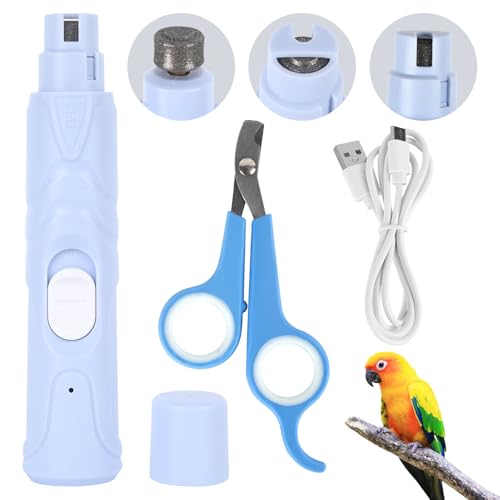
Professional pet nail care: The set includes an electric nail grinder, a precision nail file and a pet nail clipper. The three-in-one design meets the all-round nail care needs of small pets such as birds, hamsters, rabbits, etc., and trims and polishes in one step.
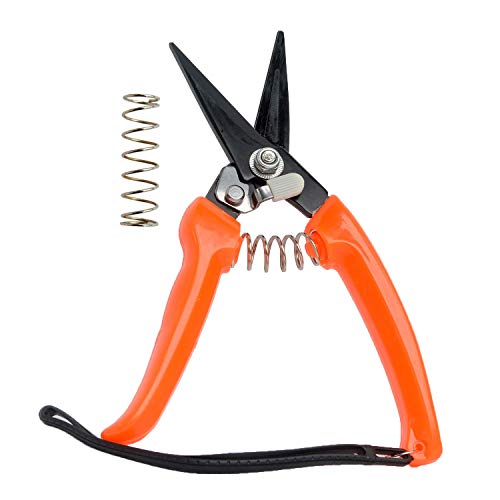
Multi-Purpose hoof trimmers do the daily trimming jobs for goats, sheep, lamb, alpaca nail hooves etc

For Call Ducks:Specifically engineered to meet the delicate nail-trimming needs of Call ducks, fragile nails without causing stress or injury to your pets.
Daily Care for Cross Beak Chickens
Daily life with a cross beak chicken isn’t complicated — it’s just *deliberate*. You’re not signing up for chaos; you’re signing up for consistency. Start mornings by checking her crop — empty before breakfast means yesterday’s diet and enrichment plan actually worked. Weigh her weekly, clean her beak daily with a soft toothbrush, and keep those feed dishes deep and full so scooping feels effortless for her.
Here’s the thing about beak prevention — staying ahead of overgrowth and debris buildup is genuinely easier than managing a setback. Wet or fermented feed, leafy greens, dust bath access — none of it’s complicated. If you notice the beak edges expanding excessively, trim the tip using dog nail clippers, just as you would clip a nail, to keep eating manageable. You’ve already done the hard part: deciding she’s worth the effort. Now just build the routine, and she’ll genuinely thrive.
Can a Cross Beak Chicken Live a Normal Life?
With the right setup, a cross beak chicken can absolutely live a full, happy life — and that’s not just feel-good optimism, it’s what the data actually shows. No research links cross beak to a shortened gen lifespan. Genetics plays a role in severity, but documented cases show chickens living four-plus years without major intervention.
Here’s the thing — mild cases need almost zero adjustments. Severe ones need smart management, not miracles. You’re looking at deep feed dishes, moistened mash, maybe separate feeding stations.
Now, enrichment and socialization matter too. These birds are charismatic flock members — preening, nesting, bonding normally. Your cross beak chicken isn’t fragile. She’s adaptable. You just need to meet her halfway, and honestly, that’s not asking much.
When a Cross Beak Chicken Needs Emergency Attention
Most cross beak chickens cruise through life just fine — but there’s a line between “needs extra care” and “needs emergency attention right now,” and you need to know where that line is.
Here’s the thing — if your bird’s losing weight fast, bleeding from a bad trim, or getting bullied away from feed entirely, that’s not a wait-and-see situation. Emergency feeding and a vet consultation aren’t overreactions; they’re the right calls. Severe overgrowth, facial abnormalities, or infections can spiral quickly. Now, if flockmates are blocking her access constantly, isolate her immediately. Obviously, you can’t fix what you don’t catch early. Trust your gut — when something looks wrong, it usually is. Act fast, get help, and give her a real shot.

100% DRIED WHOLE BLACK SOLDIER FLY LARVAE TREATS: With 35% min protein and 20% min fat, these treats provide premium quality nutrition for muscle development, feather growth, and overall vitality for egg layers and feathered friends.
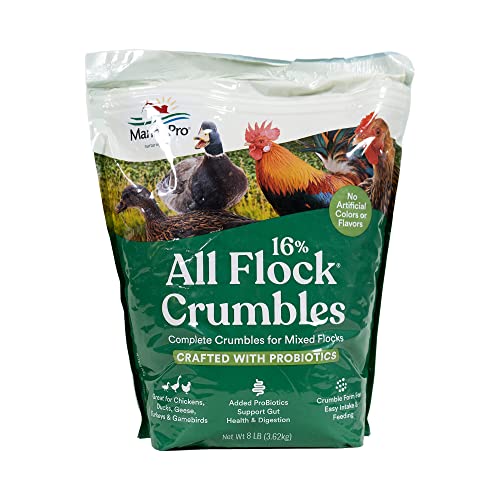
COMPLETE ALL FLOCK FEED FOR MIXED BACKYARD FLOCKS: Versatile poultry feed & all flock feed designed to support chickens, ducks, turkeys, geese, & more; a balanced bird food that simplifies feeding a diverse species in your backyard or homestead

NO SPILL CHICKEN FEEDER | We studied the way chickens eat and designed a feeder that doesn’t spill and doesn't waste food. The enclosed feeding ports stop hens from billing and scratching feed onto the ground — the #1 cause of feed waste.
Should You Breed a Chicken With Cross Beak?
If your cross beak hen lays beautifully, has a calm temperament, and you’re tempted to breed her — you’re not wrong for thinking it, but here’s the thing: you’d be rolling the dice on her offspring carrying the same struggle she fights every day. Breeding trials show affected parents produce cross beak chicks at dramatically higher rates than unaffected ones. That’s not opinion — that’s data.
Now, ethical breeding means you’re thinking beyond this season’s hatch. Without proper genetic screening, you’re potentially multiplying a condition that demands daily beak trimming, specialized feeding, and constant monitoring.
Her good qualities don’t cancel out that risk. Separate those traits, find unaffected birds carrying similar characteristics, and build your flock smarter. That’s the move.