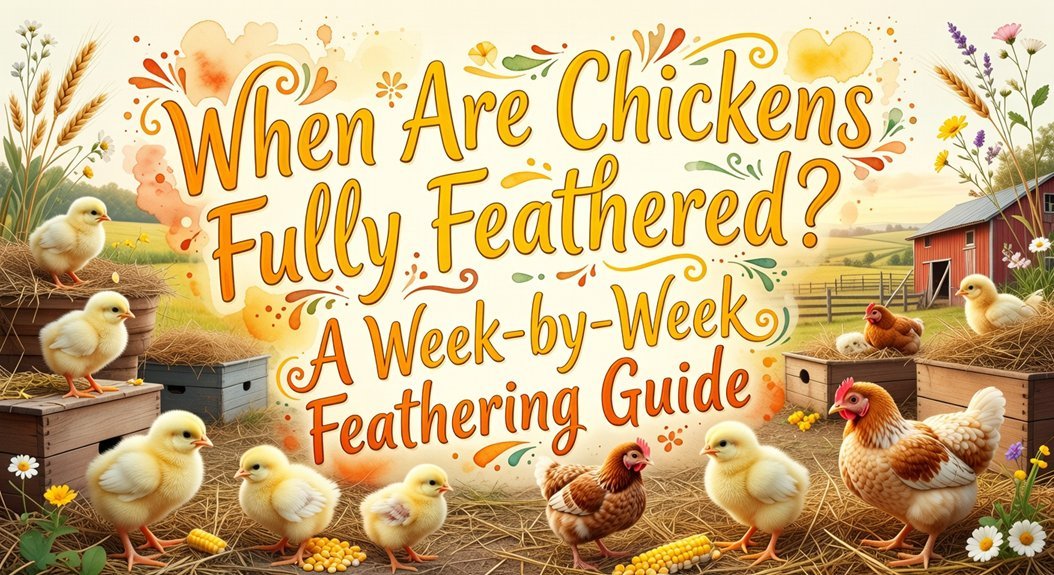
If you’re watching your chicks and wondering when they’ll finally stop looking so patchy and awkward, most breeds hit full feathering between five and six weeks — but genetics, sex, and breed all mess with that timeline. Females typically feather faster than males, and Black Sex Links can finish as early as four weeks while broiler crosses drag past six. Keep watching your chicks, not your calendar, and you’ll find the real answers week by week.
When Are Chickens Fully Feathered?
If you’ve been hovering over your brooder wondering whether your chicks are ready to graduate to the big coop, you’re not alone — and honestly, the answer isn’t as simple as circling a date on the calendar. Here’s the thing: most chicks reach full feathering somewhere between five and six weeks, but feather genetics plays a huge role. Your Black Sex Links might be rocking adult plumage at four weeks while your Red Sex Links still look like awkward teenagers. Now, diet impact matters too — proper nutrition supports timely feather development. Age alone doesn’t tell you much. What actually tells you everything is looking at your chick. Real feathers replacing down? That’s your green light. Trust what you see, not just the calendar.
What Do Chick Feathers Look Like in Week 1?
Week one is where things get interesting — and honestly, a little confusing — because what you’re mostly looking at is fluff with a few stubby feathers just starting to poke through. Here’s the thing: those tiny wing feathers are actually telling you something useful. Wing length at this stage varies noticeably between males and females. Females show longer wing feathers you can stretch out to see clearly, while males sport shorter, stubbier ones. Now, tail emergence is another clue — females develop small tail feathers early, but males? Just fluff back there. Stretch those wings side by side, compare them honestly, and you’ll start seeing patterns. It’s not foolproof, but it’s a solid starting point that’ll save you a lot of guessing later. To keep track of which is which after sexing, some keepers mark male chick nails with a Sharpie for easy identification going forward.
How Chicks Go From Down to Fully Feathered Between Weeks 2 and 4
Somewhere between week two and week four, your brooder goes from a peaceful fluff-fest to what looks like a tiny feathered riot — and honestly, that’s exactly what you want. Here’s the thing: the feathering timeline moves fast. Week two brings wing and tail feathers pushing through the down. Week three, you’ve got visible lengthening, flapping attempts, and chicks pecking each other’s remaining fuzz. Week four, they’re nearly fully feathered with real tail feathers. Now, gender genetics can influence how quickly feathers develop — females sometimes feather faster than males. Obviously, that matters when you’re managing heat adjustments. You can drop brooder temps roughly 5°F weekly as feathering progresses. Trust the process — your chicks are practically telling you they’re ready. During weeks two and three, chicks also begin to establish a pecking order, which can sometimes lead to injuries as they sort out their social hierarchy.
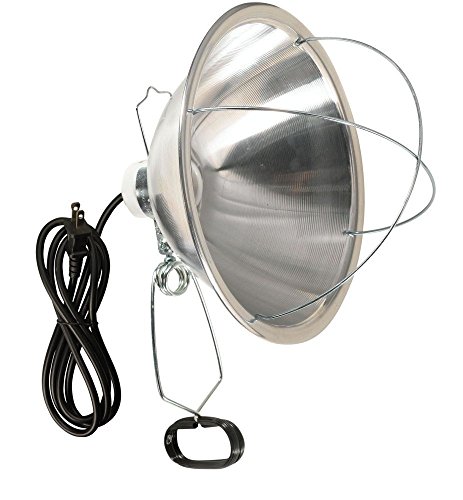
VERSATILE LAMP CLAMP with strong spring clam grips; double ball universal joint and adjustable reflector lets you direct light where you need it

【DaToo Infrared Heat Lamp】: Still looking for an efficient and safe heat lamp for chickens, the DaToo 150W Infrared Heat Lamp will be your perfect choice! This heat lamp has a powerful heating capacity and is widely used in brooder coops, food service, pets, reptiles and amphibians. Adopting high temperature and oxidation resistant double helix tungsten filament, energy-saving and efficient, perfect for creating a warm and comfortable resting place for pets.

Energy-Efficient Heating Solution: Unlike traditional heat lamps that consume high wattage, ZenxyHoC 10" x 10" chick brooder plate operates at a lower wattage, significantly reducing energy costs. It provides gentle, consistent warmth while saving you money on electricity—perfect for extended use during the brooding period.
When Do Chicks Start Growing Real Feathers?
Those first few days in the brooder can feel deceptively calm — your chicks look like perfect little cotton balls, and you might wonder if anything’s actually happening underneath all that fluff. Here’s the thing: real feathers actually start showing up sooner than you’d expect. By day three, some chicks already sprout primary wing feathers. Most hit that milestone between one and two weeks old, when the first molt kicks in and down starts giving way to actual feathers.
Now, gen feathering timelines aren’t one-size-fits-all. Genetic influence plays a real role — some breeds feather aggressively fast, others lag behind noticeably. You’re not doing anything wrong if your chicks develop unevenly. Watch the wings first. That’s always where feathering starts telling its story.
Why Week 6 Is the Fully Feathered Milestone
By the time your chicks hit that two-week mark with their wing feathers filling in, you’re probably already wondering when you can stop babysitting the brooder thermometer. Here’s the thing — week 6 isn’t arbitrary. It’s when feather genetics and your chick’s seasonal molt cycle converge, replacing every last bit of fuzzy down with real, thermoregulating feathers. Now, your chick can actually hold body heat at 65-70°F without you hovering. That’s the biological green light for coop shift. Obviously, not every chick hits this exactly — Black Sex Links feather faster than Red Sex Links, and some individuals lag behind. But once you see zero fluff and full feathers? You’re done with the brooder. That decision just made itself. At this same six-week stage, comb size becomes a reliable indicator for telling your pullets from your cockerels.
Which Breeds Take Longer Than 6 Weeks to Feather?
Not every chick is going to hit that 6-week finish line, and if you’re raising Barred Plymouth Rocks, Jersey Giants, or any broiler-type breed, you’ve probably already noticed your birds looking a little… patchy longer than expected.
Here’s the thing — that’s not neglect, that’s genetics. Barred Plymouth Rocks carry sex-linked delayed feathering that keeps wing primaries stubbornly short past three weeks. Jersey Giants deal with heavy-breed growth simply outpacing their feathers. Broiler crosses? Their bodies bulk up faster than feathers can cover them.
Now, heritayed feathering traits compound this further — some lines won’t look fully feathered until weeks seven or eight. You’re not doing anything wrong. Your birds are just working on their own timeline, and honestly, that’s completely normal.
How to Tell If Your Chick Is Feathered Enough for the Coop
watch behavior, not just calendars. Fully feathered chicks stop huddling, stop scrambling toward heat, and look like miniature adults — sleek, not fluffy. No bare patches. No frantic piling at night.
Now, coop safety and predator prevention matter regardless of feathering stage. Obviously, a fully feathered chick still needs secure housing.
All right — if your chicks are ignoring the heat lamp and wandering confidently? That’s your answer. Trust what you’re seeing. Keep in mind that smaller flocks retain heat less effectively and may need supplemental warmth longer than larger groups, even at the same feathering stage.
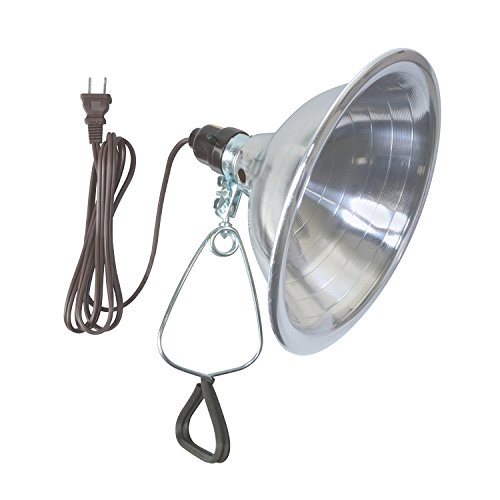
VERSATILE LIGHT WITH CLAMP: Suitable for use in the home; office or work studio; studio lamp for artists; photographer and also for indoor gardens it can provide consistent light and warmth

【Dual Wattage Infrared Heating System】 Our brooder heater comes with 250W and 175W infrared heat bulbs for flexible temperature control. Infrared heat penetrates deeply to boost blood circulation and healthy growth for chicks, ducklings and poultry. 250W for extreme cold ≤32°F, 175W for mild cold ≥32°F, providing stable, ideal warmth year-round.
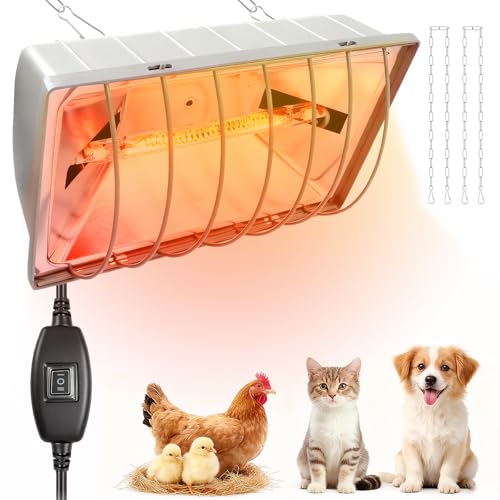
Efficient Heating-Wismoier chicken heat lamp adopts advanced carbon fiber heating technology,generating heat quickly in 5 seconds and working continuously for 10000 hours.It provides strong and stable warmth,creating a comfortable winter environment for poultry
Is Slow Feathering a Sign Something’s Wrong?
Sometimes slow feathering sends you into a spiral — Googling at midnight, convinced something’s terribly wrong with your chicks. Here’s the thing: it’s usually not. Most slow feathering traces back to genetics, specifically a sex-linked gene called K, and you’d only confirm that through genetic testing. Now, if your chick looks healthy otherwise, you’re probably fine.
But don’t ignore everything. Frayed, brittle feathers often signal poor nutrition — your birds need 15–17% protein diets, and diet adjustments can make a real difference fast. Pale combs, lethargy, or bald patches from scratching? That’s worth investigating further.
Obviously, slow feathering alone isn’t a crisis. Paired with other symptoms, though, it’s your first clue something deeper’s off. Trust your gut — and your eyes. Healthy feathers should also appear shiny and waterproof, a result of regular preening that coats them with oil from the preen gland.

MEDICATED CHICK STARTER FEED: This complete chicken feed is made with added Amprolium to aid in the prevention of coccidiosis, and contains 18% protein for weight gain, our chicken food is essential for your young birds.

Non-GMO, Corn & Soy-Free: Made with high-quality ingredients to support healthy chick growth. This starter chick feed is free from genetically modified organisms and soy, ensuring a cleaner and more natural diet. A great choice for poultry owners looking for chick feed that prioritizes wholesome nutrition.

COMPLETE STARTER FEED FOR CHICKS: Specifically formulated for chicks from hatching to 16 weeks, this non-medicated chick starter feed delivers balanced nutrition and essential nutrients to support strong, healthy early growth and development.
How Heat Requirements Drop as Feathers Come In
Feathering speed matters a lot more than most people realize — not just for how your chicks look, but for how warm they actually need to be. Here’s the thing: your heat schedule shouldn’t just run on autopilot by the calendar. It should follow actual feather growth.
Obviously, younger chicks need more heat — 95°F that first week, dropping 5°F weekly. But by week four, you’re at 80°F because those feathers are doing real insulating work. Week five hits 75°F. Week six? You’re often done with supplemental heat entirely.
Now, watch your chicks. Huddling means they’re cold. Spreading out means they’re too warm. You adjust *for them*, not the schedule. Trust the feathers. They’ll tell you exactly when to back off the heat.

✓ EFFORTLESS SET UP: Easily program your desired temperature or switch between Fahrenheit and Celsius using just 3 buttons on this temperature controller. Please note: The BN-LINK reptile thermostat controller is intended for heating devices only, such as reptile heating pads, seedling heat mats, and heat lamps.

【Precise Temperature Control】This digital temperature controller measures –40°F to 210°F with 0.1°F accuracy, giving you confidence to maintain the perfect conditions. The LCD backlit display stays on for about 30 seconds after each operation, making it easy to check readings clearly in a dark basement, garage, or greenhouse at night—without causing unwanted light when not in use

Temperature range: digital thermostat provides temperature control between 40 ° F-108 ° F (5-42 ° C). Temperature display range: 32 -140 ° F (0-60 ° C).
What Healthy Feathering Looks Like vs. Signs of Feather Problems
Here’s the thing — most feather problems trace back to a protein deficiency. Feathers are 91% protein, so if your feed drops below 16%, you’ll see it fast. Frazzled feathers, pecking, dirty vents — your chickens are basically sending you a distress signal.
Bump their protein, add oyster shell, watch the transformation. It’s genuinely that straightforward.

COMPLETE ALL FLOCK FEED FOR MIXED BACKYARD FLOCKS: Versatile poultry feed & all flock feed designed to support chickens, ducks, turkeys, geese, & more; a balanced bird food that simplifies feeding a diverse species in your backyard or homestead
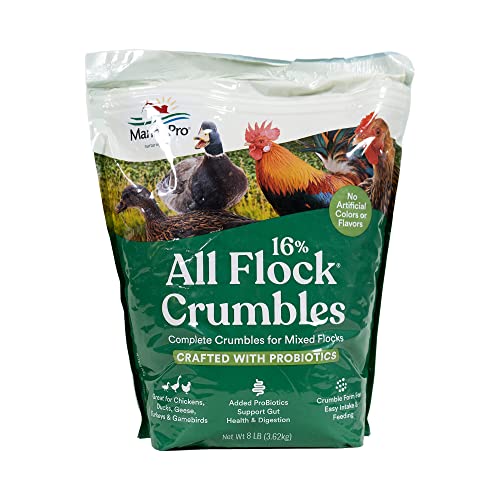
COMPLETE ALL FLOCK FEED FOR MIXED BACKYARD FLOCKS: Versatile poultry feed & all flock feed designed to support chickens, ducks, turkeys, geese, & more; a balanced bird food that simplifies feeding a diverse species in your backyard or homestead
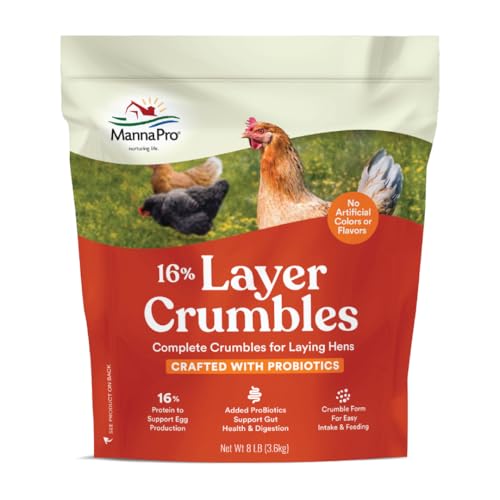
COMPLETE CHICKEN FEED FOR LAYING HENS: Manna Pro Chicken Feed delivers complete nutrition designed for laying hens, supporting strong egg production, healthy feathers, and overall wellness; balanced formula helps maintain optimal health in backyard flocks