If you’re standing in the Tractor Supply aisle feeling overwhelmed, you’re not alone. They carry dedicated layers like Rhode Island Reds and Black Sex Links — pushing 250–300 eggs yearly — plus dual-purpose birds like Australorps if you want eggs *and* meat. Prices run roughly $6–$11 per chick, with a ten-bird minimum. Match your breed to your climate before you commit. Stick around — there’s a lot more worth knowing before you buy.
What Chicken Breeds Does Tractor Supply Carry?
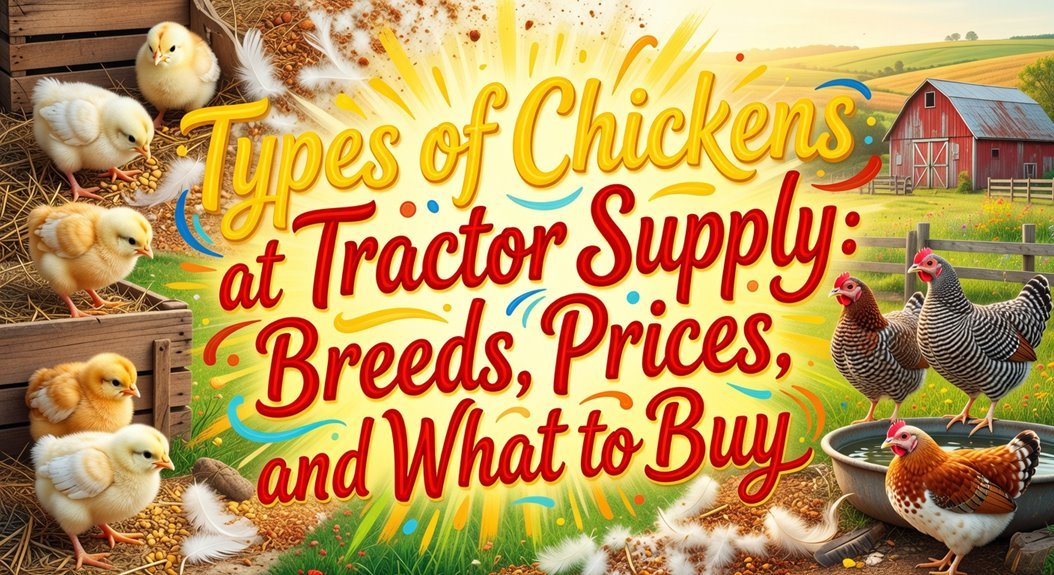
If you’ve ever stood in the Tractor Supply chick aisle staring at a bunch of cardboard bins labeled “Assorted Pullets” wondering what exactly you’re bringing home, you’re not alone. Here’s the thing — Tractor Supply actually carries a surprisingly solid lineup once you know what you’re looking at.
You’ve got dedicated egg layers like Rhode Island Reds and Prairie Bluebelle Eggers, dual-purpose birds like Australorps and Delawares, ornamental Cochins for backyard coop design aesthetics, and hybrid specialty layers whose egg color genetics produce everything from olive to deep chocolate brown.
Now, not every breed hits every store. Stock rotates seasonally. All right — but if you walk in knowing your priorities, you’ll walk out with exactly the right bird for your setup. If you’re after something truly unique, the Olive Egger is a hybrid created by crossing a dark brown egg layer with a blue egg layer, producing its signature dark green olive eggs. The blue egg hue in many of these hybrids comes from the same genetics that give the Araucana its distinctive turquoise shells. Consider the high egg yield of heritage breeds like the Australorp when selecting a reliable layer.
How Much Do Tractor Supply Chickens Cost?
Once you’ve figured out which breed fits your backyard setup, the next question hits fast: what’s this actually going to cost you? Here’s the thing — chick price comparison across Tractor Supply’s lineup shows packages running $59.99 to $109.99 per 10-count, so you’re averaging roughly $6 to $11 per bird depending on breed. Golden Comets land around $7 to $7.50 each. ISA Browns stretch higher. Obviously, you’re buying in minimums of ten. Now, seasonal stock trends matter here — spring demand gets aggressive, and shelves thin out fast. If you’re close to pulling the trigger, don’t overthink it. Lock in your breed, place your order, and grab free Post Office pickup. The math is solid. The decision’s easier than you’re making it. Hens typically start laying their first eggs at 18‑22 weeks of age. You can also explore NPIP‑certified breeds for added health guarantees.

Super popular with dogs and their owners! Delicious dog treats suitable for most breeds and sizes!

Super popular with dogs and their owners! Delicious dog treats suitable for most breeds and sizes!
Which Tractor Supply Chickens Lay the Most Eggs?
You want eggs — real, consistent, fill‑the‑carton‑every‑week eggs — and that’s exactly where Tractor Supply’s lineup earns its reputation. Here’s the thing: not every breed delivers the same egg production output, and season timing matters more than most people admit.
Black Sex Links are your heavy hitters — 250 to 300 eggs yearly with steady winter production, so your egg yield barely dips when days get short. Golden Comets start laying around four to five months, meaning you’re collecting eggs faster than most breeds allow.
Now, if you want variety without sacrificing numbers, Red Stars and Black Stars consistently push 250‑plus eggs annually. All right — you’ve done the research, you know what works. Pick your bird and commit. Hens will lay eggs without a rooster, but the eggs will be infertile and cannot develop into chicks. Hens typically begin laying at 16 to 24 weeks of age, giving you a quick start to your egg supply.

Specifically formulated for small breed dogs to support all life stages including growing puppies and adult dogs


Should You Raise Meat Birds or Dual-Purpose Chickens From Tractor Supply?
Waiting months for results or settling for mediocrity across the board — that’s the real frustration here. Here’s the thing: your market decision comes down to one honest question. What matters more, speed or versatility?
If you want maximum meat fast, Cornish Crosses are ready in months. Yes, the flavor taste is blander than dual-purpose breeds — that’s a genuine trade-off, not a rumor.
Now, if you’re eating surplus roosters, hatching your own chicks, or wanting decent eggs alongside table meat, dual-purpose breeds like Barred Rock make obvious sense. They’re slower, sure, but harder, tastier, and more economical long-term.
This one’s for you if you hate buying both a layer flock and a meat flock separately. Pick dual-purpose. Problem solved. You can even tell them apart at day-old stage by checking whether the chicks have wide, massive legs or slim, close-together ones. Broiler parent birds are kept separately for egg production. Tractor Supply also offers seasonal Chick Days events where you can purchase live meat bird chicks directly in‑store.
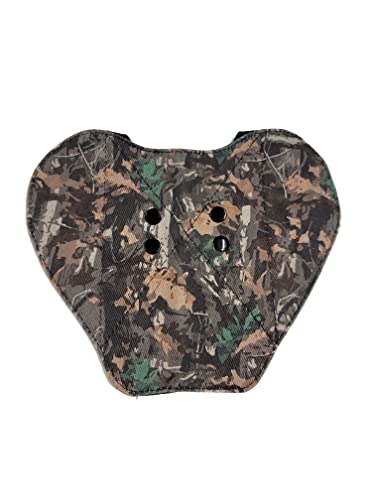
Designed for maximum protection, safety, and comfort by backyard chicken keeping author and consultant, Kathy Shea Mormino, The Chicken Chick

COMPLETE STARTER FEED FOR CHICKS: Specifically formulated for chicks from hatching to 16 weeks, this non-medicated chick starter feed delivers balanced nutrition and essential nutrients to support strong, healthy early growth and development.

Which Tractor Supply Chicken Breed Fits Your Flock?
Choosing between meat birds and dual‑purpose breeds narrows your flock’s purpose down fast — but once that decision’s made, you’ve still got a lineup of specific breeds to sort through, and that’s where most people stall out.
Here’s the thing — your climate and preferred egg color matter more than most people realize. You want cold‑climate hardiness? Light Brahmas handle frigid winters beautifully. You want colorful eggs without fuss? Olive Eggers deliver. Now, if steady brown‑egg production is your priority, Rhode Island Reds just work — obviously.
This one’s for you if you want a breed that fits your *actual* setup, not someone else’s ideal flock. Match the bird to your winters, your coop, and your egg carton goals — then commit. Consider the dense insulating feathers of cold‑hardy breeds for added winter protection. Ameraucana hens can produce up to 250 blue‑green eggs per year, making them a reliable source of colorful eggs.