You’re staring at that bare bottom wondering if it’s normal, but here’s the thing: seasonal molts start at the head, not the tail. If only the vent is bald, you’re likely dealing with lice hiding where hens can’t groom or a broody hen plucking her own chest. Obviously, fixing this means boosting protein or isolating her to break the cycle. Don’t guess when a quick check solves it; keep going to spot exactly which culprit you’re facing.
Is Normal Molting Causing Bottom Feather Loss?
Although watching your hens turn into raggedy bare-butted strangers feels like a crisis, you’re probably just witnessing the annual molt doing its messy work. This season shedding starts at the head and drifts down, eventually hitting their bottoms as part of a full-body reset. You’ll see pin feathers poking through soon, proving new growth is underway. It’s all driven by a hormonal shift triggered by shorter days, diverting energy from eggs to feathers. Obviously, they look ridiculous for weeks, but this isn’t disease. The bald patches resolve naturally within six months without lingering issues. Don’t panic if egg production slows; their protein reserves are busy rebuilding plumage. Just boost their feed protein and wait. If you see sequential loss and no inflammation, this is simply nature’s way of saying “upgrade time.” Trust the process, and your flock will bounce back fluffy and ready. Remember that light changes, such as removing nightlights, can also initiate this molting process outside of typical seasonal timing.

High Calcium Chicken Grubs: Compared to traditional dried mealworms, our BSFL dry powder insect feed boasts 85x calcium. This high calcium content enhances eggshell strength and promotes bone health in your hens, ensuring they lay sturdy eggs. Perfect for supporting robust egg production and overall poultry well-being.
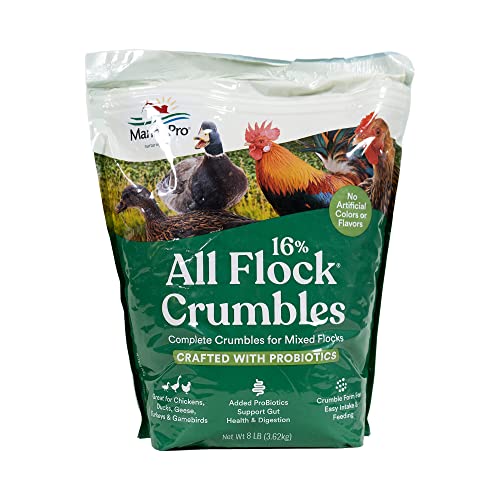
COMPLETE ALL FLOCK FEED FOR MIXED BACKYARD FLOCKS: Versatile poultry feed & all flock feed designed to support chickens, ducks, turkeys, geese, & more; a balanced bird food that simplifies feeding a diverse species in your backyard or homestead

MEDICATED CHICK STARTER FEED: This complete chicken feed is made with added Amprolium to aid in the prevention of coccidiosis, and contains 18% protein for weight gain, our chicken food is essential for your young birds.
Check for Red Mites and Lice Around the Vent
Since your hens can’t reach that tricky spot near their tail feathers to groom themselves, it becomes a five-star resort for lice and mites to throw a party you didn’t invite them to. You’ll spot straw-colored lice scurrying away from light or white crusts clinging tight. Red mites are sneakier, hiding in coop cracks by day and feasting at night. Here’s the thing: you need a proper vent vent inspection to catch these freeloaders early. Gently part feathers near the base; if you see tiny grey dots, don’t panic. Try mite crushing on a white paper towel. A red streak confirms blood-sucking guests. Obviously, daytime checks miss nocturnal mites, so grab a torch after dark. These pests multiply fast, turning a small itch into a bald bottom disaster within weeks. Don’t wait until your flock looks ragged. A quick weekly check saves feathers and sanity. Grab your flashlight tonight; stopping this infestation now is easier than fixing bare bottoms later.

【Intelligent Automation】 - Automated light control for poultry with customization schedules.

𝐁𝐎𝐎𝐒𝐓𝐒 𝐖𝐈𝐍𝐓𝐄𝐑 𝐄𝐆𝐆 𝐏𝐑𝐎𝐃𝐔𝐂𝐓𝐈𝐎𝐍: Adding chicken coop lights for winter provides extra light to your chicken coop, extending the perceived daylight hours. This helps maintain and boost egg production, especially during the shorter days of winter.
Is Broodiness Behind Your Hen’s Bare Bottom?
When you’re staring at a bald patch on your hen’s backside, it’s easy to panic and assume the worst, but hold your horses before you break out the mite spray. That bare spot might just be your hen going broody. She’s stuck in a hormone cycle, sitting tight to hatch eggs she isn’t even laying. You’ll notice she puffs up, growls, and refuses to leave the nest box. Often, she plucks her own chest feathers to warm those imaginary chicks, making the baldness look like it’s on her bottom. Nest disturbance helps break this trance; remove any eggs immediately. If she stays stubborn, isolate her in a wire cage for a few days to cool her down. Once she snaps out of it, those feathers grow back fast. Trust me, checking for broodiness saves you unnecessary worry and expensive treatments today.
Stop Feather Pecking by Fixing Protein Deficits
Feathers are basically protein bars your chickens eat off each other when you skimp on the good stuff. You see them pecking bare bottoms because they’re starving for amino acids, not just being mean. Methionine is the real culprit here; without enough sulfur-rich building blocks, your flock craves feathers to fill the gap. Don’t dilute their feed with extra corn, or you’ll worsen that deficit immediately. Instead, try Methionine supplementation to fix the root cause fast. You can also toss out some protein‑rich treats like mealworms during heavy molts to stop the bullying dead in its tracks. Obviously, switching to a higher-protein starter feed works wonders too. Stop guessing and start feeding what their bodies actually demand. Your hens will stop snacking on each other once you give them the real deal they need. Low protein levels in feed also predispose chickens to diseases like Marek’s disease that can cause additional feather loss.
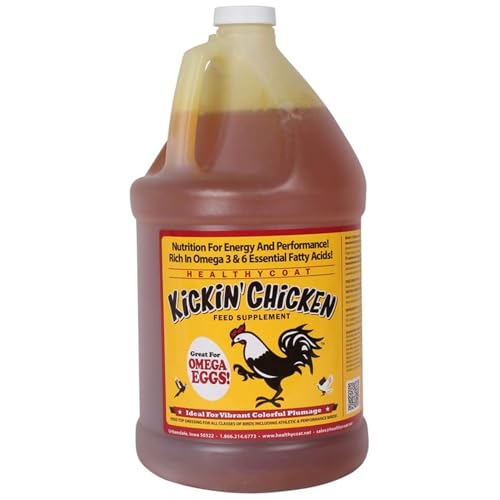

{Healthy Flock} Proper nutrition and a well-balanced microbiome can help your poultry defend against dangerous pathogens. Brewer's Yeast with Probiotics, Prebiotics and Niacin can help achieve exceptional health in your flock

SIMPLE FORMULA: Crafted with Corn, Milo, and Wheat for a nutritious and simple blend.
Prevent Rooster Mating Damage on Backs and Vents
Even if you’ve fixed the protein, you might still find your hens looking like they went twelve rounds with a boxer because a rooster’s mating routine is basically a contact sport for them. He grabs their heads and braces those sharp claws on their shoulders, leaving bald spots and bleeding wounds on backs and vents. Young, testosterone-heavy guys cause the worst trauma, especially if your ratio is off or he’s too big for your small hens. All right, here’s the fix: slip on rooster saddles. These cover the back, shielding bare skin from claws and allowing feathers to regrow without further pecking. You should also try spur trimming to blunt those dangerous hooks rather removing them entirely. Maintain a 1:10 ratio and add hiding spots. If he’s still aggressive, re-home him. Protect your girls now; it’s the smart move.

Protect Hens from Rooster Mating: Designed as a chicken saddle for hens, this back protector helps reduce feather loss, scratches and pecking damage caused by rooster mating

Removable Wing Protection: Designed with replaceable wing covers, this chicken saddle lets you switch between Oxford cloth and clear plastic wings for different protection needs

【Comprehensive Chick Protection】Our chicken saddle can effectively protect the feathers and body of the chicken from aggressive roosters during mating or the process of pecking or molting.It is a good protector of the health of your chicks
Reduce Stress to Stop Bullying and Feather Plucking
If your flock’s turning into a feather-picking free-for-all, you’re probably staring down a stress problem you didn’t even know was brewing. Overcrowding sparks aggression fast, so give every hen at least two square feet inside and seven inches of roosting room. Bad Perch design forces birds to compete, making weaker ones easy targets for bullies. You need smart Space enrichment too; boring chickens pick feathers just to pass the time. Hang treats or scatter grain to keep them busy foraging instead of fighting. Obviously, glaring lights and hot coops make everyone cranky, so boost ventilation and dim those bulbs. Check their diet because protein gaps drive them to eat feathers directly. Fix these issues now before the whole flock joins the chaos. You’ve got the fixes, so stop the pecking today and watch your birds thrive again.
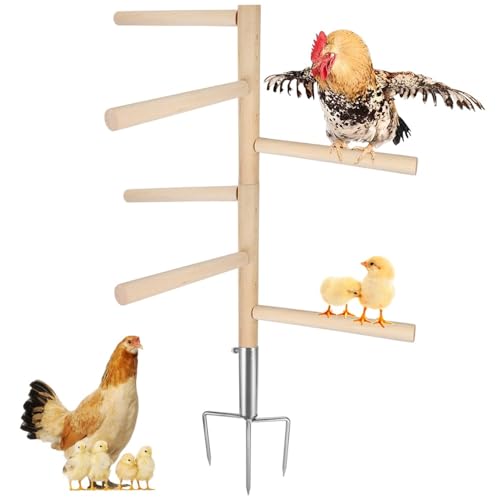
【Premium Durable Materials】: Made of ultra-hard beech wood & rust-resistant stainless steel tripod base, outperforming flimsy pine perches. Withstands heavy use by all chicken sizes.

【Funny Chicken Toys】7 Pcs chicken coop accessories contains: 2 x chicken swings, 1 x chicken xylophone, 1 x chicken pecking toy, 1 x chicken mirror with bells, 2 x hanging chicken feeder

𝐄𝐧𝐜𝐨𝐮𝐫𝐚𝐠𝐞𝐬 𝐍𝐚𝐭𝐮𝐫𝐚𝐥 𝐁𝐞𝐡𝐚𝐯𝐢𝐨𝐫 & 𝐄𝐱𝐞𝐫𝐜𝐢𝐬𝐞 With 2 swings and 3 chicken roosting bars at different heights,this chicken perch setup promotes natural climbing, balancing, and perching behaviors.Chickens stay physically engaged,reduce boredom,and develop better coordination and leg strength