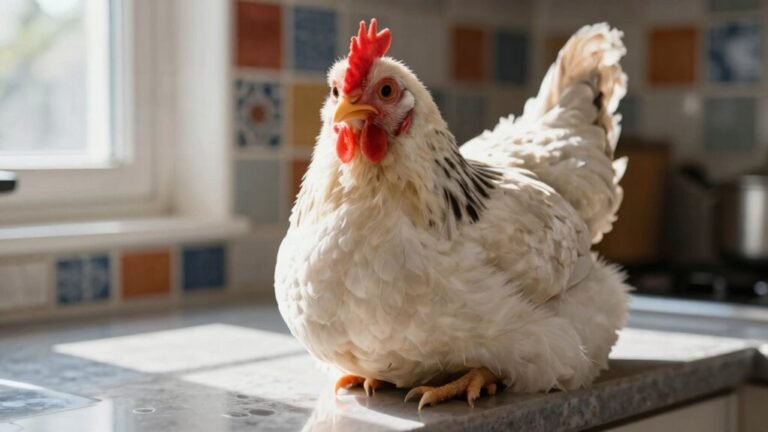
If you’ve ever cracked an egg and thought, “wait, how exactly did that come out of the same place as… everything else?” — you’re not alone. Here’s the thing: chickens have exactly one external opening, called the cloaca or vent. It handles waste, urine, and eggs all through one tidy slit. Three internal chambers keep everything organized, and a clever tissue prolapse actually shields the egg from waste during laying. Stick around, because it gets more interesting.
How Many Holes Does a Chicken Actually Have?
If you’ve ever watched a chicken lay an egg and then immediately wondered how that and everything else comes out of the same place, you’re not alone — and honestly, it’s one of those questions that feels almost too awkward to Google.
Here’s the thing: chickens have exactly one hole. One. That’s it. No separate opening for waste, no dedicated exit for eggs. Cloacal anatomy handles everything — poop, urine, eggs — through a single vent called the cloaca.
Now, egg egg density and hygiene concerns make sense here. Obviously you’d wonder if things get messy. They don’t, because the cloaca actually inverts during laying, keeping everything clean.
You’ve already done the hard part by asking. The answer’s simpler than you expected. From the cloaca, the oviduct runs upward in a long, twisted tube stretching 25 to 27 inches, connecting directly to the ovaries where eggs are formed.


Anatomical Chicken model: semi-transparent design, using the mid-sagittal section as the anatomical structure, the texture is particularly clear. You can see the internal structure more clearly and understand its movement structure.
What Is the Vent and How Does It Work?
The vent is basically three rooms sharing one front door — and once you understand that, the whole thing makes a lot more sense. You’ve got the coprodeum handling feces, the urodeum managing urine, and the proctodeum sitting closest to the exit. All three open through one horizontal slit between your hen’s legs.
Now, here’s the thing about vent anatomy that surprises most people — it’s genuinely pulling triple duty. Poop, pee, egg passage. One opening, zero complaints from the chicken.
During egg passage, the vaginal tissue actually does a controlled prolapse outward, grips the egg, deposits it, then withdraws back inside. Obviously it sounds alarming. It isn’t. Your hen’s been running that system her whole life. Trust the engineering. The vent area is also a prime spot for mite infestations, so flipping your chicken and inspecting that opening regularly can catch parasites before they spread through your flock.
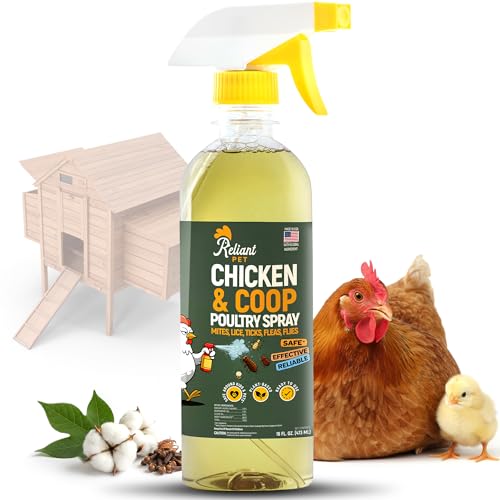
SAFE & EFFECTIVE: Our plant-based chicken mite spray delivers powerful punch without the harsh chemicals found in traditional poultry sprays. Safe to use around your entire flock when used as directed, this gentle formula is tough on mites, lice, fleas, and flies - making it the smarter, safer choice for backyard chicken keepers, small farms, and homesteaders who want real results without the risks

NATURAL AND NON-TOXIC FORMULA: Made from natural essential oils, Premo Poultry Spray is a safe alternative to harsh chemicals like permethrin and mite dusts. Veterinarian and farm approved. Apply directly on all poultry. Treat your entire flock, pens, roosts, coops, nest boxes, and yards. Enjoy peace of mind knowing that your chickens and other poultry is protected naturally and safely

NATURAL AND NON-TOXIC FORMULA: Made from natural essential oils, Premo Poultry Spray is a safe alternative to harsh chemicals like permethrin and mite dusts. Veterinarian and farm approved. Apply directly on all poultry. Treat your entire flock, pens, roosts, coops, nest boxes, and yards. Enjoy peace of mind knowing that your chickens and other poultry is protected naturally and safely
Inside the Cloaca: One Chamber, Three Systems
Beneath that single external slit lives a surprisingly organized little tri-chamber system, and once you see how it’s laid out, you’ll stop thinking of the cloaca as some biological shortcut and start respecting it as genuine structural efficiency. Here’s the thing — three distinct cloacal chambers handle three separate jobs without crossing streams too badly. The coprodeum takes digestive waste first. The urodaeum collects urinary output next, and that’s also where reproductive ducts connect in hens. The proctodaeum handles final exit duty for everything. Now, the chambers aren’t separated by dramatic walls — just gentle constrictions. But you’d be surprised how well that works. Your hen’s body figured out traffic management long before humans did, and honestly, that deserves a little respect. The entire structure exits the body through the vent, which serves as the single external opening for both waste elimination and egg laying.
Does a Chicken Have a Vagina or Just a Cloaca?
Now that you’ve got the cloaca’s internal layout sorted — three chambers, one exit, surprisingly tidy — you’re probably wondering where the reproductive side of things actually lives. Here’s the thing: yes, hens actually have a vagina. It’s a real, distinct structure roughly 10-12cm long, sitting between the shell gland and the cloaca.
Now, it doesn’t form the egg — that job’s already done. Your hen’s vagina handles rotation, expulsion, and applies the protective cuticle coating right before laying. It’s basically the finishing department.
Vaginal anatomy matters more than most people realize, especially when cloacal inflammation enters the picture. Yeast infections can compromise surrounding tissue, visibly affecting laying performance. If you’re seeing redness or buildup near the vent, that’s your first clue something’s off.

One box of 15 vH essentials pH Balanced Vaginal Suppositories

FEMININE GUMMIES: Our premium feminine gummies, rich in vitamin C, premium probiotics that balance the body's PH, promote a healthier guide microbiome, and promote a healthier odor-free vagina.
POWERFUL VAGINAL MOISTURE SUPPLEMENT: Sunergetic’s vaginal moisture supplement is formulated to help support occasional vaginal dryness, promote normal vaginal moisture, support sexual function and help reduce occasional stress. We use clinically studied KSM 66 Ashwagandha, which has shown to help promote a healthy mood, relaxation and increase arousal and lubrication. Our vaginal moisture & mood supplement can help women dealing with difficulties of occasional vaginal dryness and low mood. Try our vaginal moisture capsules today to help you feel the difference and support intimacy.
How Do Chicken Eggs Pass Through Without Touching Poop?
If you’ve ever cracked open a freshly laid egg and wondered how something that shares an exit with digestive waste comes out looking completely clean, you’re not overthinking it — that’s actually a brilliant biological question. Here’s the thing: your hen’s body has this handled through cloacal sealing, where vaginal tissue literally everts and shuts off the intestinal opening completely while the egg passes through. Nothing crosses. Now, once the egg exits, bloom protection kicks in — a fast-drying protein layer sealing every microscopic shell pore against bacteria. Any poop you find on shells? That happened after laying, in the nest. Keep your coop clean, and you’ve already solved the contamination problem before it starts. Nature did the hard part.

Eliminate Ammonia Instantly: Our enzymatic chicken coop cleaner neutralizes ammonia at the source for a smell-free home for chickens and ducks. A fragrance-free coop deo spray, it dissolves odors deep within wood, sand, and bedding without using perfumes

100% natural mineral odor eliminator for chicken coops - contains no perfumes, additives or chemicals

NO ADDITIONAL WATER NEEDED, JUST SPRAY AND GO: Chicken Coop Cleaner is a unique natural solution that is easy to use for experienced & new chicken coop owners; Our strong formula is highly concentrated and requires no additional water to use
Why Chicken Egg Contamination Comes From Outside, Not Inside
So we’ve established that your hen’s body does something genuinely impressive during laying — sealing off the intestinal tract completely so the egg never touches waste on its way out. Here’s the thing, though: that protection ends the moment the egg hits the nest. External shell contamination is where your real problem lives. Dirty bedding, soil contamination from manure, dusty air — all of it deposits bacteria directly onto the shell surface. Shell integrity matters enormously here because thin shells or large pores let bacteria work inward. Now, Salmonella Enteritidis is the one serotype that actually colonizes egg contents internally, but most contamination you’re dealing with is purely surface-level. Egg sanitation — frequent collection, dry cleaning, refrigeration — handles that risk better than you’d expect.