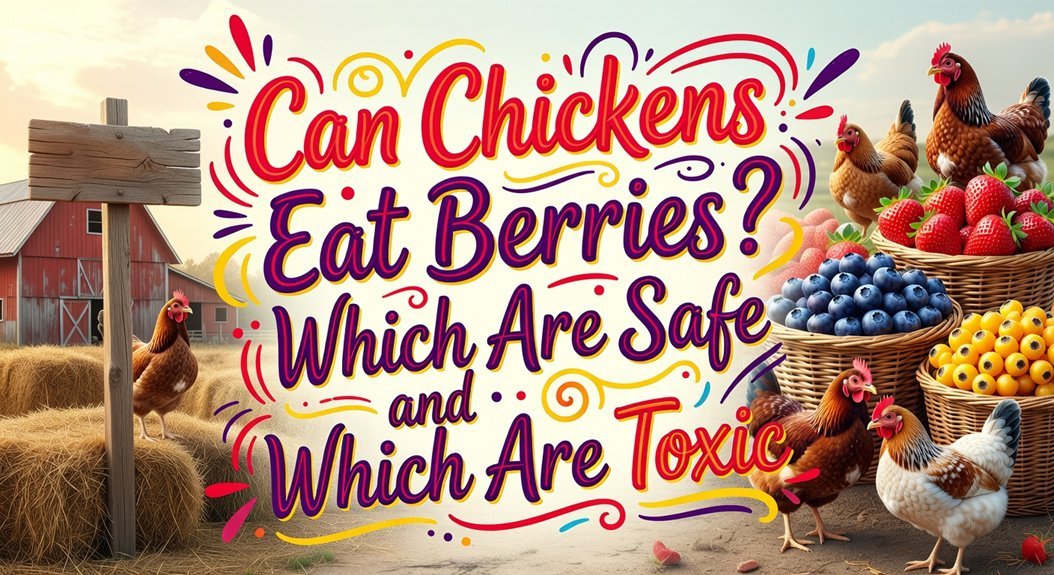
You’re staring at that berry bowl, terrified you’ll poison your flock instead of treating them. Relax, you’ve got this. You can safely feed blueberries, raspberries, and strawberries for a vitamin boost, but you must strictly avoid nightshades and unripe elderberries that pack a cyanide punch. Obviously, treats stay under 10% of their diet to prevent diarrhea. Now, if you want to know exactly how many berries per bird keeps eggs plentiful and bellies happy, stick around.
Can Chickens Eat Berries Safely?
Look, you’re standing there with a handful of berries wondering if you’re about to poison your flock or just give them a fancy snack, and honestly, that hesitation proves you’re a good owner. Here’s the thing: berries pack serious berry nutrition, offering antioxidants and minerals that boost immune function while hydrating your birds during summer heat. But don’t go crazy. You must keep treats at ten percent of their total chicken diet, or you’ll risk diarrhea and reduced egg production. Obviously, two or three berries twice a week is the sweet spot. Too many causes digestive upset and protein deficiencies, turning a healthy treat into a messy problem. Your flock needs balanced feed first, with berries acting as occasional enrichment. So, toss them a few now and then, watch them peck happily, and rest easy knowing you’re feeding them right without crossing the line into overindulgence today. Remember that chickens naturally avoid green fruit on elderberry plants because unripe berries contain toxins harmful to their health.

100% natural foraging treat that stimulates chickens mind & natural behaviors.

Quality Recipe: These Nutro dog training treats contain no chicken by-product meal, no corn, wheat, or soy protein, and no artificial preservatives or flavors although trace amounts may be present due to potential cross-contact during manufacturing

IRRESISTIBLE FLAVOR: Your dog will love the big, bold flavor of our Pumpkin & Blueberry Biggies! Made with real pumpkin and blueberries, these treats are designed to satisfy even the most discerning pups while keeping tails wagging with joy
Which Berries Are Safe for Your Flock?
Now that you’ve got the portion sizes down, you’re probably staring at the produce aisle wondering which specific berries won’t turn your coop into a disaster zone. Don’t sweat it; blackberries, blueberries, strawberries, and raspberries are your flock’s new best friends. They’re packed with Vitamin C and antioxidants that boost egg production and fight stress. Just remember, moderation is key because too many treats cause messy diarrhea. You’ll want to master seasonal sourcing to grab fresh alpine strawberries or rowan berries when they’re ripe. For winter, perfect your berry storage by freezing them; it creates cool snacks for hot days later. Avoid commercial strawberries if you can, since they often carry heavy pesticides. Homegrown is obviously safer. So, skip the guesswork and start planting those chicken-friendly bushes today. Your hens will thank you with healthier eggs and happier clucks.

This item is sold in a case pack. It includes 6 full size units.


Ideal blend of nutrients and minerals to enhance plant growth, nature itself has created the perfect plant food. We have taken nature's perfection and made it easily accessible for farmers and gardeners. Our all-purpose 4-2.5-2 NPK provides comprehensive health for your garden or lawn.
What Toxic Berries Must Chickens Avoid?
Why risk turning your treat time into a tragedy when a few wrong berries can shut down your whole flock? You definitely don’t want that. Elderberry leaves, stems, and even immature fruit produce deadly cyanide, while mature ones still pack a toxic punch. Nightshade family members like goji, garden huckleberry, and gooseberry contain solanine, causing heart failure or worse. Daphne berries offer zero safe consumption levels, so yank them out immediately. Even apple seeds hold cyanide, triggering seizures if eaten in bulk. Unripe berries broadly threaten your birds, including green tomatoes full of harmful tomatine. Obviously, you must practice strict chicken avoidance regarding these specific plants. Don’t gamble with toxic berries lurking in your garden. Your flock trusts you to keep their snack bowl safe, so stick to known safe options and leave these dangerous delights alone. It’s really that simple.

LARGE 30 LB CAPACITY:Holds up to 30 pounds of feed—perfect for flocks of all sizes. Reduce refill frequency and keep your chickens happy and full.

[12 Feeding Ports - Faster Feeding] Improve coop efficiency and reduce competition. This automatic chicken feeder features 12 ports, allowing 10+ hens to eat at once without crowding. Designed as a chicken coop feeder and poultry feeder, it helps reduce pecking-order stress so even timid hens can feed comfortably. Ideal for growing flocks and backyard chicken keepers

Easy install, come with a 3.15"/80mm hole saw, make an outdoor chicken feeder in a minute
How Do Berries Improve Chicken Health?
Since you’ve already sweat the toxic stuff, let’s talk about why tossing a handful of blueberries into the run actually pays off for your flock’s health. You worry about sick birds, right? Well, berries fix that. They boost the gut microbiome by increasing good Lactobacillus while killing nasty E. coli. Obviously, fewer bugs mean fewer vet bills. Now, consider stress. Anthocyanins in these fruits trigger antioxidant enzymes that zap free radicals, protecting blood cells from damage. This isn’t just theory; bilberry extract literally enlarges immune organs like the bursa of Fabricius. You get heartier chickens naturally. Plus, soluble fiber keeps them full without packing on pounds. It’s a simple swap that fights inflammation and prevents infections better than some antibiotics. So, skip the guesswork. Toss those berries today and watch your flock thrive with genuine, science-backed essential.

REAL CHICKEN MEAL: Made with chicken meal as the number one ingredient, this grain free recipe delivers concentrated protein to help support strong muscles in cats and kittens alike.
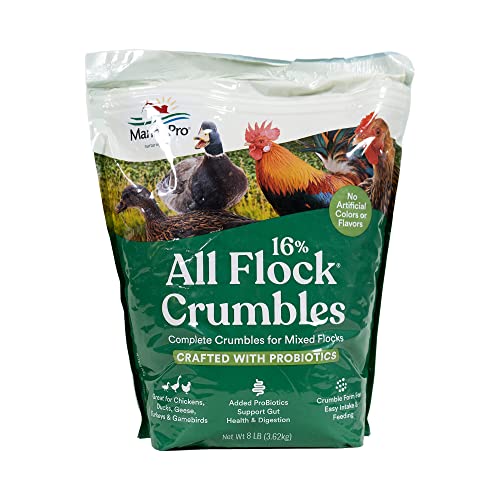
COMPLETE ALL FLOCK FEED FOR MIXED BACKYARD FLOCKS: Versatile poultry feed & all flock feed designed to support chickens, ducks, turkeys, geese, & more; a balanced bird food that simplifies feeding a diverse species in your backyard or homestead
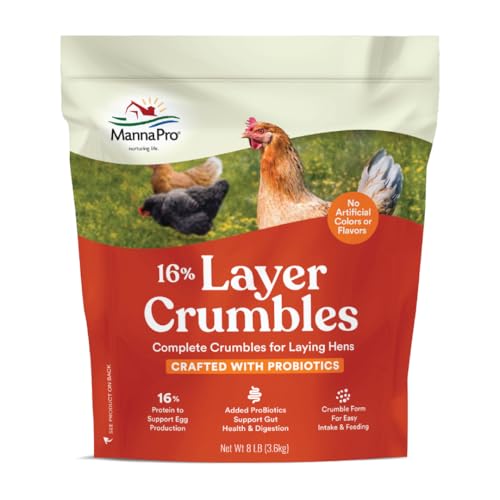
COMPLETE CHICKEN FEED FOR LAYING HENS: Manna Pro Chicken Feed delivers complete nutrition designed for laying hens, supporting strong egg production, healthy feathers, and overall wellness; balanced formula helps maintain optimal health in backyard flocks
How Many Berries Should Chickens Eat?
Two or three blueberries are all you really need to toss your flock before things get messy. You want happy hens, not picky eaters ignoring their real food. Stick to the 90-10 rule because treats shouldn’t topple their balanced diet. Obviously, you can’t feed berries daily without causing trouble later. Aim for twice or three times weekly max. Now, consider Seasonal availability; autumn berries supplement scarce greens nicely, but don’t overdo it just because they’re plentiful. Proper Berry storage keeps them fresh longer, ensuring you don’t waste money on moldy snacks. Chop them up so nobody chokes. This approach works for strawberries too. You’re balancing fun with nutrition here. Keep portions tiny and watch their reactions closely. If they love it, great, but remember feed comes first. Make that smart choice today for a healthier coop tomorrow. Ensure the snack remains a tiny plain portion to prevent interference with their regular diet.
Why Does Overfeeding Berries Cause Harm?
Look, you might think tossing a handful of berries is just being nice, but overdoing it actually turns a tasty treat into a health hazard for your flock. You cause nutrient dilution when those sugary snacks displace essential feed, leaving your hens deficient in essential proteins and minerals. Obviously, this imbalance invites fatty liver disease and weak eggshells. Here’s the thing: excess vitamin K disrupts clotting, while high sugar triggers a dangerous gut microbiome shift. That shift leads straight to diarrhea and metabolic strain. Your chickens gain unhealthy weight, suffering footpad lesions and sluggishness from the calorie overload. Reproductive issues follow quickly, with egg binding or deformed shells becoming common nightmares. Don’t let love become poison; stick strictly to that ten-percent treat rule. Keep their diet balanced, and your birds will thrive without the scary side effects of your generosity. Excessive treats also disrupt proper nutrient balance and contribute to obesity when portion sizes are not carefully monitored.
What Is the Best Way to Prepare Berries?
You’ve just learned how too many sweets wreck your flock’s health, so now you’re probably staring at a carton of berries wondering how to serve them without causing another disaster. Don’t panic. You can freeze treats in ice cube trays for easy portion control or build massive frozen blocks with layered greens. Obviously, fresh berries work great too; just toss them on the ground for natural foraging. If you’re dealing with thorny varieties like rosehips, freezing them actually makes consumption safer and easier. Proper berry storage in your freezer guarantees quality lasts months, effectively handling your seasonal preservation needs so summer treats survive winter. While blending creates smoothies, whole frozen chunks often encourage more pecking activity. Now, pick a method fitting your schedule. Whether you choose quick cubes or elaborate blocks, your chickens will love the cool enrichment. Go ahead and grab those containers; your flock is waiting. Additionally, scattering these treats allows your birds to naturally weed and fertilize the area with their droppings while enjoying the snack, turning feeding time into a garden maintenance session that leverages their instinct to weed and fertilize.

Food-Grade Silicone: This ice cube tray is made from high-quality food-grade silicone. It is BPA-free and safe for the whole family. It withstands temperatures ranging from -40°F to 447°F and is suitable for use in ovens, freezers, and dishwashers, making it an ideal alternative to plastic containers and disposable food storage bags

Food-Grade Silicone: This ice cube tray is made from high-quality food-grade silicone. It is BPA-free and safe for the whole family. It withstands temperatures ranging from -40°F to 447°F and is suitable for use in ovens, freezers, and dishwashers, making it an ideal alternative to plastic containers and disposable food storage bags

SAVE TIME & REDUCE FOOD WASTE: 2 Cup, 1 Cup & 1/2 Cup sizes offer flexible portioning. The 2 Cup trays are ideal for soups, stews, chili, and full meals. The 1 Cup trays are perfect for rice, vegetables, and side dishes, while the 1/2 Cup trays work great for sauces, broth, herbs, and other small portions. Choose the right size, freeze what you need, and enjoy homemade meals with less waste and less prep time
Which Unripe Berries Risk Chicken Safety?
Since you’re already sweating over whether that green berry in the coop is a snack or a sentence, let’s cut through the noise before you toss another handful. Unripe berry toxicity hits hard with elderberries and apricots, where cyanide lurks in every green bite. You can’t trust instinct alone; while chickens dodge bad elderberries, they’ll happily munch risky nightshade fruits. Solanine in unripe tomatoes wrecks nervous systems, and stressed plants worsen the danger. Seasonal toxin variation means drought or frost spikes poison levels unexpectedly. Even apple seeds pack a lethal punch when green. Don’t gamble on “maybe safe” unripe figs or bracken ferns either. Obviously, cooking helps some toxins, but raw green nightshades remain deadly. Stick to fully ripe treats unless you want a vet bill. Your flock’s safety depends on your vigilance, so when in doubt, leave that green stuff out entirely.
How Often Can You Feed Berries to Chickens?
Usually, you’re standing there with a handful of berries wondering if you’re treating your flock or slowly poisoning their egg production, and honestly, that hesitation is smart because guessing gets expensive fast. Here’s the thing: your berry feeding schedule needs strict limits. Offer blueberries two to three times weekly, just two or three per chicken. Treats must stay under 10% of daily calories; otherwise, you risk diarrhea or reduced egg output. Obviously, complete feed remains king. Now, leverage seasonal berry sourcing during peak harvests like August through November to safely increase quantities to one or two buckets for large groups. This approach maxim antioxidants without causing protein deficiency. Don’t let enthusiasm override nutrition. Stick to this rhythm, and your hens will enjoy darker yolks without digestive drama. It’s a simple balance that keeps everyone healthy and happy.