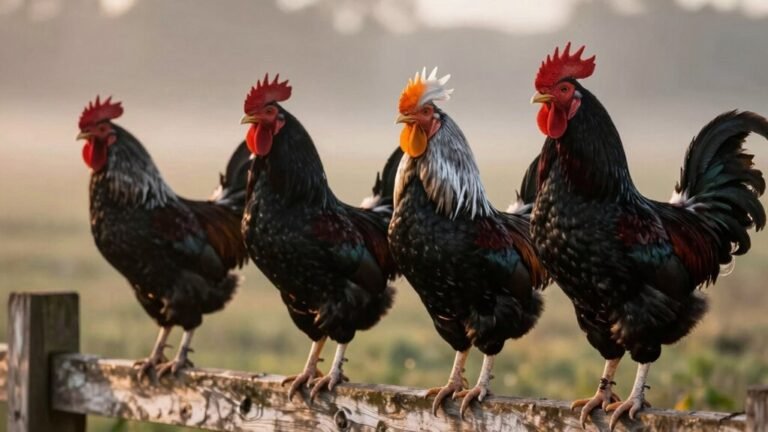
If you’ve ever spotted a chicken with a ridiculous pom-pom exploding off its head and thought, “I need that in my life,” you’re already halfway committed. Polish birds sport globe-shaped crests from a vaulted skull, Silkies bring fur-soft feathers and black skin, and Houdans grow tufts practically everywhere. You’ll trim feathers monthly, expect around 200 eggs annually, and monitor for vision blockage. Stick around — there’s a lot more you’ll want to know before choosing yours.
Which Chicken Breeds Have Feathers on Their Head?
If you’ve been scrolling through backyard chicken forums at midnight wondering why some chickens look like they’re wearing fancy hats, you’re not alone — and you’ve accidentally stumbled into one of the more delightful rabbit holes in poultry keeping. Head feather genetics vary wildly across breeds, and crested breed history stretches back centuries across Europe and Asia. Now, here’s the thing — you’ve got real options. Silkies bring fur-like softness and black skin. Polish chickens wear gloriously poofy crests caused by a vaulted skull. Houdans stack tufts everywhere. Faverolles add muffs and beards. Sultans go full theatrical with leg feathers and five toes. Among these, the Araucana stands apart because its distinctive tufts grow from a protruding skin flap called a peduncle, making it unlike any crest or muff found on other breeds. All right — each breed suits different lifestyles, so picking the right one gets easier once you know what you’re actually working with.
What Makes Each Breed’s Head Crest Different From the Rest?
So you know there are options — but now you’re probably wondering why one chicken looks like it’s wearing a pompom and another looks like it forgot to brush its hair. Here’s the thing: it all comes down to crest genetics and skull morphology working together.
Polish and Sultan breeds develop globe-shaped poms because their vaulted skulls push feathers dramatically upward. Silkies express their crest through an ectopic HOXC8 mutation, creating incompletely dominant inheritance — homozygous birds get fuller crests, heterozygous birds get less. Houdans follow similar dominant autosomal rules. Appenzellers rely more on selective breeding than extreme skull deformation.
Obviously, skull shape determines feather orientation. Now, once you understand what drives each crest, picking your breed becomes surprisingly straightforward.
What to Expect From Crested Chickens Before You Commit
Before you fall completely in love with that fluffy-headed Polish or that cloud-topped Silkie, you need an honest rundown of what daily life actually looks like with crested chickens — because the reality is a little more complicated than the Instagram photos suggest. You’re signing up for feather management, and that’s non-negotiable. Crests attract lice, block vision, and turn your bird into a pecking-order target overnight. Here’s the thing — fling risks are real too. Predators find crested birds easier to catch because those feathers delay detection. Now, none of this means you shouldn’t commit. It means you go in eyes open, inspect weekly, trim when needed, and build a secure run. Do that, and crested chickens absolutely reward you.

TARGETED SKIN & FEATHER CARE: Precision gel designed for focused application on specific grooming areas, helping maintain a clean and well-groomed appearance
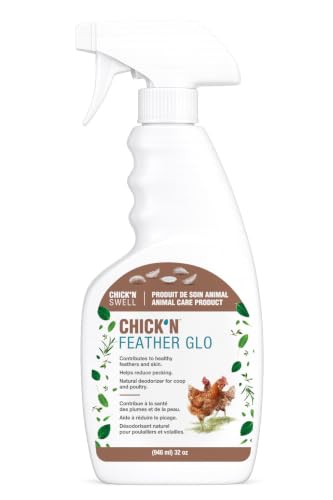
NATURAL ESSENTIAL OILS FOR POULTRY, BIRDS AND ALL FOWL: Improves feather texture and resilience in birds -Chick’n Feather Glo is veterinarian and farm approved.
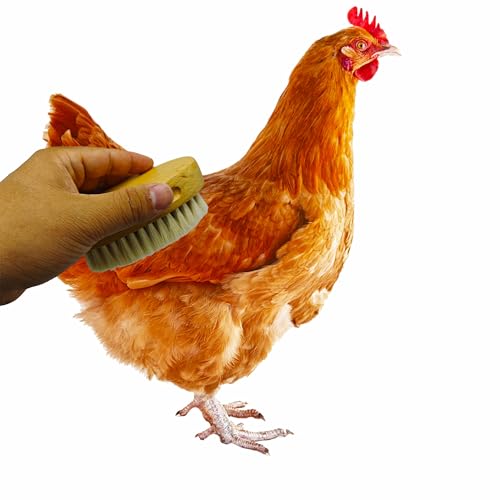
Extra-soft chicken feather brush – gentle on all feather types (including frizzles & silkies), no pulling/scratching, ideal for chicken pampering.
How to Groom and Care for Head-Feathered Chicken Breeds
You already know the commitment crested chickens demand — the secure run, the weekly inspections, the predator awareness. Now comes the grooming conversation, and here’s the thing: it’s not complicated, but it does require consistency.
Trim those crest feathers around the eyes using blunt-tipped scissors. You’re improving vision and preventing accidents — feather growth genetics means some birds grow faster than others, so check monthly. Skip any pin feathers; nicking them causes bleeding.
Bath time matters too. Warm water, baby shampoo, feather-direction washing. Soak those crests completely.
Crested health nutrition supports stronger feathers overall, so water supplements aren’t optional extras — they’re maintenance tools.
Obviously, dust baths help with parasites and oil control. Set one up and let your birds handle the rest themselves. You’re basically done.
How Many Eggs Do Crested Chicken Breeds Actually Lay?
If egg production is your main reason for keeping chickens, crested breeds aren’t going to blow you away — and that’s worth saying upfront before you fall in love with a Polish hen‘s ridiculous hat. Here’s the thing: crest genetics prioritize that dramatic head feathering over peak laying performance, which is why egg production trends for these birds plateau around 200 eggs yearly. Compare that to a Leghorn’s 320, and you’ll feel the gap. Now, that’s not terrible — you’re still getting nearly four eggs weekly. They’re non-broody, so you won’t lose months to a stubborn sitter. If you want show-stopping looks plus decent output, crested breeds deliver. If you need maximum eggs, they’re honestly not your bird.
What Color Varieties Do Head-Feathered Breeds Come In?
Once you’ve made peace with the fact that crested breeds won’t out-lay your neighbor’s Leghorn flock, here’s where things get genuinely fun — because these birds are ridiculous in the best possible way, and the color variety alone is enough to send you down a three-hour rabbit hole.
Polish give you white crests on black, blue, or splash bodies. Silkies bring buff, lavender, and paint-mottled heads. Faverolles run wheaten and salmon tones. Houdans stick mostly to black with white mottling. D’Uccles? Mahogany with black-tipped white spangles.
Here’s the thing — crested color genetics and feather pattern inheritance get surprisingly complex, fast. You’re not just picking a bird. You’re picking a palette. Now, if that excites you rather than overwhelms you, you’re already decided.
Which Crested Chicken Breed Belongs in Your Flock?
Picking the right crested breed comes down to one honest question — what do you actually need this bird to do?
If you want eggs, Legbars deliver up to 280 annually and you get auto-sexing built into their crested breed genetics. That’s genuinely useful. If you want show-stopping looks with modest production, Polish breeds are your bird. If you need dual-purpose value, Swedish Flower Hens pull serious weight — literally, at eight pounds.
Here’s the thing: every crested breed requires feathered head health monitoring to prevent moisture buildup and mite issues under those crests. That’s non-negotiable maintenance.
Now, you’re already close to deciding. Trust that gut feeling. Pick the breed that matches your actual lifestyle — not your Pinterest board.