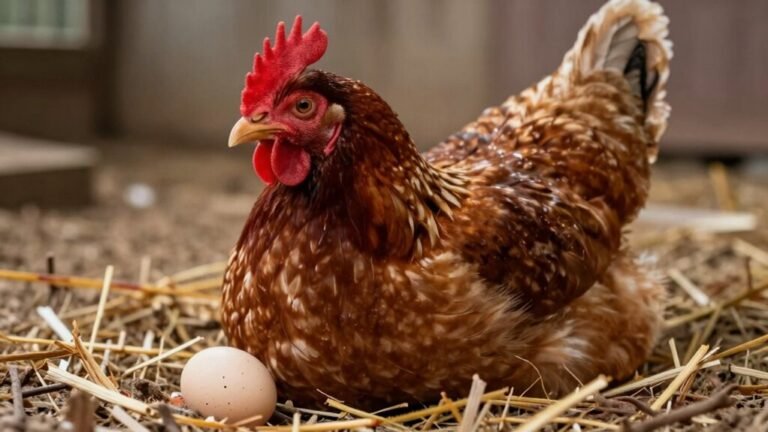
You’ll need a minimum 12-square-foot coop for three standard hens, built with 2×4 framing, plywood flooring, and 1/2″ hardware cloth for predator protection. Gather basic tools like a circular saw, drill, and tape measure. Install 2×4 roosting perches 2–4 feet high and 12″x12″x12″ nesting boxes mounted at 18 inches. Use cost-effective materials like wooden pallets or salvaged lumber to keep expenses around $650. Proper ventilation and secure locks are non-negotiable for your flock’s safety and comfort.
Determining the Right Coop Size for Three Hens
Determining the Right Coop Size for Three Hens
Getting the coop size right starts with understanding your chickens’ breed and living situation. For three standard breed hens, you’ll need a minimum of 12 square feet of coop dimensions. However, your space requirements increase considerably based on confinement levels. If your hens have outdoor run access, 12 square feet suffices. Without outdoor space, increase that to 18 square feet to reduce stress and aggression. More space is generally better for chicken health and happiness, so it’s wise to consider these factors when planning your coop. Additionally, a 4 square feet of indoor space per bird is a common recommendation for standard breeds. Providing adequate ventilation for the coop is also crucial to keep your hens healthy and comfortable.
Incorporating basic supplies like feeders and waterers will also support a smooth integration into their new environment. Breed size matters too. Bantams require only 6 square feet total, while heavy breeds demand up to 12 square feet. Medium breeds like Leghorns need 9 square feet. Additionally, you should ensure adequate nesting boxes are provided to maintain a comfortable environment for your flock. Consider your climate and local predators—solid construction within these measurements protects your flock while maintaining adequate ventilation and movement space for healthy, content birds. Multiple perches at different heights can help reduce stress among your hens and support their natural roosting preferences.

Chicken feeder - An automatic chicken feeder is the best choice for chicken farmers, the chicken feeder can hold up to 16 pounds of feed, this is especially useful for those who have busy schedules and can't always be around to feed their chickens, the automatic chicken feeder is a great way to make sure that your chickens are always well fed.
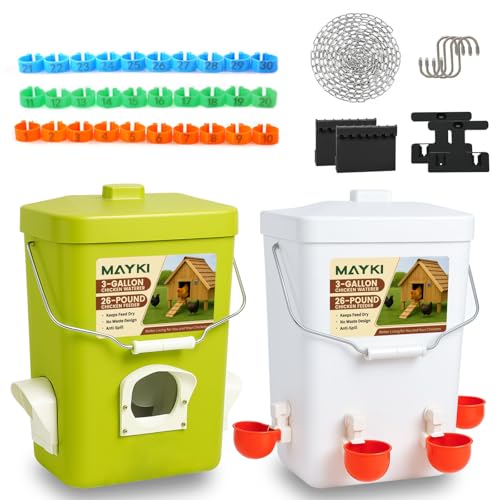
🧠 Smart Feeding, Less Mess – Our no-waste feeder ports and anti-perch cone keep feed clean and dry, preventing contamination and waste.

POULTRY WATERER & FEEDER – The value set includes a 26.5 lb feeding bucket and a 3-gallon drinking bucket, with 3 feeding ports and 4 drinking ports. It provides fresh food and water for up to 12 chickens for a week, no more daily refills! Save time and effort while keeping your flock well-fed and hydrated. Enjoy true feeding freedom.
Essential Materials and Tools You’ll Need
Once you’ve determined your coop dimensions, you’ll want to gather the right materials and tools to build a sturdy, predator-resistant shelter. Your material list should include 2×4 framing lumber, 3/4″ plywood flooring, exterior-grade siding, and roofing materials—either corrugated metal or asphalt shingles. Don’t overlook 1/2″ hardware cloth for predator protection and galvanized fasteners that resist corrosion. For interior fixtures, gather supplies for nest boxes, roosting bars, and bedding. Your tool selection needs basic carpentry items: a circular saw, drill, tape measure, level, and fastener gun. Include safety equipment like work gloves and eye protection. Consider using pocket screws for solid connections between structural components, which provide superior strength compared to traditional nailing methods. Predator-resistant hardware—heavy-duty hinges, hasps, and padlocks—completes your essentials for a secure, functional coop.

Industrial-Grade Hot-Dip Galvanized Protection: Unlike flimsy cold-galvanized wire, our hardware cloth is double-dipped in molten zinc, creating a 3x thicker coating that resists rust, scratches, and UV damage. Perfect for coastal areas, snowy climates, and humid gardens

DUAL LAYER PROTECTION – GALVANIZED + PVC COATED HARDWARE CLOTH: This black hardware cloth / black chicken wire fencing is built with hot-dip galvanized steel wire and PVC coating, providing dual protection against rust and corrosion. Stronger than standard chicken wire, chicken wire mesh, and coated chicken wire, making it ideal for long-term outdoor use.

Material and Size Specifications: Precision-engineered for versatility, this black vinyl-coated hardware cloth delivers robust performance. Each roll measures 48 inches wide by 100 feet long, featuring 1/2-inch x 1/2-inch mesh openings and a sturdy 19-gauge wire. The durable black vinyl coating adds an extra layer of protection against rust, UV rays, and wear, ensuring long-lasting service in any outdoor setting.
Step-by-Step Construction Process
With your materials gathered and workspace prepared, you’re ready to begin building your coop from the ground up. Start with foundation tips: construct your floor from pressure-treated 2x4s, butting joists to stringers and securing them with 3″ ring shank nails. Attach 7/16″ plywood using 2″ ring shank nails across the inner foundation. Build your base four feet deep by six feet long, using a single OSB sheet for efficiency. Before you proceed, check local ordinances to ensure your coop complies with building regulations in your area. Additionally, consider allocating around 60 to 80 square feet of outdoor run space for your hens to thrive. Next, tackle wall framing by cutting 4×4 posts for tall back posts and short front posts. Connect these posts with two main horizontal 2×4 supports, adding middle supports for stability. Assemble your frames, gang the 2x4s between posts, then add the final two walls to tie everything together and enhance rigidity.
Installing Interior Features and Roosting Areas
Now that your coop’s structural frame is complete, you’ll want to focus on creating a comfortable interior environment where your hens can roost, nest, and thrive. Start with roost design by installing 2×4 perches (flat side up) positioned 2–4 feet above the floor, spaced 12–18 inches apart. This setup gives each hen 8–10 inches of space and prevents crowding-related injuries. For your nesting arrangement, install 1–2 boxes measuring 12″ x 12″ x 12″ mounted 18 inches high. Place roosting perches higher than nesting boxes to discourage sleeping in boxes. Line boxes with soft bedding to encourage laying and simplify cleaning. Use removable perches and hinged boxes to maintain flexibility and streamline your maintenance routine. The deep litter method with pine shavings in your nesting boxes will help manage waste while keeping your interior clean and odor-free.
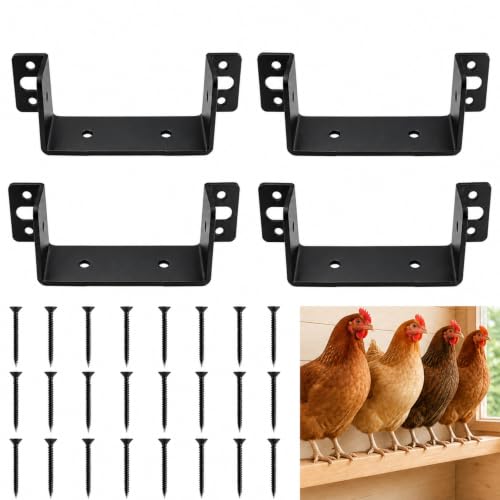
STABLE U-SHAPED ROOST SUPPORT: Heavy-duty chicken coop roost brackets securely hold your 2x4 roost bar to help reduce wobbling and shifting, creating a stable perch where chickens can comfortably rest and sleep

ADJUSTABLE FIT FOR 2x3 - 2x4 LUMBER: No more struggling with fixed-size brackets! The smart two-piece split design allows you to freely adjust the mounting distance between brackets. It effortlessly accommodates standard 2x3 or 2x4 wood boards, giving your poultry a customized, wobble-free roosting bar.

ULTRA-STABLE & SECURE ROOSTING SOLUTION: Our 4Pcs Heavy Duty Poultry Roost Brackets are designed with an innovative "U" shape to provide exceptional stability, preventing movement and swaying for a safe and comfortable roosting area for chickens, turkeys, and other poultry. Say goodbye to wobbly roosting bars!
Adding Predator Protection and Security
Because predators pose the greatest threat to your flock’s safety, you’ll need to prioritize robust protection measures around your coop and run. Start by installing 1/4-inch hardware cloth over windows, vents, and fencing—it’s far more durable than chicken wire against determined predators. Raccoons are known to be sneaky and persistent, making proper fortifications essential for keeping your hens safe. Additionally, choosing visually appealing and secure breeds like the Dominique for your flock can enhance both safety and beauty. It’s crucial to understand that secured coops not only protect your birds but also contribute to their overall well-being and their ability to maintain good egg production with balanced nutrition.
To further enhance protection, removing accessible food sources like chicken feed is vital in minimizing the risks posed by rodents, as they can become a threat to vulnerable chickens. Bury hardware cloth 12-18 inches underground around your coop’s perimeter, extending it outward 2 feet horizontally to prevent tunneling. Secure it with staples for a tight seal. For added security against climbing predators, consider adding a solid roof over your run to prevent access from above.
Cover your run with solid roofing and aviary netting to block aerial attacks from hawks and owls. Use predator deterrents like motion-activated lights for nocturnal threats, as raccoons are one of the most common predators of chickens.
Install two-step latches on all doors opening in different directions to outsmart raccoons. Eliminate gaps larger than 1/4 inch throughout your structure, and elevate your coop off the ground using sturdy supports.

High-quality Materials: Our hardware mesh is made of durable iron wire, galvanised or dipped plastic treatment, strong and non-deformation, waterproof and rustproof, even in the face of bad weather, it can still maintain long-lasting performance.
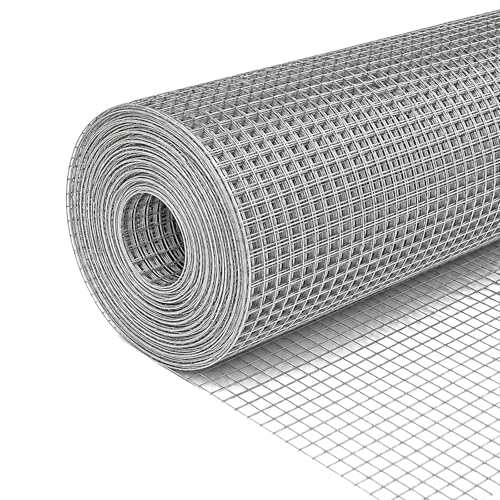
Hardware Cloth 1/2inch for Chicken Coop – 16 inch x 50 ft welded wire mesh made from 23-gauge galvanized steel hardware cloth. Provides reliable strength and flexibility for chicken wire fencing, garden protection, and general outdoor use

【Specification and Size】:Hardware cloth is 1/2 inch mesh, width: 48 inches (1.22m), length: 100 feet(30.5m), Green Vinyl PVC Coated Mesh, 19 Gauge Metal Wire,soft chicken coop fabric,mouse proof fencing,mesh screen roll
Budget-Friendly Options and Cost Considerations
You can build a functional chicken coop for anywhere from $100 to $2,000, though most DIY projects average around $650. For a small coop housing 3-5 hens, budget $1,000-$1,500 with new materials, or start with simple kits around $200.
Cost-effective designs prioritize essential materials: softwood framing at $2–$3 per board foot, exterior-rated plywood sheets at $10–$20, and corrugated tin roofing at $15–$20 per sheet. Resourceful sourcing dramatically reduces expenses. Source wooden pallets free or cheaply for prefabricated walls, salvage discarded lumber, and repurpose old fencing posts and wire mesh. Milk crates serve as inexpensive nesting boxes. Combining budget lumber with reclaimed materials lets you construct a sturdy, predator-resistant coop without overspending.
For added protection and longevity, consider applying long-lasting materials to key areas like the roof and foundation, which proves worthwhile for preventing costly repairs down the road.