
You’ve probably heard that chickens can drown in the rain, and honestly, that fear makes total sense — but it’s mostly a myth. Healthy adult chickens won’t drown from rainfall. Here’s the thing, though: soaking wet feathers destroy insulation fast, and hypothermia can kill your birds before you even notice something’s wrong. Silkies, chicks, and sick hens are especially vulnerable. Rain isn’t the killer — the cold, wet aftermath is. Stick around, because there’s a lot more your flock’s survival depends on.
Can Chickens Actually Drown in the Rain?
If you’ve ever watched your chickens standing in a downpour with their heads tilted back and thought, *oh no, they’re going to drown* — you’re not alone, and honestly, that panic makes complete sense. Here’s the thing: that’s a classic rain feather myth that’s been spooking chicken keepers for generations. Your birds aren’t drowning from rainfall. No documented cases link direct rain exposure to drowning — period. Now, real drowning risks involve water troughs or accidental entrapment, not open-sky downpours. Rain safety actually comes naturally to experienced chickens; they’ll bolt for the coop or nearest bush when storms roll in. Young birds? They’re clueless their first year, sure. But standing in rain alone? Completely survivable. You can breathe easy on this one.
Chickens can actually float briefly due to their hollow bones and air-filled feathers, making open-sky rainfall even less of a drowning threat than most keepers assume.
Why Getting Soaked Is Actually Dangerous for Chickens
So yeah, your chickens probably won’t drown standing in the rain — but that doesn’t mean getting soaked is harmless. Here’s the thing: once your chickens’ feathers become fully saturated, feather insulation basically shuts down. Water reaches skin, temperature regulation collapses, and body heat disappears fast — especially when wind’s involved.
Now, summer soakings cause discomfort. Cold-weather soakings? That’s genuinely dangerous. Hypothermia develops quickly when wet feathers combine with chilly temperatures and damp ground.
Beyond the cold, wet conditions invite respiratory infections from mold, fungal spores, and fermenting litter. Muddy runs breed coccidia and intestinal worms. External parasites explode when dust bathing becomes impossible.
Your flock’s dealing with multiple simultaneous threats during prolonged wet weather. Understanding that makes proper shelter feel less optional and more obviously essential. Silky breeds are especially vulnerable to these dangers and may require additional protection or indoor care during rainy periods.

Waterproof & Weather-Resistant – This chicken coop cover made with heavy-duty PE fabric,which can withstand up to 1000mm water pressure, keeping your coop dry. Rain or Snow, your chickens stay happy and protected!

Package Includes: You will receive a comprehensive kit featuring a chicken coop cover measuring about 4x8ft, along with 1 roll of 32.8ft rope and 10 pcs of elastic cords. This complete set will create a warmer, safer environment for chickens during the winter

【Clear Tarp Material & Light Transmission Design】Our 8x10 ft clear tarp is constructed of high-quality PE vinyl material with 8 mil thickness, featuring excellent waterproof, windproof and durable performance. This transparent tarpaulin delivers great light transmission without blocking natural sight, perfectly suitable for greenhouses, balcony fences and all kinds of daily outdoor environments.
Which Chickens Are Most at Risk in Wet Weather?
Not all chickens handle wet weather equally, and if you’ve got a mixed flock, that’s something worth paying real attention to. Young chicks are your most vulnerable group — smaller bodies lose heat fast, and large puddles become genuine drowning hazards for them. Here’s the thing: Silkies and Polish breeds look absolutely gorgeous until it rains, then their fluffy, moisture-trapping feathers become a hypothermia problem almost immediately. Feather-footed breeds — your Cochins, your Brahmas — collect mud like magnets, making feather maintenance non-negotiable during wet spells. All right, so what does this mean for you? Your rain shelter management needs to account for *who’s* in your flock, not just how many. Knowing which birds are struggling first makes every wet-weather decision smarter and faster.
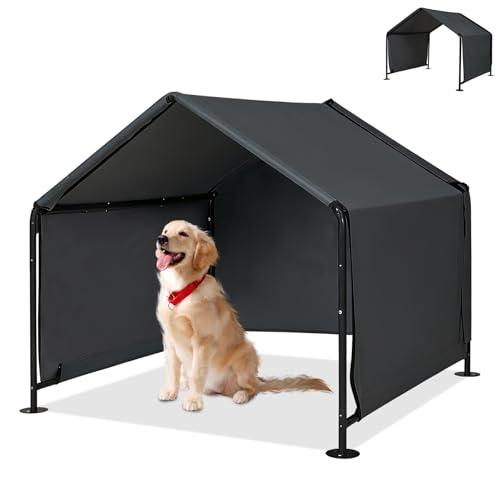
DESIGNED WITH REMOVABLE BACK DOOR: We offer an extra back door that attaches to the frame with velcro. It protects against wind and snow in winter to keep your furry friend warm and cosy. It also increases the shaded area and keeps your pets cooler in the hot summer. Our dog kennel can be used all year round

Clear Tarp Super durable and tear-resistant: Made of 14-mil thickened polyethylene material, it can withstand severe weather, UV rays and frequent use, and is not easy to crack or tear

Spacious and Comfortable Space: This dog tent is your pet's own little villa! Measuring 4x4 feet and 3.3 feet high, it provides ample space for small to medium-sized dogs and cats to move around and rest,allowing them to stretch out freely. This outdoor dog tent is suitable for dogs, cats, chickens, ducks, geese, rabbits, and other small to medium-sized animals, providing a suitable living space.
How Feather Type Determines Rain Resistance in Chickens
When your chickens come in soaked after a rainstorm, feather type is almost always the reason some birds shrug it off while others look like they’ve lost a fight with a garden hose. Here’s the thing — feather composition literally determines rain resilience. Your Rhode Island Reds and Australorps wear tightly packed contour feathers that bead water right off, while Silkies and Polish breeds have loose, barbicel-free feathers that soak through to the skin embarrassingly fast. Now, down-covered chicks? Zero natural defense whatsoever. Obviously, you can’t rewire genetics, but you *can* match your management decisions to what your birds are actually working with. Knowing your flock’s feather type makes every wet-weather decision easier, smarter, and honestly, a lot less stressful.


LIGHTWEIGHT - This 100% waterproof saddle slicker is designed to fit a little loose. Our Slicker should easily slip over your normal clothes in case you are caught in a storm, and easily get taken off and placed back behind the saddle if the skies clear. These PVC dusters are light weight making them easy to carry for you and your horse.
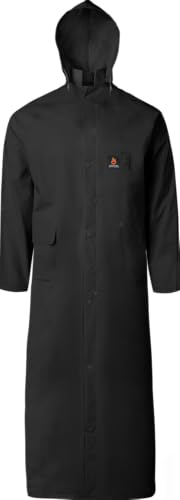
COMFORT WEAR - 60 inches long with Vented Back and Detachable Hood
When Does Rain Actually Become Dangerous for Chickens?
Light drizzle? Your hens are probably fine, maybe even happy hunting bugs. But the rain risk jumps hard when you’re dealing with pouring rain plus wind — that combination saturates even water-resistant feathers, overwhelms natural feather grooming, and strips the insulation your birds depend on. Now add temperatures below 60℉, and you’ve got a real hypothermia setup.
Watch for soaked, flat feathers, lethargy, or shivering. Those aren’t “shake it off” signs. That’s your cue to act fast and get them inside. Down feathers are not waterproof and rely entirely on dry outer feathers to maintain the insulation that keeps your birds warm.

Efficient Solar Heating Technology: Powered by polycrystalline silicon solar panels, this energy-saving pet heating blanket rapidly warms pets using 12V 50W output, ideal for chicken coops and outdoor shelters.

Upgraded Chicken Heating Pad - Our chicken coop heating pad has been upgraded. Compared with competing products on the market, ours comes with an extra flannel cover. Place the flannel blanket over the heating pad to deliver superior warmth. It also shields the pad from sharp animal claws to prevent scratches, and makes cleaning much easier.
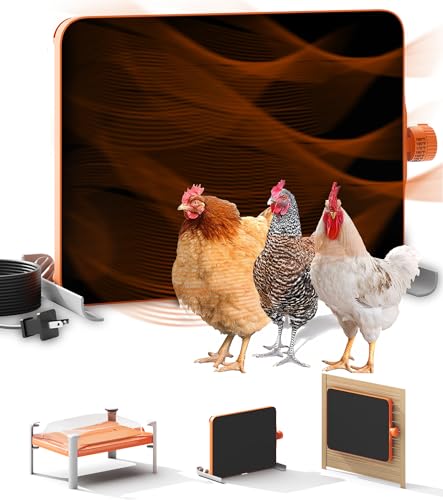
🤖SMART SENSOR, SAFE COMFORT - Effortlessly adapts to any weather! With a built-in smart temperature sensor, this chicken heater adjusts power in real-time according to the surrounding temperature to maintain your preset temperature, keeping your flock cozy without the risk of overheating or frostbite. Whether it's a winter chill or a cold snap, your chickens stay comfortable and safe all season long.
How to Protect Your Chickens From Rain and Cold
Protecting your flock from rain and cold isn’t complicated — but it does require thinking through a few layers, literally and figuratively. Here’s the thing — you’re probably already frustrated watching your hens huddle miserably in wet weather. Good rain mitigation starts simple: polycarbonate run covers, corrugated sheeting, or even an old fence panel leaning against a wall buys your birds real relief fast.
Now, coop insulation matters more than most people realize. Extra bedding like Hemp Pellets or Healthistraw dries the ground and retains warmth. Keep ventilation high — above roost level — so moisture escapes without creating drafts. Ammonia smell means you need more airflow, not less.
All right — you’ve got the knowledge. Making it happen is the easy part now. Polycarbonate run covers can be installed on the interior side of your run for better appearance and durability, making them a long-lasting seasonal solution you can remove in spring and reinstall in fall without any relabeling or re-drilling.

Package includes- You will get 11.3*6.3 FT outdoor chicken coop cover(Chicken Coop Not Included ) and ball bungees cords, this cover protects your chickens or ducks from wind, rain, snow, and sun.

Heavy Duty Material,Effective for Protection—The clear see-through tarp is made of 16mil thick vinyl material,can withstand greater tensile strength,while enhancing the stability of clear tarp.Compared to other thin tarp, it is more effective to resist the bad influence of any weather conditions,windproof, waterproof, rainproof and snow proof, keeping your chicken coop and any covered spaces dry and warm.
Heavy Duty Material,Effective for Protection—The clear see-through tarp is made of 16mil thick vinyl material,can withstand greater tensile strength,while enhancing the stability of clear tarp.Compared to other thin tarp, it is more effective to resist the bad influence of any weather conditions,windproof, waterproof, rainproof and snow proof, keeping your chicken coop and any covered spaces dry and warm.
How to Know When It’s Safe to Let Chickens Out in the Rain?
Now that your coop’s buttoned up and your run’s got cover, the next frustration hits every chicken keeper the same way — you’re standing at the door, coffee in hand, staring at a drizzly morning, wondering if you should just let the girls out or keep them cooped up another hour while they pace and squawk at you.
Here’s the thing — your rain assessment doesn’t need to be complicated. Light drizzle above 60°F with no wind? Let them out. Your shelter guidelines do the heavy lifting from there. If dry cover’s accessible, standard breeds self-regulate beautifully. They’ll head inside when they’re done. Silkies, young birds, or sick hens stay in, no debate. Trust the setup you’ve built — it’s already making this decision easier than you think.
Before you open that door, do a quick scan of your run — check feed moisture levels after any overnight rain, since wet feed turns moldy fast and sick chickens are the last thing you want to deal with on top of bad weather.