
Your chickens can survive 48–72 hours without water under normal conditions, though high temperatures above 90°F greatly reduce this to just 12 hours. They’ll last 4–5 days without food if water’s available, with laying hens depleting reserves faster. Age, temperature, humidity, and shelter considerably impact these timelines. Early dehydration signs include reduced activity, drooping wings, and labored breathing. Understanding how environmental factors shift survival rates helps you protect your flock during emergencies.
Chicken Survival Without Water
Because dehydration affects chickens rapidly and severely, understanding their survival timeframes is critical for poultry keepers. You’ll find that chickens typically survive 48-72 hours without water under normal conditions, though temperature dramatically influences this window. In temperatures above 90°F, your birds may perish within 12 hours, while cooler 50-60°F conditions extend survival to 4-5 days. Providing access to a dry, draft-free coop can also help chickens manage extreme dehydration and stress during hot weather.
Age considerably impacts resilience—chicks under four weeks die within 12-24 hours, whereas healthy adults endure longer. You should recognize early warning signs: reduced activity within six hours, drooping wings by 24 hours, and labored breathing by 48 hours.
Effective water management and dehydration prevention require consistent access to fresh water. Even 24 hours without water impairs egg laying and digestion. Sick chickens with respiratory or digestive issues dehydrate faster than their healthy counterparts. You must provide shade and ventilation to maximize survival odds and prevent permanent production losses.

【Stop the Mess, Keep the Coop Dry】 Tired of soggy bedding and constant cleaning? Our Gravity-Fed Automatic Chicken Waterer Cups feature a precision-engineered drinking valve that refills only when the water level drops. This prevents overflow and leaking, ensuring your coop floor stays dry and your poultry enjoys a cleaner environment

Chicken feeder - An automatic chicken feeder is the best choice for chicken farmers, the chicken feeder can hold up to 16 pounds of feed, this is especially useful for those who have busy schedules and can't always be around to feed their chickens, the automatic chicken feeder is a great way to make sure that your chickens are always well fed.
Chicken Survival Without Food
While water deprivation poses an immediate threat to your flock, the absence of feed presents a slower but equally consequential challenge. Your healthy adult chickens typically survive 4–5 days without feed when water remains available. However, fasting effects escalate rapidly. Within 24 hours, glycogen mobilization begins and activity declines. By 48–72 hours, measurable weight loss, lethargy, and reduced egg production occur. Immune function deteriorates after this nutritional threshold, increasing disease susceptibility.
Laying hens deplete reserves faster than other birds, becoming anorexic sooner. Young stock tolerate fasting for considerably shorter periods due to minimal fat reserves. Free-ranging chickens can forage for natural food sources that extend their survival beyond typical timelines. Beyond five days, severe muscle wasting and organ dysfunction create high mortality risk. Individual variation in age, breed, and body condition considerably alters survival timelines around this baseline.
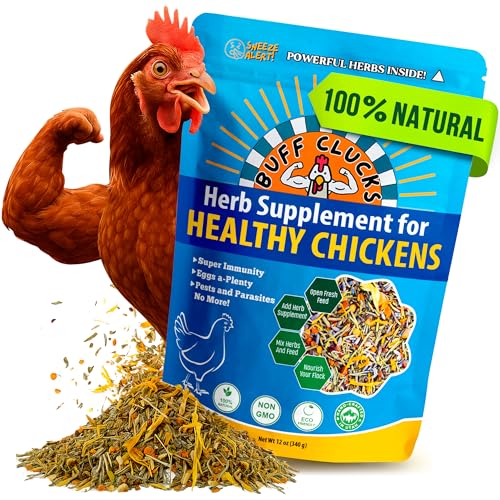
Herbs For Happy Hens: Packed with ingredients of oregano, basil, garlic, rosemary, red pepper, lavender, and calendula, this herbal chicken treat helps support your chickens. Supports strong immune systems, vibrant feathers, and calm nesting.

ESSENTIAL POULTRY GRIT FOR CHICKENS & GAMEFOWL: Premium grit for chickens made from natural granite grit for chickens, essential for grinding whole grains and improving digestive health for poultry; a must-have to include in your chicken coop accessories

High Calcium Chicken Grubs: Compared to traditional dried mealworms, our BSFL dry powder insect feed boasts 85x calcium. This high calcium content enhances eggshell strength and promotes bone health in your hens, ensuring they lay sturdy eggs. Perfect for supporting robust egg production and overall poultry well-being.
Temperature’s Impact on Survival
Environmental temperature fundamentally alters your chickens’ water loss rates and survival timeline without access to drinking water. In high heat, your birds face critical dehydration within 24 hours due to increased respiratory evaporation and thermal stress. Cold conditions extend survival to approximately 72 hours by reducing evaporative losses, though metabolic demands for thermogenesis still consume water reserves. Additionally, chickens serve as sentinels in monitoring environmental conditions, which can help inform management practices. Managing coop temperature effectively helps reduce thermal stress, particularly during high heat(the summer months). In addition, carefully managing coop insulation helps retain heat and can play a role in overall water conservation efforts during winter months. Effective water management can include winter water solutions to prevent freezing temperatures from impacting drinking sources. Regularly providing homemade chicken treats can also keep your flock entertained and engaged, reducing stress levels during extreme temperature fluctuations.
Humidity effects greatly modify heat stress outcomes. High relative humidity impairs your chickens’ evaporative cooling capacity, elevating body temperature and accelerating dehydration even at moderate air temperatures. Wind and solar radiation compound thermal stress exposure. Regular checks of your water supply are essential to prevent freezing and ensure continuous access to fresh, unfrozen water during temperature fluctuations.
Practical management—providing shade, ventilation, and cooler microhabitats—mitigates dehydration rates during heat waves. Access to electrolyte supplements temporarily reduces water loss when normal drinking water becomes unavailable during thermal emergencies.
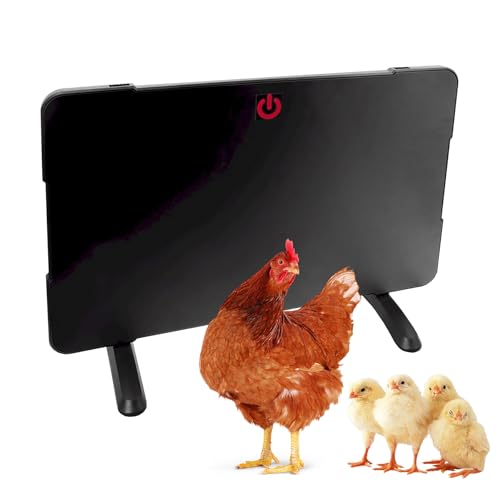
CONVERTIBLE 2-IN-1 DESIGN: For use as either a 200W chicken coop heater or a 50W horizontal brooder heater for baby chicks, this radiant panel heater provides consistent warmth

Packable Include: the packable Include 2 Set Chicken Coop Cooling System, each kit includes everything needed for effective poultry temperature control: 2 x 29.5ft water pipes, 16 misting nozzles, 16 cable ties, adapter, 20 fixing clamps, pipe cutter, plugging, and PTFE tape for immediate installation

Chicken Coop Heater: Keep your birds warm and prevent frostbite with Cozy Products Cozy Coop is a radiant heater that provides consistent, gentle heat without overheating your pets, making it ideal for outdoor coops and freezing winter temperatures.
Age and Developmental Stage Considerations
Beyond environmental conditions, your chickens’ age and developmental stage fundamentally determine how quickly their bodies deplete internal reserves and respond to feed and water deprivation. Neonate chickens rely on yolk-sac reserves for 48–72 hours, but dehydration becomes critical within hours without ideal brooder management. Their immature renal and thermoregulatory systems severely limit stress tolerance. Brooder-stage chicks require frequent water intake due to rapid feathering; mortality from water deprivation occurs sooner than from food deprivation. During the growth stage, cumulative feed restrictions cause permanent reductions in adult weight and productivity. The yolk sac provides essential antibodies from the hen that support immune function during early development. Your management practices—constant water access and multiple feeders—markedly reduce metabolic stress and starvation effects across all age groups, directly protecting your flock’s health vulnerabilities and feed requirements.
The Role of Shelter and Environment
Since your chickens’ survival without food and water hinges critically on their immediate surroundings, shelter design and environmental conditions directly determine whether your flock endures deprivation or succumbs within hours. Your environmental influence extends across multiple critical factors: insulation reduces metabolic stress by buffering temperature extremes, while adequate ventilation minimizes heat stress and respiratory disease. Shade availability within your range dramatically extends survival by reducing evaporative water losses. Stocking density matters profoundly—overcrowding accelerates local dehydration through competition at limited water points. Your shelter design choices regarding substrate moisture, predator-proofing, and feeder/waterer placement distribution directly impact resource access equity among subordinate birds. Cold conditions increase maintenance energy demands, whereas high ambient temperatures accelerate dehydration, potentially causing death within twenty-four hours without water access. Additionally, ensuring your coop has adequate ventilation helps maintain a healthy environment that can promote better overall welfare for your flock, as chickens typically can survive up to 12 to 16 hours without water in extreme heat. Furthermore, providing feather-footed chickens with proper shelter can enhance their resilience to harsh weather conditions due to their unique plumage, which offers additional protection and insulation. It’s also crucial to practice biosecurity measures in your coop to prevent infections that could further compromise your chickens’ health during times of deprivation.

*Cool & Fresh Air: The solar powered fans can provide higher wind speeds to effectively cool and fresh the air , remove dust and odors and allow fresh air to enter. It’s an excellent ventilation solution for small greenhouse, chicken coop, shed, pet house, attic, camping, window fan, Outside & Inside. Suitable for a space of 9 square meters (6ft. x 6ft)or smaller, large space can buy more fans.

🔋 【New Upgrade (Built-in Battery)】: To solve the pain points of most users, our newly upgraded solar fan for chicken coop comes with a 2500mAh battery that effectively converts solar energy into stored electricity. This allows your solar exhaust fan to keep working at night or on rainy days, meeting your daily needs.

Warm Notes: This solar fan not built inside battery backup. The fan only work well during sunny days, the performance will be dramatically reduced if the day is cloudy or any shade at the panel, stop working during rainy day or at night
Dehydration Symptoms and Health Effects
While your shelter design and environmental management create the conditions for survival, recognizing dehydration’s clinical manifestations allows you to intervene before your flock reaches irreversible physiological collapse. Early dehydration indicators include panting, pale combs, and sunken eyes—signs you’ll observe within hours of water deprivation. Additionally, chickens with distinctive plumage like Silkies may exhibit dehydration symptoms subtly due to their fluffy feathers. It’s crucial to note that well-cared-for chickens can live significantly longer, often reaching 6 to 8 years or more, depending on their environment and care. Implement hydration monitoring by performing skin-turgor tests on the shank; delayed skin return signals significant fluid loss. Watch for lethargy, wing-spreading, and reduced feed intake as progression markers. Advanced stages bring neurological complications including seizures and organ damage. Young chicks deteriorate fastest, often fatally within a single day under heat stress. Consider using electrolytes, organic oregano oil, and probiotics to support recovery during rehydration efforts. Prompt rehydration with electrolyte support restores most birds, but prolonged dehydration causes permanent organ damage or death. Your vigilant observation directly determines survival outcomes.
Recovery and Behavioral Changes
Once you restore access to food and water, your flock’s behavioral and physiological responses follow predictable recovery trajectories that reflect both immediate metabolic demands and longer-term stress adaptation. You’ll observe rapid drinking within minutes, with appetite resuming within 2–12 hours. Body weight recovers partially within 48–72 hours, though full restoration depends on deprivation duration. Crop function normalizes within 1–3 days, while hydration indicators improve within hours. However, repeated or prolonged deprivation can trigger behavioral alteration: you may notice chronic reduced foraging motivation, increased vigilance, and altered social hierarchies persisting weeks after resources return. Egg production recovery requires several weeks of stable nutrition, and preference shifts toward high-energy feeds may develop long-term.
Best Practices for Emergency Situations
Understanding recovery trajectories helps you prepare for what comes next: preventing emergencies altogether and responding decisively when deprivation does occur. Your emergency response must prioritize water access immediately—chickens show dehydration signs within hours and can’t survive beyond 48 hours without it. Deploy multiple water points to prevent competition and guarantee weaker birds drink. Your hydration strategies should include offering cool water in heat or warm water in cold weather to encourage consumption, as water temperature can significantly impact their drinking behavior. It’s also critical to ensure that your chickens have access to grit for digestion, especially after reintroducing solid food, to aid their digestive process. After prolonged deprivation, rehydrate gradually using small, frequent amounts rather than forcing large volumes. Consider oral electrolyte solutions for heat-stressed or severely weakened birds to restore fluid balance rapidly. Additionally, ensure that your chickens receive a balanced diet rich in essential vitamins to help prevent health issues like wry neck, which can complicate recovery. Incorporating alfalfa pellets into their diet can further enhance their nutritional intake and promote overall health. Monitoring crops closely for impaction during reintroduction is essential, especially after prolonged water deprivation which can affect their overall health. These decisive actions dramatically improve survival rates and expedite recovery.

SIMPLY MIX WITH WATER: Convenient powder formula that dissolves easily for quick hydration support.

Use by date: This product’s use by date is determined by the Period After Opening symbol. The Period After Opening symbol is marked by a box with a numerical number (X) followed by letter M for months. The symbol denotes that the product is recommended to be used within X months of opening
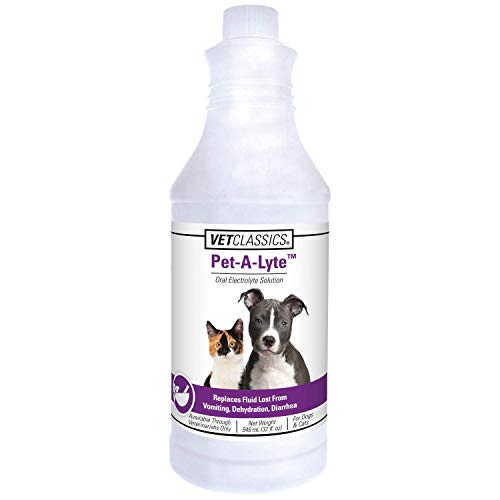
ELECTROLYTE SOLUTION FOR CATS AND DOGS: When your pets are faced with dehydration, vomiting or diarrhea, it’s important to replace the lost fluids quickly with Vet Classics Pet-A-Lyte Oral Electrolyte Solution for dogs and cats. This great-tasting liquid electrolyte solution comes in a 32 Oz. bottle and helps to help replace your pet’s fluids.