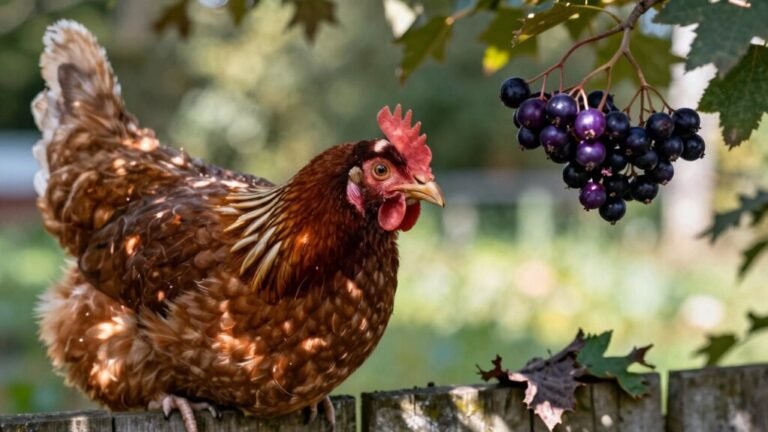
If you’ve spotted a scorpion near your chickens and you’re wondering whether to panic, don’t. Chickens absolutely eat scorpions — enthusiastically, sometimes even preferring them over regular feed. They’ll get stung occasionally, look rough for an hour or two, and bounce back completely within 24 hours. It’s genuinely safe for most healthy birds. The real question isn’t whether chickens can handle scorpions — it’s whether they’ll actually solve your scorpion problem, and that answer gets interesting fast.
Do Chickens Actually Eat Scorpions?
If you’ve got scorpions showing up around your home, you’re probably already Googling every possible solution — and somewhere along the way, chickens came up. Here’s the thing — that’s not a crazy rabbit hole. Chickens genuinely eat scorpions. Peer-reviewed research confirms it. Observed chicken behavior shows hens attacking up to 11 scorpions in under 40 minutes, sometimes choosing them over actual feed. Obviously, that’s not timid pecking — that’s full predatory mode. Now, scorpion diet aside, chickens aren’t just randomly snacking. They’re actively competing with each other for access. Scientists watched hens consume multiple scorpions within minutes without any lasting health consequences. So if you’re wondering whether this is real — it absolutely is. The homework’s done. Chickens eat scorpions, and they’re surprisingly enthusiastic about it. In one backyard video, a chicken owner discovered a scorpion while moving plants and ended up feeding the tail to their chickens, who reportedly loved it.
What Happens to a Chicken When It Eats a Scorpion?
So here’s what actually happens inside that chicken after it tangles with a scorpion — and it’s a wilder ride than you’d expect. Your hen gets stung, drops the scorpion immediately, shakes her head, and looks genuinely offended. Fair enough. Within five minutes, lethargy kicks in. Within an hour, she can’t stand. Her legs splay out, breathing gets labored, and you’re panicking.
Here’s the thing — most hens recover completely. Scorpion nutrition actually benefits them long-term, and their venom resistance is surprisingly real, especially in larger birds. Benadryl and supportive care accelerate recovery dramatically.
Now, thirty days later? Zero atypical behaviors. All hens survived. That’s not luck — that’s biology working in your favor. Chickens are tougher than you think. If you want to feed scorpions safely, boil the scorpion first and cut it into smaller pieces before offering it to your flock.
Will a Chicken Be Okay After Getting Stung by a Scorpion?
When your chicken gets stung by a scorpion, the next few hours are genuinely alarming — she’ll go limp, lose her legs, and look like she’s circling the drain. Here’s the thing: she’s almost certainly fine. Chickens carry a remarkable physiological resistance to scorpion venom that mammals simply don’t have.
Venom dosage matters here. A load that would hospitalize a small mammal barely crosses the threshold for serious systemic damage in a broiler. Most chickens regain head control first, then leg function, returning to normal dietary behavior — eating, scratching, being their ridiculous little selves — within 24 hours.
Now, monitor her hydration and keep stress low. Full recovery typically happens within a month. Honestly, your chicken’s tougher than you think.
Do Chickens Survive Long-Term After Eating Scorpions?
Will your chicken be okay not just tomorrow, but weeks from now after tangling with scorpions? That’s the real question keeping you up at night.
Here’s the thing — research actually tracked hens for 30 full days after eating multiple *Tityus serrulatus* scorpions. Zero deaths. Zero abnormal behavior. Scorpion digestion neutralizes the venom internally, and hens showed remarkable venom tolerance throughout.
Now, bark scorpions are a different conversation — those caused serious acute symptoms in one documented case.
Obviously, species matters enormously here.
But if your flock’s encountering common scorpions? The evidence strongly suggests they’ll walk away fine. Stings cause brief drama, not lasting damage. Your chickens are tougher than you think — the data backs that up completely.
Why Chickens Don’t Eliminate Scorpions on Their Own
Your chickens surviving scorpion encounters long-term is genuinely reassuring — but surviving them and eliminating them are two completely different things. Here’s the thing: scorpions win through nocturnal mismatch alone. Your flock’s asleep when scorpions are actively hunting. You’re fundamentally fielding a daytime team against a night shift operation.
Now, coverage gaps make it worse. Your chickens debug surface-level yard areas, but scorpions hide under rocks, inside crevices, and across neighboring properties your hens never touch. Hens also drop scorpions 42 times out of 61 after getting stung — so even successful encounters don’t guarantee elimination.
All right, here’s your honest answer: chickens reduce scorpion populations, but they won’t clear them completely. You’ll likely need pesticides working alongside your flock for real control.
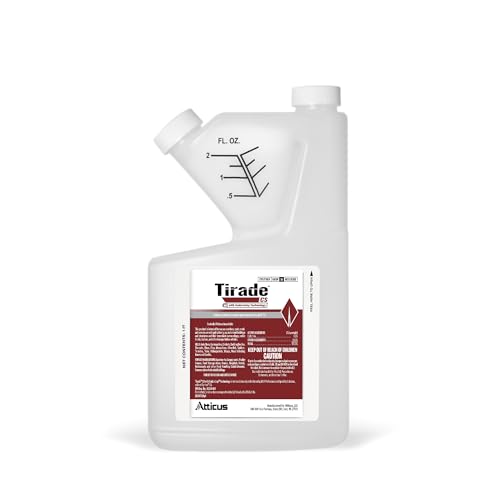
TAKE OUT BUGS INSIDE AND OUT. Tirade CS with EnduraCap Technology is labeled to use nearly anywhere bugs hide. Apply as a surface, spot, or crack & crevice treatment inside homes, schools, restaurants, and more. Target outdoor pests in residential and industrial areas with perimeter treatments. Tirade CS may also be applied in and around dog kennels, livestock barns, poultry housing, and other animal areas. See product label for complete use-site list and application directions.

ALL-IN-ONE INSECTICIDE: Professional product begins working within minutes of exposure backed by multiple active ingredients.

Effective Against: ants, cockroaches, mosquitoes, silverfish, spiders, stink bugs, darkling beetles, ticks, flies, fleas, scorpions, bed bugs.
How Chickens Starve Out Scorpions Without Ever Touching Them
Gutting the scorpion’s food supply before sunset even arrives — that’s exactly what your chickens are doing without you even realizing it. Here’s the thing: scorpions hunt at night, but their prey gets wiped out during daylight. Your flock spends all day demolishing crickets, beetles, and cockroaches — the same insects fueling nocturnal competition between scorpions and, well, everything else.
Now, this insect-scorpion prey competition runs quietly in the background. Scorpions emerge after dark expecting dinner, but dinner’s already gone. That’s not luck — that’s food chain math working in your favor.
Obviously, chickens won’t personally confront every scorpion. They don’t need to. Persistent prey depletion starves scorpion populations gradually, and owners consistently report fewer scorpions over time. Let your chickens do the work. When a scorpion does cross their path, chickens will eat it eagerly, as even a dead scorpion found in the backyard makes for an enthusiastically received treat.
What Chicken Owners Say About Scorpion Control
If you’ve spent any time in scorpion country, you already know the frustration — flip a shoe, find a scorpion, question every life choice that led you to this zip code. Here’s the thing: poultry anecdotes from Arizona chicken keepers consistently point toward real, measurable reduction in scorpion sightings. Not elimination — honest owners admit that. But fewer scorpions showing up where chickens roam freely? That pattern holds.
Now, scorpion myths suggest chickens drop dead after one sting. Obviously that concern circulates constantly online. Reality’s different — chickens are surprisingly resilient, and experienced keepers report minimal losses from scorpion encounters.
You’re already close to making this decision. The feedback from people actually living this situation gives you solid ground to step forward confidently.

Herbal Aromatic Freshness: Carefully crafted with a premium mix of calendula, basil, lavender, blue cornflower, lemon balm, rose petals, and rosemary for enhanced coop wellness. Our blend infuses your coop with the soothing scents, keeping it naturally smelling fresh and pleasant.

Keep every hen you have at sunrise: predator lights for chicken coop that work the way a flock guardian does, two red eyes flashing at 4 Hz through the night, so a fox or raccoon finds the run already claimed and moves on

[Upgraded Visual Deterrence] -- Featuring a unique, amber campfire-like flicker, this predator-deterrent device mimics the presence of a larger, aggressive nocturnal hunter. Unlike standard lights, this intense pulse triggers a deep-seated flight response in coyotes, raccoons, and foxes.
What Makes Chickens More Effective Than Pesticides Against Scorpions?
Most pesticides you spray around the perimeter of your house are fighting a losing battle — scorpions develop resistance over time, chemicals wash out after rain, and you’re back on the reapplication treadmill every few months. Here’s the thing: chickens don’t work that way. They forage daily, depleting the crickets, cockroaches, and beetles scorpions depend on for survival. Starve the food chain, you shrink the scorpion population. No reapplication. No chemical runoff. No resistance buildup. Now, think of it like trading a pesticide subscription for a living, egg-for-control system that also delivers egg production alongside pest reduction. Obviously, chickens won’t eliminate every scorpion overnight, but their continuous presence reshapes your yard’s entire pest ecosystem. That’s a trade-off worth making.

【Upgraded Predator Deterrent】: Designed with two flashing red LED lights, this solar nocturnal animal repeller mimics the glowing eyes and fire-like warning signals of large predators. The rapid strobe effect creates a strong visual deterrent that keeps intruding animals alert and away from your property all night long.


Effective Nighttime Protection: Keep unwanted animals away with this solar-powered repeller. Designed to work at night, the dual red LED lights mimic the eyes of a predator to deter nocturnal predators and protect your garden yard farm and livestock
How to Use Chickens to Control Scorpions at Home
Knowing chickens outperform pesticides is one thing — actually putting them to work in your yard is another. Here’s the thing: your biggest frustration is probably that scorpions are a nightscorpion problem, and chickens sleep at night. That’s a real trade-off you shouldn’t ignore.
Now, smart coop design matters more than you’d think. Position your coop near high-traffic scorpion zones, but avoid predator attraction by securing it properly — loose coops invite bigger problems.
All right, here’s your actual edge: henrol behavior works indirectly too. Chickens demolish crickets and cockroaches during the day, gutting scorpions’ food supply over time. Fewer prey items mean fewer scorpions, period.
You’re already close to a smart decision — chickens just need the right setup to deliver real results.

Advanced Predator-Eye Deterrent Technology: Stop nighttime invaders before they breach your perimeter. This coyote deterrent uses powerful, flashing red LEDs to simulate the glowing eyes of a larger predator, instantly triggering a flight response in coyotes, raccoons, foxes, and skunks. It provides 24/7, non-lethal protection for chicken coops, gardens, and yards—no traps, chemicals, or harm required.

Effective Nighttime Protection: Keep unwanted animals away with this solar-powered repeller. Designed to work at night, the dual red LED lights mimic the eyes of a predator to deter nocturnal predators and protect your garden yard farm and livestock

Dual Red LED Deterrence: Features rapidly flashing red lights that mimic the eyes of large predators or fire. This visual threat triggers the natural fear instinct of nocturnal animals, driving them away from your property as a visual deterrent.
How Many Chickens You Need and How to Deploy Them Effectively
Getting the numbers right is where most people either over-commit or seriously undersell themselves. Here’s the thing — chicken density matters more than most guides admit. One chicken handles roughly 120 square feet weekly, so a small suburban yard doesn’t need a flock of twenty. Fifteen chickens cleared 1,700 square feet in one week flat. Do that math for your space, and you’ll land on a realistic number fast.
Now, deployment timing seals the deal. Push your chickens out thirty minutes to an hour before dusk — that’s when insects are most active and accessible. Obviously, scorpions run nocturnal, so indirect control through eliminating their food supply is your real strategy here.
You’ve got the numbers. You’ve got the timing. All right — commit to it.