If you’ve been wondering whether chickens and guineas can actually breed together, you’re not alone — and yes, they can, but it’s messy. The resulting hybrid, called a guin-hen or numigall, is sterile, often short-lived, and nearly impossible to produce naturally without artificial insemination. Here’s the thing: these birds exist in genuine biological limbo. Stick around, because what happens to these hybrids gets even wilder from here.
Can Chickens and Guineas Actually Breed and Produce a Guin-Hen Hybrid?
So you’ve watched your rooster strut around the guinea hens one too many times and now you’re genuinely wondering whether something actually *happened* — and if so, what exactly you’re dealing with. Here’s the thing — yes, it can happen. Chickens and guineas do occasionally interbreed, especially when confined together or when your rooster’s the only male around. The result? A hybrid called a guin-hen or numigall. Now, hybrid genetics get complicated fast — these offspring carry traits from both parents but land in biological limbo. All right, breeding ethics matter here too, because you’re not creating a thriving new breed. You’re producing a sterile, often short-lived animal. Understanding that upfront makes your decision clearer and honestly, smarter. Guinea fowl are largely resistant to domestication, having retained their wild instincts even when kept alongside highly dependent, human-reliant chickens.

“Tired of sifting through smelly waste to find your mealworms?” Our 3-layer breeder box does the work for you. Place worms in the middle sieve layer – droppings fall to the bottom tray automatically. Clean frass in seconds, not minutes.

【Built-in Sifting System】: This innovative mealworm sifting container features a built-in mesh bottom that automatically separates waste from your, keeping the environment hygienic.

Designed for Live Feeders: This mealworm breeding kit is designed for breeding live feeder insects such as mealworms, super worms, and feeder larvae. Suitable for gecko, leopard gecko, lizard, frog, spider, turtle, and exotic pet feeding, helping maintain a steady insect food source
How Are Guinea-Chicken Hybrids Actually Produced?
Getting a guinea-chicken hybrid to actually exist takes more effort than just letting your rooster run loose with the guinea hens — here’s the thing, natural mating between these two species almost never works out, because their mating behaviors are wildly incompatible and the biological odds are stacked against you from the start.
Researchers had to use artificial insemination to even get viable eggs, and hybrid fertility sits around 6.65% — so you’re already working with brutal numbers. Now, scientists take it further with embryo injection, pushing 5,000–10,000 primordial germ cells into three-day hybrid embryos through a tiny eggshell hole. Obviously, you’re not doing that in your backyard. But understanding why this process is so controlled tells you exactly why accidental guinea-chicken hybrids aren’t happening naturally on your farm.
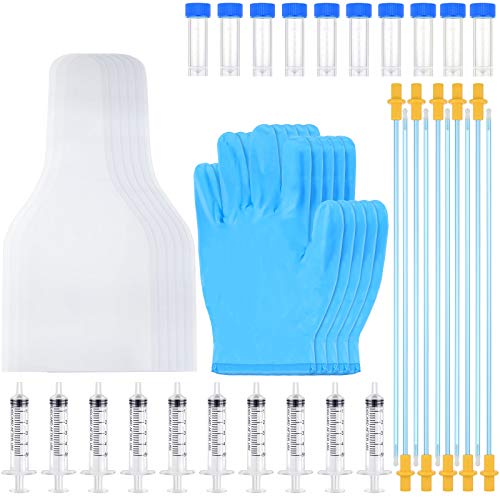
Sufficient quantity for AI breeding: the package contains 10 sets of dog breeding kit, including 10 pieces insemination catheters, 10 pieces plastic centrifuge tubes, 10 pieces semen collection bags, 10 pieces measuring syringes without needles and 10 pairs of PVC blue gloves, adequate quantity for you to undertake AI dog breeding

Good|Harbor Easy to use (8 inch | Small Breed) - 3 Kit Pack

【Dog AI Artificial Insemination Kit】: Includes catheters * 10, Centrifuge Tubes * 10, Collection Bag * 10, Dispenser(5ml) * 10,Disposable gloves * 10. All supplied required for canine artificial insemination.
Why Can’t Guinea-Chicken Hybrids Ever Reproduce?
Even when researchers crack the code on producing guinea-chicken hybrids through artificial insemination and precise embryo work, the story hits a wall fast — because whatever hatches isn’t going to reproduce, ever, full stop. Here’s the thing: genetic incompatibility between these two species runs so deep that surviving male hybrids never develop functional genitals, produce zero hormones, and show absolutely no mating interest. You’re looking at complete reproductive failure by design. Now, the reproductive barriers aren’t just about sterility — female hybrids rarely survive long enough to matter anyway. Their undeveloped organs can’t support reproduction regardless. All right, nature’s basically locked this door, bolted it, and swallowed the key. If you were hoping hybrids might eventually breed, that hope’s genuinely gone — and honestly, understanding that saves you considerable frustration.

【Premium Materials】This triangular small wooden chicken coop is carefully crafted from sturdy and enviromental wood to ensure a safe and reliable living environment for the chicks and being long-lasting.

【Waterproof & Easy Clean PVC Layer】Pull-out PVC layer at the bottom of the hutch for easy maintenance and cleaning.

Full Asphalt Roof – Keeps Coop & Animals Dry: The fully covered asphalt roof provides reliable protection from rain and harsh weather, keeping the coop interior dry, warm, and comfortable for outdoor use
What Do Guinea-Chicken Hybrids Look and Behave Like?
When a guinea-chicken hybrid actually hatches — which, as you now know, is already beating impossible odds — what you’re looking at is genuinely fascinating, a creature that can’t quite commit to being either bird.
Hybrid appearance lands somewhere in the middle — no comb, no wattle, no helmet. Just this oddly blended creature that somehow grows faster than both parents in most cases. Now, behavioral traits are equally unpredictable. Some hybrids cling to their clutch mates, others prefer guinea company, and a bold few will actually intimidate your chickens.
Here’s the thing — the more guinea-like yours looks, the better its survival odds. That’s not opinion, that’s the pattern every documented case confirms.
If you’re seriously considering this, the guinea-leaning hybrids are your safest bet. These crosses have even been informally dubbed “gikens” by those who have observed and documented them in backyard flocks.

Natural Aspen Shavings:Made of natural aspen wood and processed to reduce dust, these shavings have a fresh woody scent, are fluffy and comfortable, making them ideal for chicken coop bedding

【Folding Chicken Coop】The rabbit pen requires no assembly,saving time and storage space.Weighing just 18 pounds,even seniors can easily take the chicken tunnel anywhere by simply grabbing the handle.

Chicken Playpen with Detachable Bottom --- The bottom of the pet playpen can be removed, so that the small animals are closer to nature when used outdoors. The removable bottom can be used as a sunshade cover on the top of the cage to provide additional sun protection. Made with breathable mesh and thick Oxford fabric, this chicken pen balances ventilation and durability for various usage scenarios.
How Long Do Guinea-Chicken Hybrids Live?
If you’ve made it this far into the guinea-chicken hybrid rabbit hole, you’re probably wondering whether any of this effort produces a bird that actually sticks around — and honestly, that’s the question that should’ve come first.
Here’s the thing — longevity trends aren’t promising. Most hybrids die young because genetics variability creates real health complications: arthritis, heart problems, developmental failure. You’re not imagining it; the numbers confirm it.
Now, exceptions exist. Egbert — a guinea cock and bantam hen cross — somehow hit 10 years. Peacock-guinea hybrids topped out around four. Obviously, those aren’t your typical outcomes.
Guinea fowl live 10-15 years. Pure chickens push 7-10 with decent care. Your hybrid? Probably shorter than both. That’s the honest trade-off you’re accepting going in.

PREMIUM INGREDIENTS: This high-fiber supplement is formulated with stabilized Vitamin C and other vital ingredients to support the health of your guinea pig, rabbits, and other small pets; A perfect addition to guinea pig food and pet vitamins

SUPPORTS DIGESTIVE HEALTH IN RABBITS & GUINEA PIGS: Helps maintain healthy digestion in rabbits & guinea pigs; ideal for pets with sensitive stomachs or prone to GI stasis, promoting better gut motility, nutrient absorption, & overall digestive wellness

EASY TO MIX FORMULA: Oxbow Critical Care Herbivore blends easily with water for syringe feeding; Essential for any pet care emergency kit, this veterinarian-approved formula provides recovery support for rabbits, guinea pigs, and other herbivores