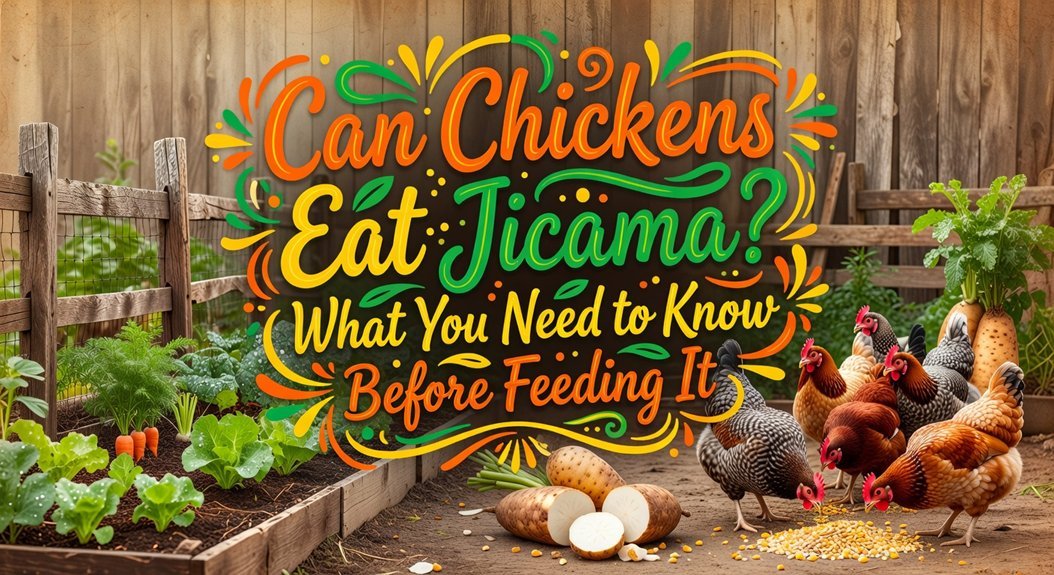
You’re staring at that weird tuber, wondering if it’s a snack or a death sentence for your hens. Here’s the thing: you can absolutely feed them jicama root, but you must peel it first and keep those toxic leaves far away. Chop it into small cubes and offer it raw to boost their immunity without the rotene risk. Obviously, don’t overdo it; treat it like a special side dish, not the main course. If you stick to these simple rules, your flock will stay healthy and happy. Keep going to uncover exactly how much to serve and what pairs best.
Can Chickens Safely Eat Jicama Root?
Look, you’re standing there with a bag of jicama, wondering if tossing it to your flock is going to turn your coop into a crime scene, and honestly, that hesitation proves you’re a good owner. Here’s the thing: peeled raw root flesh is totally safe. You won’t find toxicity reports there, just happy hens crunching away. Obviously, you must peel that tough skin first to avoid choking hazards. Cut it small or grate it for easy eating. This crunchy treat offers hydration and vitamin C, making it perfect when seasonal availability peaks. It’s a great low-calorie option among flavor alternatives to standard feed. Just keep it under ten percent of their diet so you don’t upset their tummies with excess fiber. Don’t cook it; raw preserves nutrients best. Go ahead, slice some up, and watch them peck confidently.
Why Are Jicama Leaves and Seeds Toxic?
While you’re already slicing up that safe, crunchy root for your flock, don’t let the vine’s leafy green tops fool you into thinking the whole plant is a free buffet. You might assume greens are always good, but jicama leaves and seeds pack a nasty punch. They contain rotenone, a potent natural pesticide. The rotenona mechanism works by shutting down cellular respiration in mitochondria, fundamentally suffocating your birds from the inside out. It hits their nervous system fast, causing tremors or worse. Don’t even think about seed extraction to save them; removing the toxin is technically possible but practically impossible for home keepers. The risks far outweigh any potential savings. Those dark green leaves look harmless, yet they harbor dangerous alkaloids. Stick strictly to the tuber. Your chickens’ lives depend on knowing exactly which parts kill and which parts feed. Choose safety every single time.
How Should You Prepare Jicama for Chickens?
Since you’ve already dodged the toxic leaves, don’t let a lazy peeling job ruin the whole snack. You must slice off that thick skin completely with a knife because peelers just won’t cut it, and leaving any bit behind guarantees mild digestive upset for your flock. Obviously, rotten roots from poor Jicama sourcing will spoil the party, so pick firm ones. Now, dice that crisp white flesh into tiny one-centimeter cubes to prevent choking; large chunks are a genuine hazard. Serve these fresh treats immediately in small portions alongside their regular feed. For leftovers, master your Jicama storage by sealing cut pieces in an airtight fridge container to stop browning. Unlike apples or potatoes, this root does not turn brown after cutting, preserving its visual appeal for days when properly sealed. Never offer pickled or seasoned versions, as spices harm hens. This simple prep guarantees safe, crunchy enjoyment. Go ahead, grab that knife, and watch them happily peck away at their safe, fresh treat today.
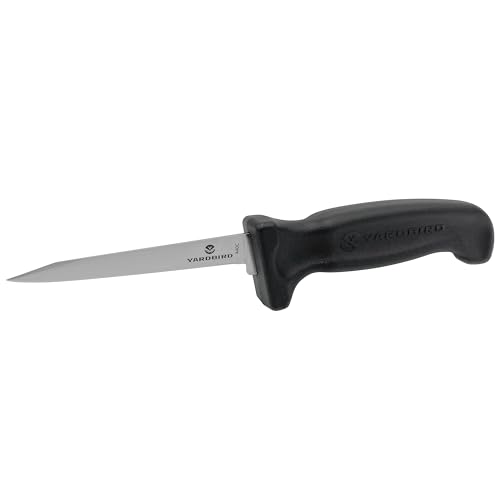
3.5" High carbon stainless steel blade

PREMIUM PERFORMANCE – Perfectly engineered curved boning knife tapered to a razor-sharp edge for effortless filleting, de-boning, trimming, skinning and butterflying of different types of meat and fish.

Dragon Riot Knife - The knife set includes 6" Boning Knife, 6" Skinning Knife, 8" Butcher Breaking Knife.The butcher knife set can easily handle all your daily meat kitchen tasks and also outdoor activity asthe versatile knives let you enjoy cutting, carving, slicing meat.
Is Raw or Cooked Jicama Better for Hens?
You’re probably standing in the kitchen wondering if firing up the stove for your flock is worth the effort or just extra work, and honestly, that hesitation makes total sense. Here’s the thing: nobody really knows if raw vs cooked jicama changes how hens absorb digested nutrients because experts haven’t studied it yet. You might think cooking softens fibers for easier eating, but maybe your birds prefer the satisfying crunch of raw slices. Obviously, both forms are safe, so don’t stress about perfect preparation methods. Since research lacks specific data on poultry digestion differences, you decide based on your flock’s preference. Watch them eat; if they ignore cooked pieces, stick to raw. Don’t overcomplicate feeding time with unnecessary steps when simple works fine. Just toss them some fresh chunks and watch them peck happily without worrying about stove settings today.
What Nutritional Benefits Does Jicama Offer?
All right, forget the stove debate for a second because you’re probably wondering if this crunchy root actually does anything for your hens besides filling their bellies. Honestly, it’s packed with goodies they’ll love. You get a serious vitamin C boost here, which fights free radicals and keeps their immune systems sharp. That’s huge for flock health. Plus, the high fiber content, specifically immuneicama fiber from inulin, feeds good gut bacteria and aids digestion naturally. It’s low in calories but high in water, so hydration happens without the weight gain. Potassium supports their heart function too. Obviously, it’s not a complete meal, but as a treat? It’s fantastic. You’re giving them antioxidants, minerals, and happy tummies all at once. So, grab some jicama; your girls deserve that crunchy, healthy snack today.
How Much Jicama Can Chickens Eat Daily?
Even though that crunchy root looks harmless, dumping a whole pile in front of your flock is a fast track to messy coop cleanup and nutrient-deficient hens. You really don’t want loose droppings ruining your morning routine, do you? Stick to one or two tablespoons per bird, maxing out treats at ten percent of their total diet. Obviously, bigger hens handle slightly more, but bantams need way less. Don’t feed this daily; aim for two or three times weekly to keep digestion happy. Your feeding schedule matters just as much as proper jicama storage, since spoiled bits cause tummy troubles fast. Rotate veggies so they don’t get bored or bloated. Too much fiber dilutes essential nutrients from their main feed, risking health issues down the line. Balance is key here. Keep portions small, fresh, and occasional. You’ve got this. Just toss a few cubes now and then, watch them peck happily, and rest easy knowing your girls stay healthy without any guesswork involved.
Which Seasonings Are Dangerous for Chickens?
While you might be tempted to toss your flock some seasoned scraps from the barbecue, dumping those human-grade flavor bombs on their feed is a quick way to turn a happy hen into a very sick one. Ultra-processed junk causes immediate seasonodium overload, wrecking their tiny kidneys fast. You’ve got to watch out for herb toxicity too; eucalyptus, henbane, and horse nettle aren’t just bad snacks, they’re deadly poisons causing seizures or death. Even safe herbs like oregano need careful dosing because too much blocks mineral absorption. Obviously, fried foods with artificial additives replicate human dietary disasters in your birds. Don’t gamble with tansy or aloe vera either; the risks outweigh any supposed benefits. Stick to plain, fresh treats instead. Your hens trust you to keep their bowls safe, so skip the spice rack entirely. Making this smart swap keeps your flock clucking happily for years. Remember that following the “less is best” principle prevents health problems caused by excessive herb amounts.
What Safe Veggies Pair Well With Jicama?
Since you’re already slicing up that jicama and wondering what else from the crisper won’t wreck your flock’s digestion, let’s cut through the noise before you toss a random veggie mix into their run. You want crunch without chaos, right? Broccoli florets and carrot chunks offer that seasoniscous texture hens love pecking, while bell peppers add vibrant vitamin C. Cabbage works great too, whether raw or cooked. Now, consider seasonal availability; cucumbers are perfect summer hydrators but skip them when cold. Obviously, you’ll chop everything small so they don’t choke. These pairs boost nutrition without upsetting tummens. All right, so if you need a reliable treat that keeps them happy and healthy, grab these veggies next time you shop. It’s simple, safe, and your chickens will thank you with lively chirps instead of digestive drama. Go ahead, mix them up.

REAL VEGGIES FOR HEALTH: Crafted with real pieces of beets, peas, sweet potatoes, and broccoli, this treat provides wholesome nutrition and natural flavors that your flock will enjoy while supporting their overall health and vitality.
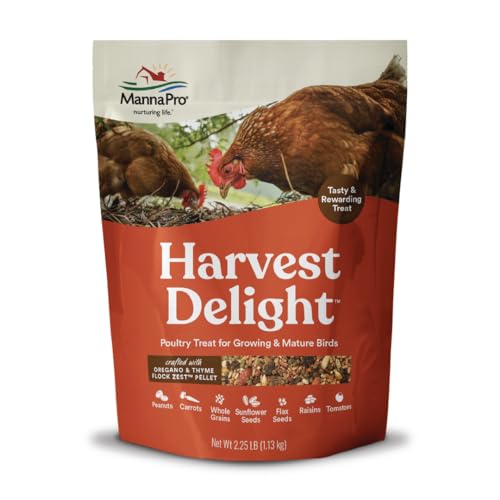
NUTRITIOUS CHICKEN TREATS FOR LAYING HENS & FLOCKS: Wholesome mix offers fun & nutrition in one tasty snack; these premium chicken treats for laying hens encourage natural pecking behavior, support strong eggs, & are a perfect choice for backyard flocks

PREMIUM SNACK: Designed with the goodness of real vegetables and protein-packed worms. Designed to offer both exceptional taste and nutritional benefits, this blend will have your chickens clucking with joy.
How Do You Monitor Flock Health Afterward?
Once you’ve handed out those jicama treats, you’re probably staring at your flock wondering if you just made a huge mistake, but let’s kill that anxiety right now. You need to watch them closely. Check their combs, wattles, and rear ends three times daily. Look for weird droppings or lethargy immediately. Obviously, you’ll track everything on your posting schedule so nothing slips through the cracks. If a bird dies, perform a mortality postmort to rule out jicama issues versus random bad luck. Monitor water intake and egg production strictly. Don’t panic over one odd cluck, but flag rising sickness trends fast. You’ve got this. Just stay vigilant, document every quirk, and trust your eyes. Your flock relies on your sharp observation skills now, not guesswork. Keep records tight, act fast, and relax knowing you’re handling it perfectly. You should also inspect feathers for cleanliness and color to catch early signs of external parasites or stress.
How Does Jicama Compare to Other Roots?
When you’re standing in the produce aisle squinting at a pile of brown tubers, you probably wonder if jicama‘s just another overhyped potato wannabe that’ll waste your money. Here’s the thing: it isn’t. While potatoes pack starch, jicama delivers superior root nutrient density with more vitamins C and E but fewer carbs. You’ll notice a massive fiber content comparison too; this crunchy tuber beats sweet potatoes for digestion without the sugar spike. Unlike dense carrots or soft yams, it stays crisp even when briefly cooked, offering a unique apple-potato hybrid texture your flock might love. Obviously, it lacks the nightshade risks of regular spuds, making it a safer, heart-healthy alternative for your birds. If you want high nutrition without the heavy carbohydrate load, this bean-family root is your smartest pick. Go ahead and grab one; your chickens won’t miss the extra starch anyway.

Thai Jicama Seeds. Pachyrhizus erosus. Heirloom, Non-GMO, Open Pollinated. Annual. About 150 Days to full maturity. Also known as ‘yam bean’, and 'true jicama'. This Thai variety produces larger fruits than its popular Mexican cousin, Mexican Jicama. This tuber has crisp, sweet white flesh, and light brown skin. With a long, hot season it can grow 4-6" diameter and 4-5 lbs in weight.

True Jicama Seeds - Plants Produce Many Bulbs like Potatoes

Jicama Thai seeds to plant in your Garden at home. Thai Jicama is a Asain Variety of Jicama.