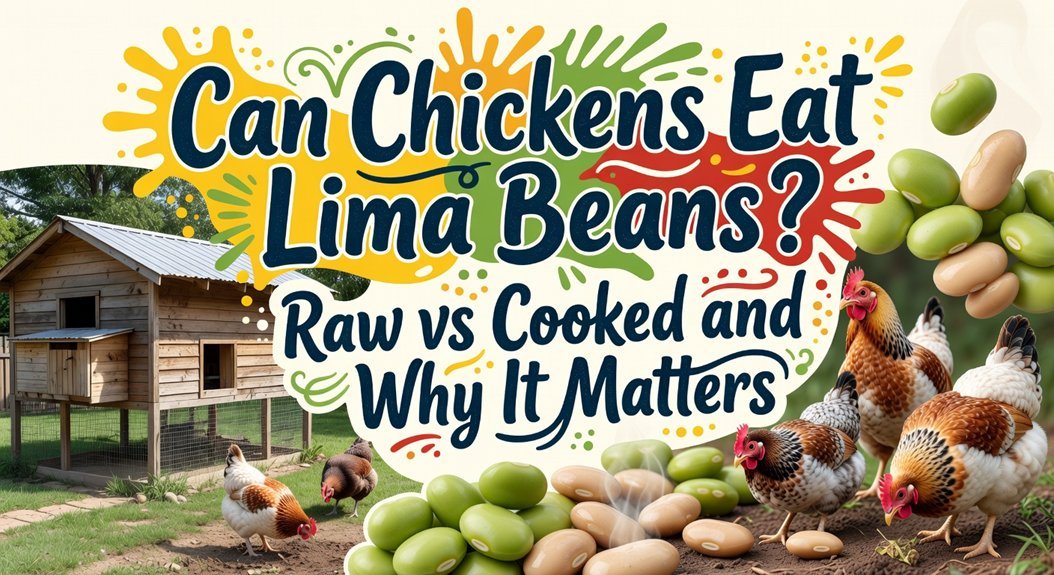
You’re staring at dried lima beans, wondering if they’re a cheap protein boost or a fatal mistake. Here’s the thing: ingesting just three raw beans can kill your chicken because of phytohaemagglutinin, a potent toxin. Obviously, you can’t feed them raw. But boil those beans for ten minutes, and the danger vanishes completely. It’s a simple switch between disaster and a safe treat. Stick around, and I’ll show you exactly how to cook them right.
Can Chickens Eat Raw Lima Beans?
Why would you even consider tossing raw dried lima beans to your flock? You’re probably tired of expensive feed and heard some wild bean bean myths about free protein. Here’s the thing: those dried beans pack phytohaemagglutinin, a nasty lectin born from toxin genetics that acts as a natural insecticide. It doesn’t just upset their stomachs; it kills. Seriously, eating merely three or four raw beans can fatally poison your chickens through extreme vomiting and diarrhea. You might think they’ll avoid it, but don’t gamble with their lives. Unlike fresh green limas, dried ones demand cooking to neutralize this danger. Obviously, dead chickens lay zero eggs. So, skip the raw risk entirely. Stick to cooked or fresh options instead. Your flock deserves safety, not a lethal gamble. Make the smart call today and keep those dried beans out of the coop. Remember that raw beans are unsafe for chickens and must be cooked first.

Premium Baby Lima Beans: Baby limas and green baby limas are considered milder and less starchy than large lima beans, which have an earthy flavor. They are small, creamy white beans with a buttery flavor and tender texture—ideal for succotash, soups, stews, or classic Southern recipes.

This traditional Southern dish is perfectly seasoned and can be ready to serve your family in just 20 minutes. Seasoned Baby Lima Beans is a delicious complement to any Southern-inspired meal, especially when served with ham or chicken. Pictsweet Farms 100% All Natural Vegetables.

Canned Lima Beans, 15 oz
Why Cooking Destroys Lima Bean Toxins
You just heard how a handful of raw beans can wipe out your flock, and now you’re probably staring at your pot wondering if boiling them really fixes the mess. Here’s the thing: heat actively destroys the enzymes that release deadly cyanide from linamarin during digestion. When you boil those beans for at least ten minutes, you force a complete toxin breakdown that steaming or dry heat simply can’t match. Obviously, nobody wants to risk their hens on guesswork when moist heat removes up to eighty percent of the poison. This process releases safe beanbean nutrition without the lethal side effects found in raw legumes. While slow cookers often fail to reach necessary temperatures, a rolling boil guarantees safety by deactivating the protective compounds nature built into the seed. So, grab that pot and boil them long enough to sleep easy tonight.
How to Boil Dried Lima Beans Safely
So, how exactly do you turn those rock-hard dried bricks into safe, fork-tender treats without turning your kitchen into a chemistry lab? You start by rinsing those beans to ditch debris, then soak them overnight or use a quick hot soak to cut down gas-causing compounds. Obviously, skipping this step risks beaning safety for your flock. Once soaked, drain them, cover with fresh water, and simmer low for about an hour until tender. Don’t boil hard; that toughens skins and hurts nutrient retention. Add a pinch of baking soda if you’re rushed, but keep the heat gentle. You want soft interiors, not rocky centers. All right, now you’ve got safe, digestible beans ready to share. It’s simple, really. Just soak, simmer, and serve. Your chickens will thank you, and you’ll feel smart doing it. Go ahead, try it tonight. While the provided instructions focus on chicken feed, similar cooking process principles apply when preparing lima beans with smoked turkey for human consumption, where a long simmer ensures the beans soften properly without burning.

Premium Dried Lima Beans: Dixie Lily Large Lima Beans offer a hearty texture and mild flavor, making them great for soups, stews, and side dishes. Enjoy their rich taste in your favorite home-cooked meals.

ALL NATURAL - our Gefen Baby Lima beans are all natural, from the finest quality beans.

✔️ PREMIUM QUALITY, RAW & VEGAN: Lima Beans aka Butter Beans by Food to Live are of Premium Quality, 100% Raw, and suitable for Vegan and Vegetarian diets.
Are Canned or Frozen Lima Beans Safe?
Since you’re already standing in the freezer aisle wondering if grabbing that bag of mixed veggies is a shortcut or a death sentence for your flock, let’s cut through the noise right now. Canned lima beans are actually safe because the canning process cooks them, destroying dangerous toxins. However, you must rinse them thoroughly first. That high sodium content in the brine harms chickens if you skip this step. Frozen beans differ; they need boiling before serving to neutralize lectins. Never feed them raw or just thawed. Proper bean storage matters less here than immediate preparation. Obviously, nobody wants sick hens. If you want convenience, canned works after rinsing. For frozen, grab your pot. Both options suit you if you handle them correctly. Don’t overthink it; just cook the frozen ones and wash the canned ones. Your flock will thank you.
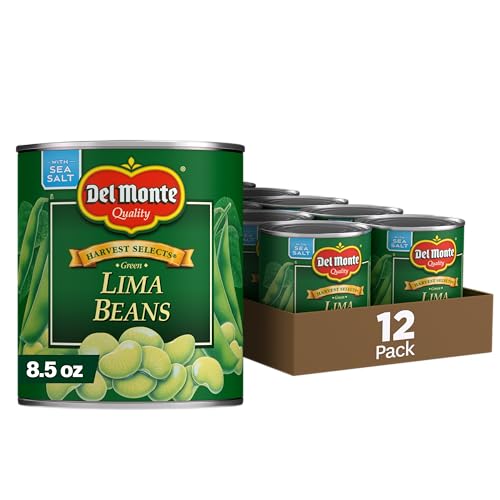
Twelve 8.5 oz cans of DEL MONTE FRESH CUT HARVEST SELECTS Green Lima Beans Canned Vegetables
Twelve 15.25 oz cans of DEL MONTE HARVEST SELECTS FRESH CUT Green Lima Beans Canned Vegetables

Fresh Lima Beans vs. Dried Varieties
While you’re standing there holding a bag of fresh pods in one hand and a sack of dried beans in the other, wondering which one won’t turn your coop into an emergency room, let’s get one thing straight immediately. Fresh green limas are safe raw because they lack the deadly toxin found in mature seeds. You can toss them straight to your flock without worry. Dried varieties, however, are a different beast. They contain phytohaemagglutinin, a poison that kills chickens fast. Proper bean storage storage requires freezing or heating dried beans first to kill bugs, but that doesn’t make them safe to eat raw. Even bean sprouting is risky here; boiling is mandatory to deactivate the toxins. Don’t guess with dried beans. Stick to fresh pods for easy, safe treats, or commit to the long boil if you must use dried ones. Your chickens’ lives depend on this distinction. Just like raw pinto beans, consuming uncooked dried limas can be lethal to chickens.
Safe Legume Alternatives to Lima Beans
Look, you’re probably tired of sweating over lima beans and wondering if there’s a safer way to treat your flock without the poison risk. All right, let’s swap those risky pods for peas or sunflower seeds. You’ll love how easily peas grow; just feed them fresh, frozen, or even sprouted for extra vitamins. Sunflower seeds offer high protein too, plus they attract bugs your hens adore. Now, consider fava beans, but remember you must cook or sprout them first to kill toxins. Obviously, raw favas are a no-go. Here’s the thing: sprouted legumes boost nutrition substantially during cold months. You can create cycled sprouted batches year-round using dry storage seeds. This method cuts feed costs while adding variety. Common vetch works if you process it carefully, though it’s tricky. Peas remain the safest, easiest bet for most folks. You don’t need complex setups; just soak, drain, and serve. Your chickens get safe protein without the lima bean gamble. Go ahead, grab some pea seeds today.
How Much Cooked Beans Can Chickens Eat?
Even though you’ve finally mastered the art of boiling those toxic beans until they’re safe, you’re probably staring at the pot wondering exactly how much of that protein punch your flock can actually handle without turning their coop into a mess. Here’s the thing: limit cooked lima beans to just ten percent of their daily diet to maintain proper nutrient balance. Give adult hens one or two tablespoons per bird, but keep smaller girls to just one spoonful. Obviously, overfeeding causes diarrhea, so stick to treating them two or three times weekly. You’ll want to watch your eggration timing closely; boost portions slightly during peak laying seasons for extra protein, then scale back. Rotate these treats with other veggies to prevent boredom and guarantee they still eat their main feed. Now, go ahead and serve up a modest cup for your ten-bird flock this week.