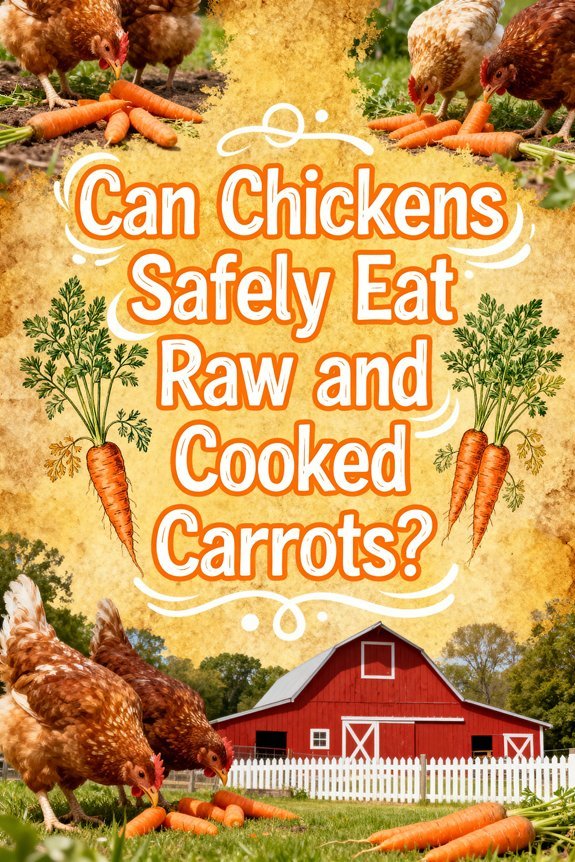
Yes, your chickens can safely eat both raw and cooked carrots as nutritious treats. Raw carrots offer higher levels of vitamin A and fiber while promoting natural pecking behaviors, and cooked carrots are easier to digest, especially for chicks and elderly birds. Limit portions to 30g per bird, serving 1-2 times weekly, and cut pieces no larger than the space between a chicken’s eyes. Proper preparation and portion control will help you maximize the health benefits of this vitamin-rich treat.
The Safety of Feeding Carrots to Your Chickens
While carrots offer valuable nutrients for chickens, proper feeding practices are essential for their safety and health. You’ll need to guarantee carrots don’t exceed 10-20% of their total caloric intake, serving them as treats 1-2 times weekly alongside their regular feed. When preparing carrots, cut them into pieces no larger than the space between your chicken’s eyes to prevent choking hazards. Their high water content makes them an excellent choice for hydrating chickens during hot weather. They provide important digestive fiber that supports gut health and regularity.
Both raw and cooked carrots are safe options, matching different chicken preferences. You can serve them chopped, sliced, or shredded, with cooked versions offering enhanced antioxidant availability. The carrot tops are equally safe and often appeal to chickens seeking vegetable variety. Always avoid seasoning or adding harmful ingredients like salt, butter, or sugar, and guarantee carrots are free from pesticide residues before feeding. For optimal nutrition, combine carrot treats with a foundation of quality layer feed as the main component of their diet.

Organic and Natural: Our organic chicken feed is crafted with a carefully balanced mix of high-quality ingredients to support the health of your laying hens. It’s completely corn-free, soy-free, and non-GMO, ensuring your flock gets only the best.

ALWAYS PREMIUM NUTRITION: Our corn-free and soy-free chicken food 25lb (chicken feed 25 lb bag) is a complete diet for laying hens, boasting a guaranteed minimum of 17% protein. Your feathered friends will thrive on this super premium blend, producing top-quality organic whole chickens.
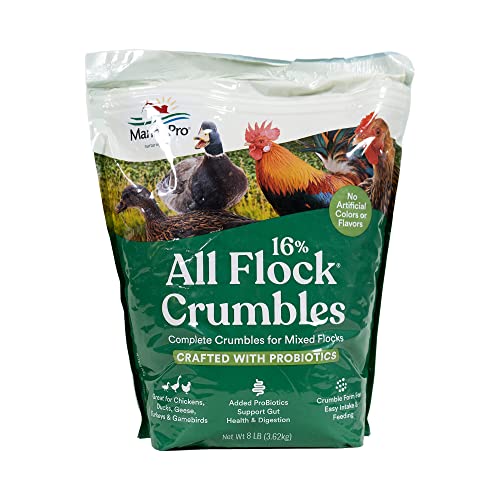
COMPLETE ALL FLOCK FEED FOR MIXED BACKYARD FLOCKS: Versatile poultry feed & all flock feed designed to support chickens, ducks, turkeys, geese, & more; a balanced bird food that simplifies feeding a diverse species in your backyard or homestead
Raw vs. Cooked Carrots: What’s Best for Your Flock
Raw and cooked carrots each offer distinct benefits for your chickens’ health and feeding experience. Raw carrot benefits include higher retention of Vitamin A, fiber, and antioxidants, while promoting natural pecking behaviors through their crunchy texture. They’re also superior for maintaining hydration levels and providing a low-glycemic treat option. Since they support immune system function, raw carrots with carrot greens intact can provide additional nutritional value. Like fresh peaches, raw carrots should make up no more than 10% of your chickens’ total diet to maintain balanced nutrition.
Cooked carrot drawbacks include reduced levels of heat-sensitive nutrients like Vitamin C and beta-carotene, plus increased sugar availability that can affect blood glucose. However, cooking does make carrots easier to digest, particularly beneficial for chicks and elderly birds with weaker beaks. Similar to vitamin-rich cabbage, carrots can be offered as an enriching treat that promotes natural foraging behaviors. You’ll need to balance these factors based on your flock’s specific needs. Consider offering both forms – shred raw carrots to prevent choking and steam cooked ones to preserve nutrients better than frying.

HUMAN GRADE PET FOOD: Ethically made in the USA, all production is supervised by an on-site USDA inspector and has the highest scores in food manufacturing safety, so even humans can eat it.

100% pure chicken breast wrapped around real slices of dried carrot

Health Benefits of Carrots in a Chicken’s Diet
Carrots offer a powerful array of health benefits that can greatly boost your chickens’ wellbeing. When you incorporate carrots into your flock’s diet, you’re providing essential nutrients that support multiple aspects of chicken nutrition. The beta-carotene converts to vitamin A, enhancing their immune system and vision health, while also preventing night blindness. The crunchy texture and low calorie content make carrots an excellent treat that won’t contribute to obesity in your birds.
These root vegetables deliver crucial carrot benefits beyond basic nutrition. They’ll help maintain your birds’ cardiovascular health through potassium content and fiber, which regulates blood cholesterol levels. The antioxidants present combat cellular damage and may help prevent certain cancers. Your chickens’ immune system gets additional support from carotenoids that strengthen natural defenses against common poultry pathogens, while the fiber promotes healthy gut function and improved nutrient absorption.
How to Prepare and Serve Carrots to Chickens
Successful carrot feeding begins with proper preparation and portioning techniques. You’ll need to take into account your flock’s size and age when determining serving methods. For adult chickens, chop or grate raw carrots into manageable pieces, while young chicks require well-cooked, tiny portions.
In carrot preparation, you can slice the vegetables into thin rounds, strips, or grate them for mixing into feed. Cook carrots by boiling or steaming without added seasonings. These nutritious treats provide vitamin A benefits for chicken eyesight and immune system health. Don’t forget that carrot tops and peels are also safe to include. If your chickens show signs of coccidiosis, consider mixing their Corid treatment into water before offering carrots or other treats. Limit portions to about 30g per bird, offering treats up to three times weekly. Adding crushed oyster shells alongside carrot treats helps maintain proper calcium levels for laying hens.
Keep your serving area clean, remove uneaten portions after a few hours, and store fresh carrots in a cool, dry place before preparation to maintain ideal nutritional value.
【33% Up in Shredding Efficiency】: With optimized layout, our chicken shredder's built-in teeth cover the entire area, and the extra spikes on the edges of the lid help gather shredded food in the middle for an even & efficient cut
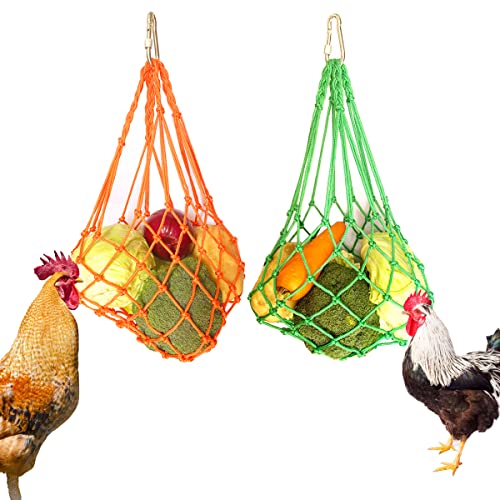
【Materials and Size】: The Vegetable net pockets are made of durable nylon, 24" in length. Big enough and durable enough to hang all kinds of fruits and vegetables such as cabbage lettuce corns tomatoes for your chickens ducks goose to eat.
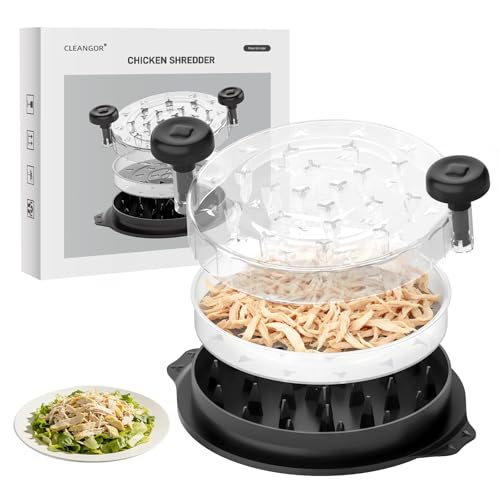
【Innovative 3-Layer Design for Effortless Serving】: Unlike traditional shredders, our unique three-layer structure features a removable middle plate. This chicken shredder allows you to scoop out and transfer shredded meat directly without disassembling the entire unit. It significantly simplifies your cooking process, saving you valuable time and effort in the kitchen.
Nutritional Value of Carrot Tops and Roots
The nutritional profile of both carrot roots and tops offers substantial benefits for your backyard flock. Carrot roots are rich in beta-carotene, which converts to vitamin A, supporting your chickens’ immune system, vision, and reproductive health. They’re also packed with dietary fiber and potassium, promoting digestive health and proper muscle function. Like other leafy greens and vegetables, carrots can help reduce overall feed costs while maintaining nutrition quality.
Carrot tops complement these benefits by providing additional fiber, vitamins, and minerals. While they’re less documented for specific nutrient content, they’re safe and nutritious as supplementary greens. Both components contain antioxidants like glutathione that support liver health and immune function. You’ll find important minerals such as iron, zinc, and manganese in carrots, which contribute to blood health, feather growth, and proper metabolism. The high water content also helps keep your flock hydrated.
Best Practices for Feeding Carrots as Treats
When introducing carrots as treats to your flock, following proper feeding practices guarantees optimal nutrition while preventing potential health issues. You’ll want to offer both raw and cooked carrot varieties in small, manageable pieces, limiting treats to a few times per week. Proper feeding techniques include shredding or chopping carrots to prevent choking and serving them outside the coop to maintain cleanliness. Since carrots are composed of 88% water content, they provide excellent hydration benefits for your chickens during warm weather.
Always remove uneaten portions promptly to avoid attracting pests and prevent spoilage. Store carrots in cool, dry conditions and inspect them carefully before feeding to confirm they’re free from mold or pesticides. You can combine carrot tops with roots to encourage natural foraging behavior, but remember to maintain balance with their regular feed for ideal nutrition. While healthy hens typically lay one egg daily, feeding proper treats like carrots helps maintain their overall wellbeing and egg production schedule.

CHICKEN FIRST: BLUE natural dog treats feature high-quality USA chicken as the #1 ingredient and are made with natural ingredients for treating you can feel good about

Delicious, soft, grain free dog treats made with real beef

REAL MEAT FIRST: These Blue Buffalo puppy treats are made with real chicken as the first ingredient for a taste dogs love
Potential Risks and What to Avoid
Despite their nutritional benefits, carrots present several potential risks that chicken owners must carefully manage. When feeding carrots to your flock, you’ll need to watch for choking hazards, especially with large or tough pieces that could block their airways. Always cut carrots into appropriately sized portions, no larger than the space between a chicken’s eyes. Store any excess carrots in a cool, dry place since damp feed can lead to mold growth and potential liver problems.
You must thoroughly wash store-bought carrots to remove pesticide exposure risks, as these chemicals can harm your birds. Don’t feed carrots that have contacted toxic substances like avocado leaves or rhubarb. Avoid seasoning carrots with salt, sugar, or butter, as these additives can be harmful. While carrots aren’t toxic themselves, overfeeding them can disrupt your chickens’ nutritional balance, so limit treats to 1-2 times weekly and maintain proper portion control.
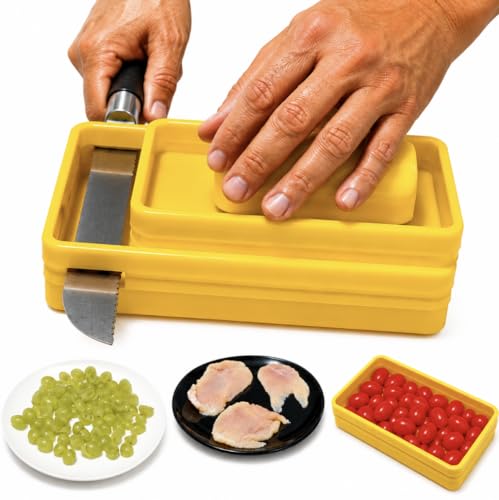
1. CHICKEN SLICER FOR EVEN CHICKEN CUTLETS Slice chicken breast, chicken cutlets, and chicken scallopini with this simple chicken slicer and chicken cutter. Designed to help create uniform slices for meal prep, salads, wraps, and a variety of home-cooked dishes.

DURABLE MATERIAL: This chicken feeder is made from high quality plastic (Polyethylene), corrosion resistant, discoloration resistant and ageing resistant;
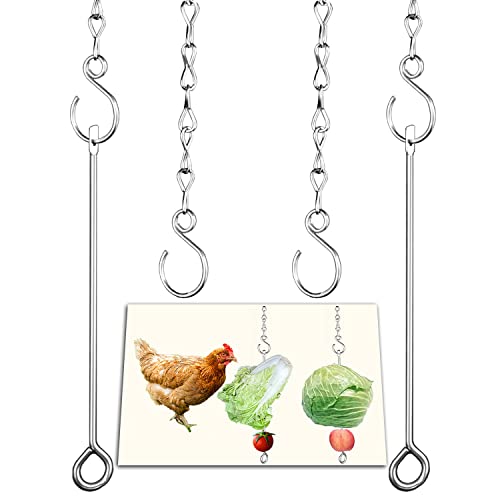
The feeder skewer built with 304 stainless steel, rustproof and safe for your favorite pets
Integrating Carrots Into Your Chickens’ Feed Schedule
Successfully integrating carrots into your chickens’ diet requires careful planning and portion control to maintain nutritional balance. You’ll want to implement carrot incorporation techniques by offering them 2-3 times weekly as treats rather than staple feed. Combine carrots with grit to enhance fiber digestion, and vary your preparation methods between raw grated and cooked pieces to maintain your flock’s interest. The inclusion of carrots helps lower feed costs while providing essential nutrients.
To optimize treat frequency management, pair carrots with other forage materials like leafy greens and fruits. This diversifies your chickens’ micronutrient intake while preventing overfeeding. Remember to provide carrots alongside regular feed components, ensuring they complement your birds’ protein and grain intake. When properly integrated, carrots can support overall health, enhance laying performance, and contribute to better feather quality.