You’re staring at that bottle, wondering if it’s a golden ticket or a one-way trip to a sluggish coop. Here’s the thing: yes, your flock can have olive oil, but dosage is everything. A teaspoon per half-cup boosts gut health and meat quality without stunting growth, while too much causes digestive chaos. Obviously, treat it as a supplement, not a main course. Stick to these measured amounts, and you’ll raise leaner, healthier birds. Keep going to see exactly how to fix impacted crops and tweak blood lipids.
Can Chickens Safely Eat Olive Oil?
So, you’re standing there with a bottle of extra virgin olive oil, wondering if drizzling it on your flock’s feed is a genius move or a one-way ticket to vet-bill city. Relax, because commercial feeds already use this stuff safely. You aren’t poisoning anyone; you’re actually boosting their gut health by feeding beneficial bacteria. Obviously, your chickens need proper oil absorption to release those healthy fats without messing up their growth early on. While high amounts might slow starter weight gain, the long-term metabolic perks are real. Just remember, getting the dosage right matters more than the brand you buy. This liquid gold reduces bad cholesterol and helps impacted crops slide right through. If you want healthier meat and happier hens, this simple swap works wonders. Go ahead and pour a little; your flock will thank you later. Unlike formulas that exclude corn entirely, this approach leverages olive oil as a primary, safe fat source for poultry nutrition.

Cold-Pressed Carapelli Organic Extra Virgin Olive Oil. Comes exclusively from organic farming and is produced in full respect for the environment.

Kirkland Signature Organic Extra Virgin Olive Oil, 3.6 fl. oz.

AWARD WINNING EARLY HARVEST QUALITY – Estate grown in Andalusia, Spain, this Family Reserve extra virgin olive oil is produced from olives harvested early in the season for exceptional intensity, freshness, and character.
How Much Olive Oil Should You Give Chickens?
Two simple rules keep your flock from turning into little olive-shaped balloons while still reaping the gut-health rewards you’re after. You worry about messing up their diet, right? Don’t sweat it. For layers, just mix one teaspoon of oil into half a cup of feed. That’s the sweet spot for adding calories without wrecking their balance. Broilers handle more, tolerating up to ten percent in studies, but you aren’t running a commercial farm. Keep your olive oil dosage modest to avoid nutritional nightmares. Successful feed integration means treating this golden liquid as a supplement, not a main course. Obviously, too much fat makes lazy chickens, and nobody wants that. Stick to these measured amounts, and you’ll see healthier birds without the guesswork. It’s really that simple to boost their health today.
Does Olive Oil Fix Impacted Crops and Egg Binding?
When your hen stops laying and starts hunching like she’s carrying the weight of the world, you’re staring down two scary possibilities: an impacted crop or egg binding. Don’t panic just yet. Olive oil often saves the day here. For crop impaction, a few drops orally lubricate that nasty blockage, helping food slide down finally. If it’s egg binding, warm oil around the vent eases the stuck egg’s passage. You’ll need an eyedropper for precision inside, plus external rubbing. Obviously, this isn’t magic; severe cases still need a vet. While you handle the crisis, remember long-term prevention requires proper oilital supplementation and calcium, not just emergency grease. This trick works wonders for mild issues but fails if genetics or severe deficiency caused the mess. So, grab that bottle, act fast, and give your girl the slippery help she desperately needs right now. Keep in mind that dehydration reduces the lubrication needed for egg passage, making adequate water intake critical alongside oil treatment.
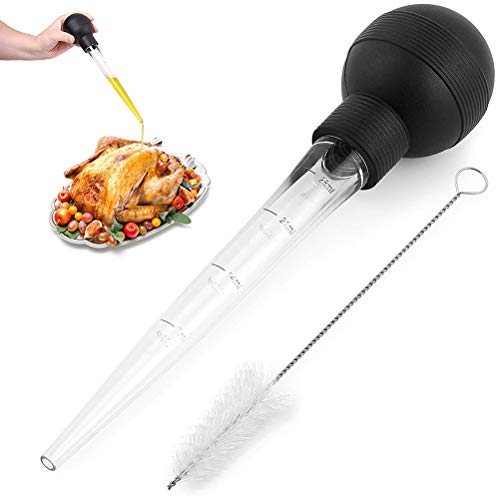
[EASY TO USE] - This Turkey Oil Dropper with Brush is designed for effortless basting and marinading, making your cooking experience more enjoyable. [VERSATILE] - Perfect for...
How Does Olive Oil Change Chicken Meat Quality?
You’ve probably spent enough time worrying about getting that stuck egg out to wonder if shoving olive oil down a chicken’s throat ruins the dinner you’re planning later. Honestly, it doesn’t ruin it; it upgrades it. When you feed them olive oil, you slash saturated fats while boosting unsaturated ones, making the meat leaner. The oleate levels jump dramatically, which directly fights mety oxidation, keeping your protein fresh and stable. Phenolic antioxidants in the oil act as a shield against spoilage, so your freezer stock lasts longer. You also get subtle texture enhancement because the fatty acid profile shifts toward healthier ratios. Obviously, this means less greasy fat and more tender bites. If you want carcasses with better nutrient digestibility and reduced lipid peroxidation, this tweak works. So, don’t stress about the dinner table; just pour a little oil and watch the quality climb.
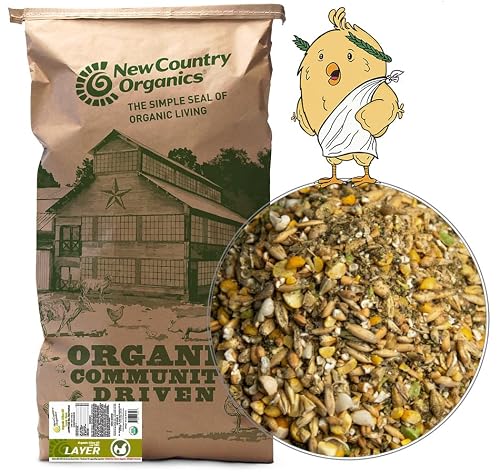
Organic Olive Oil Layer Feed for Healthy Eggs: Specially formulated with olive oil to boost omega-3 levels in eggs, this organic chicken feed supports healthier hens and higher-quality, nutrient-rich eggs that your family will love.


Will Olive Oil Stunt My Chickens’ Growth?
Since you’re already picturing stunted birds and wasted feed bills, let’s cut straight to the chase: olive oil won’t stunt your flock unless you dump it in like you’re frying donuts. Research shows five percent supplementation actually slows starter-phase weight gain, but that’s an extreme outlier nobody sane would try. You’ll see positive growth metrics when you stick to modest amounts between one and two percent. Obviously, overdosing causes issues, yet moderate doses enhance feed efficiency and digestibility markedly. Your birds need balanced fats, not an oil bath. If you monitor your olive oil dosage carefully, you achieve better muscle development without the crash. High waste levels differ, but pure oil supports robust health when used wisely. Don’t let fear of stunting stop you from boosting their diet smartly. Just measure carefully, watch them thrive, and feel confident you’re making the right call today.
Is Too Much Olive Oil Dangerous for Flocks?
Although you might think more oil equals happier birds, dumping too much olive oil into their feed actually tanks their growth and messes with their guts right when they need it most. High levels during the starter phase slash weight gain and wreck feed efficiency by altering cell structures. You’ve got to nail your olive oil dosage because exceeding five percent triggers serious digestive health risks. Excess fat loads disrupt the delicate gut microbiome impact, potentially causing crop impaction or bacterial imbalances that hinder development. While moderate amounts help, overdoing it creates oxidative stress and reduces overall intake. Obviously, your flock needs balance, not a grease bath. Stick to lower concentrations early on to avoid stunting their potential. Keep it moderate, watch their response closely, and your birds will thrive without the digestive drama holding them back today.
Does Olive Oil Improve Chicken Blood Lipid Profiles?
While you’re already worrying about whether that extra splash of oil is wrecking their guts, you’re probably wondering if it’s at least doing something good for their blood. Here’s the thing: studies show broilers eating a 5% olive oil diet actually drop serum triglycerides while boosting good HDL cholesterol. Obviously, getting the olive oil dosage right matters because too much stunts early growth, but the right amount tweaks lipid metabolism beautifully. You’ll see less saturated fat in their meat and more healthy unsaturated fats, which is a win for everyone eating drumsticks later. High-phenol oils work best, just like in humans, reducing oxidative stress effectively. So, if you want healthier birds with better blood profiles without going overboard, a modest, consistent supplement is your smartest move. It’s not magic, but it’s solid science working for your flock.