If you’ve ever stood over the grill wondering whether those leftover chicken scraps should go to your flock or the trash, you’re not alone. Here’s the thing — yes, chickens can eat meat scraps, but only cooked, unseasoned, boneless pieces kept under 10% of their daily diet. Bones attract predators, processed meats carry harmful preservatives, and spoiled scraps must go immediately. Stick to plain, lean cuts, and your flock stays healthy. Keep going and you’ll know exactly what’s safe.
Can Chickens Eat Meat Scraps?
If you’ve ever stood at the grill with a pile of leftover chicken scraps and wondered whether your backyard flock could handle them, you’re not alone — and the answer is yes, but with some real caveats worth knowing before you toss anything over the fence. Here’s the thing: chickens are natural omnivores, so small amounts of cooked, unseasoned meat actually give them a solid protein boost. Now, maintaining nutrient balance matters enormously — scraps should never exceed 10% of their daily diet. Obviously, tossing bones creates predator attraction problems you don’t want. Keep pieces small, cooked, and unrecognizable. Your flock benefits when you’re thoughtful about what lands in their space. Get this right, and you’re genuinely doing them a favor.
Which Meat Scraps Are Safe for Chickens?
When you’re staring at a pile of post-cookout meat scraps and wondering what’s actually safe to toss your chickens, the good news is you’ve got more options than you’d think. Cooked poultry, beef, pork, lamb, and fish scraps all make the safe list — as long as they’re plain, unsalted, and fully cooked.
Here’s the thing: nutrient balance matters more than variety. Salmon skin delivers omega-3s for joint health, beef liver hits vitamin A, and cooked pork loin covers B vitamins for metabolism. Each protein pulls different weight.
Now, feeding frequency keeps things smart. Scraps supplement — they don’t replace — your flock’s main feed. Toss them a few times weekly, watch them thrive, and feel good about wasting nothing.

THE ORIGINAL SOUP SOCKS: Proudly Made in the USA, these 100% natural cotton mesh bags are the easiest way to make clear, delicious broth and soup: They were highlighted in Food & Wine magazine for effortlessly achieving flavorful and clear stock.
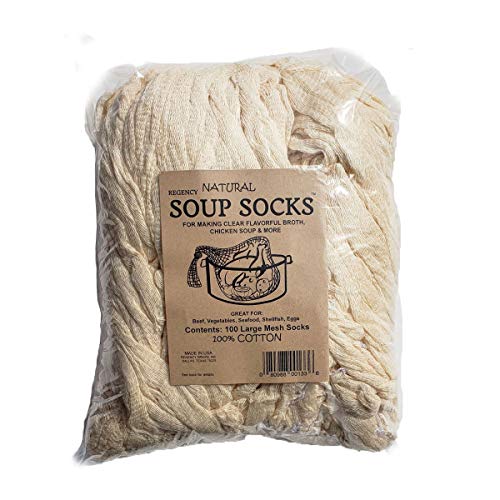
THE ORIGINAL SOUP SOCKS: Proudly Made in the USA, these 100% natural cotton mesh bags are the easiest way to make clear, delicious broth and soup: They were highlighted in Food & Wine magazine for effortlessly achieving flavorful and clear stock.

THE ORIGINAL SOUP SOCKS: Proudly Made in the USA, these 100% natural cotton mesh bags are the easiest way to make clear, delicious broth and soup: They were highlighted in Food & Wine magazine for effortlessly achieving flavorful and clear stock.
Which Meat Scraps Should You Never Feed Your Flock?
Not everything that lands on your cutting board belongs in the chicken run — and getting this wrong can cost you more than a few sick hens.
Here’s the thing: bones, processed lunch meats, and anything spoiled are hard nos. Bones attract predators after your flock finishes pecking. Processed meats carry preservatives, excess fat, and seasoning that’ll wreck their digestion. Spoiled scraps? Remove them same day or you’re basically ringing the rodent dinner bell.
Now, illegal feeding is a real concern. The swill ban makes kitchen meat scraps illegal for farm animals across the UK and Australia — yes, even from your vegan household.
Skip the guesswork entirely. Stick to fresh, lean, unseasoned cuts only, and you’ll never have to second-guess your scrap pile again.

ALWAYS PREMIUM NUTRITION: Our corn-free and soy-free chicken food is a complete diet for laying hens, boasting a guaranteed minimum of 17% protein. Your feathered friends will thrive on this super premium blend, producing top-quality organic whole chickens.
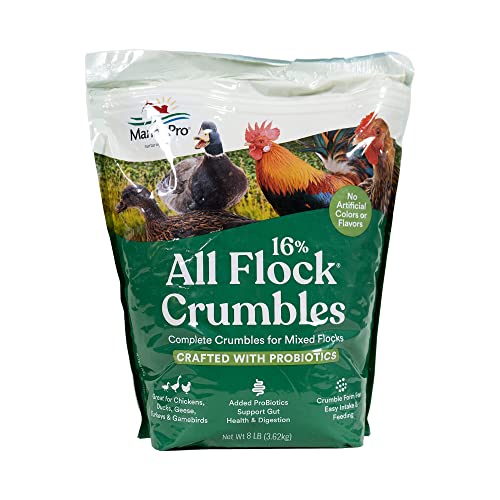
COMPLETE ALL FLOCK FEED FOR MIXED BACKYARD FLOCKS: Versatile poultry feed & all flock feed designed to support chickens, ducks, turkeys, geese, & more; a balanced bird food that simplifies feeding a diverse species in your backyard or homestead

Rich yellow yolks - A high level of xanthophyll, a coloring agent derived from marigolds, produces deep yellow egg yolks
How Much Meat Can Chickens Actually Eat Per Day?
Overfeeding your flock is way easier than you’d think, and that’s exactly the trap most backyard chicken keepers fall into once they realize their hens will hoover up pretty much anything you toss their way. Here’s the thing — meat scraps fall under strict protein scraps limits. You’re working with a 10% ceiling, meaning 0.4 oz of scraps daily per bird max. Obviously, that’s not much. Now, seasonal protein does shift things slightly — during fall molt, your hens actually need that protein boost, so timing matters. Every other day, a small handful per chicken keeps you safely inside those boundaries. Uneaten scraps? Pull them within 10-20 minutes. Keep it simple, keep it measured, and your flock stays healthy without the guesswork.

【TURN KITCHEN SCRAPS INTO FEED — CLOSE THE LOOP BETWEEN YOUR KITCHEN AND COOP】 Most backyard keepers compost or feel guilty tossing veggie scraps, bread ends, and fruit peels. This feeder sends them to your flock. Load today's kitchen or garden scraps into the tray, place it in the coop, and let your flock turn leftovers into feed. It creates a simple kitchen-to-coop cycle: scraps become feed, feed becomes eggs, and eggs return to the kitchen. Sustainable keeping doesn't have to be complicated.

【Adjustable & Large Hanging Chicken Feeder】 The large hanging chicken vegetable feeder's max diameter size 9.25″,include 4X20inch stainless steel chain and 5 stainless steel hooks,It can hold different vegetables and fruits including whole cabbage, broccoli, lettuce, corn, apples, grapes, etc.

Removable Lid: The feeder comes with an optional removable lid, allowing for easy filling and cleaning. This allows quick access to the feeder while ensuring that baby chicks cannot accidentally get stuck inside. The chicks dig it.
Why Meat Scraps Can’t Replace Your Chickens’ Complete Feed
Here’s the thing — if you’ve been tossing meat scraps into the run thinking you’re doing your flock a favor, you’re probably feeling pretty good about recycling kitchen waste into free protein. And honestly? That instinct isn’t wrong. But here’s where it gets tricky. Meat scraps can’t fix a protein-nutrient deficit the way complete feed does. Your hens filling up on scraps means they’re eating less formulated feed — the stuff that’s actually calibrated for 300-eggs-a-year production. Obviously, cutting feedcosts sounds smart until your laying drops and your birds lose condition. That’s your false economy moment right there. Scraps are treats, not replacements. Keep them under 10% of daily intake, and let complete feed do the heavy lifting it was designed for. Processed meats are especially problematic, carrying high levels of fat, salt, and preservatives that work directly against your flock’s health.