While your adult chickens can typically defend themselves, you’re vulnerable to cat predation targeting chicks and pullets. Domestic cats hunt for sport rather than sustenance, but feral or starving cats may attack larger juveniles, averaging 4.1 birds over five months. You’ll recognize attacks by distinctive neck punctures, tiny claw marks on breasts and thighs, and partial carcasses. Secure your coops with 1/4-inch hardware cloth buried 12 inches deep. Understanding your specific risk factors reveals the all-encompassing protection strategy you’ll need.
Predatory Capacity and Typical Targets
Whether you’re raising chickens or managing feral cats, understanding predation dynamics is essential for protecting your flock.
Your adult chickens face minimal risk from cat predation. Fully-grown hens are typically too large for cats to target, and roosters actively defend themselves. However, your chicks and pullets represent prime targets. Cats view young birds as easy prey, driven by natural predatory instincts and high prey drive. Chickens benefit from flock safety in numbers, which provides additional protection when multiple birds stay together.
Cat behavior varies remarkably based on circumstances. Well-fed domestic cats hunt primarily for sport, avoiding desperate attacks on adults. Conversely, feral cats and starving animals display more aggressive prey selection, occasionally attacking larger juveniles. Research shows cats catch an average of 4.1 birds over five summer months, with annual estimates ranging from 1.2 to 18.3 birds per cat.
Understanding these predatory patterns helps you implement effective protection strategies for vulnerable young birds.

✅ High-Quality Durable Material – Crafted from premium 500gsm ABS plastic particles, our pet fence net offers exceptional durability, wear resistance, and high-temperature tolerance. Lightweight and corrosion-resistant, it ensures long-term reliability while maintaining flexibility for various uses.
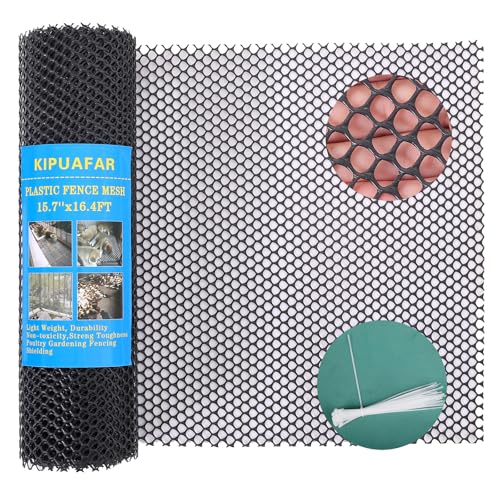
✅ High-Quality Durable Material – Crafted from premium 500gsm ABS plastic particles, our pet fence net offers exceptional durability, wear resistance, and high-temperature tolerance. Lightweight and corrosion-resistant, it ensures long-term reliability while maintaining flexibility for various uses.

✅ High-Quality Durable Material – Crafted from premium 500gsm ABS plastic particles, our pet fence net offers exceptional durability, wear resistance, and high-temperature tolerance. Lightweight and corrosion-resistant, it ensures long-term reliability while maintaining flexibility for various uses.
Signs of Cat Attack and Forensic Clues
Identifying cat predation requires careful examination of physical evidence left at the attack site. You’ll notice distinctive neck injuries—red blood on feathers, punctures hidden beneath plumage, or a broken neck from a swift bite. Your injury assessment should document tiny claw and teeth marks under the skin, concentrated on the breast and thigh, without deep gashes characteristic of larger predators.
Examine consumption patterns: cats typically eat one side on-site, leaving a partial carcass. Check for small round tracks (1-1.5 inches) near the coop and segmented scat without twist, often covered nearby. You’ll find minimal struggle signs and no forced entry marks. Fly and ant activity on remains can help estimate time since death, indicating how recently the attack occurred. This cat behavior signature—solitary kills, stealthy attacks, and selective feeding—distinguishes feline predation from other threats to your flock.
Frequency, Risk Factors, and Population Context
Cat predation on your flock doesn’t occur uniformly across all birds or settings. Chicken demographics greatly influence risk: chicks and bantams face substantially higher vulnerability than standard-size adult hens due to their small body size. Your management practices directly affect exposure—free-range systems and unsecured brooders elevate predation likelihood compared to enclosed coops. Minks, like cats, can also invade coops and cause severe losses, making protective measures essential.
Feral cat patterns create geographic hotspots where localized populations concentrate predation pressure. You’ll encounter heightened risk in areas with dense free-ranging or feral cat colonies, especially during peak hatching seasons when vulnerable youngstock congregate in accessible locations. Adult chickens have advantages in defending against predation through their size and natural defense mechanisms, which feral cats typically cannot overcome. Additionally, this is comparable to how minks often kill not just for food but also for sport-like behavior, leading to significant losses for farmers.
Environmental context matters considerably. Proximity to cover like hedgerows enhances hunting efficiency. Nocturnal activity, inadequate supervision during brooding periods, and food-motivated or large cat phenotypes all increase attack probability on your poultry, particularly younger birds.

Prevent Predators:2 roll chicken coop predator proof apron total about 11-5/8in W x 65 ft L, expertly designed to effectively block predators.Extending the wire mesh to the bottom of the coop prevents predators from digging their way in

Effective Nighttime Protection: Keep unwanted animals away with this solar-powered repeller. Designed to work at night, the dual red LED lights mimic the eyes of a predator to deter nocturnal predators and protect your garden yard farm and livestock

Effective Nighttime Protection: Keep unwanted animals away with this solar-powered repeller. Designed to work at night, the dual red LED lights mimic the eyes of a predator to deter nocturnal predators and protect your garden yard farm and livestock
Health and Welfare Consequences for Chickens
Beyond the immediate attack itself, predation by cats inflicts serious health complications that can persist long after the initial encounter. You’ll face significant health risks from deep puncture wounds that harbor Pasteurella multocida, requiring aggressive antibiotic therapy for three weeks. The welfare implications extend beyond physical injury—surviving chickens experience prolonged shock and behavioral changes lasting days to months. It’s also essential to be aware that these attacking situations can increase the risk of mite infestations among your remaining flock, as stress can weaken their immune systems. Additionally, the fear caused by these attacks may make chickens more susceptible to predators such as raccoons and foxes. To support recovery, it is vital to ensure that hens receive a balanced diet with proper nutrition to help combat stress and promote healing during rehabilitation. Additionally, offering Corid as a preventive measure can also help manage stress-induced diseases during recovery.
You must isolate affected birds in warm, stress-limited environments with accessible food and water. Hidden bite wounds on the body’s underside cause extended pain and immobility, complicating recovery. Multiple wound sites increase sepsis risk substantially. Scheduling follow-up vet visits ensures proper wound healing monitoring and timely intervention. Additionally, ensuring proper mite control efforts is crucial, as these parasites can further compromise the health of your flock. Behavioral changes persist post-attack, necessitating flock separation during rehabilitation. With proper supportive care including anti-inflammatories and disinfectants, your chickens’ natural resilience enables recovery, though psychological trauma remains a significant welfare concern you shouldn’t underestimate.
Preventive Measures and Coop Protection
While predation attacks can devastate your flock, you’ll find that strategic preventive measures substantially reduce cat-inflicted losses. Your coop architecture must incorporate robust predator barriers using 1/4-inch hardware cloth secured with screws and washers. Bury cloth vertically 12 inches around the coop base and extend an 18-24 inch apron outward to block digging. Elevate coops on stilts to prevent ground-level access. Adequate predator defenses are crucial for ensuring the safety of your chickens. Install completely closable doors with latches, ensuring no gaps exceed 1/4 inch in sleeping and nesting zones. Cover all vents and windows with hardware cloth while maintaining airflow. Combine these physical barriers with electric fencing strands positioned at 2 inches, 6 inches, and the top perimeter to deter climbing predators. Clear vegetation within 50 feet of your coop to eliminate stalking cover. Monitor your coop daily for security to respond to suspicious activity and reinforce vulnerable areas before predators exploit them.

Size Specification: 2 sheets wire mesh, the size of each piece is 13.7 x 40 inches, wire diameter 0.52 mm

Galvanized hardware fabric roll size - Galvanized hardware fabric roll 12in x 10ft, 1/4 inch mesh 23 GA.

Heavy-Duty Hot-Dipped Galvanization: Our low-carbon steel hardware cloth undergoes professional hot-dipped galvanization for a uniform coating without bubbles. Pre-tested for salt spray, it ensures durable corrosion resistance, lasting through years of outdoor use without needing replacements.
Response and Mitigation After an Attack
Despite your best preventive efforts, attacks’ll still occur—and your immediate response can mean the difference between recovery and loss. Start with injured chicken care by evaluating breathing and consciousness, then control bleeding with direct pressure using clean cloths. Clean wounds with dilute antiseptic to reduce bacterial load before seeking veterinary care.
Cat bites carry high infection risk from *Pasteurella multocida* and anaerobes, making veterinary protocols essential. Your vet’ll determine appropriate broad-spectrum antibiotics based on severity and species considerations. Isolate injured birds in a predator-secure recovery area and monitor closely for infection signs: swelling, purulent discharge, lethargy, or reduced appetite. Responsible pet ownership from cat owners in your neighborhood can prevent many of these attacks through keeping cats indoors or implementing containment measures.
Document all wounds, treatments, and timing to inform future decisions. Disinfect affected housing thoroughly and limit movement between bird groups to prevent pathogen spread.

SAFE COMPOUND: Spray with no antibiotics for chickens features a safe & natural formula for pets, combining Colloidal ‘Nano’ Silver (50 PPM) with Deionized water – free of artificial additives.

One 8-fluid ounce bottle of first aid antiseptic

SOOTHING RELIEF: This chicken wound spray is suitable for birds and chickens with various skin issues, aiding in chicken wound care by helping to heal irritations and prevent infections. Safe for birds to peck and lick during and after application, this silver spray for wounds can be applied to all skin and feather areas, including the head, beak, feet, and wings. Thoroughly saturate the affected area using the spray or stream option, which allows for application from up to 6 feet away.
Managing Cat Predation in Your Farming Community
As cat predation extends beyond individual farm boundaries, your response must scale accordingly. Launch community engagement initiatives that unite neighboring farmers around shared predation concerns. Develop education programs addressing responsible pet ownership—emphasizing 24-hour containment, desexing, and registration—since owned cats drive significant local impacts. Rats typically avoid confrontation with adult chickens, which highlights the importance of managing all potential threats to poultry. Chickens thrive best when their diet includes high-energy carbohydrates to support warmth and activity, making it essential to consider the nutritional needs of your flock amid the predation concerns.
Coordinate with local authorities to identify feral population sizes, which explain roughly 42-51% of predation variation. Advocate for sustained sterilization programs exceeding 70% annual coverage, though recognize that complementary suppression measures prove necessary where livestock losses remain severe. Research indicates that pathogen transmission through cat faeces contamination poses additional health risks to farm animals beyond direct predation damage.
Target hotspots where cats concentrate: gaps in fencing, unsecured feed areas, and communal refuse sites. Your community’s collective approach to habitat management and predator deterrence substantially reduces encounter rates between cats and vulnerable poultry.

【Effective deterrent】Add small spikes next to the long spikes so that birds cannot effectively stand in the gaps between the bird nails. Bird spikes effectively prevent small animals from nesting here and have a deterrent effect.

Convenient Package: our plastic chicken wire is prepared in packages that contain 6 rolls, providing enough quantities; This provides the necessary quantity to cover sizeable areas, or to use over various projects or applications
![Heavy Duty Cat, Bird, Rodent Deterrent Outdoor Anti-Climb Repellent Security Device Spikes - 12 Pack [16.97FT] (1.98 pounds)](https://m.media-amazon.com/images/I/41djKdOBoJL._SL500_.jpg)
IMPROVED DESIGN – UPGRADED Animal Repel Device. (NOT RECOMMENDED FOR SQUIRRELS!)