You’re tired of soggy, smelly nests that make you wonder if you ever had a clean coop again, and you know the right straw can change that. The right option depends on your flock size, how much time you want to spend cleaning, and whether you care about sustainability or cheap convenience. Pick the one that matches your priorities, and you’ll have a cozy, low‑maintenance nest that keeps both you and your hens happy.
| Nest Box Pads for Chicken Nesting Boxes (10 Pack) |  | Best Overall | Primary Material: Aspen excelsior wood fibers | Backing/Support Layer: Kraft paper backing | Dimensions (approx.): 13 × 13 in pad | VIEW LATEST PRICE | Read Our Analysis |
| Nest Box Pads for Chicken Boxes (5-Pack) |  | Budget-Friendly Pick | Primary Material: Aspen excelsior wood fibers | Backing/Support Layer: Kraft paper backing | Dimensions (approx.): 13 × 13 in pad | VIEW LATEST PRICE | Read Our Analysis |
| Natural Wheat Straw 1 lb Garden Mulch & Bedding |  | Eco-Friendly Choice | Primary Material: Wheat straw | Backing/Support Layer: None (loose straw) | Dimensions (approx.): 1 lb bag (no fixed pad size) | VIEW LATEST PRICE | Read Our Analysis |
| Pampered Chicken Mama Nesting Herbs (10 oz) | 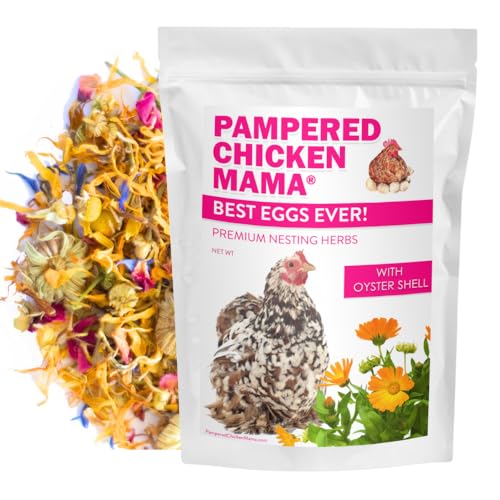 | Premium Blend | Primary Material: Human‑grade herbs & oyster shells (pellet) | Backing/Support Layer: None (pellet) | Dimensions (approx.): 10 oz bag (pellet) | VIEW LATEST PRICE | Read Our Analysis |
| Handmade Woven Chicken Nest Pads (2 Pack) |  | Handcrafted Luxury | Primary Material: Sustainably harvested straw (woven) | Backing/Support Layer: Rope frame reinforcement | Dimensions (approx.): 15.5 × 15.5 in pad | VIEW LATEST PRICE | Read Our Analysis |
| HealthiStraw Fine Cut Chicken Bedding (25 lb) |  | Maximum Absorption | Primary Material: Non‑GMO wheat straw (fine cut) | Backing/Support Layer: None (loose bedding) | Dimensions (approx.): 25 lb bale (½‑in pieces) | VIEW LATEST PRICE | Read Our Analysis |
| Yerliker 12 Pack Chicken Nest Box Pads – Natural Coconut Fiber Liners |  | Natural Comfort | Primary Material: Coconut palm fiber | Backing/Support Layer: Kraft paper backing | Dimensions (approx.): 11.81 × 11.81 in pad | VIEW LATEST PRICE | Read Our Analysis |
More Details on Our Top Picks
Nest Box Pads for Chicken Nesting Boxes (10 Pack)
All right, you’re tired of constantly cleaning soggy straw that clings to eggs and makes nest boxes a mess. Here’s the thing: Pecking Order’s Nest Box Pads replace that mess with 13‑by‑13‑inch sheets of sustainably sourced aspen excelsior backed by kraft paper. The fibers soak up droppings, let air flow, and keep eggs on top instead of buried. You’ll swap a pad in seconds, no shuffling straw, and the pack of ten lasts a while before you need a fresh batch. Obviously, they’re a bit heavier than straw—5.78 lb for ten—but the clean‑up payoff outweighs the weight.
Now, imagine you’re pulling a pad out, scrunching it, and it snaps right into shape for any standard coop box. That flexibility means you won’t need a different product for each hen’s preference. The pads are hand‑packed in the USA, so you get consistent thickness and a reliable paper backing. If you value eco‑friendly sourcing, the aspen comes from Sustainable Forestry Initiative members, which is a nice bonus for the environmentally conscious farmer.
This one’s for you if you want quick turnover, dry nests, and eggs that stay visible for easy collection. You won’t have to wrestle with soggy straw or worry about hidden eggs. Just replace the pad when it’s worn, and you’ll keep the nest box tidy without extra hassle. Go ahead, try the ten‑pack; it’s a straightforward upgrade that feels like a no‑brainer for anyone serious about a clean coop.
- Primary Material:Aspen excelsior wood fibers
- Backing/Support Layer:Kraft paper backing
- Dimensions (approx.):13 × 13 in pad
- Pack Quantity:10 pads per pack
- Sustainability Claim:Sustainably sourced aspen, made in USA
- Primary Use in Coop:Nest box liner
- Additional Feature:Hand‑packed quality control
- Additional Feature:USA‑made construction
- Additional Feature:Wood‑grain aesthetic
Nest Box Pads for Chicken Boxes (5-Pack)
You’ve probably spent hours cleaning nest boxes, only to find the bedding soaked and eggs buried. All right, these 13 × 13 inch pads slip right into most boxes, and the aspen excelsior fibers keep droppings away from the hens and eggs. The kraft paper backing stays flat, so you replace the whole pad in seconds instead of scooping soggy straw.
Here’s the thing: the pads lift eggs, making collection a breeze, and the breathable fibers dry out faster than pine shavings. They’re sustainably sourced, hand‑packed, and consistent in thickness, so you won’t end up with a wobbly liner.
Obviously, they’re a bit pricier than bulk straw, and you’ll need to stock up on five‑packs if you have many coops. If you love a tidy, low‑maintenance box and don’t mind swapping pads regularly, this one’s for you. Swap the pad, walk away, and enjoy cleaner eggs without the endless scooping.
- Primary Material:Aspen excelsior wood fibers
- Backing/Support Layer:Kraft paper backing
- Dimensions (approx.):13 × 13 in pad
- Pack Quantity:5 pads per pack
- Sustainability Claim:Sustainably sourced aspen, made in USA
- Primary Use in Coop:Nest box liner
- Additional Feature:Eco‑friendly aspen fibers
- Additional Feature:Easy‑replace pad system
- Additional Feature:Natural wood color
Natural Wheat Straw 1 lb Garden Mulch & Bedding
You’re tired of soggy, smelly bedding that never stays clean, and you need something that works for both your garden and your chickens. Natural Wheat Straw 1 lb Garden Mulch & Bedding gives you a chemical‑free, sun‑dried option that stays fresh longer. The vacuum‑sealed pack keeps it odor‑free until you open it, so you avoid that “old‑hay” stink that turns coops into stink pits.
All right, this straw doubles as mulch, so you can spread it over vegetable beds, strawberries, or roses while it retains moisture and moderates soil temperature. When it breaks down, it improves soil structure, feeding your garden organically. If you already mulch, you’ll love the extra benefit of a ready‑made coop liner.
Now, for the coop: the straw’s natural fibers absorb droppings without clumping, keeping nest boxes dry and comfortable. It works well for chickens, rabbit hutches, and even stray‑cat shelters. The only downside is that it’s a lighter material, so very large flocks may need to replace it more often than heavyweight wood shavings. Obviously, if you prefer a low‑maintenance, dual‑purpose solution, this one’s for you if you want a single product that feeds both garden and birds. Give it a try, and you’ll see a cleaner coop and healthier plants without extra hassle.
- Primary Material:Wheat straw
- Backing/Support Layer:None (loose straw)
- Dimensions (approx.):1 lb bag (no fixed pad size)
- Pack Quantity:1 lb bag (single unit)
- Sustainability Claim:Natural sun‑dried straw, chemical‑free
- Primary Use in Coop:Mulch & bedding (including nest boxes)
- Additional Feature:Chemical‑free, seed‑free
- Additional Feature:Vacuum‑sealed freshness
- Additional Feature:Multi‑use garden & bedding
Pampered Chicken Mama Nesting Herbs (10 oz)
If you’re tired of hens laying eggs everywhere but the nest, this premium blend of herbs and oyster shells can change that. You’ll sprinkle the 10‑oz bag onto the coop floor, mix it with bedding, and instantly get a fresh floral scent that draws birds to the box. The human‑grade herbs—lavender, calendula, rosemary, and more—plus oyster shells give a natural calcium boost, improving shell quality without any artificial additives.
Now, you might wonder if it works for all birds. Obviously, it’s safe for chickens, ducks, geese, and even quail, and it suits every life stage from chicks to seniors. The only trade‑off is the cost compared to plain straw; you pay for the health and scent benefits, not just cheap filler.
Here’s the thing: if you want a simple, plant‑based way to attract hens, boost egg quality, and keep the coop smelling like a garden, this blend fits right in. Use it with aspen nesting pads for extra comfort, and you’ll notice fewer stray eggs in a week. All right, give it a try and enjoy a cleaner, cozier nesting area without guesswork.
- Primary Material:Human‑grade herbs & oyster shells (pellet)
- Backing/Support Layer:None (pellet)
- Dimensions (approx.):10 oz bag (pellet)
- Pack Quantity:10 oz bag (single unit)
- Sustainability Claim:Human‑grade, additive‑free herbs (US‑sourced)
- Primary Use in Coop:Nesting herb supplement (sprinkle on bedding)
- Additional Feature:Human‑grade herb blend
- Additional Feature:Additive‑free formulation
- Additional Feature:Floral coop scent
Handmade Woven Chicken Nest Pads (2 Pack)
All right, if your hens keep slipping on flimsy cardboard and you’re tired of cracked eggs, this handcrafted luxury pad solves that hassle. You’ll love the flat, woven base made from 100 % sustainably harvested straw, reinforced by a rope frame that holds shape even when the birds hop in and out. The pads measure 15.5 × 15.5 in and sit 2.75‑3.5 in thick, giving hens a cozy, stable platform that reduces breakage and speeds egg collection.
Now, you might wonder if the 2‑pad pack fits your coop layout. The 2 kg set is light enough to move but sturdy enough not to deform, and you can swap them between nesting boxes or even use them for ducks, rabbits, or pet birds. Obviously, if you have a very large flock you’ll need more than two, but for a backyard setup the pack covers most needs without waste.
Here’s the thing: the eco‑friendly design means you’re not adding plastic waste, and the reusable straw lasts season after season. If you value durability and a natural feel, this is for you if you want a low‑maintenance, high‑comfort nest that looks good and works even. Grab the pack, place them in your boxes, and watch the eggs stay intact while you enjoy a cleaner coop.
- Primary Material:Sustainably harvested straw (woven)
- Backing/Support Layer:Rope frame reinforcement
- Dimensions (approx.):15.5 × 15.5 in pad
- Pack Quantity:2 pads per pack
- Sustainability Claim:100 % sustainably harvested straw
- Primary Use in Coop:Nest pad (woven)
- Additional Feature:Rope‑frame reinforcement
- Additional Feature:Reusable woven design
- Additional Feature:Multi‑species suitability
HealthiStraw Fine Cut Chicken Bedding (25 lb)
Max absorption is what you need when your coop’s litter turns soggy fast, and HealthiStraw Fine Cut Chicken Bedding delivers it in every ½‑inch piece. You’ve probably watched moisture pool under the nesting box, smelling the stink before you even notice the droppings. This fine‑cut wheat straw wicks water from the bottom up, keeping the surface dry and the odor at bay.
All right, the pieces are dust‑free, ultra‑soft, and fluffy, so your hens’ feet stay protected and their respiratory systems stay clearer than with wood shavings. You’ll love how a 3‑cubic‑foot bale expands to over 10 cubic feet of breathable bedding, yet stays lightweight enough to move without a crew.
Now, if you raise ducks, turkeys, or even a few goats, this bedding works for them too, but it isn’t the best choice for very large livestock that need deeper bedding layers. It composts four times faster than wood, turning into a nutrient‑rich garden amendment without a hassle.
Here’s the thing: you’re looking for a fast‑absorbing, low‑dust, eco‑friendly option that feels premium without breaking the bank. HealthiStraw fits that bill perfectly, especially if you value quick clean‑ups and a tidy coop. Go ahead and give it a try—you’ll see the difference the first week, and the decision will feel obvious and smart.
- Primary Material:Non‑GMO wheat straw (fine cut)
- Backing/Support Layer:None (loose bedding)
- Dimensions (approx.):25 lb bale (½‑in pieces)
- Pack Quantity:25 lb bale (single unit)
- Sustainability Claim:Non‑GMO wheat straw from Canadian Prairies
- Primary Use in Coop:Fine‑cut bedding (nest boxes)
- Additional Feature:Ultra‑soft fluffy texture
- Additional Feature:Fast‑composting material
- Additional Feature:Dust‑free processing
Yerliker 12 Pack Chicken Nest Box Pads – Natural Coconut Fiber Liners
You’ve probably spent hours cleaning straw that never stays dry, and you’re tired of broken eggs. Now, imagine a pad that soaks up moisture, cushions each egg, and stays in place for months. The Yerliker 12‑pack uses natural coconut fiber backed by kraft paper, so you loosen the fibers, drop a pad into each nest, and the hens settle into a dry, comfy spot.
All right, this one’s for you if you want a mess‑free coop without the constant straw shuffle. The 30 × 30 cm mats fit most boxes, and the vacuum‑pack preserves freshness until you open them. Obviously, you’ll need to spend a minute loosening the fibers, but after that the pads stay cushioned and hygienic.
Here’s the thing: the pads keep eggs elevated and clean, making collection faster and reducing breakage. They work best in coops where you already have a solid nest box; if you rely on deep litter, you might miss the full benefit.
If you’re ready to ditch soggy straw and enjoy a cleaner, calmer egg‑gathering routine, grab a pack and give your hens the comfort they deserve.
- Primary Material:Coconut palm fiber
- Backing/Support Layer:Kraft paper backing
- Dimensions (approx.):11.81 × 11.81 in pad
- Pack Quantity:12 pads per pack
- Sustainability Claim:Coconut fiber from sustainable palm source
- Primary Use in Coop:Nest box liner (coconut fiber)
- Additional Feature:Vacuum‑packed convenience
- Additional Feature:Moisture‑absorbing coconut fiber
- Additional Feature:Long‑lasting durability
Factors to Consider When Choosing Straw for Chicken Nesting Boxes
You’re probably frustrated by straw that clumps, stays damp, or falls apart before you even collect the first egg.
Here’s the thing: absorbency and fiber type dictate how quickly moisture is wicked away, while durability and longevity tell you if the straw will last through a season or need constant replacement.
If you want easy maintenance, good egg visibility, and a material that fits your coop’s climate, pick the one that balances moisture absorption with a sturdy, non‑blocking texture—this one’s for you if you value hassle‑free cleaning and consistent egg collection.
Absability and Fiber Type
All right, if you’ve been wrestling with soggy nests and clumping straw, you know the frustration of trying to keep your hens comfortable while preventing a damp mess.
Now, think about fiber structure: coarse, hollow wheat straw lifts the nest, lets air flow, and wicks moisture enough to stay dry, but it can feel a bit rough on tiny chicks. Short, fine‑cut fibers compact fast, so you’ll replace them often, yet they’re dust‑free and protect respiratory health.
Here’s the thing: natural, non‑GMO fibers decompose into soil gold, but wood‑type fibers break down slower than wheat, so you might end up with a messier box sooner.
Obviously, if you want a long‑lasting loft that breathes, choose longer, resilient fibers; if you prioritize dust‑free, short‑term comfort, go fine‑cut, cleaned straw.
Pick the one that matches your flock’s size and your cleaning schedule, and you’ll feel confident without second‑guessing.
Moisture Absorption Capacity
All right, you know the frustration of a soggy nest that stays damp long after the rain stops. Straw’s hollow stems trap air, so it doesn’t soak up liquid as fast as pine shavings or hemp. That means moisture can linger near the surface, especially with coarse, long pieces. Fine‑cut straw gives more surface area, wicking a bit better, but it still trails behind finer bedding.
Now, think about airflow. Straw’s structure lets air circulate, helping the nest dry from within, which curbs bacterial growth and egg contamination. If you value a balance of breathability and modest absorption, this one’s for you if you don’t mind checking the nest daily.
Obviously, high absorption isn’t everything—too much can clump and block airflow. Choose a cut that matches your coop’s ventilation; fine pieces work in well‑ventilated boxes, while coarser straw fits a drier climate.
Here’s the thing: pick the straw that fits your routine. If you can change bedding often, fine‑cut straw gives you that extra wicking edge without sacrificing airflow. If you prefer low‑maintenance, coarser straw still keeps the nest breathable, though you’ll need to monitor damp spots.
Make your choice confidently—your chickens will thank you with dryer, healthier nests.
Durability and Longevity
All right, you’ve probably noticed that some straw boxes sag or crumble after a few weeks, and that’s frustrating when you’re trying to keep a tidy coop. The good news is that durability hinges on how the straw is sourced and built. Sustainable forestry certifications assure you the material won’t run out, while hand‑packed aspen excelsior with a kraft backing gives uniform thickness that resists crushing.
Now, look at construction. A rope‑frame woven base keeps the box from deforming, and thorough cleaning removes dust that could weaken fibers over time. Obviously, straw decomposes faster than wood, so you’ll replace it more often, but reinforced designs stretch that cycle.
Here’s the thing: if you want a low‑maintenance, long‑lasting nest, choose a product with reinforced construction and a clean‑processing claim. It’s a solid, stress‑free option for most flocks.
Ease of Maintenance
Ease of maintenance starts with the dust you’re already fighting. You know the constant sweep, the sneezes, the mess that never seems to end. Fine‑cut, cleaned straw cuts that dust dramatically, so you replace bedding less often than with full‑length, unprocessed stalks.
All right, now think about moisture. Straw that wicks water down and lets air flow keeps the surface drier, stretching the days between changes. If the bedding compresses into a solid mat, you’ll have to pull the whole box out for a deep clean, which nobody wants.
Here’s the thing: pre‑formed pads or liners are a game‑changer. You lift a whole layer, toss the soiled one, and drop a fresh pad in—no mixing clean and dirty material. This works best if you don’t mind buying pads separately; otherwise, loose straw stays cheap but needs more frequent turning.
Obviously, faster‑decomposing straw means you’ll top up more often, but it also means less odor buildup. Choose the rate that matches your cleaning schedule. If you’re a busy keeper, go for the resilient, low‑compression option; if you love swapping out fresh straw daily, the fine‑cut version fits.
Now you’ve got the facts, so pick the straw that fits your routine and keep those nesting boxes tidy without a fuss.
Egg Visibility and Collection
You’re tired of hunting for hidden eggs after a night of laying, and you know a fluffy, deep litter just buries them. The material’s structure should let eggs sit on top, so you spot them instantly. Fibers that promote air circulation keep the surface dry, preventing soggy spots that hide shells.
All right, choose a straw that wicks moisture down, not into the nest. A smooth, flat surface beats loose, deep litter because it reduces concealment and cuts your search time in half.
Now, consider shaping the bedding into a shallow depression. That little bowl keeps eggs together, making collection a breeze. This one’s for you if you want quick, clean gathers without a treasure‑hunt feel. Obviously, a denser straw works best for larger flocks; lighter varieties suit a few hens.
Pick the option that matches your coop size and cleaning routine, and you’ll never miss a fresh egg again.
Safety for Hens
You’ve got the perfect egg‑spotting setup, but now you need to make sure the straw isn’t hurting your hens. Obviously, you’ll want straw that’s free of chemicals and weed seeds; toxic residues or unwanted plants can poison your flock or invite unwanted weeds in the coop. All right, choose a dust‑free variety, because a cloud of particles will irritate their lungs and turn a healthy hen into a wheezing one.
Now, fine‑cut straw creates a soft cushion for their delicate feet, preventing abrasions that turn into infections. Here’s the thing: moisture‑wicking straw pulls sweat and droppings away, keeping the nest dry and blocking mold or bacterial growth. This one’s for you if you live in a humid climate and need that extra dryness.
Lastly, pick straw that decomposes naturally; it won’t release hazardous by‑products as it breaks down, keeping the air clean and the bedding safe. If you prefer a low‑maintenance option, this will let you change bedding less often without risking toxic buildup. Go ahead, trust these guidelines, and you’ll give your hens a safe, comfy spot to lay.
Environmental Impact
If you’re worried about the footprint of your coop’s bedding, you’re not alone—many backyard growers wonder whether straw really is eco‑friendly. You care about soil health, so you’ll love that straw breaks down faster than wood shavings, turning into nutrient‑rich compost for your garden. You also want a product that doesn’t linger in landfills; its biodegradability means less long‑term waste than synthetic bedding.
Now, think about sourcing. If you choose certified‑forestry straw, you support responsible land management and avoid deforestation. You’ll also appreciate that chemical‑free straw won’t leach synthetics into the soil or your chickens’ environment.
Here’s the thing: dust‑cleaned straw cuts airborne particles, keeping the coop air cleaner for you and the hens. This one’s for you if you value a low‑impact, natural cycle from coop to garden. Obviously, no single option fits everyone, but with these facts you can pick confidently and keep your coop green.
Cost Effectiveness
All right, you’re staring at a price tag and wondering if the cheap 25‑lb bale of wheat straw really beats those pricey nest pads. Obviously, the bale costs less per pound, but you’ll need a bulk purchase to fill the whole coop, which raises the upfront spend. Here’s the thing: straw spreads across general bedding and nesting boxes, so you get double duty for the same dollars.
Now, think about turnover. If you replace straw every few weeks because it gets soggy, the ongoing cost climbs, while specialty pads last longer and stay cleaner. But you can compost the used straw, turning waste into garden gold and offsetting the expense with free fertilizer.
This one’s for you if you love bulk buying, don’t mind a bit of extra labor, and want a sustainable side‑benefit. If you prefer low‑maintenance, long‑lasting liners, the pads still make sense. Either way, you’ve got the facts—pick the option that fits your coop’s rhythm and budget.