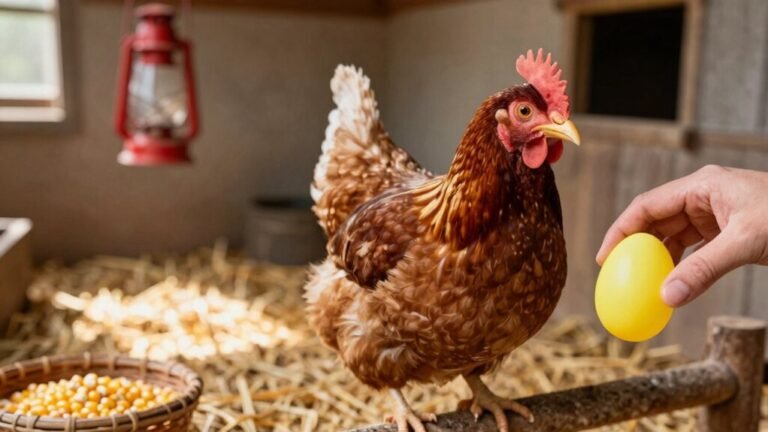
If you’ve ever tossed your chickens a salty snack and wondered whether that was a mistake, you’re not alone. Yes, chickens absolutely need salt — sodium and chloride support nerve function, digestion, and hydration. But here’s the thing: you’re only targeting 0.12%–0.20% sodium in their diet, roughly 400–600 grams of table salt per 100 kg of feed. Exceed that, and you’re looking at kidney failure, seizures, and worse. Keep scrolling — there’s a lot more to unpack here.
Can Chickens Have Salt?
Salt is one of those things you probably don’t think twice about tossing on your own food, but the moment it comes to your chickens, suddenly you’re second-guessing everything. Here’s the thing — yes, chickens absolutely can have salt. They actually need it. Salt provides sodium and chloride, two essential minerals your flock requires for proper mineral balance, nerve function, and healthy digestion.
Now, the tricky part isn’t whether to give it — it’s how much and from which salt sources. Commercial feeds already contain it. Most guidelines recommend sodium levels between 0.12% and 0.2% in finished feed. Your chickens aren’t asking for a salt lick at happy hour, but without enough, they’ll grow slowly and act lethargic. So yes — salt matters. Beyond growth and energy, salt helps balance electrolytes, regulates body temperature, stimulates thirst, and increases water intake, which in turn improves feed intake and overall growth rate.
How Much Salt Do Chickens Actually Need?
Getting the numbers right feels fussier than it should, but once you see how tight the margin actually is, it clicks. Your chickens need sodium at roughly 0.12% to 0.20% of their diet — which translates to about 0.4% to 0.6% table salt in the actual feed formulation. Now, that’s a surprisingly narrow window. Mix 400 to 600 grams of salt per 100 kilograms of custom feed, and you’ve nailed the sodium balance without overthinking it. Here’s the thing — commercial layer mash already handles this math for you. Obviously, adding extra salt on top just creates problems. All right, the honest nudge here? If you’re mixing your own feed, measure carefully. If you’re buying commercial, trust the bag and leave the saltshaker in the kitchen. When you do mix your own, always blend the measured salt into a premix carrier first rather than dumping it straight into the bulk feed — this prevents concentrated salt pockets that could expose individual birds to toxic doses.
What Happens When Chickens Get Too Much Salt?
When the salt balance tips too far, things go wrong fast — and the symptoms don’t ease you into it gently. Your chickens’ salt metabolism can spiral quickly once electrolyte balance breaks down, and what you’ll see isn’t subtle. We’re talking ataxia, wry neck, convulsions, gasping, and birds lying on their backs paddling their feet uselessly. Now, that’s not drama — that’s documented reality.
Here’s the thing: the damage goes internal too. Kidneys fail. Hearts enlarge. Fluid builds in the abdomen, lungs, and pericardial sac. Muscles go pale and watery. Egg production tanks. Testes develop cysts.
Obviously, none of this happens from a stray pretzel. But consistent overexposure? Your flock pays a serious, organ-level price. Processed leftovers like chips, bread, and mandazi are some of the most common culprits behind accidental salt overexposure in backyard flocks.

SIMPLY MIX WITH WATER: Convenient powder formula that dissolves easily for quick hydration support.

Use by date: This product’s use by date is determined by the Period After Opening symbol. The Period After Opening symbol is marked by a box with a numerical number (X) followed by letter M for months. The symbol denotes that the product is recommended to be used within X months of opening

Daily Water Support for Chickens & Poultry: Whether you're raising young chicks, maintaining laying hens, or caring for a mixed flock of ducks and geese, this all-in-one water supplement provides electrolytes, vitamins, and probiotic nutrition to support hydration, digestive balance, nutrient utilization, and everyday vitality
What Are the Warning Signs of Salt Toxicity in Chickens?
Spotting salt toxicity early is the difference between a recoverable flock and a necropsy report, and the warning signs hit across every system — neurological, behavioral, digestive, and respiratory — almost simultaneously. Now, here’s what you’re watching for: neurological signs like circling, seizures, wry neck, and that horrifying back-pedaling leg motion. You’ll also notice your birds drinking excessively, producing watery white diarrhea, and soaking the litter. Behaviorally, depression and weakness show up fast. Here’s the thing — respiratory distress and gasping follow close behind. Salt toxicity moves quickly, and by the time you’re seeing full convulsions, you’re already behind. Obviously, catching the drinking spike and wet litter first buys you precious time. Don’t wait for neurological signs to confirm what the water consumption already told you.

FOR CHICKENS OF ALL AGES: Electrolytes plus Vitamins & Trace Minerals for Poultry of All Ages

⭐Hydration & Daily Wellness Support: Formulated with electrolytes, probiotics, and essential vitamins to help support hydration, energy, and overall wellness during hot summers, cold winters, and seasonal changes. Ideal for chickens, ducks, chicks, ducklings, and backyard poultry year-round

KEEP YOUR FLOCK HYDRATED & ACTIVE – Formulated with essential chicken electrolytes for water to support hydration during hot weather, heat stress, transport, molting, and daily flock care. This poultry electrolyte supplement helps chickens, ducks, and turkeys stay energized and refreshed
How Do You Treat Salt Poisoning in Chickens?
If you’ve caught salt toxicity early enough to still be asking what to do next, that’s actually good news — it means you’ve got a window. Here’s the thing: salt management right now means removing contaminated feed immediately and replacing it with clean water — but slowly. Don’t flood them. Small amounts, frequently, over two to three days.
Now, treatment protocols get more specific than most people expect. You’re lowering serum sodium at roughly 0.5–1.0 mEq/L per hour — too fast causes brain swelling. Isolate affected birds somewhere warm, quiet, and low-stress. Furosemide helps prevent fluid buildup in severe cases.
Obviously, there’s no antidote. Supportive care is everything here. If birds are crashing, call your vet. You’ve done the right thing catching this early — now follow through.

NO MORE COOKING - JUST ADD WATER! When dogs experience digestive upset, including vomiting and diarrhea, vets recommend feeding a “bland diet” to soothe the digestive tract until normal digestion is restored. Shelf life: 36 months from manufacturing date. EXP date Printed on the back of the pouch near the bottom seal as EXP MM/YY.

Chicken Supplements - Fortified with the essential nutrients that growing chicks need. Improve the wellness of your flock by adding a little to their water each day. Each bag contains a blend of 4 probiotics in just one convenient package!
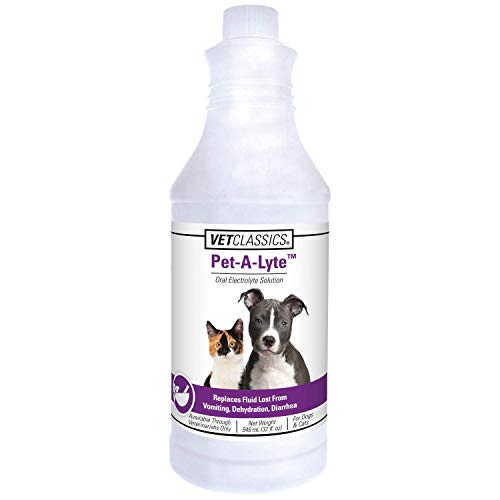
ELECTROLYTE SOLUTION FOR CATS AND DOGS: When your pets are faced with dehydration, vomiting or diarrhea, it’s important to replace the lost fluids quickly with Vet Classics Pet-A-Lyte Oral Electrolyte Solution for dogs and cats. This great-tasting liquid electrolyte solution comes in a 32 Oz. bottle and helps to help replace your pet’s fluids.