You can safely feed garlic to your chickens when used in moderation, despite its containing low levels of thiosulfate compounds. Research shows garlic supplements of 1-2% in feed provide immune-boosting benefits and natural pest control properties while avoiding toxic effects. Keep doses under 0.5% of body weight and monitor for digestive issues. For best results, introduce garlic gradually and maintain proper nutritional balance – there’s much more to understand about maximizing its benefits.
The Science Behind Garlic Safety for Chickens
While garlic has been traditionally used in poultry farming, scientific research reveals significant concerns about its safety for chickens. The primary issue stems from garlic’s thiosulfate content and other sulfur compounds, which can trigger oxidative damage to chickens’ red blood cells, potentially leading to hemolytic anemia.
Studies using embryonated chicken eggs demonstrate that garlic extract causes dose-dependent cytotoxic effects, with concentrations above 50 mg/mL resulting in severe tissue damage and mortality. Though garlic shows some protective properties against environmental toxicants and can enhance nutrient absorption, its dual nature presents a complex challenge. Research indicates that even small amounts may cause subclinical harm, while the exact threshold for garlic toxicity remains poorly defined. This uncertainty makes it essential to approach garlic supplementation with caution in poultry diets. Consuming as little as 0.5% of body weight in garlic can produce toxic effects in chickens.
Health Benefits of Adding Garlic to Chicken Feed
Despite concerns about garlic’s toxicity, research demonstrates significant health benefits when administered in controlled amounts to chicken feed. The compound allicin delivers powerful immune-boosting effects by increasing white blood cell activity and providing antimicrobial protection against pathogens. You’ll find that garlic’s polysaccharides enhance disease resistance without synthetic antibiotics. Fresh garlic converts alliin to allicin when crushed, maximizing its therapeutic potential.
The digestive benefits are equally impressive. Garlic improves gut health by promoting beneficial bacteria while inhibiting harmful strains, leading to better nutrient absorption and feed conversion. Your chickens will experience enhanced gut morphometry and digestive efficiency. Additionally, garlic supplementation increases egg quality, improves meat characteristics, and reduces parasitic infections. You’ll notice better growth performance in broilers, with studies showing higher body weight gains when garlic comprises approximately 1% of their diet.

Natural Digestion Support: Our garlic digestive mix also includes oregano, flaxseeds, pepper, capsicum and red pepper flakes for chickens to support intestinal health. Ingredients commonly used to support gut flora, feed absorption, resilience and energy
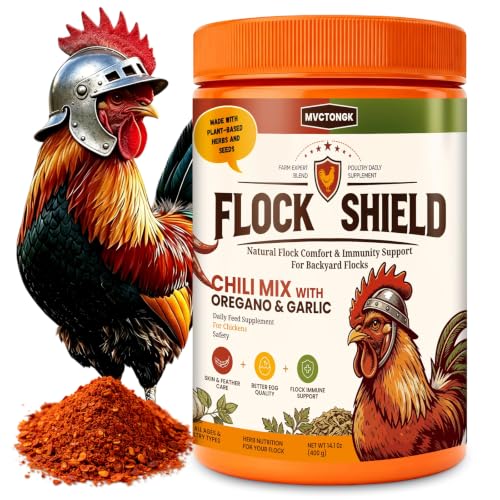
CHICKEN FEED SUPPLEMENT FOR BACKYARD HENS: A blend of oregano, garlic, capsicum, flaxseed and black pepper made to complement regular feed and add variety to everyday poultry nutrition

NATURAL SOURCE OF NIACIN: Provides Niacin (Vitamin B3) for Ducks and Chickens
Proper Dosage and Administration Methods
Administering the correct garlic dosage maximizes health benefits while preventing potential complications in your flock. When garlic sourcing, you’ll want to use one clove per 6 hens for occasional treats, or mix one clove per liter of water twice weekly. For ideal dosage timing, implement a weekly administration schedule, avoiding continuous use beyond 10 days.
For sick birds, you can increase frequency to daily doses for 7-10 consecutive days, followed by a 5-7 day break. Add crushed garlic to feed or water, keeping concentrations at 0.3% of feed weight for powder supplements. Studies show this approach leads to improved feed conversion in broiler chickens. Remember to monitor your flock’s response and adjust accordingly. Don’t leave garlic water standing more than 48 hours, and introduce garlic gradually to guarantee your chickens adapt properly to the supplement.

Support Healthy Chick and Duckling Development - Guards your backyard flock against seasonal sniffling, harsh weather shifts, and environmental influences. Infused with pure, natural garlic to support clear upper respiratory tract pathways and optimize cellular immune response.

Help your chickens, ducks, and other poultry grow healthy bones with Pampered Chicken Mama’s brewer’s yeast mixed with dried garlic and premium oregano.

Natural Pest Control Properties
Garlic’s natural pest control properties make it an exceptional choice for managing both internal and external parasites in chicken flocks. Pest deterrent mechanisms include garlic’s potent sulfur compounds, particularly allicin, which demonstrate up to 96% effectiveness against red mites after two applications. You’ll find that garlic efficacy studies support its broad-spectrum antimicrobial action against protozoan parasites like Eimeria, while also controlling intestinal worms. Natural compounds in garlic help reduce odors in chicken manure while maintaining flock health.
When you add crushed garlic or garlic juice to drinking water at 10% concentration, you’ll create an environment that repels biting ectoparasites. The compound’s natural properties extend beyond direct parasite control – garlic consumption may reduce your chickens’ blood attractiveness to external parasites while simultaneously strengthening their immune systems through beneficial gut bacteria stimulation. Adding 2-4 crushed cloves per gallon of water provides an optimal dosage for maintaining these protective benefits.

Commercial-Strenth Garlic Extract Concentrate: Garlic Barrier is a highly concentrated liquid garlic extract designed for farms, orchards, gardens, and greenhouse operations. Mixes easily with water and applies with common sprayers, providing an efficient solution for growers, landscapers, and serious gardeners managing larger planting areas.

ODORLESS GARLIC: Receive the powerful benefits of Garlic without odor!

This garlic product is standardized to yield allicin precursors, which convert to allicin when ingested
Historical Use and Research Evidence
While garlic’s medicinal properties have been known for centuries, its documented use in poultry husbandry dates back to pre-antibiotic farming practices. Historical garlic usage focused on improving immune function, controlling infections, and enhancing overall poultry health through natural means.
Early research validated traditional practices, showing garlic’s effectiveness as an antimicrobial agent against common pathogens like E. coli and Salmonella. Studies demonstrated that supplementing feed with 1% garlic powder could serve as an alternative to antibiotics, improving growth performance and immune response. Research confirmed garlic’s ability to stimulate antibody production, reduce cholesterol levels, and maintain gut health in chickens. Modern farmers have found that garlic acts as a natural wormer in chickens.
Traditional methods included offering crushed fresh cloves or incorporating garlic powder at 2% concentration in feed, with farmers noting enhanced vigor and reduced disease incidence in their flocks.
Potential Side Effects to Watch For
Despite its therapeutic benefits, garlic supplementation in poultry requires careful monitoring due to several potential adverse effects. You’ll need to watch for digestive issues in your chickens, as garlic can cause stomach upset, nausea, and diarrhea, particularly when fed raw. The sulfur compounds in garlic may also result in persistent garlic breath and body odor, which could affect flock dynamics and proximity interactions. Similar to humans with fructan sensitivities, chickens may experience digestive discomfort from garlic consumption.
Be particularly cautious if your chickens are receiving any medications, as garlic’s antithrombotic properties can interact with various drugs and affect their absorption. The compound’s blood-thinning effects might increase bleeding risks during routine procedures or injuries. Additionally, when combining garlic with high-fat feeds, you may notice reduced effectiveness due to compromised nutrient absorption and bioavailability.
Impact on Egg Quality and Production
Research demonstrates that incorporating garlic supplements into laying hens’ diets greatly enhances multiple egg quality parameters. You’ll notice increased egg weight when adding garlic powder at levels up to 2-3% of feed, with studies showing statistically significant improvements compared to control groups. The supplementation particularly affects yolk characteristics, producing deeper yolk colors and larger yolk diameters – qualities that consumers prefer.
Garlic supplementation also improves albumen quality, raising both height and Haugh Unit scores, especially during storage. Studies show that combining garlic with Moringa leaf powder leads to superior feed conversion in laying hens. While internal egg components show marked enhancement, you won’t see significant changes in eggshell parameters like thickness or strength. The research confirms that garlic’s benefits focus primarily on improving internal egg quality metrics rather than shell characteristics.

BACKYARD FLOCK WELLNESS– Herbal “chicken powder” style blend to support a healthy gut and natural defense for backyard chickens; a daily wellness chicken option for routine care.

【Natural Daily Poultry Wellness Support】Crafted with naturally sourced ingredients to support everyday digestive balance and overall wellness for chickens and birds as part of a regular feeding routine.

Support Healthy Chick and Duckling Development - Guards your backyard flock against seasonal sniffling, harsh weather shifts, and environmental influences. Infused with pure, natural garlic to support clear upper respiratory tract pathways and optimize cellular immune response.
Best Practices for Garlic Supplementation
To effectively supplement chickens with garlic, you’ll need to carefully consider both dosage and delivery method. Mix garlic powder into feed at a 1-2% ratio, or offer fresh crushed garlic in moderation to prevent gut flora disruption. For ideal timing, introduce supplements during growth phases and maintain consistent daily doses throughout production cycles. Studies show that three pinches of granules per water serving provides optimal supplementation.
Start with gradual introduction, especially in young chicks, to build tolerance and acceptance. You can add garlic to feed or float whole cloves in waterers, replacing them every few days to maintain freshness. Monitor your birds for any adverse reactions, particularly when increasing doses. While garlic’s low thiosulphate levels are generally safe for chickens, excessive amounts may disturb beneficial gut bacteria, so maintain moderate supplementation levels for best results.

Superior calcium from Oolitic Aragonite: Provides high-quality calcium sourced from naturally occurring Oolitic Aragonite for optimal poultry nutrition

Herbal Chicken Dewormer for Flock Condition —When chickens show reduced appetite, low vitality, or a decline in egg production, this herbal dewormer powder offers a natural option for backyard flock care. Easy to mix with regular feed and designed to fit into a consistent flock care routine.
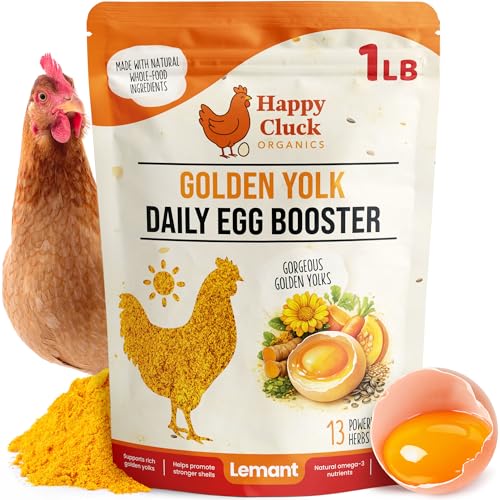
13 WHOLE-FOOD HERBS IN EVERY DAILY SCOOP - This Daily Egg Booster for Chickens packs 13 functional whole-food ingredients into every daily scoop. Each 1 LB pouch blends pumpkin powder, carrot powder, turmeric, milled calendula flowers, stabilized flaxseed, black oil sunflower meal, brewer's yeast, dual-grade calcium carbonate, kelp meal, chili flakes, rosemary extract, and standardized marigold extract into a single premium chicken vitamin and supplement for daily backyard flock nutrition.
Balancing Garlic With Other Dietary Elements
When incorporating garlic into chicken feed, maintaining proper nutritional balance becomes critical for peak health outcomes. You’ll need to take into account garlic’s synergy with protein sources, as its amino acid content can enhance overall protein utilization. For ideal dietary balance, combine garlic with adequate mineral and vitamin sources, particularly when targeting improved egg shell quality and cardiovascular health.
Keep garlic supplementation at 1-3% of feed to avoid negative impacts on egg flavor while maximizing its benefits. This level supports effective antibacterial and anticoccidial properties while complementing other feed components. A basal diet containing maize and broken rice provides the necessary energy foundation when supplementing with garlic. You’ll find garlic works effectively to reduce blood triglycerides and cholesterol, especially in local breeds. Monitor liver and cecal weights when using aged garlic extract, as these may decrease with supplementation.