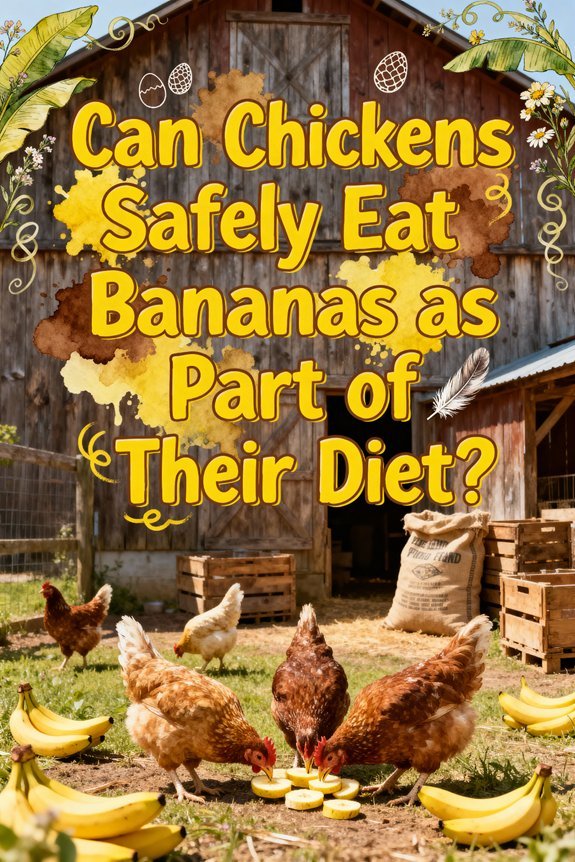
You can safely feed bananas to your chickens as a nutritious treat that provides essential vitamins and minerals. Serve ripe bananas in small portions of 1 tablespoon per adult chicken, 1-2 times weekly, keeping treats under 5% of their total diet. Make sure to wash the fruit thoroughly and slice it into manageable pieces. While bananas offer valuable nutrients like potassium and B vitamins, proper portioning and preparation are key to maximizing their benefits.
Nutritional Value of Bananas for Backyard Chickens
While bananas are often considered a healthy treat for backyard chickens, their nutritional profile makes them best suited as a supplement rather than a primary food source. All banana varieties offer important vitamins and minerals, including potassium for eggshell quality, magnesium for protein synthesis, and B vitamins for nervous system health. A deficiency in vitamin B12 levels can significantly reduce egg production in laying hens.
Digestibility factors vary between the fruit’s flesh and peel. The flesh contains about 75% water and moderate carbohydrates, making it easily digestible and hydrating. However, bananas are comparatively low in protein and fat, providing only 1.1g and 0.3g respectively per medium fruit. While they’re rich in antioxidants and support muscle function, you’ll need to maintain a balanced feed as the primary nutrition source to prevent deficiencies in your flock’s diet.
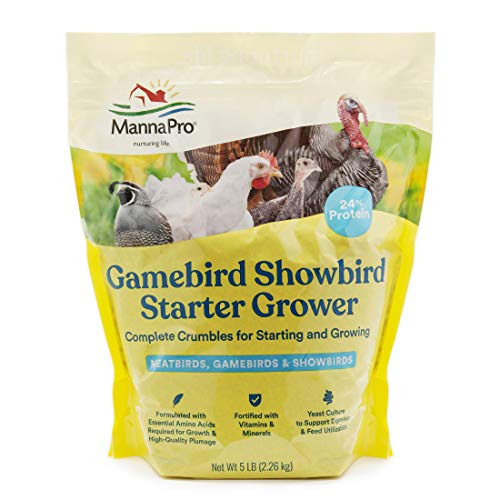
HIGH-QUALITY PROTEIN SOURCES: With 24% protein, this formula supports fast, efficient growth and helps develop strong muscles and vibrant plumage. Perfect for raising healthy birds that look great and perform at their best in every stage of life.
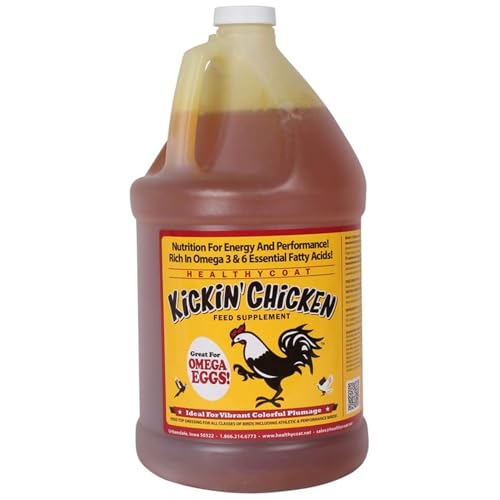

PROBIOTICS FOR POULTRY: HealthyGut Probiotics for Chicken and Poultry is a broad spectrum blend of carefully selected probiotic bacteria for chickens, ducks, and other poultry; Helps promote a healthy digestive system and offers your bird total digestive support
Safety Guidelines When Feeding Bananas
Although bananas provide nutritional benefits for chickens, you’ll need to follow specific safety guidelines to prevent potential health issues. When implementing banana safety protocols, only feed ripe bananas that you’ve thoroughly washed to remove pesticides. You can serve them whole, sliced, or mashed, but limit portions to 1 tablespoon per adult chicken, offering treats just 1-2 times weekly. These treats provide essential potassium and magnesium that support overall chicken health.
These feeding guidelines help maintain proper nutrition while preventing complications. Don’t feed bananas to chicks, as they need high-protein starter feeds. Watch for warning signs of overfeeding, including diarrhea, reduced egg production, or disinterest in regular feed. Unlike hot peppers which chickens can eat freely since they are not sensitive to capsaicin, bananas require strict portion control. If you’re including peels, wash them thoroughly and consider boiling them to improve digestibility. Always provide fresh water and maintain bananas as less than 5% of your chickens’ total diet.
Recommended Serving Sizes and Frequency
Understanding proper serving sizes and frequency is key to safely incorporating bananas into your chickens’ diet. You should limit servings to one tablespoon per adult chicken per feeding, and maintain a feeding schedule of only 1-2 times weekly. Bananas shouldn’t exceed 5% of your flock’s total weekly diet.
Don’t feed bananas to chicks under 8 weeks old, as their digestive systems aren’t ready for this treat. For adult chickens, serve fresh banana in small chunks or slices rather than dried or overripe fruit. You’ll want to monitor your chickens’ health and egg production to guarantee the serving sizes aren’t causing issues. Fresh bananas are safer than processed banana products like muffins or baked snacks that can upset digestion. Remember to provide these treats alongside their regular balanced feed, and always measure portions carefully to prevent obesity and liver problems.

OVEN-BAKED GOODNESS: Blue Buffalo Health Bars crunchy dog treats deliver oven-baked banana and yogurt flavor goodness for a satisfying crunch and sweet banana aromas dogs love

NATURAL INGREDIENTS: This dog treats is made of all-natural chicken and banana chips. Free from rawhide, grains, and artificial additives — easy to digest and gentle on sensitive stomachs

ORCHARD FRESH FLAVOR: Infused with the wholesome taste of red delicious apples and sweet bananas to create a bright, fruity flavor profile that offers a delicious change of pace from savory meat treats.
How to Prepare Bananas for Your Flock
Preparing bananas properly guarantees your chickens receive maximum nutritional benefits while minimizing potential health risks. When using feeding techniques for banana fruit, slice ripe bananas into manageable pieces and offer them outside the coop to reduce mess. For peels, cut them into small portions and boil for 20-30 minutes to enhance digestibility and reduce pesticide residues. The peels are an excellent source of essential vitamins that support nervous system health.
Advanced preparation methods include fermenting banana stems with salt for several days to create a protein-rich supplement. You can also burn banana leaves to produce mineral-rich ash for feed supplementation. Whether you’re using the fruit, peels, or stems, maintain clean feeding areas and scatter the prepared items widely to prevent competition. Always monitor your flock for adverse reactions and adjust portions accordingly to promote peak health.
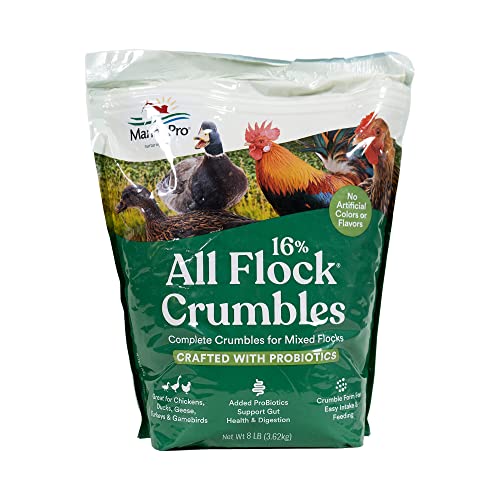
COMPLETE ALL FLOCK FEED FOR MIXED BACKYARD FLOCKS: Versatile poultry feed & all flock feed designed to support chickens, ducks, turkeys, geese, & more; a balanced bird food that simplifies feeding a diverse species in your backyard or homestead

SIMPLE FORMULA: Crafted with Corn, Milo, and Wheat for a nutritious and simple blend.

COMPLETE ALL FLOCK FEED FOR MIXED BACKYARD FLOCKS: Versatile poultry feed & all flock feed designed to support chickens, ducks, turkeys, geese, & more; a balanced bird food that simplifies feeding a diverse species in your backyard or homestead
Benefits and Potential Risks
While bananas offer significant nutritional benefits for chickens, you’ll need to weigh these advantages against potential risks. Different banana varieties provide essential nutrients like potassium for heart health and stronger eggshells, vitamin B6 for hormone regulation, and folate for red blood cell formation. Your chickens’ preferences may vary, but the fruit’s high water and fiber content supports hydration and gut health. Barred Rock hens, known for laying up to 280 brown eggs annually, particularly benefit from potassium-rich foods to maintain shell quality. Ensuring careful moderation of banana treats is essential for maintaining a balanced diet. Unripe bananas are the healthiest option due to their lower sugar content.
However, overfeeding bananas can lead to metabolic imbalances and digestive issues. You’ll want to monitor your flock for signs of diarrhea or reduced appetite for regular feed. While banana peels can replace up to 25% of corn in feed with cost savings, excessive substitution may decrease productivity. Raw peels are difficult to digest and might contain pesticides, so boil and chop them before feeding.
Special Considerations for Young Chicks
Feeding bananas to young chicks requires extra caution due to their unique developmental needs. Young chicks have extremely high protein requirements that bananas simply can’t fulfill. Their immature digestive systems struggle to process the sugars and fiber found in bananas, potentially leading to digestive upset and diarrhea. On hot days, offering frozen banana treats can help prevent dangerous heatstroke in vulnerable chicks. Like vitamin C-rich citrus, bananas should only be given in moderation to avoid digestive issues.
If you’re considering offering bananas to chicks under 8 weeks old, it’s best to avoid them entirely or limit them to very small, infrequent portions. Never let treats exceed 10% of their total diet, as this can displace essential nutrients from their starter feed. When feeding bananas to older chicks, make sure they’re peeled, cut into manageable pieces, and free from pesticides. Remember, proper growth and feather development depend on maintaining a protein-rich, balanced diet through appropriate starter feed.
Incorporating Bananas Into a Balanced Diet
Although bananas offer valuable nutrients like potassium and vitamin B6, they must be carefully integrated into a chicken’s diet to maintain proper nutrition. When incorporating this banana variety into your flock’s feeding methods, limit portions to about 1 tablespoon per adult chicken, offered just 1-2 times weekly. You’ll want to combine bananas with standard feed that provides essential proteins and fats for peak egg production. Most chickens find bananas to be a highly appealing treat compared to other options. Following proper feed storage methods will help maintain the freshness of both commercial feed and banana supplements.
For best results, use organic bananas and avoid processed options like banana chips. You can enhance digestibility by including banana peels, but they should be cooked and chopped first. Don’t exceed 25% banana peel powder when partially replacing corn in feed mixtures. Consider combining bananas with beneficial additives like cinnamon or garlic to support immune health. Monitor your chickens closely for any signs of digestive issues or decreased egg laying when introducing this nutritious supplement.
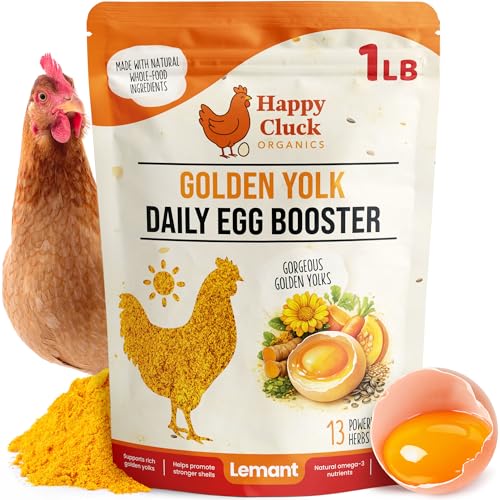
13 WHOLE-FOOD HERBS IN EVERY DAILY SCOOP - This Daily Egg Booster for Chickens packs 13 functional whole-food ingredients into every daily scoop. Each 1 LB pouch blends pumpkin powder, carrot powder, turmeric, milled calendula flowers, stabilized flaxseed, black oil sunflower meal, brewer's yeast, dual-grade calcium carbonate, kelp meal, chili flakes, rosemary extract, and standardized marigold extract into a single premium chicken vitamin and supplement for daily backyard flock nutrition.
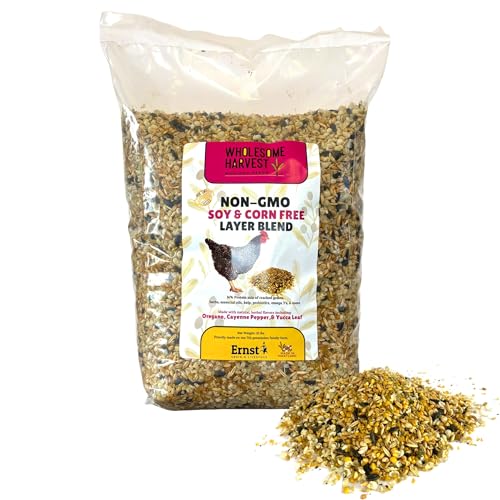
LAYER BLEND: Our Non-GMO layer mash is a complete feed fortified with minerals and additional calcium, ensuring quality eggshells. This blend of grains includes probiotic for digestive health and higher omega 3 levels from linseed (flax) oil. Ideal for supporting your flock's overall health and egg-laying productivity.

COMPLETE STARTER FEED FOR CHICKS: Specifically formulated for chicks from hatching to 16 weeks, this non-medicated chick starter feed delivers balanced nutrition and essential nutrients to support strong, healthy early growth and development.
Alternative Healthy Treats for Chickens
A diverse selection of healthy treats can supplement your chickens’ regular feed while providing enrichment and additional nutrients. You’ll find numerous treat options across different food groups, from protein-rich choices like cooked eggs, insects, and lean meats to vitamin-packed vegetables including kale, carrots, and squash. For fruit variety, you can offer apples (without seeds), berries, melons, and citrus in moderation. Two tablespoons per day is the recommended maximum amount of treats to prevent obesity and health issues.
Consider incorporating whole grains, seeds, and sprouted options for energy and nutrition. Fresh herbs like oregano, mint, and parsley add both flavor and health benefits. When offering these treats, remember to maintain proper portion control and guarantee they don’t exceed 10% of your chickens’ daily diet to prevent nutritional imbalances.
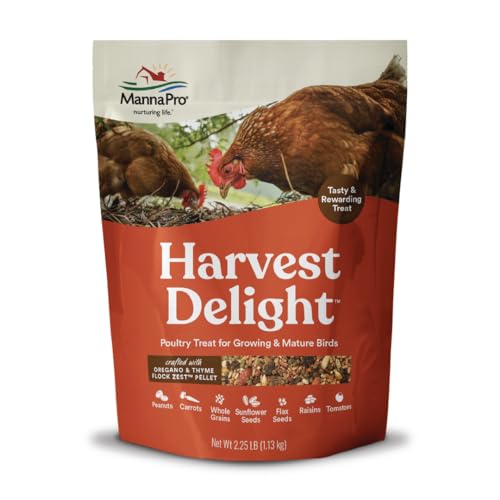
NUTRITIOUS CHICKEN TREATS FOR LAYING HENS & FLOCKS: Wholesome mix offers fun & nutrition in one tasty snack; these premium chicken treats for laying hens encourage natural pecking behavior, support strong eggs, & are a perfect choice for backyard flocks

PREMIUM SNACK: Provide your feathered friends with a delicious and wholesome snack experience. Packed with protein-rich mealworms and real fruit, these treats offer a perfect balance of nutrition and flavor for your flock.

REAL VEGGIES FOR HEALTH: Crafted with real pieces of beets, peas, sweet potatoes, and broccoli, this treat provides wholesome nutrition and natural flavors that your flock will enjoy while supporting their overall health and vitality.