
Yes, chickens have spurs — and if you’ve been scratching your head wondering whether that sharp leg spike is normal, you’re not alone. Spurs are bony, keratin-covered extensions growing from the metatarsal bone, and they’re completely natural. Roosters develop the longest ones, but here’s the thing — some hens grow them too. They’re used for defense, dominance, and attracting mates. Overgrown spurs can seriously hurt your birds, so keep reading and you’ll know exactly what to do next.
What Exactly Is a Chicken Spur?
If you’ve ever reached into a coop and come out with a bloody scratch you didn’t see coming, you already know why chicken spurs deserve your full attention. Here’s the thing — a spur isn’t just a glorified toenail. It’s a bony extension of the metatarsal bone, wrapped in hard keratin, with a living core containing actual blood vessels and nerves underneath. Spur composition matters because that inner core is what drives continuous growth throughout a rooster’s life. Now, the growth timeline starts early — tiny spur buds appear on chicks of both sexes, but roosters kick into gear after a few months, producing longer, sharper spurs annually. Obviously, older roosters pack the most serious hardware. The material making up spurs is similar to a beak, and it’s the same tough keratin compound found on large animals like rhinos. Understanding what you’re dealing with makes managing it way less intimidating.
What Are Chicken Spurs Actually Used For?
Now that you know what a spur actually is — bony core, keratin shell, living tissue underneath — the next obvious question is why roosters are walking around with built-in switchblades in the first place. Here’s the thing: spurs serve three core jobs. Predator defense comes first — cats, dogs, hawks, weasels — your rooster isn’t bluffing when he squares up. Second, spurs maintain rivalrous hierarchy among roosters, settling who runs the flock through some genuinely brutal negotiations. Obviously, whoever wins controls the breeding rights too, which is where mating competition slides in as the third purpose. Larger, sharper spurs signal better genetics to hens. All right, so your rooster’s spurs aren’t decorative — they’re functional survival equipment built by millions of years of pressure. That changes how you should manage them. Notably, spur length and growth differ across breeds and individual genetics, meaning two roosters of the same age can carry dramatically different-looking weapons on their legs.

Package Include: this value packed set comes with 8 rooster leg guards in total, featuring 4 red and 4 blue colors; It provides nice cost effectiveness, ensuring you have ample supplies for multiple pet chickens or replacements

Value Pack of 4 Pairs: Includes 4 pairs (red + blue) rooster leg guards. Enough for daily replacement and multi bird use. Cost effective poultry breeding supplies for backyard farmers and gamefowl lovers.

Easy To Use : Just turn it around and lock it. Safe and gentle on your Chicken. Simple to put on and remove, perfect for everyday chicken care.
Do All Chickens Grow Spurs?
Contrary to what most people assume, spurs aren’t exclusively a rooster thing — every chicken, hen or rooster, hatches with small spur buds on the back of their shanks. So if you’ve been side-eyeing your hen’s leg and noticed a little bump, don’t panic.
Here’s the thing — whether those buds actually develop into full spurs comes down to spur genetics and age-related growth. Most hens keep those buds dormant their whole lives. Now, some breeds — Leghorns, Polish, game breeds — regularly grow rooster-worthy spurs, especially past two or three years old.
You’re not raising a mutant chicken. You’re raising a normal bird doing a very normal thing. Understanding that makes managing spur growth way less stressful when it eventually shows up. In fact, spurs serve a real purpose — hens use them as protective tools to defend their young from predators and hold their own in fights with other chickens.
Which Hen Breeds Are Most Likely to Develop Spurs?
So you’ve spotted a spur on your hen and now you’re wondering whether she’s some kind of genetic oddity or if certain breeds just do this more than others — fair question, and the answer matters before you spiral into a full backyard chicken identity crisis. Here’s the thing: spur genetics vary considerably across breeds. Mediterranean girls like Leghorns, Minorcas, and Buttercups top the breed comparison chart — they’re your most likely candidates, usually showing obvious spurs around two to three years. Game breeds run a close second, and Continental breeds like Polish and Welsummer occasionally join the club. Now, if you’ve got a Rhode Island Red or Australorp, it happens too — just less predictably. Your hen isn’t weird. She’s just doing hen things. Keep in mind that spurs can appear in both sexes early on, so breed alone won’t give you the full picture when it comes to identifying your birds accurately.
When Do Chicken Spurs Become a Health Problem?
Knowing which breeds are spur-prone is useful right up until the spur itself stops being a quirky physical trait and starts being an actual problem — and that line gets crossed more often than most backyard keepers expect. Here’s the thing: spur growth becomes genuinely dangerous when length and curvature start affecting your rooster’s mobility. Overgrown spurs hook onto fencing, alter his gait, and curve back into his own leg. Health impacts hit your flock fast too — intact spurs deliver fatal blows during rooster disputes and lacerate hens during mating. You’re also at risk. That sharp keratin sheath breaks human skin easily, and every spur wound carries contamination from dirt and droppings. Once you see these signs, acting quickly isn’t overcautious — it’s just smart management.

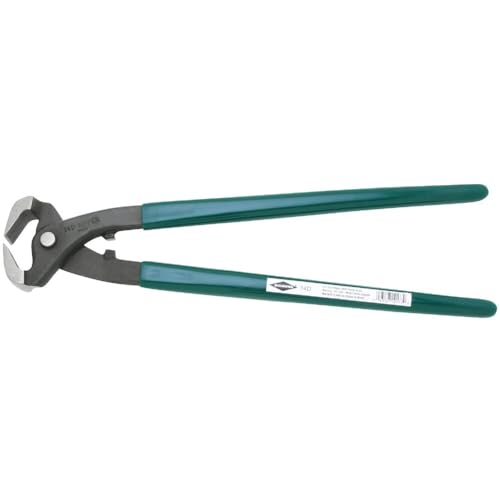
SPECIALIZED POULTRY TOOL: The Corta Espolon is specifically designed for cutting and shaping spurs on backyard chickens, providing precision control for customization

Turkey Spur Measuring Tool – This tool is designed to help hunters measure the length of turkey spurs with accuracy. A reliable and easy-to-use tool for keeping track of your hunt’s success.
Does Your Chicken’s Spur Need Trimming?
How long is too long? Here’s the thing — if your rooster’s spurs have hit about half an inch, it’s trimming time. Obviously, younger birds grow faster, so you’ll be watching them more closely than your older guys who’ve slowed down a bit.
Now, spur pain is real, and it affects everyone — your hens during mating, your hands during handling, and eventually the rooster himself if those spurs curve back into his leg. Not fun for anybody.
Blood vessel location varies between birds, so don’t assume one measurement fits all. Trim carefully, trim regularly — every six weeks works well — and that vessel gradually recedes over time.
All right, grab those trimmers. Your flock’s counting on you. To keep things manageable, aim to trim and round spurs once or twice yearly as part of your regular rooster care routine.

【Upgraded Three-Layer Separation Structure】Our chicken shredder has an upgraded rotating structure and twisting mincing technology. It can shred chicken and other meats in seconds. With the separation plate design, it is easy to take out the shredded meat, saving you time and energy. The flower appearance design can bring you a happy mood while making food.

Chicken Tendon Remover

【Innovative 3-Layer Design for Effortless Serving】: Unlike traditional shredders, our unique three-layer structure features a removable middle plate. This chicken shredder allows you to scoop out and transfer shredded meat directly without disassembling the entire unit. It significantly simplifies your cooking process, saving you valuable time and effort in the kitchen.
How to Trim Chicken Spurs Safely at Home
Three tools stand between you and a safe spur trim: a quality pair of pet nail clippers or wire cutters for snipping the sharp tip, a Dremel rotary tool for gradual sanding, and a steady friend willing to hold your rooster still while you work. Now, trim timing matters more than you’d think — nighttime works best because roosters settle quickly afterward. Here’s the thing: spur hygiene isn’t complicated, but cutting wrong hurts both of you. Work in 1/4-inch increments toward the leg, stopping at 3/4 inch or first blood. Dust any bleeding immediately with cornstarch. Spurs are composed of keratin, like toenails, growing continuously from the base and requiring routine maintenance to prevent sharp edges from forming. Obviously, skip the hot potato or pliers methods — they’re painful and unnecessary. You’ve got better options. Use them.

Short on Time? Use pre-cuts for fun projects fast!

[COMPLETE KIT WITH ACCESSORIES]The lung remover is part of a comprehensive kit that also includes two deboning and plucking clips, ensuring a smooth and efficient process for lung removal, deboning, and plucking

[FOOD-GRADE MATERIAL] The stainless steel lung remover are made of high quality German Stainless Steel that are food-grade, FDA-Compliant. The wooden handle not only provides a comfortable grip but also reduces the risk of electrostatic discharge commonly associated with plastic handle.