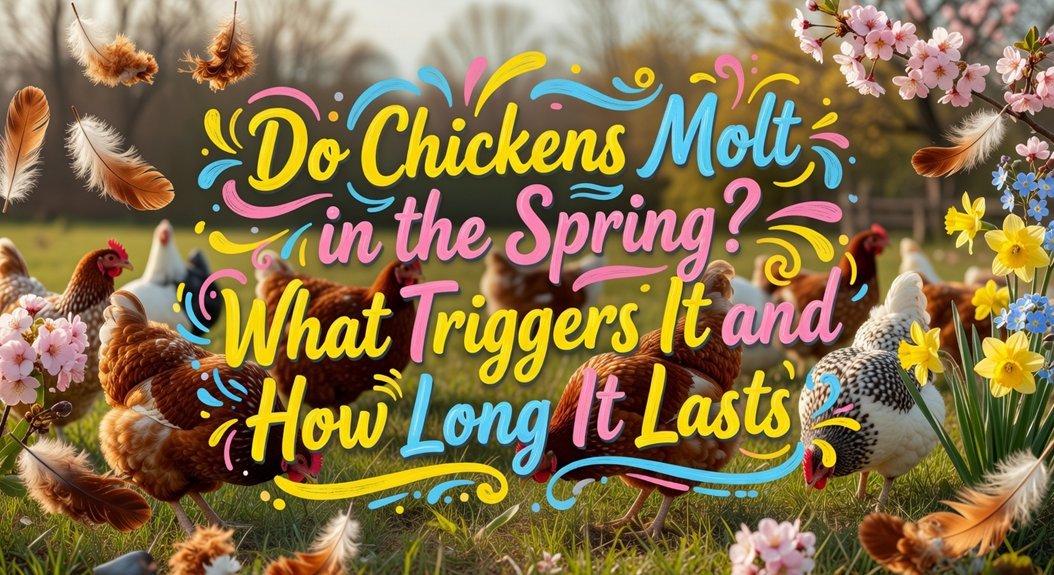
You’re staring at that bald patch, wondering if your hen’s sick, but she’s just molting. Yes, spring happens, though fall’s more common. Broodiness, predators, or shifting daylight trigger this hormone shift, stopping eggs to regrow feathers. It lasts three to sixteen weeks, depending on age and diet. Hard molts look dramatic; soft ones drag on. Obviously, you’ll need high-protein treats like mealworms to speed things up. Don’t panic, it’s normal biology, not a plague. Stick with us, and you’ll know exactly how to feed them through this bare phase without guessing.
Do Chickens Molt in the Spring?
Although you’re probably bracing for the feather apocalypse in autumn, you might be caught off guard when your flock starts looking ragged come spring. Yes, chickens absolutely molt now, even if it’s rarer than the fall shuffle. You’ll notice subtle feather loss or maybe a dramatic bare patch depending on their genetics. It’s not panic-worthy; it’s just nature reacting to changing seasonlight timing as days grow longer. Some birds hit this stride around eighteen months, while others sync up with broodiness or stress. Obviously, a soft molt means scattered feathers, whereas a hard molt strips them fast. Don’t assume something’s wrong when you see naked necks in May. This natural cycle preps them for summer heat, not winter chill. So, grab your coffee, watch the fluff fly, and trust that your hens know exactly what they’re doing right now.
Why Do Hens Molt in Spring?
Since you’re already worrying that your hens are falling apart when they should be laying, let’s clear the air before you start calling the vet. Often, spring broodiness triggers this messy feather loss right after hatching chicks. Your hen’s body simply prioritizes recovery over eggs once her reproductive cycle ends. While a major photoperiod shift usually drives fall molts, spring changes bring unique photal stress that confuses some birds. Maybe predators scared them, or perhaps extreme heat zapped their energy. Even malnutrition or water shortages force feathers out prematurely. Obviously, age matters too; eighteen-month-old hens often molt regardless of season. Don’t panic if you spot bald patches now. These irregular patterns happen frequently without clear causes. Understanding these specific triggers helps you support your flock naturally. Trust your observation skills here. You’ve got this handled perfectly fine without expensive interventions. However, remember that adult hens typically molt only once per year during late summer to early fall.
How Do Light Changes Trigger Molt?
When your hens suddenly stop laying and start looking ragged, you probably blame their diet or age before realizing the sun’s actually the one pulling the strings. As days shorten, your flock hits specific photlight thresholds that flip internal switches. Decreasing daylight below twelve hours signals their bodies to pause egg production completely. This shift sparks hormonal cues, specifically rising prolactin levels, which force reproductive systems into regression. You see, chickens are long-day breeders, so less light means less laying. Their ovaries shrink while new feathers push out old ones. Obviously, you can manipulate this with artificial lighting, but nature usually handles it best in fall. If you keep lights on too long, you delay the inevitable refresh they need. Understanding this mechanism helps you stop fighting biology and start supporting it. Accept the quiet coop; it means healthier birds soon.


ENCOURAGES YOUR FLOCK TO ROOST SAFELY – The Omlet Chicken Coop Light gently illuminates your hen house from within as daylight fades, guiding your poultry flock inside before the door closes for the night. A calm, warm glow helps reduce stress and encourages natural roosting behavior.
Hard vs. Soft Spring Molt: What to Expect?
You’ve accepted that the shrinking daylight hours trigger your hens’ pause, but now you’re staring at two very different-looking birds and wondering which one actually needs your help. One looks porcupine-like with huge bald patches, while the other just appears slightly ragged. That’s the hard versus soft molt difference. Your heavy layers undergo a hard egg molt, dropping feathers in clutches overnight before rapid feather regrowth begins. They’ll look terrible but bounce back fast. Conversely, poor layers experience a soft molt, shedding slowly over months without going fully bald. Obviously, the scraggly bird isn’t sick; she’s just a productive hen resetting quickly. The fluffy one? She’s dragging out the process. Don’t panic at the bare skin. Recognize the pattern, trust the biology, and let your flock do what they naturally must to prepare for laying again.
How Long Does a Spring Molt Last?
While you’re probably hoping this feather-fiasco wraps up in a week, the reality is that your flock’s spring molt can drag from three to sixteen weeks depending on who’s wearing the feathers. Older hens often stretch this spring duration out, sometimes taking months to finish. You’ll notice young birds bounce back faster, completing their feather regrowth in just eight weeks typically. Stress or poor diet slows everything down, turning a quick refresh into a half-year ordeal. Obviously, nutrition matters hugely here. If your girls look ragged for too long, check their feed immediately. Don’t panic if eggs pause; they’re busy rebuilding plumage. This timeline varies wildly, so watch your specific flock closely. Understanding these ranges helps you plan better. Accept the mess, boost their protein, and trust the process. Your patience now guarantees strong feathers later.
Why Do Eggs Stop During Spring Molt?
You’re staring at an empty nest box and wondering where your morning omelet went, but don’t sweat it because your hens aren’t broken; they’re just busy. Your flock redirects massive energy energy from egg-laying straight into feather regeneration right now. Obviously, their physiology simply can’t support simultaneous feather and egg production without crashing. Hormonal shifts triggered by changing daylight prioritize insulation over reproduction, forcing a complete laying cease until new feathers fully grow in. These necessary feather trade offs deplete resources needed for ovulation, so stress factors like heat or malnutrition only worsen the pause. Better layers actually molt faster, recovering quicker than poor producers who drag out this no-egg period. Since full regrowth is required before laying resumes, you just wait for those new waxy shafts. Accepting this natural halt makes choosing patience easy and smart for your flock’s long-term health.
What High-Protein Foods Help Regrowth?
That empty egg carton on your counter screams frustration, but let’s be real: your hens aren’t lazy, they’re just starving for the right building blocks. Standard layer feed simply won’t cut it now; you need at least 20% protein immediately. Swap in game-bird rations or mix chick starter to boost those numbers fast. For serious feather nutrition, toss dried mealworms into their run. These little guys pack over 50% protein, making insect protein the ultimate regrowth accelerator. Black Soldier Fly Larvae work wonders too, adding calcium for stronger shells later. Obviously, sunflower seeds help, but bugs offer superior amino acids like methionine that plants often lack. Don’t skimp here; brittle feathers mean deficient diets. You’ve got the facts, so grab that high-protein blend today. Your flock will thank you with shiny new plumage before you know it.
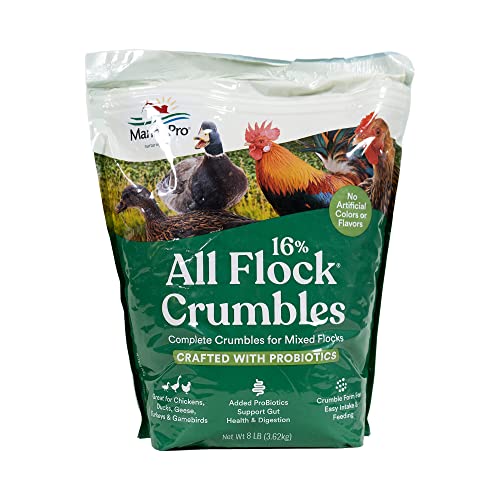
COMPLETE ALL FLOCK FEED FOR MIXED BACKYARD FLOCKS: Versatile poultry feed & all flock feed designed to support chickens, ducks, turkeys, geese, & more; a balanced bird food that simplifies feeding a diverse species in your backyard or homestead

Supports Gizzard Health & Digestion: This 40-pound bag of pellet feed is rich in natural fiber and beneficial nutrients to aid digestion, promote gut balance, and support healthy, strong eggshells.
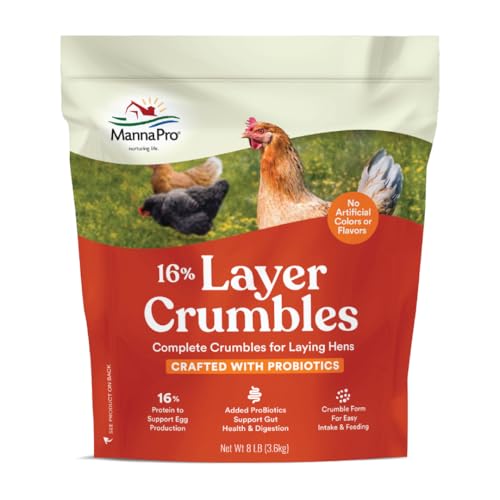
COMPLETE CHICKEN FEED FOR LAYING HENS: Manna Pro Chicken Feed delivers complete nutrition designed for laying hens, supporting strong egg production, healthy feathers, and overall wellness; balanced formula helps maintain optimal health in backyard flocks