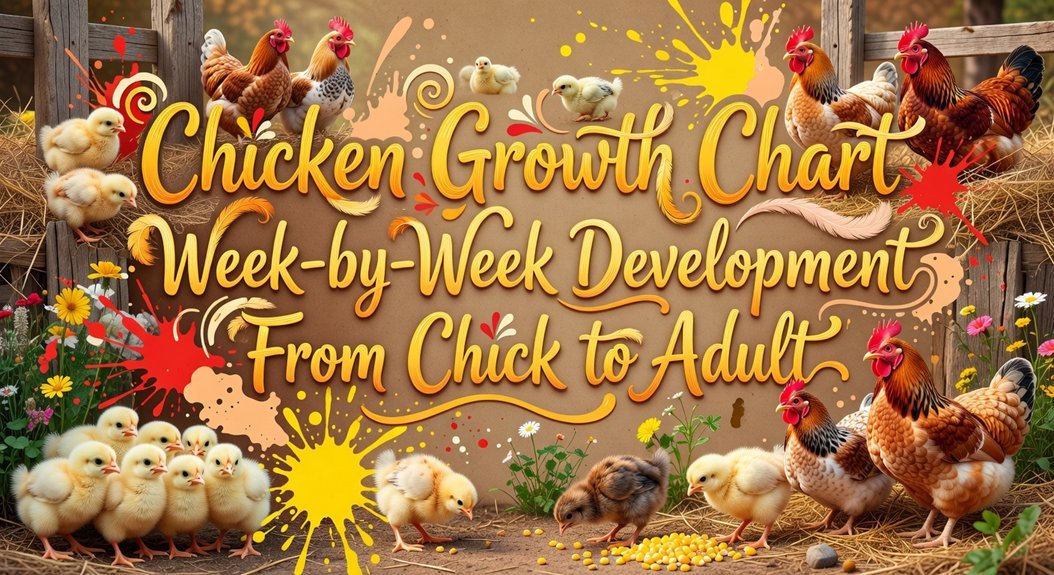
If you’re staring at a box of fluffy chicks wondering what’s coming next, here’s your roadmap. You’re looking at roughly 16–20 weeks from hatch to laying hen. Brooder temps start at 95°F and drop 5°F weekly until week six. Combs and feathers reveal sex by week ten. Once her comb turns bright red and she starts squatting, eggs are two weeks out. Stick around — there’s a lot more detail ahead worth knowing.
Chicken Growth Stages: A Week-by-Week Breakdown
Watching a chick go from a tiny, trembling fluffball to a full-grown hen is one of those things that’s genuinely fascinating — and a little overwhelming if you don’t know what to expect. Here’s the thing — every stage brings new surprises, from shifting feather color patterns to knowing exactly when your diet change from starter to layer feed needs to happen. Miss those windows, and you’re scrambling. Now, you don’t have to figure this out the hard way. Each growth phase gives you clear signals — behavioral changes, feather development, eating habits — that tell you precisely what your birds need. All right, let’s walk through it together so you’re never caught off guard. Most hens reach their prime laying years between their first lay and around two years of age, making that window critical for maximizing egg production.

Rich yellow yolks - A high level of xanthophyll, a coloring agent derived from marigolds, produces deep yellow egg yolks

Rich yellow yolks - A high level of xanthophyll, a coloring agent derived from marigolds, produces deep yellow egg yolks

Added Marigold Extract - For rich yellow yolks — A high level of xanthophyll, a coloring agent derived from marigolds, produces deep yellow egg yolks
What Brooder Heat and Feed Look Like at Each Chicken Stage
Once you’ve wrapped your head around what’s happening developmentally week by week, the next thing that’ll save you real headaches is knowing exactly how warm that brooder should be — and what’s going into the feeder — at each of those stages.
Here’s the thing: brooder temperature starts at 95°F that first week, dropping 5°F weekly as your chicks feather out. By week six, you’re basically at room temperature. Now, starter feed with 18-20% protein runs the show from day one through roughly week six — don’t overthink it.
Watch their behavior. Huddling means they’re cold. Panting means they’re roasting. You’ll know.
All right — once you understand the pattern, managing each stage stops feeling overwhelming and starts feeling completely doable.

【SMART TEMPERATURE CONTROL】 Set your preferred temperature from 82°F to 95°F (28°C to 35°C) using the digital controls. The SakerPlus chicken brooder heater uses a built-in thermostat to regulate heating according to the selected setting, helping manage the brooding environment for chicks, ducklings and other suitable young poultry.

【ADJUSTABLE DIGITAL TEMPERATURE CONTROL】The VIREXEL chicken heat lamp features adjustable temperature settings from 82°F to 95°F, allowing you to select a heating level for your brooder setup. The digital display and simple adjustment buttons make it convenient to manage supplemental warmth for chicks during daily care.
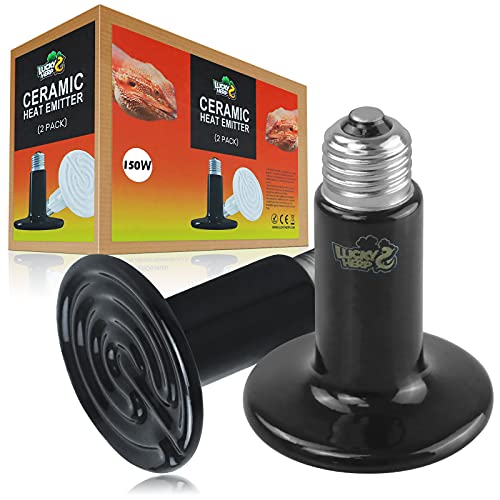
🦎No Light Emitted - The heat lamp bulb only generates heat during use, and does not emit light. It provides sufficient heat for your pets so that they can feel the warmth you made for it in a cold environment. Especially when it is used at night, it will not affect the pet's sleep.
When Chickens Become Pullets or Cockerels
Somewhere around weeks four to seven, that fuzzy little mystery starts giving you real answers — and if you know what to look for, you won’t have to wait until a crow wakes you up at 5 a.m. to figure out what you’ve got. Combs tell you plenty early. Cockerels develop larger, darker, redder combs by week four. Pullets stay small and pale until near laying age. Now, feathers matter too — cockerel wing feathers stay uniform in length from day one, while pullets grow two distinct layers. Here’s the thing: sex-linked markers on breeds like Black Stars make this obvious at hatching. Crested breeds? Watch crest morphology — pullets grow clean, rounded crests while cockerels look swept-back and spiky. By week ten, you’ve got your answer.
Signs a Chicken Is Ready to Start Laying
If you’ve been staring at your pullets every morning wondering *when already*, you’re not alone — and honestly, the waiting is the worst part. Here’s the thing — your girls will actually tell you when they’re ready. Watch for squatting behavior first; when a pullet crouches and spreads her wings as you walk by, laying is roughly one to two weeks out. Now, check the egging color situation — combs and wattles shift from pale pink to bright red as hormones kick in. You’ll also notice serious nest box exploration, where she’s inspecting every corner like she’s house-hunting. All right, confirm it by checking vent size — a moist, pink, one-inch opening means she’s ready. Trust these signs. They’re reliable. Keep in mind that breed affects timing significantly, with sex-link pullets often starting around 16 weeks while heavier breeds like Buff Orpingtons may not begin until 20 weeks or later.
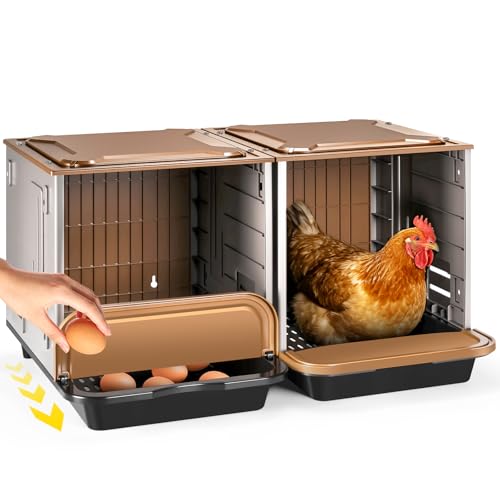

Nesting Boxes – Provide a natural, comfortable, and safe environment for the poultry during egg laying

NEST BOX LINER: Excelsior Nest Box Pads Were Developed for Use in Nest Boxes to Provide Comfort for Laying Hens and Padding for Freshly Laid Eggs
What Happens to Chickens During Molt and After
Around 16 to 18 months, your chickens will hit their first adult molt — and if you’ve never seen it before, it looks genuinely alarming. Patchy, scraggly, half-naked birds wandering your yard like they lost a bet. Here’s the thing — that’s completely normal.
Feathers drop in a predictable sequence: head first, then neck, body, wings, and finally tail. Egg production stops because your flock’s energy redirects entirely toward feather regrowth. Feathers are roughly 85% protein, so molt nutrition actually matters here.
Switch your flock to a 20-25% protein feed during this stretch. You’ll shorten recovery time noticeably. Annual molts continue every year after this — so now that you understand the pattern, you won’t panic next time. The entire process typically lasts anywhere from 4 to 12 weeks, depending on the individual bird.
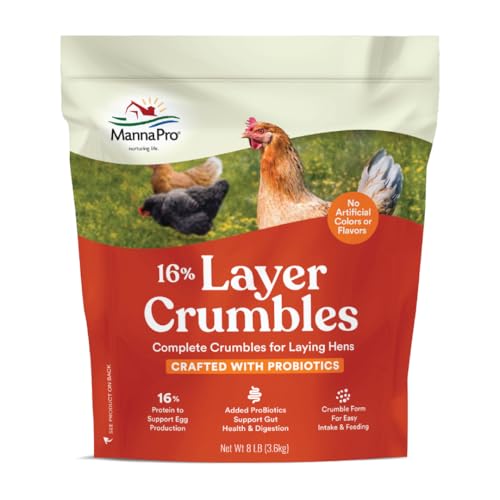
COMPLETE CHICKEN FEED FOR LAYING HENS: Manna Pro Chicken Feed delivers complete nutrition designed for laying hens, supporting strong egg production, healthy feathers, and overall wellness; balanced formula helps maintain optimal health in backyard flocks
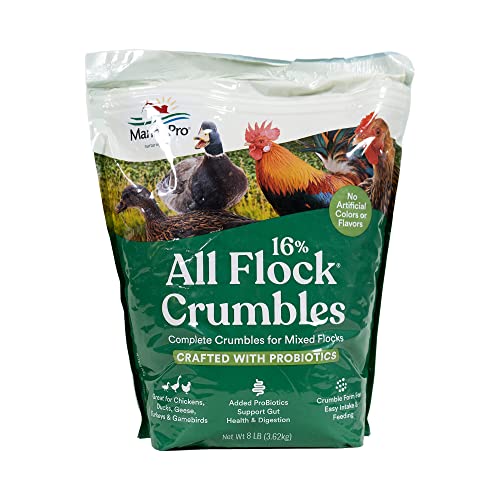
COMPLETE ALL FLOCK FEED FOR MIXED BACKYARD FLOCKS: Versatile poultry feed & all flock feed designed to support chickens, ducks, turkeys, geese, & more; a balanced bird food that simplifies feeding a diverse species in your backyard or homestead

-Satisfies Natural Craving for Bugs: Black soldier fly larvae included right in the pellet