You’re scrubbing itchy red spots on your pup, wondering if your flock is to blame. Here’s the thing: chicken lice can’t survive on dogs, but northern fowl mites absolutely hitch rides for quick blood meals before bailing. They leave clustered red bumps, not permanent infestations. You need to treat hens with spinosad and dust the coop, while keeping your dog on monthly preventatives. Obviously, sanitation breaks the cycle. Stick around to learn exactly how to stop these hitchhikers for good.
Can Dogs Catch Chicken Mites?
You’re probably wondering if your dog can catch chicken mites after spotting them scratching near the coop, and honestly, it’s a fair worry when you see those tiny critters crawling everywhere. Here’s the thing: yes, they’ll hop on your pup for a quick snack when birds aren’t around, causing itchy red dots or scabs. But don’t panic; they can’t stay. The mite lifecycle simply doesn’t work on fur, so permanent infestation won’t happen. They’re just hitchhiking, not moving in. Now, you still need to act fast because your dog can drag them inside. Focus heavily on environmental sanitation in your coop and yard to kill lingering pests before they bite again. Brush your dog regularly to spot freeloaders early. Obviously, limiting access helps most. So, clean up those hiding spots today and keep your furry friend comfortable without overthinking the whole scary scenario.

High-Quality Flea Comb: Higher grade metal for the teeth, making them stronger than the previous version. Rubber-sheathed handle, increases the comfortableness of holding the comb/dog comb when combing your pet

DURABLE, EASY CLEAN AND EFFECTIVELY :High strength close stainless steel teeth dog cat comb, remove float hair form your love pet in one times,easy wash by water after using for flea removing, smoothing teeth head won’t hurt your pet, let them enjoy the comb massage right now

Packing list:Long handle comb x1, Double sided flea comb x1, long needle comb x1, short needle comb x1,Double-sided tear stain removal combx1,Multifunctional to meet your different needs.
Do Chicken Lice Infest Dogs Too?
Although seeing lice crawling on your chickens makes you want to scrub your dog with industrial soap, you can actually relax because poultry lice are picky eaters that only crave bird feathers. These pests simply cannot survive on your furry friend. Chicken lice need specific bird biology to reproduce, meaning they die off quickly if they accidentally land on your dog. You might notice a brief itch if one takes a confused nibble, but no lasting infestation occurs. Your dog’s skin stays safe, and serious complications never develop from these transient visitors. Obviously, maintaining good hygiene helps everyone, but you don’t need panic-induced baths. Protecting dog health means understanding that cross-species transmission here is biologically impossible. So, put down that harsh soap and focus on treating your flock directly. You’ve got this handled without the extra stress.
What Do Chicken Mite Bites Look Like on Dogs?
You just finished breathing easy about lice, only to spot your dog scratching like crazy after a coop visit, and now you’re wondering if those tiny chicken mites actually bit your pup. Here’s the thing: these spider-like critters don’t burrow deep like typical dog mites. Instead, they feast quickly, leaving behind an angry itchite rash that drives your best friend nuts. You’ll see clusters of red bumps erupt suddenly on their skin, often turning into thick, crusted sores from relentless scratching. Unlike permanent infestations, these bites cause temporary havoc without laying eggs in your dog’s fur. Obviously, the intense itching and raw patches signal a recent coop encounter rather than a long-term skin disease. While they vanish fast, the discomfort feels real. Don’t panic, but do check those hot spots closely. Recognizing these specific signs helps you act fast before secondary infections set in, keeping your pup comfortable again.
How Do Mites Spread From Coops to Dogs?
Since you’ve already spotted those angry red bumps, you’re probably wondering how exactly these tiny hitchhikers made the jump from your coop to your dog. Direct contact plays a huge role; when your pup sniffs an infested hen, mites briefly hitchhike on their coat seeking a quick blood meal. But here’s the real kicker: your yard itself becomes a dangerous trap. These pests survive months without feeding, hiding in cracks until your dog wanders through contaminated grass. Even you act as an environment cleaning vector, unknowingly carrying mites on clothes from the coop to the couch. Neglecting strict coop sanitation lets populations explode overnight, creating persistent reservoirs right under your pets’ paws. Wild bird nests nearby worsen this mess considerably. Obviously, stopping this spread requires breaking the cycle before bites turn into an infestation nightmare. You need to act now.

NATURAL & NON-TOXIC FORMULA – Plant-based essential oil blend designed to help protect pets and homes from fleas, ticks, lice, mites, and mosquitoes. A safe alternative to harsh chemical treatments when used as directed.

KILLS FLEAS AND TICKS ON CONTACT – Veterinary Formula 8 oz. Flea and Tick Spray for Dogs eliminates fleas and ticks at all stages: egg, larval, and adult. Treatment also prevents future egg and larvae development

GENTLE PROTECTION: Natural Care plus 's Flea and Tick Home Spray uses natural ingredients to kill fleas, flea eggs, and ticks by contact.
How Do You Treat the Flock and Protect Pets?
Tackling this mess means you’ve got to hit both the birds and the yard at the same time, or you’re just spinning your wheels. Obviously, mites hide everywhere, so you need strict treatment protocols. Spray Spinosad on hens; it’s safe for eggs. Dust diatomaceous earth carefully, avoiding inhalation. Retreatment every seven days kills newly hatched nits. Now, here’s the thing: pet safety matters immensely during this chaos. Permethrin works wonders on chickens but kills cats instantly, so keep them far away. Apply monthly topical pesticides on your dog to stop reinfestation. Vacuum your home and freeze those bags immediately. Don’t skip steps or trust half-measures. You’ve invested too much in your flock to fail now. Follow these specific steps, and you’ll crush those pests while keeping your four-legged friends secure. It’s tough work, but totally worth the peace of mind you’ll gain today.

Kills Ear Mites and Ticks: PetArmor Ear Mite & Tick Treatment contains active ingredients that kill ear mites and ticks.

KILLS EAR MITES: Kills ear mites on contact and is suitable for dogs and cats 12 weeks and older.
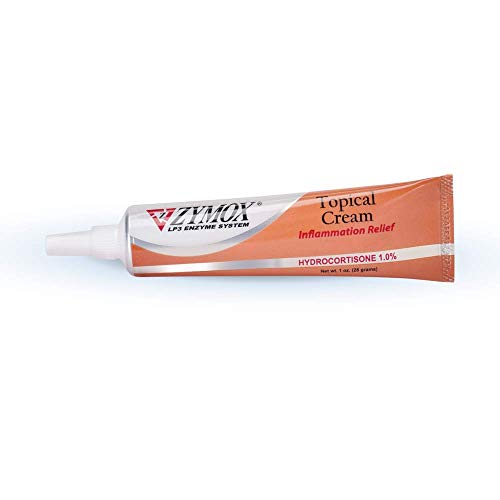
Provides gentle, soothing relief from skin irritations like itchy skin, hot spots, dermatitis & more