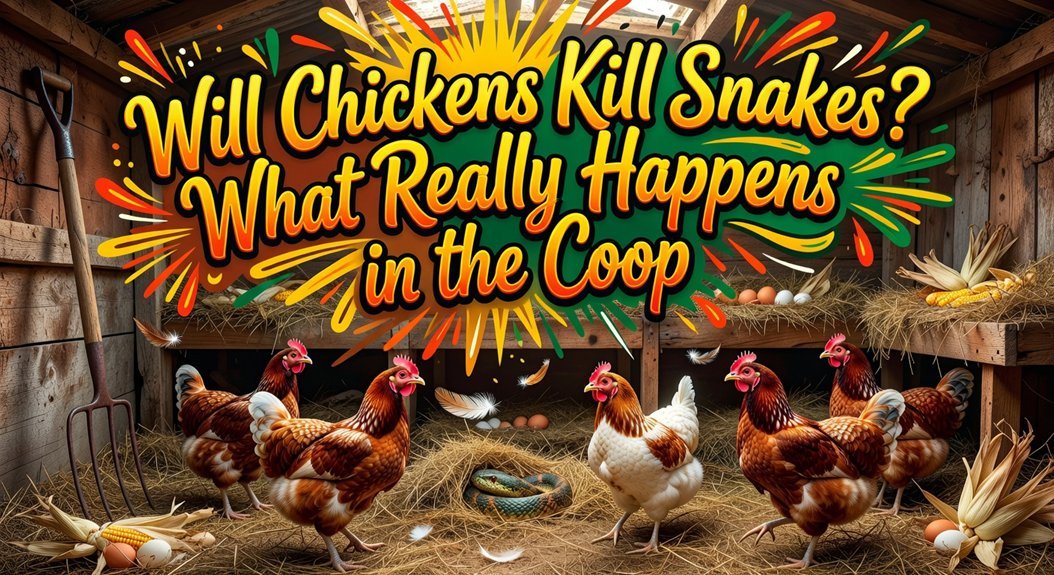
If you’ve been finding cracked eggs or missing hens, yeah — a snake is probably already in your coop. Here’s the thing: chickens absolutely can and do kill snakes, especially in coordinated flock attacks targeting smaller species under three feet. They strike at the face, rake with claws, and rotate attackers so no single bird takes the hit. Larger snakes are a different story — and knowing exactly where your flock stands could change everything you do next.
Do Chickens Actually Kill Snakes?
Surprising as it might seem, yes — chickens genuinely do kill snakes, and if you’ve been losing eggs to a mysterious coop invader, your flock might already be handling the problem for you. You’ve probably heard the eggultural folklore suggesting chickens are helpless prey, but that’s just one of many stubborn predator myths worth burying. Here’s the thing — chickens aren’t passive. They investigate, coordinate, and attack. Your flock doesn’t wait for permission. Multiple birds will surround a snake, peck relentlessly, and finish the job together. Now, size matters somewhat, but documented cases show chickens killing snakes exceeding three feet. Obviously, a single bird has limits — but a coordinated flock? That’s a legitimately effective predator you’re already housing. Contrary to popular belief, snakes don’t die from eating chicken eggs — their stomach acids are powerful enough to fully disintegrate both bone and flesh.
What Snakes Can Chickens Kill?
Not every snake slithering into your coop is a fair fight — and honestly, that’s the part most backyard keepers don’t think about until something’s already eaten their eggs.
Here’s the thing: chickens handle baby snakes routinely, regardless of species. Snake predator dynamics shift fast once snakes grow larger, though. Your flock can take down rat snakes and corn snakes up to three feet, king snakes of similar size, and most small venomous snakes. Now, anything bigger gets complicated — adult rat snakes reach six to seven feet, and that’s genuinely dangerous territory.
For coop safety, size matters more than species. Obviously, venomous bites need treatment even when your chickens win. Know your local snakes, watch for larger adults, and you’ll stay ahead of the problem.
How Chickens Attack and Kill Snakes
When a snake slides into your coop, you’re probably picturing chaos — hens scattering, eggs getting swallowed, you scrambling outside in slippers at midnight. Here’s the thing: your chickens aren’t waiting for you.
They’re already coordinating. Beak strikes hit the snake’s face and eyes first — fast, targeted, relentless. Wing defense kicks in simultaneously, buffeting the snake’s head until it can’t track anything straight. Claws rake sideways across the body, tearing and throwing.
Now, their attack tactics get smarter in groups. Multiple hens surround the intruder, rotating attacks so no single bird absorbs retaliation. The snake gets overwhelmed before it lands one bite.
Obviously, not every snake loses. But your flock’s instincts are sharper than you’re giving them credit for. A determined hen has even been documented striking a snake repeatedly from multiple angles until it was stunned and killed outright.

[Upgraded Visual Deterrence] -- Featuring a unique, amber campfire-like flicker, this predator-deterrent device mimics the presence of a larger, aggressive nocturnal hunter. Unlike standard lights, this intense pulse triggers a deep-seated flight response in coyotes, raccoons, and foxes.

【Upgraded Predator Deterrent】: Designed with two flashing red LED lights, this solar nocturnal animal repeller mimics the glowing eyes and fire-like warning signals of large predators. The rapid strobe effect creates a strong visual deterrent that keeps intruding animals alert and away from your property all night long.
Signs a Snake Has Been in Your Chicken Coop
How do you even know a snake’s been in your coop if you never catch it in the act? Here’s the thing — the evidence is usually everywhere once you know what you’re looking for. Egg predation is your biggest clue: eggs vanishing without shells, daily production suddenly tanking, no obvious explanation. Now check your coop entrypoints. Quarter-inch gaps near the base, disturbed bedding, stretched hardware cloth — snakes exploit every weakness. You might also spot shed skins tucked in corners or near nesting boxes. Your chickens will tell you something’s wrong too. Stress calls, huddling away from nests, flat-out refusing to enter at night. All right — if you’re seeing two or three of these signs together, trust your gut. A snake’s already made itself at home. Rat snakes in particular are drawn to coops not just for eggs but because rodent populations nearby act as a primary attractant, pulling them in repeatedly.
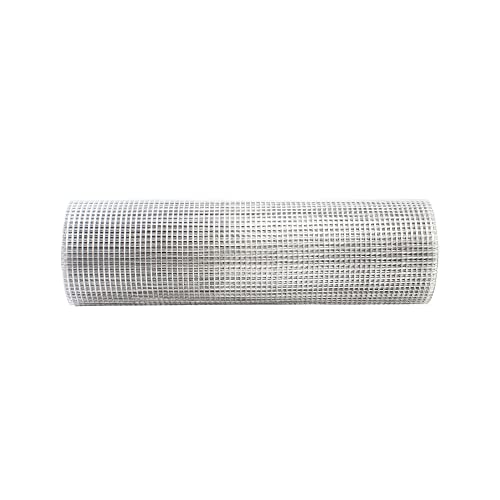
1. Ultra-Fine Hardware Cloth for Small Animal Exclusion: 1/4" welded grid blocks snakes, mice, and egg-stealing weasels. Critical for securing chicken coop foundations, beehive bases, and crawl space vents.

High quality raw materials: Our hardware cloth chooses the strength, toughness and ductility of low carbon steel wire as the inner core. This determines the basis of the high quality of our products.23Gauge Galvanized After Welding Wire Metal Mesh Roll Use this to protect vegetables and flower roots, bulbs, rhizomes, etc from tunneling animals. pack:A roll of hardware cloth

Built to Last: Crafted with professional welding, our hardware cloth features reliable welded joints that eliminate wire breakage. Heavy-duty galvanized steel wire with a double-layer ethylene coating and premium powder coating, ensures rust and corrosion resistance, significantly extending its lifespan.
Which Snakes Can Actually Hurt Your Chickens?
Venomous snakes that can kill an adult chicken with a single bite, larger non-venomous constrictors that target chicks and eggs, and small harmless species your chickens will probably murder before you even notice them. That’s your real threat breakdown.
Here’s the thing — snake venom toxicity is actually your smallest worry. Copperheads, cottonmouths, and rattlesnakes can absolutely kill adult birds, but bites rarely penetrate feathers deeply. Now, egg predation is where you’ll really feel the damage. Rat snakes, corn snakes, and bull snakes over six feet long will clean out your nest boxes quietly and consistently.
Garter snakes? Your hens handle those themselves. Obviously.
Identify what’s actually visiting your coop, and you’ll know exactly how worried to be. Oak rat snakes are non-venomous and harmless, primarily targeting mice rather than your flock, making proper identification critical before taking any action.

How it Works - Powered by solar panel, this solar mole repellent emits 3-4 seconds every 30 seconds to drive away moles/gophers/snakes. Recommend an installation of the yard mole repellents on every 96 feet throughout your lawn for optimal performance

Long-Lasting Outdoor Support: Designed to help keep lawns and outdoor areas more comfortable by reducing repeated digging and surface disruption over time. Lasts up to 2 months with no need for constant reapplication.

✔️ Environmentally friendly all-natural pest control your hens will love. This is herbal backyard chicken coop pest control at its best.
When Chickens Lose the Fight Against Snakes
Sometimes your chickens just don’t win — and if you’ve found a dead hen near the nest boxes or noticed your chick count mysteriously dropping, you already know that sick feeling.
Here’s the thing: larger snakes overpower isolated birds fast. A rattlesnake bite incapacitates an adult chicken before the flock even reacts. Non-venomous snakes still leave nasty wounds that turn septic quickly. Group attacks against bigger, aggressive snakes? They usually fail.
Now, your egg coop tactics matter enormously here. A black rat snake squeezes inside, gorges on eggs or chicks, then gets trapped — obvious damage done before you even notice.
Tightening your coop security isn’t optional anymore. You’ve seen what happens without it. Make the smart call before another morning surprise.
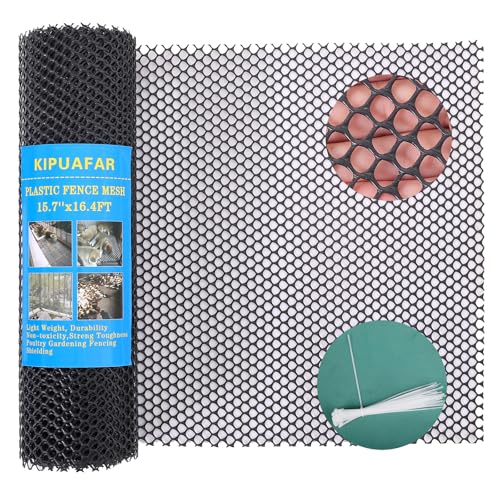
✅ High-Quality Durable Material – Crafted from premium 500gsm ABS plastic particles, our pet fence net offers exceptional durability, wear resistance, and high-temperature tolerance. Lightweight and corrosion-resistant, it ensures long-term reliability while maintaining flexibility for various uses.

Protection with Black Hardware Cloth 1/2 Inch 36 x 100 ft This black hardware cloth (19-gauge) combines galvanized steel inside and vinyl coating outside—way tougher than regular options! As a top-tier galvanized hardware cloth, it fights rust, rain, and sun damage like a pro. The 1/2-inch mesh of this 1/2 inch hardware cloth keeps pests out while letting light in—perfect for long-lasting use as wire fence rolls or garden barriers.

Built to Last: Crafted with professional welding, our hardware cloth features reliable welded joints that eliminate wire breakage. Heavy-duty galvanized steel wire with a double-layer ethylene coating and premium powder coating, ensures rust and corrosion resistance, significantly extending its lifespan.
What Chickens Do With a Snake After Killing It
After the dust settles and your flock “wins” one against a snake, you’re probably expecting some dramatic victory lap — pecking, tossing, maybe even eating the thing. Here’s the thing: that’s not really how bird behavior works. Your chickens will likely just… walk away. Seriously. No snake carcass handling, no victory feast, no flock-wide celebration. They’ll go back to pecking at the ground like nothing happened. Now, that dead snake doesn’t just vanish — hawks, owls, foxes, or raccoons typically handle cleanup duty. Your chickens won’t touch it. All right, so if you’re counting on your flock to fully deal with a snake problem start to finish, adjust those expectations. They’re great at alerting you, but disposal? That’s your job.
How to Snake-Proof Your Chicken Coop for Good
So your chickens might run off the occasional snake, but let’s be real — you can’t count on your flock to be your first line of defense. Here’s the thing: actual snake-proofing starts with hardware cloth — 1/4 inch on walls, vents, and ceilings. No chicken wire. It’s too flimsy and snakes just push through.
Now, add snake proof flooring using wire mesh to eliminate gaps from uneven ground. Seal foundation cracks with expanding foam, caulk around pipes, and install door sweeps.
All right, don’t forget your perimeter apron — bend hardware cloth outward at 90 degrees around your run. Snakes can climb a four-foot fence easily.
Trim grass, clear brush, and hang feeders off the ground. You remove the rodents, you remove the snakes’ reason for showing up.

Strong & Solid Craft: The hardware cloth 1/2 inch 48 x 100 ft choose high-quality wires, strong and firm welded, uniformly vinyl coated; Smooth mesh surface, each hole of the same size; Beautiful appearance, with a certain decorative function; Strong structure, high corrosion resistance; Easy to install, not easy to fade or deform
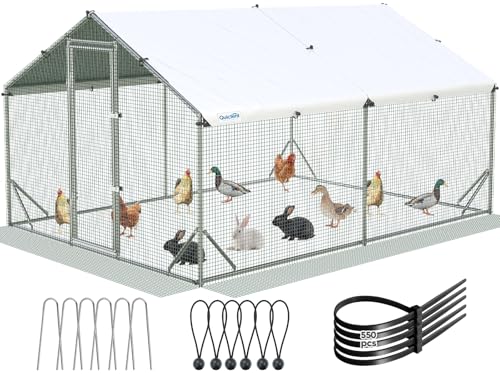
Durable Welded Hardware Cloth & Ground Skirt: Features 1" x 1"(20 gauge) square welded hardware cloth on side walls with thickened PVC coating for superior durability and predator resistance. Combined with the extended ground skirt, it provides a professional safeguard for various poultry like dog kennels, rabbit cages, or sheep pens.

Durable Welded Hardware Cloth & Ground Skirt: Features 1" x 1"(20 gauge) square welded hardware cloth on side walls with thickened PVC coating for superior durability and predator resistance. Combined with the extended ground skirt, it provides a professional safeguard for various poultry like dog kennels, rabbit cages, or sheep pens.