Yes, you’ll likely witness adult chickens attacking younger birds as they instinctively assert dominance to establish hierarchy and secure resources. Subordinate chicks and pullets are frequent targets due to their vulnerability. You’ll notice raised hackles, intense staring, and concentrated pecking targeting the head, neck, and vent. Environmental stressors like overcrowding and inadequate feed stations amplify aggression. Fortunately, strategic integration methods and proper management techniques can greatly reduce conflict within your flock.
Why Adult Chickens Attack Younger Birds
When you introduce younger birds to an existing flock, adult chickens don’t passively accept them—they actively assert dominance to establish a clear social hierarchy. This pecking order isn’t arbitrary; it determines resource access and social rank. Adults drive younger birds away from feeders and water sources through aggressive pecking and chasing, creating resource competition that intensifies their attacks. Subordinate chicks and pullets become frequent targets because they can’t physically defend themselves or compete for vital provisions. The severity escalates when you provide insufficient feeder spacing or limited drinker access, amplifying displacement stress. Environmental stressors—overcrowding, poor ventilation, or sudden flock composition changes—elevate aggression levels further. Additionally, providing adequate outdoor space can help mitigate the intensity of these conflicts, as increased chicken coop space allows for reduced competition and less stress. Boredom and lack of enrichment can also amplify bullying behaviors when chickens lack adequate mental stimulation and environmental variety. You’re fundamentally observing predictable behavioral responses rooted in survival competition: older birds protect their social standing and resource access by attacking vulnerable newcomers who threaten established pecking order stability.

Chicken feeder - An automatic chicken feeder is the best choice for chicken farmers, the chicken feeder can hold up to 16 pounds of feed, this is especially useful for those who have busy schedules and can't always be around to feed their chickens, the automatic chicken feeder is a great way to make sure that your chickens are always well fed.

May improve the hardness and durability of egg shells
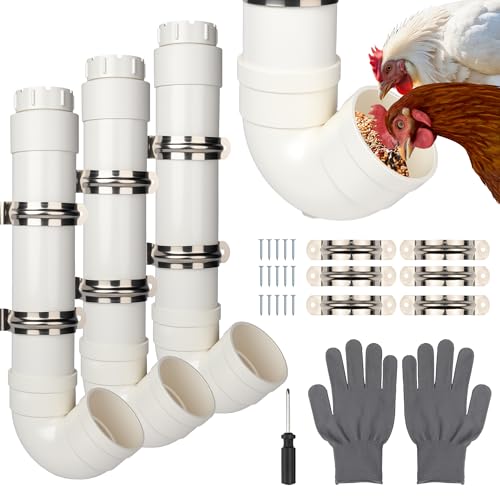
Waste Free Pvc Chicken Feeder: The wall-mounted chicken feeder, rat-proof chicken feeder, enables continuous feeding for chickens, minimizing feed waste and reducing rearing costs. Please note: This PVC chicken feeder is 19.3 inches long, 6.7 inches wide, and has an inner tube diameter of 3.8 inches.
Common Aggressive Behaviors During Attacks
Because aggression in chicken flocks follows predictable patterns, you can identify attack escalation through observable behavioral stages. You’ll notice raised hackles and intense staring as initial warning signs that precede physical contact. Pecking patterns intensify when you observe foot stamping, mock charges, and rapid forward lunges—all aggression triggers that signal impending strikes.
Once attacks commence, you’ll witness concentrated pecking on vulnerable areas like the head, neck, and vent. Roosters employ spur attacks that create deep lacerations, while wing-flogging knocks smaller birds down. Grabbing with beaks causes prolonged tissue damage and feather removal. Early socialization and regular interaction with younger birds can help reduce the intensity of aggressive responses from adult flock members.
You must recognize that repeated approach-withdraw cycles often precede full assaults. Understanding these behavioral sequences enables you to intervene before severe injury or cannibalistic behavior develops within your flock.
Risk Factors That Increase Attack Severity
While you’ve learned to recognize aggressive behavioral patterns, understanding what enhances these attacks proves equally critical to flock management. Several interconnected factors escalate attack severity in your flock.
Inadequate space allocation forces competition and heightens pecking intensity. Temperature control directly influences aggression—heat stress triggers cannibalistic behavior as birds become uncomfortable and volatile. Poor feed distribution creates resource scarcity, driving older birds to dominate younger ones at feeders. Additionally, threats from predators like great horned owls can increase stress in the flock, potentially exacerbating aggression among birds. Proper chicken processing techniques can mitigate stress levels during times of increased aggression.
Nutrition balance notably impacts aggression levels. Protein or methionine deficiencies cause feather picking, while high-energy, low-fiber diets increase activity and aggressive tendencies. Flock dynamics worsen when multiple roosters compete or newcomers disrupt established pecking orders. Mixing different sizes or types of birds can further destabilize the pecking order and intensify conflicts between age groups.
These aggression triggers don’t operate independently; they compound each other. Managing space, temperature, resources, and nutrition simultaneously reduces attack severity and protects vulnerable younger birds from escalating violence.

1. Enhance Privacy: Chicken nest box curtains offer chickens a private and secure space for laying eggs, reducing egg eating and improving egg quality by keeping hens warm.

[Made for Outdoor Living Spaces]: Use this transparent tarp for greenhouse panels, patio coverage, chicken coop protection, garden projects, porch enclosures and seasonal backyard setups. It gives you a clear cover option when you want protection without fully closing off light or visibility.

150 EGGS LARGE CAPACITY - Save time and frequent shopping trips. The fresh egg holder countertop perfect for large families, weekly meal prep, and households that go through dozens of eggs each week. The Size is L*W*H-16.7“x16.6"x11.3"
Prevention and Safe Integration Practices
Rather than accepting aggression as inevitable, you can implement deliberate integration strategies that substantially reduce conflict between established flocks and newcomers. Visual separation through hutches or dog crates allows birds to acclimate to sights and sounds without physical contact for days or weeks. For safe introductions, you’ll quarantine adult newcomers thirty days distanced from the main coop, then gradually expose them visually before direct contact. During integration, you provide multiple feeding stations, abundant run space, and adequate hiding spots behind structures or vegetation. These systematic approaches minimize hunger-driven aggression and allow subordinate birds escape routes. Creating hiding spaces for timid chickens during this period helps manage the environment more effectively and reduces stress-related injuries. Additionally, ensuring that the environment is free from environmental stressors such as overcrowding can significantly contribute to a peaceful integration process. Chickens can experience emotional stress from isolation, making flock dynamics crucial for their well-being. Integrating new chickens during nighttime hours can also help ease tensions as they settle in with minimal disruption. Furthermore, providing ample run space of about 8 to 10 square feet per bird in the outdoor area fosters a more harmonious environment. To further enhance their safety, consider securing all sides of the coop to protect against predators during the introductory phases. You supervise initial free-ranging sessions briefly over successive days, removing severely aggressive individuals temporarily if necessary. This methodical process substantially decreases injury rates while establishing stable flock hierarchies.

1. Enhance Privacy: Chicken nest box curtains offer chickens a private and secure space for laying eggs, reducing egg eating and improving egg quality by keeping hens warm.
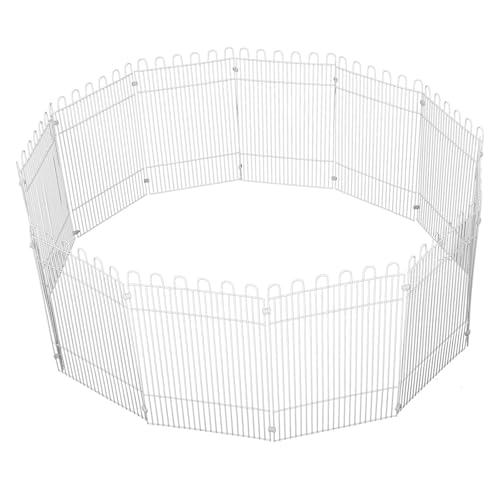
Segregated Growth: The chick duckling separator and poultry brooder enclosure allow chicks and ducklings to grow separately, minimizing risk of in brooder mesh panels

【Provides Added Protection】Buy this wire mesh to surround your chicken coop, you can keep predators from digging underneath and gaining access to your chickens.
What to Do When Attacks Occur
Despite careful prevention strategies, aggressive encounters still occur within mixed-age flocks. Your intervention strategies must prioritize immediate action. Separate attacked younger birds from aggressors using barriers or secondary housing to prevent escalating injury. Monitor distress signals—loud cheeping indicates urgent intervention needed. Implementing effective parasite control can also contribute to overall flock health and reduce stress that might lead to aggression.
Isolate persistent bullies temporarily, removing them to a crate for several days before reintroducing them as newcomers. This reset mechanism often diminishes aggression. Remove injured birds showing open sores or bleeding, as exposed wounds trigger cannibalistic pecking. Pecking order will naturally settle over time, so patience combined with strategic intervention yields the best outcomes.
Your recovery plans should address underlying triggers: evaluate coop density, food availability, and environmental conditions. Insufficient space, overcrowding, or nutrient deficiencies frequently precipitate attacks. Supervise subsequent interactions during daylight hours, intervening before pecking escalates beyond normal dominance establishment, ensuring flock stability.

✅ High-Quality Durable Material – Crafted from premium 500gsm ABS plastic particles, our pet fence net offers exceptional durability, wear resistance, and high-temperature tolerance. Lightweight and corrosion-resistant, it ensures long-term reliability while maintaining flexibility for various uses.

BIRD NETTING FOR CHICKEN COOP: Are you worried that hawks might eat your chicken? With this chicken netting, you can keep Keep predator like hawks or owls out by simply draping your chicken run with this mesh netting. Your chicken will be safe to keep in an area. Meantime, they will not jump into your neighbour yard or into your own garden.

Effective Protection: Our garden bird netting provides reliable protection for your plants against a variety of threats, including birds, deer, rabbits, squirrels, cats, and dogs. With a mesh size of 1/2 inches, it forms a secure barrier while allowing for optimal ventilation and lighting to foster a healthy growing environment for your plants
Long-Term Welfare and Flock Management
After you’ve managed immediate aggression and stabilized your mixed-age flock, your focus shifts to systematic practices that sustain health and productivity over time. Bird socialization during integration reduces future conflict, as younger and older birds establish compatible flock dynamics through gradual exposure. Additionally, implementing physical barriers such as fencing can protect your garden from potential foraging interference and keep your flock safe from potential predators like domestic dogs. Maintain adequate spacing—3-3.5 square feet per bird indoors—allowing natural behaviors that minimize tension. Provide 14-16 hours of daily lighting to regulate stress hormones and support consistent egg production. It’s also important to recognize that providing safe hydration is crucial for maintaining the health of your flock, as water remains the essential drink for chicks and chickens alike. Implement rigorous biosecurity: quarantine newcomers for 30 days, isolate sick individuals immediately, and disinfect equipment regularly. Check your flock’s droppings daily to identify any health issues that could compromise welfare or productivity. Remove non-laying birds after 4-5 months to prevent resource competition. Monitor daily for stress indicators like feather picking or declining production. These systematic interventions sustain long-term flock welfare and productivity.