You’ve probably wondered if your flock sleeps with eyes open, feeling frustrated by their strange staring. Here’s the thing: they’re running a brain hack where one side rests while the other watches for predators. Obviously, edge birds keep one eye open for safety, but central hens close both when secure. If you want them truly rested, you’ll need sturdy roosts and zero light disruptions. Stick around, and you’ll see exactly how to fix their setup tonight.
The Science Behind One-Eyed Chicken Sleep
Even though you’re probably wondering how a chicken can nap without getting eaten, the trick lies in a brain hack called unihemispheric sleep where one hemisphere catches Z’s while the other stays sharp. You see, acetylcholine release lets one side rest while the opposite eye scans for predators. It’s wild that birds switch between this and full sleep depending on danger levels. Now, don’t think it’s random; eye‑bias genetics actually dictate which side opens first based on incubation light. Chicks from lit eggs favor right-eye opening, while dark-hatched ones prefer the left. Here’s the thing: hemispheric‑switch timing guarantees both sides get equal rest by rotating positions all night. Obviously, this isn’t perfect for deep dreaming, but keeps them alive. If you need constant vigilance without exhaustion, this evolutionary marvel is exactly what you’re looking for to understand nature’s genius. Birds sleeping on the edge perches act as guards with their outer eye open to monitor threats while the flock rests.
Why Roost Position Determines Eye Closure
You’ve probably spent too many nights worrying your flock isn’t getting enough rest, especially when you see them dozing with one eye popped open like they’re watching a late-night thriller. Here’s the thing: it’s all about where they sit. Lower-ranking birds take the dangerous edge spots, forced into unihemispheric sleep by harsh hierarchy dynamics. They keep one eye open for predators while the other rests. Meanwhile, your top hens snooze safely in the middle, closing both eyes because the outer birds guard them. Now, consider your perch ergonomics. Poor spacing increases stress and aggression, locking subordinates into exhausting vigilance duties. Wide, stable roosts let birds rotate freely, balancing brain rest naturally. Obviously, bad setups leave everyone tired. Fix your roost layout today, and watch your flock finally relax completely without fear holding them back from deep, necessary sleep.
When Chickens Finally Close Both Eyes
Although you might panic when you spot those unblinking stares in the coop, you can actually breathe easy knowing that moment of total eye closure is just around the corner. When your flock finally shuts both eyes, they’re diving deep into bihemispheric recovery, the ultimate reset button after scary fireworks or barking dogs disrupt their night. Unlike us, needing hours to catch up, chickens master slow wave timing to refresh their brains in mere seconds. You’ll see them twitch or peep softly during this REM phase, proving dreams are real for feathered friends too. Obviously, this only happens when they feel truly safe on their roost, swapping vigilant one-eyed naps for total shutdown. If you’ve ever worried they never truly rest, watch closely; that dual closure signals the deepest, most restorative slumber possible. So, stop fretting over those staring contests and trust their biology. Your birds know exactly how to recharge efficiently, making your job as a keeper slightly easier tonight.

Small Chicken Perch with Swing Sets: The chicken swing is designed for 8-10 Chick and measures 38.9"L X 39.3 W" X 27.4 H. It features 4 perches and 2 swings, providing ample space for hens to rest, exercise, and enjoy a fun. This spacious design promotes healthier behavior and physical well-being, leading to higher-quality eggs. Compatible with any metal chicken coop, it offers a harmonious.

Square Chicken Roosting Bar:The unique square design prevents rotation,ensuring chickens stand stably.The widened, thickened perch has a flat surface, reducing toe pressure and protecting sensitive feet.The larger base area offers more solid support

Customizable Width & Height: Koutemie chicken roosting perch is designed with an adjustable screw mechanism, allowing you to effortlessly modify both the width and height to perfectly fit your coop’s unique requirements. Whether you have young chicks or mature hens, this perch ensures optimal comfort for chickens of all ages and sizes
How Predators and Light Control Sleep
Since you’re lying awake worrying about what’s lurking in the shadows, let’s cut through the noise and talk about who actually wants your flock for dinner. Raccoons, foxes, and owls hunt after dark, so you’ve got to lock that coop tight immediately. You can’t just hope for the best; you need active deterrence. Devices simulating predator glare create uncertainty, making hunters think twice before attacking. Install them slightly above eye level for maximum effect. Now, consider light timing. Sudden illumination fragments rest, forcing hens into stressful wakefulness when they desperately need slow-wave recovery. While they’ll try catching up later, constant disruption hurts their welfare long-term. Obviously, heat worsens this mess, but controlling your environment helps immensely. Secure those ramps, block digging spots with mesh, and manage your lights carefully. Don’t let preventable disturbances steal your birds’ peace. You’ve done the research, so make the smart choice tonight. Protect your flock confidently and let them sleep soundly without fear or fragmented rest ruining their health. For reliable silence that respects neighbors, a solar electric fence delivers high-voltage protection without the noise of guardian dogs.
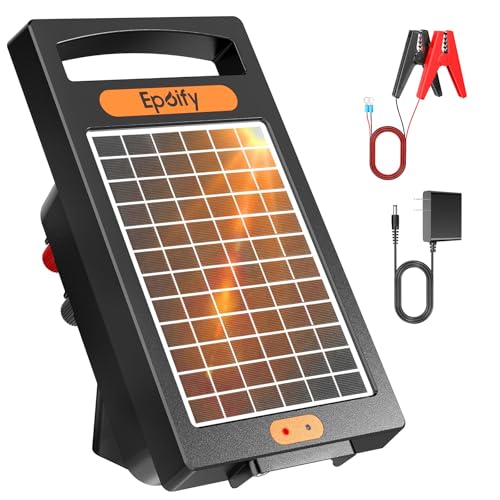
0.18J OUTPUT FOR LIVESTOCK CONTROL & PREDATOR DETERRENCE: This solar fence charger delivers a consistent 0.18 Joule pulse to contain cattle, goats, and poultry while discouraging raccoons, foxes, and stray animals from approaching your fence

【Ultra-Portable Solar Charger】Designed for convenience, this lightweight solar electric fence charger can be quickly moved between fences near your house or out in grazing areas. Perfect for creating a safe boundary for dogs, goats, and small pets. Don't overlook this handy "go-anywhere" tool!

Flexible application with 6 types of adapters for various devices, such as mobile phones, cameras, water pumps, and other electronic devices
Do Chickens Sleep With Their Eyes Open?
You’ve secured the coop against foxes and timed the lights perfectly, yet you still catch your hens staring blankly into the dark, making you wonder if they’re actually sleeping or just plotting their escape. Here’s the thing: they’re dozing off with one eye open. Chickens use unihemispheric sleep, letting one brain hemisphere rest while the other stays alert. If your hen sits on the roost’s edge, she keeps that outer eye wide open for surveillance. This isn’t random; it’s their unique eyeloominal rhythm managing feathered fatigue. Central birds close both eyes only when flanked by neighbors, proving status matters even at bedtime. Obviously, this adaptation prevents total sleep deprivation. They rotate 180 degrees to balance rest, ensuring both sides get shut-eye. So, don’t worry about those staring glazes. It’s smart survival, not conspiracy. Trust the science, buy that sturdy roost, and let them watch the night while they nap.