You’re tired of guessing if those mismatched hens will actually lay rainbow eggs, right? Here’s the thing: Easter Eggers ignore strict dress codes, sporting wild feather patterns, slate-blue legs, and cheeky muffs or beards. Obviously, you won’t get purple polka dots, but each hen consistently lays blue, green, or olive shells for life. They’re medium-sized birds with pea combs that hint at that blue pigment. If you want colorful eggs without the breed standard hassle, this flock fits your backyard perfectly. Stick around, and you’ll see exactly why they’re the smart choice for your coop.
What Colors Do Easter Egger Chicken Eggs Lay?
So, you’re standing there wondering if those Easter Egger eggs really pop out in every color of the rainbow, or if you’re just buying into a cute name? Here’s the thing: you won’t get purple polka dots, but you will score stunning blues and greens. Your hen’s egg gene genetics dictate that blue base, while brown pigments layered on top create those lovely sage or olive shades. Obviously, no single bird switches colors; she picks her hue for life. Don’t trust feather color to predict shades, though a pea comb hints strongly at blue. While diet influence might slightly tweak the tint during molting, it won’t turn a blue layer into a brown one. You’re getting a consistent, colorful flock, not a chaotic mystery box. If you want daily pastel surprises without the guesswork, this breed is your perfect, colorful match.


Easter egger chicken hatching fertile eggs

Large Amount - 15PCS Wooden Fake Eggs (2.4 x 1.6 inches), with 3 different colors, each color 5 eggs,making them an ideal fit for kids to play or paint, catering to your diverse needs.
How Many Eggs Do Easter Eggers Lay Per Year?
You’re probably staring at those colorful eggs wondering if the hen behind them actually works hard enough to justify the coop space, and honestly, that anxiety over empty breakfast plates is totally valid. Here’s the thing: these girls lay 200 to 280 eggs yearly, sometimes hitting 300 with great genetics. You’ll grab four to six weekly, starting around five months old. Obviously, your management drives this success. Your specific diet‑impact directly shapes their consistency, while winter lighting‑effects can tank output if you ignore them. Unlike other breeds, they handle summer heat well, keeping egg‑laying steady when others quit. However, cold snaps need your attention. Total egg production varies by bird, so don’t expect factory perfection from every hen. If you want reliable breakfasts without constant stress, this hardy layer fits your flock perfectly. Just feed them right and watch them work.
What Do Easter Egger Chickens Look Like?
Some folks swear they can spot an Easter Egger from across the barnyard, but you’re probably squinting at a photo right now wondering why every single bird looks completely different, and that confusion is exactly why you haven’t pulled the trigger on your order yet. Here’s the thing: there is no standard look. You might see pea combs or single combs, yellow legs or slate blue ones. Some sport fluffy beards and muffs, while others stay clean-faced. Their feather patterns range wildly from solid buffs to speckled blues and barred blacks. Obviously, this hybrid chaos scares beginners, but it guarantees your flock won’t look boring. Each hen lays one consistent shell color, yet your whole group delivers an impressive egg variety spanning blues, greens, pinks, and olives. If you want unique birds that break the mold, this random mix is perfect for you. Stop overthinking the appearance and just pick the chicks that make you smile today.

Contents:You will receive 12 yellow Easter fluffy chicks.Their vibrant colours and lifelike design make them utterly irresistible

DYNAMIC CLOCKWORK ACTION – Fun Farmhouse Party Entertainment: This set includes 12 yellow baby chick toys with a wind-up jumping mechanism. Once activated, each chick moves forward with bouncing motion. These hopping toys require no batteries, offering hands-on play perfect for farmhouse-themed parties, seasonal gatherings, and party favors

Complete Set: Includes 12 adorable wind-up jumping baby chicks made with soft plush material for party favors and Easter celebrations
How Big Do Easter Egger Chickens Get?
Since you’re already sweating the visual chaos, don’t let the size question freeze you up right before you click “buy.” You’re probably wondering if these birds will overcrowd your modest coop or if they’re too petite to pull their weight, but here’s the thing: Easter Eggers land squarely in the medium category, tipping the scales at a manageable 4 to 6 pounds. Hens usually hang around four pounds, while roosters push five or six, so they won’t dominate your yard like heavy production breeds. Obviously, your space coop requirements stay reasonable; just plan three square feet per bird, and you’re golden for a small flock. Their heritage from Ameraucanas means feather pattern genetics wildly vary, yet size stays consistent enough for standard setups. You won’t need massive roosts since they adapt easily to backyard life. If you crave hardy birds that fit tight spaces without sacrificing egg output, this size hits the sweet spot perfectly. Stop overthinking dimensions and start building; your future flock is waiting comfortably within these limits, ready to thrive right where you are.

【Sturdy Structure And Materials】: Constructed with 1" thickened galvanized steel pipe and precision welding, this chicken coop features a strong frame and square protective mesh for long-term durability. The four corners are specially designed to improve wind resistance, preventing the coop from tipping over in strong winds. It also effectively protects poultry from wild animals such as raccoons and wolves, providing a safe and comfortable living environment.

Spacious for 6-10 Chickens: This large chicken coop with run offers 31 cubic feet of interior space, with 2 dedicated nesting boxes and elevated roosting bars, providing a comfortable and private area for resting and egg-laying.
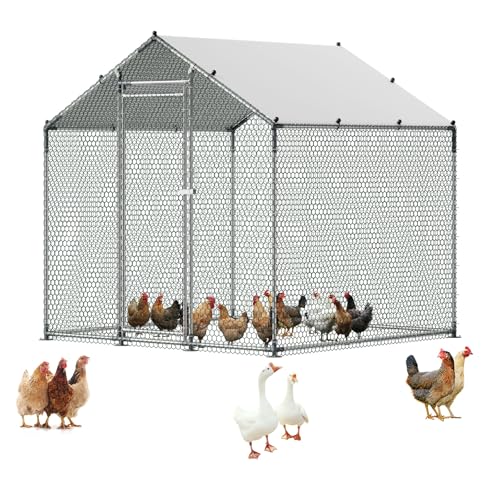
Sturdy Structure & Wire Mesh: Are you ready to create the perfect living space for your treasured animals? Look no further than this amazing chicken house! Crafted from 1" thick galvanized steel pipes, precise welding, sturdy frames, and featuring a protective hexagonal mesh, our chicken coop with run is built to last and provide a safe space and beautiful living experience for your cherished animals.
Which Comb and Facial Features Identify Them?
Although you’ve likely stared at a dozen confusing photos wondering if that fluffy face is a dealbreaker or a bonus, spotting the right Easter Egger comes down to three specific head traits you can actually count on. First, examine the comb shape closely. You’ll usually find a pea comb with a distinct ridge pattern resembling three rows of peas, though some birds sport a flat rose comb instead. Don’t stress if it varies slightly since hybrids are unpredictable. Next, look for facial tufts and significant muff presence around the beak. These fluffy cheeks signal Ameraucana ancestry and make them undeniably cute. Obviously, not every bird wears a full beard, but most do. If you want that classic fluffy look, pick a bearded chick now. You’ll love their unique faces once they grow in, so trust your eyes and grab one today.
Why Do Easter Egger Feather Colors Vary?
If you’ve been staring at a hatchery catalog wondering why one chick looks like a chipmunk and the next is solid gray-blue, you’re not crazy; you’re just looking at the beautiful mess of Easter Egger genetics. Since nobody enforces a strict breed standard, these birds boast incredible genetic diversity from their mixed parentage. You’ll see rust dominating hens while roosters flash white or red saddlebacks. It’s all about pigment inheritance dancing unpredictably through generations. One parent might carry the Blue dilute gene, giving you gray feathers, while another passes down solid black. Obviously, this means no two birds match exactly. You get chipmunks, dark-headed beauties, and rare splash patterns all in one flock. Embrace the chaos if you want unique birds, but skip this if you crave uniformity. Ready to pick your colorful favorites?
Are Easter Eggers an Official Chicken Breed?
You’ve picked out the perfect chipmunk-striped chick based on those wild feather patterns, but now you’re staring at the fine print wondering if you’re actually buying a “real” chicken. Here’s the thing: Easter Eggers aren’t an official breed because they fail strict APA breed standards requiring uniform offspring. Their mixed history means no specific colors get accepted, unlike purebred Araucanas or Ameraucanas. You’ll find them dominating the market simply because they’re cheaper and more available than rare purebreds. Obviously, hatcheries love selling these colorful hybrids, sometimes even mislabeling them as “Americana.” A marketassistant might confuse you with terms, but remember that “Easter Egger” just means any mixed breed carrying that blue egg gene. They lack standardized features, so every bird looks unique. Don’t stress about pedigree papers; just enjoy your funky, blue-egg-laying friend without worrying about show rules.
What Temperament Traits Make Them Family Friendly?
Since you’re probably worrying whether a backyard flock will turn into a feathered horror show for your kids, let’s cut straight to the chase: Easter Eggers are basically the golden retrievers of the chicken world. You want safe, right? These birds possess a gentle temperament that rarely shows aggression, making them perfect for little hands. They accept pets and enjoy hanging out with you, fostering real family bonding without the stress. Obviously, they aren’t noisy neighbors either. While some individuals might be skittish depending on their hatchery, most are curious and comical companions. They rarely go broody, so you won’t face territorial rage over nests. Just keep an eye on them if you mix them with bossier breeds, as their passive nature means they might get picked on. All right, if you need calm, interactive pets that actually tolerate chaos, this choice removes your doubt instantly.
Where Do Easter Eggers Thrive Best?
While you’re probably sweating over whether your backyard’s wild temperature swings will turn your flock into a pile of frozen or fried feathers, let’s get one thing straight: Easter Eggers don’t just survive; they thrive. You worry about heat or cold, but their hybrid vigor handles both without slowing egg production much. Obviously, shade and water help in summer, yet they need no special winter gear. Their climate adaptability means you get those colorful eggs year-round, even in Wisconsin winters. Now, consider your space. These birds love roaming, showcasing incredible free‑range suitability by foraging effectively and training easily to return home. They need just three square feet inside but crave ten outside. If you lack a yard, expand their run. All right, here’s the thing: whether confined or free, they fit your setup. So, if you want robust chickens that laugh at weather charts, you’re ready to commit. Beyond their hardiness, they coexist peacefully in mixed flocks alongside other gentle breeds without causing disruption.


Montessori Sensory Learning Toy – Keep kids away from screens and encourage open-ended play with these 9 wooden eggs in 2 realistic colors (white eggs & brown eggs). These fake eggs feature a smooth, burr-free finish and comfortable weight, perfect for grasping practice, object permanence learning, and pretend kitchen play