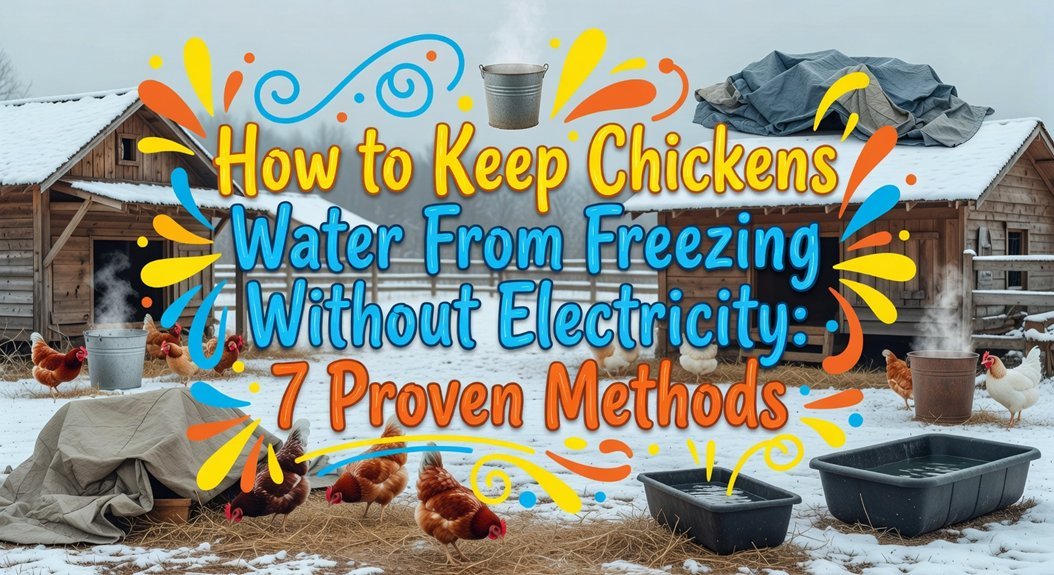
You’re tired of smashing ice at dawn, but you don’t need expensive heaters. All right, try black rubber tubs to soak up sun or insulate buckets inside old tires for serious cold. Obviously, salted bottles only buy you an hour, so swap in warm water daily if you’re home. This isn’t magic, just smart physics tailored to your flock’s size and your schedule. Stick with these proven tricks, and you’ll see exactly how simple keeping water liquid really gets.
Use Black Rubber Tubs to Capture Winter Sunlight
Look, there’s nothing worse than trudging out to the coop in freezing temps just to find your hens staring at a block of ice instead of a drink. You need black rubber tubs now. Their dark color masters sunlight absorption, heating walls to melt ice layers even on brutally cold, sunny days. Place them directly in the sun; bigger volumes retain that precious heat longer. Obviously, you’ll still get some surface freezing, but the water underneath stays liquid. When that top layer hardens completely, don’t panic. Simple tub tilting dislodges the ice instantly. Just flip the bucket upside down and smack the bottom hard to pop the frozen plug free. No electricity or tools needed. This method’s for you if you want a low-tech, reliable fix without buying expensive heaters. Grab those two-gallon buckets today and save your flock some thirst. Unlike plastic bowls, these durable rubber containers won’t crack when you remove the ice or endure freezing stress.
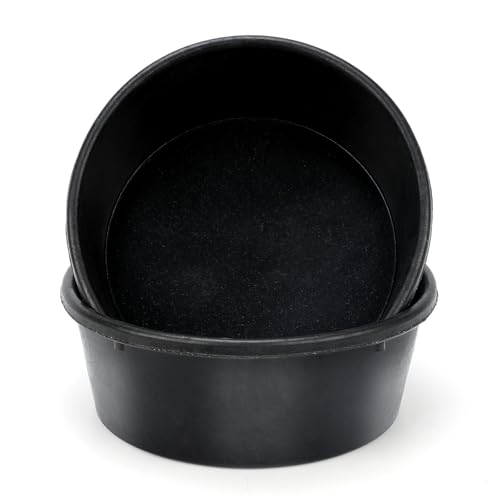
Appropriate size: Each rubber bucket has an outer diameter of approximately 10.6 inches and a height of approximately 4.1 inches, providing enough space to accommodate a large amount of feed and prevent food spillage; Each rubber dog bowl weighs 1.32 LB and is not easily overturned or kicked over
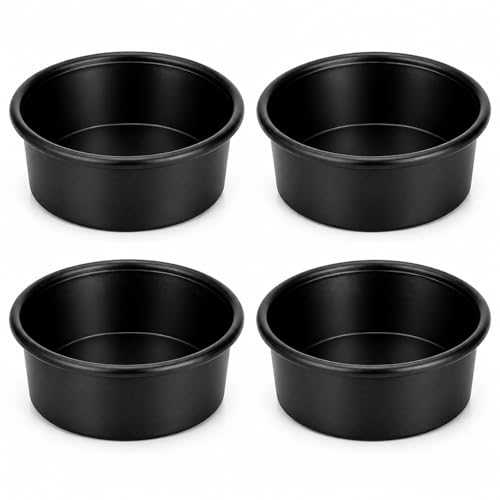
Appropriate size: Each rubber bucket has an outer diameter of approximately 10.6 inches and a height of approximately 4.1 inches, providing enough space to accommodate a large amount of feed and prevent food spillage; Each rubber dog bowl weighs 1.32 LB and is not easily overturned or kicked over

Package Includes: This set includes 2 pack durable 10L rubber feed pans, perfect for daily feeding routines. Note: new rubber dog bowl may smell after receiving, please store it in a ventilated place for a few days
Insert Salted Bottles to Delay Water Freezing
Although you’ve probably seen this salted bottle trick floating around Pinterest as a miracle cure, don’t grab your shaker just yet because the science says it’s more of a temporary delay than a true fix. You fill a sealed plastic container with salty brine, hoping that saltwater bottle creates enough heat to stop ice. Honestly, it only offers a brief freezing delay before everything turns solid anyway. Tests show both control and salted pails freeze hard overnight when temps drop below ten degrees. The bottle stays liquid inside while your chickens’ water locks up around it. Obviously, you must cap it tightly so no toxic salt leaks out. This hack isn’t for deep winter, but it might buy you an extra hour on mild nights. Try it as a backup, not your main plan, then keep watching those thermometers closely. Experiments confirm that even with the brine floating in the water, the surrounding liquid still develops a thick ice layer when temperatures rise to 20°F, proving the method is largely a bust.
Swap Frozen Buckets With Warm Refills Daily
When you’re tired of chipping ice out of buckets every time the temperature dips, swapping frozen containers for warm refills is the most reliable non-electric fix you’ve got. You dump that icy sludge each evening, bring the vessel inside to thaw, and scrub it clean before sunrise. Then, you haul fresh lukewarm water out to the coop. Obviously, room-temperature liquid slows re-freezing better than cold fills, keeping your flock hydrated without heating cords. If you’re home during the day, swap multiple times; otherwise, morning and evening routines work for moderate winters. While this demands extra effort, it guarantees one hundred percent liquid access. Consider using an insulated bucket to extend warmth between swaps, ensuring your daily water stays drinkable longer. This method isn’t for everyone, especially if you work late shifts during extreme cold, but for dedicated keepers with small flocks, it’s perfect. You eliminate equipment costs entirely. Just grab those portable rubber tubs and start swapping. Your chickens will thank you with consistent egg production, making the early morning chill totally worth the trouble. For those seeking a more automated approach that still avoids grid power, a solar-powered bubble system can circulate water continuously to prevent freezing even in temperatures as low as –30 °F.

Insulated | Water stays cool in summer, helps prevent freezing in winter.

Frost-Free All Winter – Keeps waterers from freezing in the harshest winter conditions when paired with the NEW insulated wrap (included), tested down to -10°F.

WINTER MUST-HAVE FOR CHICKEN KEEPERS – Keeps water from freezing to -10°F with included wrap; Belt fits any 2-5 gallon bucket; Perfect for chickens, turkeys, and farm birds
Build a Solar Sunroom to Block Cold Winds
Maybe hauling buckets twice a day sounds like a solid plan until you actually try it during a blizzard while your alarm clock screams at 4 AM. You need a smarter fix. Build a solar sunroom attached to your coop’s south side. Frame it with two-paned windows, hinged at the top for easy access. This setup provides excellent window insulation, trapping heat while blocking biting winds. Secure clear tarps tightly to stop drafts, but remember you still need solar ventilation to prevent moisture buildup. Place a black rubber tub inside; it soaks up rays and warms the water naturally. Obviously, this won’t work in perpetual shade, but for sunny spots, it raises temperatures fifteen degrees. You’ll stop ice before it starts without plugging in a single cord. Stop fighting the cold and let the sun do the heavy lifting for today. By designing the northern side with opaque roofing, you create a warm bubble where heat collects to further stabilize the environment.

[Cool & Fresh Air] Our solar powered fan delivers enhanced wind speed to rapidly cool spaces, refresh stagnant air, eliminate dust and unpleasant odors, and circulate fresh airflow-making it an excellent ventilation solution for small greenhouses, chicken coops, sheds, pet houses, attics, camping tents, windows, and both indoor & outdoor use. Ideal for spaces up to 100 sq.ft, for larger areas, simply purchase multiple units for optimal coverage.

Promote Healthy Poultry and Boost Egg Yield: create the ideal environment for your flock with our integrated lighting and ventilation system; By mimicking natural daylight, our 1000-1200lm pendant light stimulates year-round egg production even in winter; Simultaneously, the constant airflow reduces moisture and ammonia buildup, significantly lowering the risk of respiratory issues and ensuring your hens stay happy, healthy, and productive
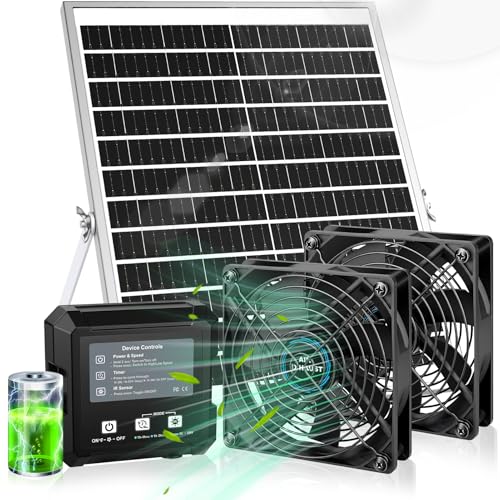
- Built-in 2500mAh Battery for Night & Cloudy Days: 25W Solar Panel + 2500mAh Battery – All-Day Power: Upgraded 25W high-efficiency solar panel charges 30% faster than standard 15–20W models—fully charged in about 4 hours of sunlight. Built-in 2500mAh battery supports 5–8 hours of night use and slow-charges even on cloudy days to prevent downtime. In extremely low temperatures, install the controller inside a shelter to prevent battery performance issues.
Place Hand Warmers Under Small Metal Basins
Since dragging frozen buckets out at dawn feels like a personal attack on your sleep schedule, you need a fix that doesn’t demand a power cord or a physics degree. Grab air-activated hand warmers; they cook up to 130°F for eight hours without electricity. You’ll want precise heatmer placement right under small metal basins because metal conducts warmth faster than plastic. Obviously, this trick works best for just one or two hens during mild cold snaps. Elevate the setup slightly so ground chill doesn’t steal your heat. While basin insulation helps, remember these packets quit working below 10°F. They’re perfect for emergency nights but terrible for huge flocks or deep freezes. You’ll replace them daily, which adds up, yet beats chipping ice. If you’ve got a small coop and hate freezing mornings, this cheap hack saves your sanity instantly. For a reusable alternative that avoids daily waste, you can create DIY warmers using uncooked rice filled into fabric chickens and heated in the microwave.
Insulate Water Buckets Using Tires or Coolers
If you’re tired of wrestling frozen buckets every morning, stuffing a water pail inside an old tire might be the lazy genius move you’ve been waiting for. Grab a fourteen-inch tractor tire, remove the wheel center, and slap a board across the bottom to block ground cold. Now, here’s the thing: spray foam filling creates a snug, custom mold that locks heat in tight. You could use bubble wrap or plastic bags, but foam really seals the deal against brutal winds. Drop your black oil pan right into that tire insulation; the weight presses it down for a perfect fit. Obviously, this won’t stop ice forever in deep freezes, but it buys you hours of liquid water even at twenty below. It’s messy to clean sometimes, sure, but dumping thin ice beats chipping thick blocks. Try this trick tonight and wake up to unfrozen water tomorrow. Applying the spray foam in small sections allows each layer to partially harden, preventing the material from sliding and ensuring a solid, insulated interior that conforms tightly around the bucket walls.

Use foam insulation sprayer to fill, air seal, and insulate stud wall cavities, rim joists, crawlspaces, attics and basements on homes and buildings

Expands To Fill: Loctite Tite Foam Big Gaps fills, seals, and insulates effectively around gaps and cracks up to 3 inches in size

SPRAY FOAM INSULATION KIT CONTENTS: 3 Pcs Spray Foam Insulation (26.46 oz. - 750 g), 1 Foam Gun Cleaner (15.52 oz./440 g), 1 Spray Insulation Foam Gun, 3 Pcs Red Nozzle (1-2), 2 Pcs Short 1 Long Foam Gun Nozzle Tips, 10 Pcs Spray Foam Can Nozzles, 1 Protection Suit, 1 Safety Glasses, 12 Pcs Gloves
Choose the Best Non-Electric Method for Your Flock
You’ve got the tire trick down, but let’s be honest: stuffing a bucket into rubber isn’t a one-size-fits-all fix for every coop or every winter storm. Maybe your flock needs more thermal mass, so grab those huge 40-gallon troughs that rarely freeze solid. Or perhaps you’re dealing with brutal winds; then you absolutely need an elevated shelter to stop ground chill from stealing warmth. Black containers soak up sun like champs, yet they fail on cloudy days. That’s where the salt bottle method shines inside plastic gravity waterers, working magic down to negative seven degrees. Don’t forget insulated tubing if you’re running lines, because exposed pipes burst fast. Obviously, no single hack wins every time. Mix big tubs with smart positioning, check ice daily, and your hens stay hydrated without frying your electric bill. Just pick what fits your specific winter chaos. For a more permanent solution, you can dig below the frost line to tap into geothermal heat that naturally keeps water around 50°F.

[IDEAL CHICKEN FEEDING SOLUTION]-The metal chicken water feeder is specially designed for chicken. This offers a 1.5-quart your poultry feeder bucket capacity, perfect for providing minerals or grains to a variety of animals, ensure that your poultry have an ample feed. Use it as a feeder or waterer, keeping feed and water fresh and dry.

🐔Convenient Feeding: The chicken feeder trough can hold a substantial amount of feed or water (4 Quart), making it ideal for grain feeding of a variety of poultry and small livestock, including chickens, geese, turkeys, ducks, goats, sheep, deer, piglets, ponies, cats, dogs, and more.

Large 3-Gallon Capacity: Automatic chicken waterer provides a steady gravity-fed supply for chickens, ducks, turkeys, and game birds while reducing refills.