You can safely feed spinach to your chickens when you manage portions carefully. Spinach offers excellent micronutrients like vitamin K, B-complex vitamins, and iron, but its high oxalic acid content interferes with calcium absorption. Limit spinach to 1-2 tablespoons for laying hens, 1-2 times weekly, ensuring it doesn’t exceed 10% of their diet. Pair spinach with calcium-rich foods like oyster shell to protect eggshell quality. Understanding the specific preparation methods and bird-type considerations reveals how to optimize this nutritious treat.
Nutritional Benefits of Spinach for Chickens
Because spinach delivers a thorough micronutrient profile, it’s an excellent supplemental feed for laying hens and growing flocks. You’ll find spinach contains over four times the daily vitamin K requirement per 100g, supporting bone mineralization and coagulation. Its antioxidant properties stem from substantial vitamin E levels and carotenoids, which enhance disease resistance across your flock.
The vitamin profiles include robust B-complex vitamins—folate, B1, B2, and B6—that maximize metabolism and nutrient utilization. You’ll also benefit from spinach’s iron content (1.05mg per 100g), which supports hemoglobin production, and its calcium (67mg per 100g) for skeletal health in laying hens.
At just 28 kcal per 100g with 92.4g water content, spinach provides hydration without excess calories. The 2.91g protein per 100g aids tissue repair while 1.6g dietary fiber supports digestive function. However, spinach’s oxalic acid content may affect calcium absorption, so moderation is essential for optimal flock health. These combined nutrients make spinach a nutrient-dense supplement for ideal flock health.
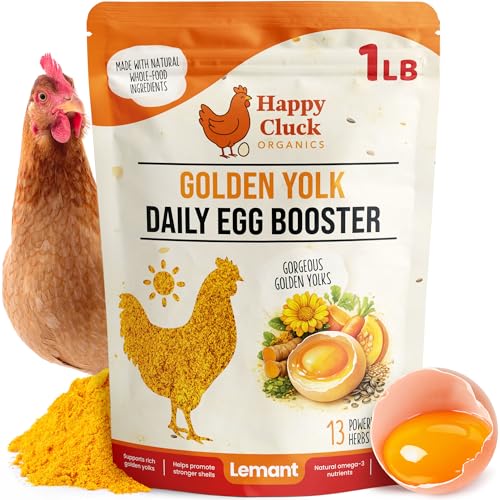
13 WHOLE-FOOD HERBS IN EVERY DAILY SCOOP - This Daily Egg Booster for Chickens packs 13 functional whole-food ingredients into every daily scoop. Each 1 LB pouch blends pumpkin powder, carrot powder, turmeric, milled calendula flowers, stabilized flaxseed, black oil sunflower meal, brewer's yeast, dual-grade calcium carbonate, kelp meal, chili flakes, rosemary extract, and standardized marigold extract into a single premium chicken vitamin and supplement for daily backyard flock nutrition.
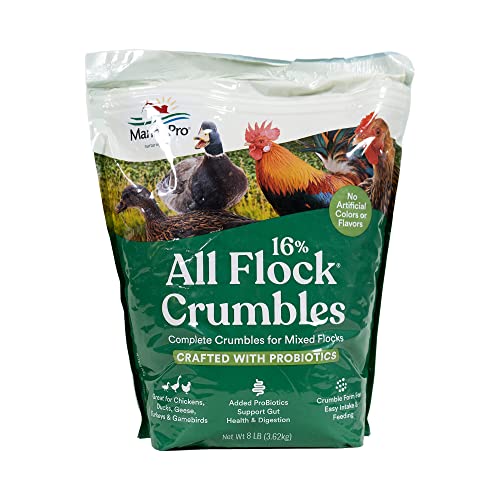
COMPLETE ALL FLOCK FEED FOR MIXED BACKYARD FLOCKS: Versatile poultry feed & all flock feed designed to support chickens, ducks, turkeys, geese, & more; a balanced bird food that simplifies feeding a diverse species in your backyard or homestead

PROBIOTICS FOR POULTRY: HealthyGut Probiotics for Chicken and Poultry is a broad spectrum blend of carefully selected probiotic bacteria for chickens, ducks, and other poultry; Helps promote a healthy digestive system and offers your bird total digestive support
Understanding Oxalic Acid and Calcium Interference
While spinach delivers substantial micronutrients, you’ll need to understand how its oxalic acid content affects calcium availability in your flock. Oxalic acid forms insoluble complexes with calcium present within the same food, preventing absorption in your birds’ guts. Spinach’s oxalate-to-calcium molar ratio exceeds the 9:4 threshold where interference becomes significant, meaning you’re not gaining meaningful calcium from spinach itself.
However, occasional spinach treats won’t trigger deficiency when you’re providing adequate calcium sources—layer feed, oyster shell, or limestone—through regular feeding. Your hens’ calcium demand peaks during eggshell formation, when relying heavily on oxalate-rich greens degrades shell quality. Similar greens like Swiss chard also contain oxalic acid and should be fed in moderation for the same reasons. Chronic high intake risks depleting skeletal reserves and impairing production.
Recommended Feeding Frequency and Portion Sizes
Now that you understand oxalic acid‘s calcium-blocking effects, you’ll need to calibrate spinach portions and feeding frequency to your flock’s age and production status. For laying hens, restrict spinach to 1-2 tablespoons maximum, limiting it to 10% of their total diet. Offer spinach 1-2 times weekly alongside calcium-rich foods. Non-laying hens and roosters tolerate larger portions—up to 1/4 cup per bird—but you’ll still maintain the 10% dietary threshold. Implement feeding intervals of every few days rather than daily to minimize oxalate accumulation. Chicks under 16 weeks require complete exclusion to protect developing bone structure. A diverse diet with varied vegetables and plant-based foods enhances overall flock health and improves egg quality compared to single-vegetable diets. Following AVMA 2023 guidelines, you’ll optimize flock health while preventing nutritional imbalances and calcium deficiencies.

Watch Your Birds Flourish: Our nutritionally complete whole grain grower crumbles with 17% protein promotes strong development and growth in chickens and ducks. Corn-free. Soy-free
Reduces stress due to molting

Vitamins & Electrolytes. Dairy Feed Supplements And Health Aids
Preparation Methods to Reduce Risks
Proper preparation techniques substantially mitigate the nutritional and safety risks associated with feeding spinach to chickens. Your washing techniques should employ a dilute vinegar or baking-soda soak—approximately one part vinegar to three or four parts water—to effectively remove pesticide residues and surface contaminants. Discard visibly slimy or moldy leaves to prevent mycotoxin exposure. Cracked corn can also be incorporated into their diet occasionally as a treat that encourages natural foraging behavior. Including herbs like oregano alongside spinach can further enhance chickens’ overall health while providing various nutritional benefits. Providing a secure coop environment is also essential to the overall health of your chickens.
Regarding cooking methods, light blanching reduces oxalate content and improves nutrient bioavailability while softening leaves. However, avoid adding salt, oils, or seasonings, which can cause digestive upset or sodium toxicity in birds. Cool cooked spinach thoroughly before serving to prevent thermal injury and spoilage. Similar to preparing chicken and spinach puree for human consumption, introducing spinach as part of a varied poultry diet ensures nutritional balance without overexposure to any single ingredient.
Chop large leaves into bite-sized pieces to reduce choking risk. Dry washed spinach completely and freeze excess portions in cubes for controlled, waste-reducing service.

Powerful Cleaner - Vinegar has been used for hundreds of years as a cleaner because it works!

✅ 6x stronger than store bought vinegar, industrial-strength solution for indoor or outdoor usage. Use to replace many harmful & toxic chemicals.
Pre-Mixed & Ready To Use: This effective & easy vinegar spray bottle powerfully cuts through grease & grime—no diluting required
Special Considerations by Bird Type and Alternatives
Because different poultry species and production stages have varying calcium requirements, you’ll need to adjust spinach portions accordingly. Layering hens tolerate spinach at 1-2 times weekly within 5% daily green intake, while non-laying birds handle occasional spinach without eggshell concerns due to minimal calcium demands. Ducks require similar moderation as layering hens, facing soft-shelled egg risks from oxalic acid interference.
For dietary balance, you’ll supplement layering flocks with oyster shell or calcium-rich alternatives. Non-laying birds benefit from spinach as supplemental treat frequency without production impacts. Consider rotating greens entirely—chard and beet greens present excessive oxalates. You’ll maintain commercial feed as your primary calcium source while reserving spinach as occasional supplementation, never exceeding 10% total diet composition across all bird types. Steaming spinach before offering it to your flock can reduce oxalic acid content by up to 50%, making it a safer choice for laying hens concerned with maintaining optimal eggshell quality.