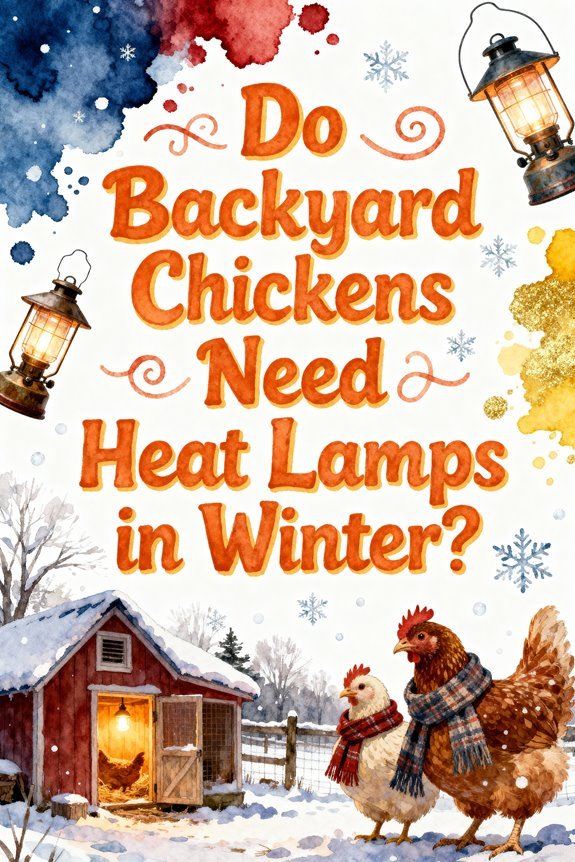
Most adult chickens don’t need heat lamps in winter due to their natural cold hardiness and insulating feathers. Your flock can tolerate temperatures down to 40-45°F and even survive subzero conditions in draft-free coops with proper ventilation. While supplemental heat becomes necessary below 35°F for chicks, elderly birds, or non-cold-hardy breeds, alternatives like radiant panels and insulation offer safer warming solutions than traditional heat lamps, which pose significant fire risks.
Natural Cold Hardiness of Adult Chickens
While many backyard chicken keepers worry about winter temperatures, adult chickens possess remarkable cold hardiness capabilities through natural adaptations. Your chickens’ physiological adaptations include a dense layer of down feathers beneath their exterior plumage that effectively traps body heat. They’ll comfortably tolerate temperatures as low as 40-45°F and can survive subzero conditions in draft-free environments. Proper ventilation in the coop remains essential even in winter, as stagnant air can lead to respiratory issues. Offering scratch grains in the evening helps chickens generate body heat overnight through digestion.
Your flock’s cold temperature tolerance is enhanced by their ability to constrict blood vessels in combs and wattles, reducing heat loss. They’ll also instinctively roost together at night, sharing body warmth. Their metabolic processes increase during cold weather, generating additional internal heat. While you’ll need to monitor for frostbite risks on extremities, healthy adult chickens are naturally equipped to maintain their core temperature without supplemental heat sources. Plymouth Rock breeds are particularly well-suited to handle harsh winter conditions.
Proper Uses of Heat Lamps in the Coop
Heat lamp safety and proper installation are critical considerations when supplementing coop warmth. Your heat lamp placement should target nest boxes or lower roost areas while maintaining safe distances to prevent direct contact with birds or bedding. Install proper fixtures rather than hanging lamps by cords, and guarantee all wiring routes away from water sources and flammable materials. Given that chickens are naturally cold-hardy, many backyard flocks thrive without supplemental heat in winter. A well-designed coop with proper ventilation helps regulate temperature naturally throughout the seasons. Placing the coop in a strategic location can provide natural protection from harsh winter winds.
Regular heat lamp maintenance includes cleaning dust buildup, inspecting wires for wear, and using only poultry-rated bulbs. You’ll need to monitor coop temperatures continuously and adjust usage accordingly. For targeted warming, operate lamps during the coldest periods to prevent water freezing and maintain egg integrity. Consider using thermostatically controlled heaters or radiant panels as safer alternatives, particularly when temperatures drop below 35°F.

The Light Dome with heat resistant ceramic socket can accommodate either reptile heat lamp or reptile basking bulb and ceramic heat emitter (Max. 150W).

Enhances UVB & Light Reflection: The reptile light fixture focuses the light emitted by the bulb, ensuring even distribution across the entire illumination area. The polished interior surface greatly enhances light reflection, minimizing losses of both light and UVB. This reflective effect optimizes the efficiency of the light source, promoting the health and growth of reptiles

【DaToo Infrared Heat Lamp】: Still looking for an efficient and safe heat lamp for chickens, the DaToo 150W Infrared Heat Lamp will be your perfect choice! This heat lamp has a powerful heating capacity and is widely used in brooder coops, food service, pets, reptiles and amphibians. Adopting high temperature and oxidation resistant double helix tungsten filament, energy-saving and efficient, perfect for creating a warm and comfortable resting place for pets.
Safety Concerns and Fire Prevention
Due to their high wattage and intense heat output, heat lamps pose significant fire risks in chicken coops that require careful consideration and preventive measures. These heat lamp hazards primarily stem from exposed 250-watt bulbs that can instantly ignite bedding materials or dust if they fall or shift. Mice chewing wires frequently causes electrical hazards that can lead to devastating coop fires. Like removing unpopped kernels from treats, eliminating fire hazards requires constant vigilance.
To minimize these risks, proper installation is essential. You’ll need to secure lamps with fire-resistant wire or chains, never string or twine. Install protective guards around bulbs and position them away from combustible materials. Don’t run heat lamps unattended, and make sure they’re connected to GFCI-protected outlets. Maintain regular inspections of wiring and mounts for wear. Keep fire extinguishers nearby and install smoke detectors if electricity is available. Clean your coop regularly to prevent dust and feather accumulation near heat sources.
Alternatives to Heat Lamps for Winter Care
Several effective alternatives exist for keeping chickens warm without the inherent risks of traditional heat lamps. You’ll find brooder plates particularly useful, as they simulate a mother hen’s warmth while allowing chicks to regulate their temperature naturally. For mature birds, heated coop fixtures with built-in safety features offer reliable warmth distribution. Consider incorporating multiple approaches: insulate your coop with foam boards or rigid panels, seal drafts, and maintain thick bedding layers that enable natural heat retention. You can also install radiant heat panels or oil-filled radiators, which provide consistent temperatures without fire hazards. Support these measures by ensuring proper nutrition and creating protected roosting areas where your flock can huddle together, maximizing their natural heat conservation abilities. Grouping multiple birds together is especially beneficial since larger flocks naturally generate and maintain more collective warmth. Providing elevated wooden roosts helps chickens stay off the cold ground and conserve body heat during winter nights. While most breeds can handle temperatures below freezing, hardy breeds like Rhode Island Reds are especially well-suited for cold climates.
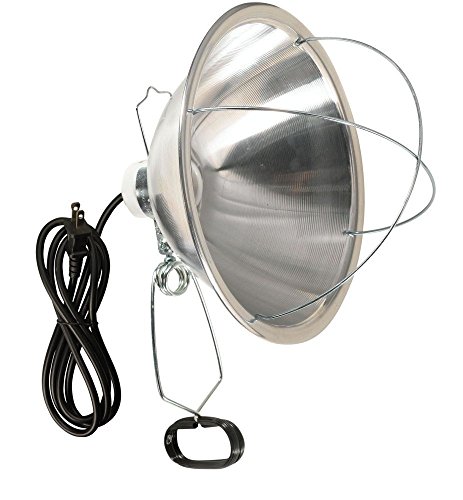
VERSATILE LAMP CLAMP with strong spring clam grips; double ball universal joint and adjustable reflector lets you direct light where you need it

Chicken Coop Heater: Keep your birds warm and prevent frostbite with Cozy Products Cozy Coop is a radiant heater that provides consistent, gentle heat without overheating your pets, making it ideal for outdoor coops and freezing winter temperatures.

Efficient poultry heaters: Built with high-quality carbon fiber heating element which is efficient and durable. MTBF 10,000+ hours lifespan compares with tungsten wires below 5,000+hours lifespan
When Heat Lamps Become Necessary
While most chickens adapt well to cold conditions, specific circumstances demand the use of supplemental heat lamps in your coop. Following proper heat lamp guidelines, you’ll need to provide additional warmth when temperatures drop below 35°F (1.7°C), particularly for very young chicks, elderly birds, or breeds not adapted to extreme cold. New England winters can be particularly challenging for backyard chickens after the first snowfall.
Effective chicken temperature management requires monitoring both coop conditions and bird behavior. You’ll know it’s time to implement heat lamps when you observe excessive huddling, signs of frostbite, or temperatures consistently below 20°F. This is especially vital during sudden cold snaps or in poorly insulated coops. For small flocks or isolated chicks unable to generate sufficient collective warmth, supplemental heat becomes indispensable. Remember to guarantee professional installation and secure mounting to prevent fire hazards.
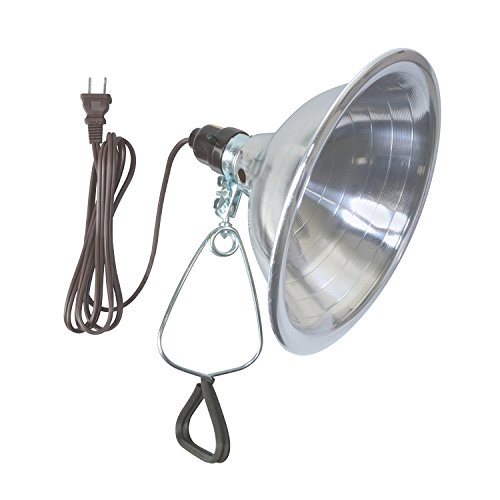
VERSATILE LIGHT WITH CLAMP: Suitable for use in the home; office or work studio; studio lamp for artists; photographer and also for indoor gardens it can provide consistent light and warmth

【Dual Wattage Infrared Heating System】 Our brooder heater comes with 250W and 175W infrared heat bulbs for flexible temperature control. Infrared heat penetrates deeply to boost blood circulation and healthy growth for chicks, ducklings and poultry. 250W for extreme cold ≤32°F, 175W for mild cold ≥32°F, providing stable, ideal warmth year-round.

💡 Chicken Coop Heater for Winter 💡 Our chicken coop heat lamp is built-in heating wire complies with UL standards and overheating protection design which is safe to use for your small animals, pet poultry, reptiles, and amphibians.The Heavy-duty mentel grill helps to prevent damage to bulbs and animals. The infrared light source won't cause any bad effects to your pets and make them happy throughout the winter.