
To build the perfect chicken coop for 6 hens, you’ll need at least 24 square feet of indoor living space and 120-150 square feet for an outdoor run. Plan for 2 nesting boxes (12″x12″ each) and install 4-5 feet of roosting bars with 8-10 inches per bird. Make sure your design incorporates proper ventilation, predator-proof hardware, and weather protection. These foundational requirements will set you up for an all-encompassing coop build that maximizes your flock’s health and productivity.
Essential Space Requirements for a 6-Hen Coop
Three key space requirements must be fulfilled when building a chicken coop for six hens: indoor living space, outdoor run area, and specialized zones for nesting and roosting.
Your space allocation should include 24 square feet of indoor comfort, with proper ventilation to promote health benefits and steady egg production. Medium-sized breeds typically need 3-4 square feet of space per bird to thrive. Regular cleaning efficiency will be enhanced by incorporating easy-access maintenance features. The outdoor run needs at least 60 square feet, though 120-150 square feet provides ideal outdoor enrichment for natural behaviors. An aluminum frame structure provides excellent durability while maintaining proper security against predators. Consider flock dynamics when planning your coop layout – include 2-3 nesting boxes (one per three hens) and adequate roosting bars with 8-10 inches per bird. These dimensions support stress reduction and prevent aggressive behaviors. Position roosting areas away from nests, and make certain nesting boxes measure 12″x12″x12″ for comfortable laying. This setup maximizes both hen welfare and productivity.

Fits Various Nesting Setups: Matutinus Laying Hen Nesting Pads Suitable for free-range, cage farming, and more breeding scenarios. Perfectly adapts to standard nesting boxes or homemade coops. Pro tip: Manually fluff and gently shake the pads to loosen fibers, and air them under sunlight before use for optimal loft and comfort. (Each pack contains 3 pieces, with 2 packs in total)

🐣Happy Laying Eggs: Tgeyd Nesting Boxes has six egg-laying areas, each egg-laying area is comfortable, safe, and sheltered, so that the chickens can get a more comfortable and safe egg-laying environment, and you can get more eggs.Great chicken coop accessories;

SUSTAINABLY SOURCED: The aspen used for our nest box pads are sourced only from forest product companies that are members of the Sustainable Forestry Initiative program.
Protecting Your Flock With Smart Predator-Proof Design
A well-designed predator defense system forms the foundation of any secure chicken coop. You’ll need to implement multiple predator deterrents, starting with an elevated design that’s at least 12-18 inches off the ground. Install hardware cloth on all six sides, including the floor, and secure it properly to prevent entry from burrowing animals. Small openings in your coop can allow weasels to squeeze through and attack your chickens.
Your coop’s doors require two-step latches that raccoons can’t manipulate, while windows and vents need hardware cloth covers for ventilation without compromising security. Create a dig-proof barrier by burying hardware cloth 12 inches around the perimeter, and consider electric fencing for additional protection against larger predators. Motion-activated lights can effectively deter nocturnal predators lurking around your coop at night. Adding bird netting overhead provides essential protection against aerial predators like hawks.
Regular coop maintenance is essential – inspect for weak spots, repair damages immediately, and remove nearby hiding spots that could shelter predators. You’ll also want to secure food and water sources inside overnight.

Durable Welded Hardware Cloth & Ground Skirt: Features 1" x 1"(20 gauge) square welded hardware cloth on side walls with thickened PVC coating for superior durability and predator resistance. Combined with the extended ground skirt, it provides a professional safeguard for various poultry like dog kennels, rabbit cages, or sheep pens.

Durable Welded Hardware Cloth & Ground Skirt: Features 1" x 1"(20 gauge) square welded hardware cloth on side walls with thickened PVC coating for superior durability and predator resistance. Combined with the extended ground skirt, it provides a professional safeguard for various poultry like dog kennels, rabbit cages, or sheep pens.

[Heavy Duty Material]: Gbekery Hardware cloth is crafted from high-quality, robust materials. And The size of the chicken wire is 16 inch×25 ft and 1/2 inch×1/2 inch thickness.
Creating Optimal Ventilation Systems
Proper ventilation serves as the cornerstone of a healthy chicken coop, helping regulate temperature and remove harmful ammonia buildup from droppings. High dust levels from dander, droppings, and bedding can cause respiratory problems if not properly ventilated. You’ll need to implement both low and high ventilation types to create effective cross-ventilation. Install wall-roof gap vents or ridge vents at the peak, and position pop holes as lower air intakes. A secure locking system around ventilation openings helps protect your chickens from nighttime predators.
For ideal airflow management, follow the 1:10 ratio – one square foot of ventilation per 10 square feet of floor space in warm climates. Place vents on opposite walls above roosting height to prevent drafts while maintaining circulation. Cover all openings with predator-proof wire mesh, and consider installing adjustable vent covers for seasonal control. In hot climates, you might need larger openings or additional vents to maximize cooling, while cold climates require smaller, strategically placed vents. With proper indoor space of 2-4 square feet per hen, ventilation becomes even more crucial for maintaining chicken health and comfort.
Setting Up Comfortable Nesting and Roosting Areas
Creating comfortable nesting and roosting spaces ranks among the most important aspects of chicken coop design. For six hens, you’ll need two nest boxes measuring 12-14 inches in all dimensions for medium breeds. Install these boxes 12-18 inches off the ground in a darker area of the coop, and include a 4-6 inch front lip to contain nesting materials. Regular maintenance with clean bedding is essential for proper hygiene and egg protection. Consider using repurposed containers like plastic buckets or mailboxes for cost-effective nesting solutions.
Position a landing perch 6 inches from the box entrance and add curtains for privacy. Fill boxes with clean straw or wood shavings for ideal nesting comfort. Guarantee easy access for egg collection through external doors or removable panels. Create a 45-degree sloped roof over the boxes to prevent roosting on top. For ventilation, incorporate small air gaps while avoiding direct drafts that could disturb laying hens. Arrange boxes no more than three levels high to ensure comfortable access for both hens and egg collectors.
Building a Safe and Spacious Outdoor Run
Building a secure outdoor run stands as the cornerstone of your chickens’ daily enrichment and exercise needs. For six hens, you’ll need a run measuring at least 6 x 10 feet to provide adequate space. Frame your structure with sturdy 2x4s and cover it with ¼-inch hardware cloth instead of chicken wire for superior predator protection. Black Orpington chickens are particularly well-suited for colder climates and will appreciate a weather-resistant run structure.
Install a slanted roof using corrugated steel to guarantee proper drainage and protect your flock from the elements. When considering run aesthetics, integrate the structure naturally into your landscape while maintaining functionality. Include a full-height door for easy access and maintenance tips suggest incorporating features like raised perches for comfort. Consider planting banana trees near the run to provide both shade and occasional healthy treats for your flock. Don’t forget to plan for proper ventilation and natural lighting, which are essential for your chickens’ health and well-being. Bury the hardware mesh in an 8-12 inch trench around the perimeter to prevent predators from digging under the run.

Size Specification: 2 sheets wire mesh, the size of each piece is 13.7 x 40 inches, wire diameter 0.52 mm

Product Details: ArdeFentium 8in x 25ft hardware cloth chicken wire roll with 1/4 inch square openings and 23 gauge steel wire is ideal for small animal barriers and chicken fence projects. This 1/4 inch wire mesh is perfect for repairing damaged areas, adding extra protection to existing garden fencing, coop doors and fence bottoms.
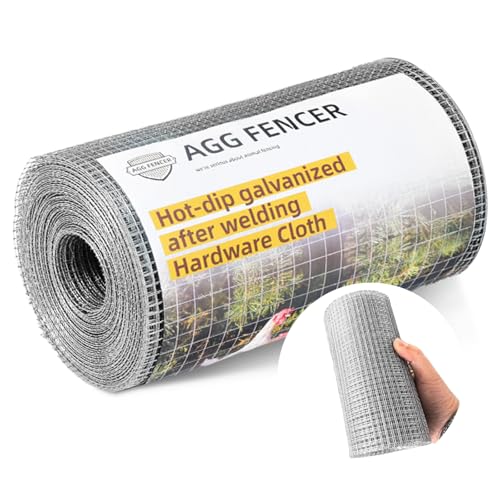
Product details: The length of this hardware cloth is 8 inches/ 20.32cm, the width is 25ft/ 7.62m, and the hole size is 1/4 x 1/4inch. It is very suitable for repairing damaged chicken coops, gaps under houses and other small-sized damaged holes
Weatherproofing Your Coop for Year-Round Use
Once you’ve established a secure run for your flock, weatherproofing your coop becomes the next key focus for year-round protection. Regular inspections and prompt repairs help ensure optimal flock health. Start with a sloped metal roof featuring generous overhangs to guarantee proper water runoff and wall protection. Install vinyl siding over treated lumber for superior moisture management, and seal all joints with weather sealants designed for outdoor use.
Consider using rice hulls mixed with deep litter bedding to help manage moisture and reduce odors naturally. Elevate your coop’s foundation and create drainage channels around the perimeter to prevent groundwater seepage. Inside, implement the deep litter method and coat the floor with sand-mixed epoxy for enhanced traction. Install ventilation windows with rain covers to maintain airflow while keeping the interior dry. A well-designed coop needs 4 square feet per bird to maintain comfort in all weather conditions. Don’t forget to add gutters and downspouts to direct water away from the structure, and maintain a regular inspection schedule to catch any weatherproofing issues early.

Smooth Mobility & Flexible Placement: Easily move your chicken coop with sturdy wheels and handle, allowing your flock to enjoy fresh grass daily while conveniently relocating the coop around your yard or garden.

Warm Notes: This solar fan not built inside battery backup. The fan only work well during sunny days, the performance will be dramatically reduced if the day is cloudy or any shade at the panel, stop working during rainy day or at night
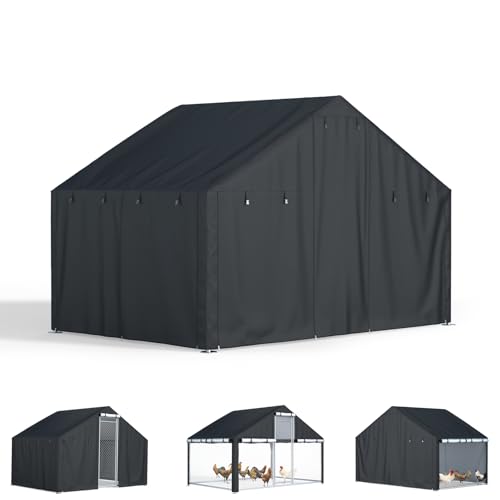
Size: The size of the chicken coop cover is 81.8 inches x 81.8 inches x 78.7 inches. It is suitable for a large metal chicken coop with one unit. Note: It does not include the chicken coop. Only the cover is provided.
Installing Proper Insulation and Temperature Control
Effective insulation stands as the cornerstone of temperature control in your chicken coop. You’ll need to select from various insulation types, including reflective materials for summer heat reduction and rigid foam boards for year-round thermal regulation. Install these materials strategically in your walls, ceiling, and floor, ensuring all gaps are properly sealed. A carefully designed coop in shade significantly reduces overheating risks during summer months. Using hardware cloth mesh around ventilation openings helps maintain proper airflow while ensuring security. While adult chickens can tolerate sub-zero temps when properly protected, consider adding supplemental heat if coop temperatures drop below 35°F.
Monitor your coop’s climate using a thermometer and hygrometer, aiming for temperatures between 45-75°F and humidity levels of 50-70%. Don’t forget to maintain proper ventilation while insulating; install adjustable vents at both high and low points of your coop. The deep litter method provides additional insulation through natural decomposition, adding 10-15°F of warmth during winter months while managing moisture levels effectively.
Choosing Durable Materials and Hardware
With your coop’s climate control system in place, selecting the right construction materials becomes your next major decision. For durable wood options, choose tropical hardwoods or redwood sealed with non-toxic finishes instead of pressure-treated lumber, which can harm your hens. Frame your structure with 2×4 boards and protect them with exterior sealants. Ensure your structure can withstand severe weather by exceeding standard durability requirements. Consider installing at least nesting boxes for your six hens based on recommended ratios for larger flocks.
Your hardware options should prioritize safety and longevity. Install 1/2-inch galvanized hardware cloth rather than chicken wire for superior predator protection. Secure it with stainless steel or galvanized fasteners, and reinforce frame joints with metal corner braces. For roofing, select metal sheets or weatherproof OSB with proper barriers. A proper ventilation system helps maintain healthy air quality and prevents moisture buildup that can lead to disease. Establish a solid foundation using concrete blocks or footings, anchoring posts at least 3 feet deep to guarantee stability against environmental forces.

Heavy-Duty 19 Gauge Hardware Cloth Construction: This hardware cloth is made from thick 19 gauge welded steel wire, creating a rigid and stable structure that holds its shape during installation. It is designed for outdoor and DIY applications where strength and durability are important.
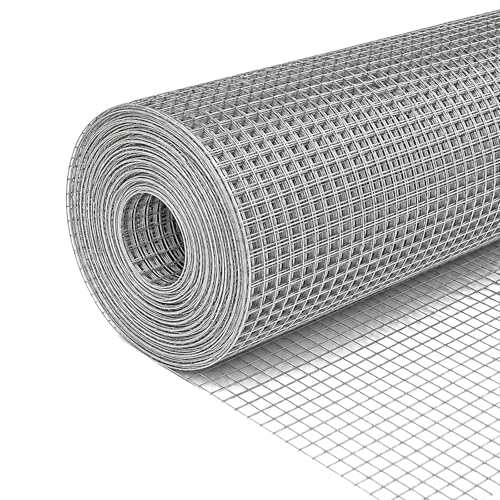
Hardware Cloth 1/2inch for Chicken Coop – 16 inch x 50 ft welded wire mesh made from 23-gauge galvanized steel hardware cloth. Provides reliable strength and flexibility for chicken wire fencing, garden protection, and general outdoor use

Galvanized hardware cloth roll 16 "x50 ' foot with 1/2 inch mesh 19 gauge.In order to provide a better experience, the actual length of Gardeal's hot-dip galvanized iron mesh is 16inx(600+19)in, which is 619in.