You can safely feed your chickens sweet potatoes as a nutritious dietary supplement when you prepare them correctly and follow evidence-based inclusion rates. Cook them through boiling or steaming to improve digestibility, then offer bite-sized portions limiting sweet potatoes to 5–10% of their total diet. They’re toxin-free unlike white potatoes, rich in beta-carotene and digestible carbohydrates, and can replace up to 30% of maize in broiler diets. However, ideal inclusion rates vary considerably depending on your flock’s production stage and specific nutritional requirements.
Nutritional Benefits of Sweet Potatoes for Chickens
Because sweet potatoes supply high levels of digestible carbohydrates—primarily starch—they’re a concentrated energy source that can support maintenance and egg production when properly balanced within a complete ration. You’ll find that orange- and yellow-fleshed cultivars deliver substantial beta-carotene content, contributing meaningfully to your flock’s vitamin A status for vision and epithelial integrity. Sweet potatoes also contain vitamin C, B-vitamins, potassium, manganese, and trace iron that support metabolic functions and antioxidant capacity. However, you should recognize that calcium levels remain low (~30 mg/100g), so sweet potato cannot replace formulated calcium sources essential for eggshell formation in laying birds. The nutritional value depends greatly on processing methods, as heat treatment affects vitamin retention and mineral bioavailability across cultivars. Cooking sweet potatoes through boiling or steaming further enhances their digestibility and reduces the natural solanine toxin present in raw tubers.
Safe Preparation and Feeding Forms
While sweet potatoes deliver impressive nutritional benefits to your flock, realizing those advantages depends on how you prepare and present them. Your preparation methods greatly impact digestibility and nutritional availability. Cooking softens flesh and reduces resistant starch, making energy more accessible to your birds. Mashing cooked sweet potatoes into small pieces prevents choking and selective feeding. You can also puree cooked sweet potato and mix it with grain for even intake distribution.
For feeding tips, offer treats as bite-sized baked cubes, limited to 5–10% of total diet. Cool cooked potatoes to room temperature before serving to prevent beak injury and feed spoilage. Make certain your flock finishes portions within 20 minutes. Unlike white potatoes that contain solanine toxins, sweet potatoes belong to the morning glory family and are completely safe for chickens. Separate treats from commercial layer feed to maintain consistent nutrient intake and prevent birds from refusing formulated rations.

One 19 ounce bag of Frozen Sweet Potato Straight Cut Fries

MADE IN USA: Our sweet potato and beef fillet dog treats are made with care right here in the USA; We guarantee the best quality in each bite, using only natural ingredients for your dog's delight

Optimal Inclusion Rates for Different Production Types
Since your production goals shape nutritional requirements, sweet potato inclusion rates must align with whether you’re raising broilers, layers, breeders, or dual-purpose birds. For broiler starters, you’ll achieve ideal results at 10-15% inclusion without compromising performance or feed conversion. During finisher phases, increase sweet potato to 50% for superior carcass traits, though you’d avoid exceeding 75% corn replacement. Research has demonstrated that 11% inclusion represents the optimal sweet potato leaf meal level for broiler chickens, with performance improvements peaking at this rate before declining with higher levels. Layer diets benefit from 15-30% dry matter substitution of sweet potato vine meal, maintaining proper calcium-phosphorus ratios. Breeders and dual-purpose flocks tolerate up to 80% peeled cooked sweet potato meal, with 50% inclusion in finisher phases aligning well with energy-protein ratios. These production type-specific inclusion rates guarantee you’re maximizing nutritional benefits while preserving growth rates and feed efficiency across your flock.
How Sweet Potatoes Affect Chicken Performance
Sweet potato’s nutrient profile—particularly its lower metabolizable energy (ME) and higher crude fiber content compared to maize—directly shapes how your flock responds to dietary inclusion. You’ll observe curvilinear declines in growth rate as sweet potato root meal (SPRM) replaces maize, with studies documenting 17% overall reductions during complete substitution. However, your inclusion strategies critically determine outcomes. When you reformulate diets for energy and amino acids, moderate SPRM inclusion (10–30%) yields comparable feed conversion ratios and feed intake to control diets. Performance metrics like average daily gain remain stable under balanced formulations, whereas unbalanced high-inclusion diets produce inferior results. Research from the University of Calabar demonstrates that alternative feed sources such as sweet potato meal can improve economic viability for farmers while maintaining poultry performance. Processing methods and particle size further influence digestibility, affecting your flock’s overall performance responses to SPRM incorporation.

CHICKEN DOG TREATS - Packed with the nutritious goodness of protein and vegetables, Healthfuls Sweet Potato & Chicken Wrapped treats have a natural and sweet flavor that your dog will love.

Chicken First: Pur Luv Jerky Wrapped Dog Treats are jerky dog treats made with Real Chicken as the very first ingredient

Sweet Potato & Chicken are the first two ingredients
Toxins and Safety Concerns to Avoid
Because you’re incorporating sweet potatoes into your flock’s diet, you’ll want to understand the critical safety distinctions between sweet potatoes and their nightshade relatives, particularly white potatoes. Sweet potatoes contain no solanine or other toxic compounds present in white potatoes, making them entirely safe raw or cooked. However, you must apply safety precautions regarding damaged sweet potato tubers. Fungal growth on compromised tubers produces ipomeamar toxins, which cause severe respiratory disease in poultry. Conversely, exclude green, sprouted, or damaged white potatoes entirely from your chickens’ access. Their glycoalkaloid content—particularly in green or light-exposed portions—causes neurological damage and organ toxicity. When introducing sweet potatoes, monitor for fungal contamination and introduce them gradually. Cooking white potatoes at temperatures over 170 °C can partially destroy glycoalkaloids, though raw or undercooked white potatoes should never be fed to your flock. This distinction guarantees your flock receives nutritional benefits while avoiding potentially fatal toxic exposure.
Feeding Guidelines by Age and Life Stage
Optimizing sweet potato inclusion rates across your flock’s developmental stages guarantees you’re maximizing nutritional benefits while maintaining digestive health and production performance.
Your feeding schedule must align with age-specific needs. For starting chicks (0-4 weeks), incorporate 27% sweet potato to support immune function and early growth through vitamin A and carbohydrates. During the growing phase (4-8 weeks), increase inclusion to 30%, leveraging potassium and manganese for muscle development. In finishing broilers (5+ weeks), maintain 30% inclusion to reduce abdominal fat while improving carcass quality. For laying hens, sweet potato’s carotene enhances yolk color while calcium strengthens shells. General adult chickens tolerate raw or cooked sweet potatoes safely, though cooking peels reduces solanine levels. Monitor portions carefully to prevent loose droppings from excessive fiber intake.

Taurine Added: Give your dog this taurine contained sweet potatoes wrapped chicken to help improve brain development, retina protection and heart improvement of your little pup

Naturally Delicious Flavor Medley - These wholesome large dog and small dog treats combine savory chicken with tasty, antioxidant-rich sweet potato
Monitoring Your Flock for Digestive Changes
How can you tell if your flock’s digestive health is declining? You’ll need to establish a rigorous digestive monitoring routine by observing droppings and flock behavior daily.
Examine feces for color changes: firm brownish poo indicates normal digestion, while runny yellow diarrhea signals dietary upset or parasites. Foamy, greasy droppings suggest worms or coccidiosis. Black tar-like feces indicate internal bleeding; white or clay-colored poo points to pancreatic issues.
Monitor behavioral shifts alongside droppings analysis. Listlessness, inactivity, or pale combs signal dehydration or coccidiosis. Watch for appetite loss, weight decline, and increased thirst—hallmarks of enteritis. Check crops each morning; empty crops confirm normal function, while hard lumps or squishy swelling require immediate intervention. A healthy digestive system requires a thriving microorganism population to properly break down food and absorb nutrients.
Document changes photographically and contact your veterinarian if symptoms persist beyond one to two days.
Practical Tips for Incorporating Sweet Potatoes Into Your Feeding Program
Once you’ve confirmed your flock’s digestive health is stable, you can strategically introduce sweet potatoes to enhance nutrition and egg quality. Start with small portions—approximately 1–2 tablespoons per mature bird—and offer cooked sweet potato 2–3 times weekly as part of the 10% treat allowance. Incorporate texture variation by alternating between mashed and diced forms to prevent boredom and optimize nutrient absorption. Consider food pairing strategies: combine oven-dried sweet potato meal with your standard grain ration, replacing maize up to 30% in broiler diets or fully in layer rations when nutritionally balanced. The beta-carotene content in sweet potatoes converts to vitamin A, which directly supports brighter egg yolks and improved respiratory health in your flock. Oven-dried forms outperform sun-dried options for storage and mixing efficiency. Always maintain complete diets meeting protein, amino acid, calcium, and phosphorus requirements for your flock’s production stage.
The information below is per-pack only

【 SINGLE-INGREDIENT, ALL-NATURAL PURPLE SWEET POTATO】Made from 100% freeze-dried purple sweet potato—nothing added, nothing artificial. A clean, single-ingredient treat perfect for pets with allergies, sensitive stomachs, or dietary restrictions. No grains, no preservatives, and no nonsense.
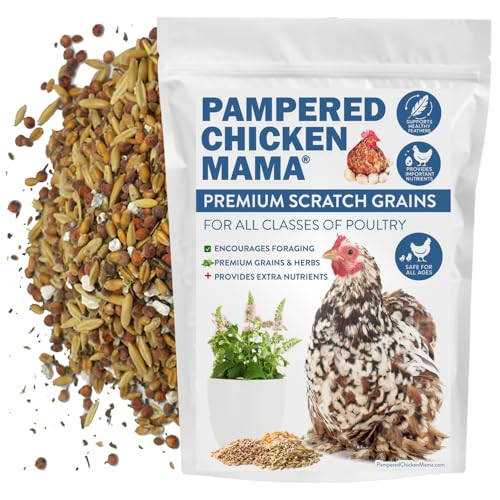
✔️ REDUCES STRESS: Herbal scratch feed treat encourages natural behaviors in backyard chickens. They'll just scratch, and peck feeds keep them occupied.