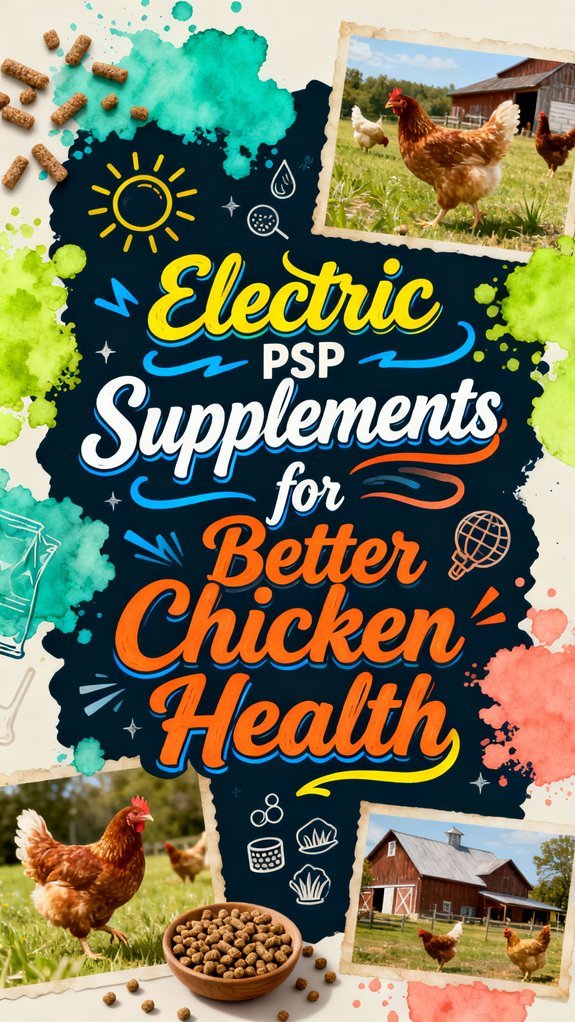
You’ll strengthen your flock’s health by combining Elector PSP’s spinosad-based formula with targeted nutritional support. This parasiticide controls northern fowl mites without withdrawal periods, while omega-3 fatty acids, vitamin E, and probiotics enhance immunity and plumage quality. Digestive enzymes improve nutrient bioavailability, reducing inflammation and supporting gut health. Implementing integrated parasite management alongside nutritional supplementation creates ideal conditions for flock performance. Understanding how these components work synergistically reveals the thorough approach necessary for sustainable poultry operations.
Understanding Elector PSP and Its Role in Poultry Health
Because northern fowl mites represent the most prevalent external parasite affecting U.S. poultry operations, you’ll find Elector PSP—a spinosad-based insecticide from the spinosyn class—offers a practical solution without the complications of traditional treatments. This product functions as both larvicide and adulticide, breaking the mite lifecycle with a single application at recommended levels. You can apply it directly to birds without requiring meat or egg withdrawal periods, making it ideal for layers and breeders. Elector PSP demonstrates no cross-resistance with organophosphates, pyrethroids, or neonicotinoids, positioning it as a valuable resistance management tool. The minimal environmental risk of spinosad makes it a responsible choice for sustainable poultry operations. By controlling northern fowl mites effectively, you’ll preserve flock well-being, reduce animal distress, and maintain the nutritional benefits your birds require for peak production and health outcomes. Additionally, using diatomaceous earth in the coop can complement the effects of Elector PSP as it is known for its efficacy against mite populations. Regularly cleaning and using natural treatments like diatomaceous earth around the coop can further enhance mite control. Implementing good hygiene practices in the coop will also contribute to minimizing mite infestations. Minks can pose a threat to chickens, and protecting your flock is essential for preventing devastating losses.
Ectoparasite Control: Reducing Mites and Flies on Your Premises
While northern fowl mites and poultry red mites remain the primary ectoparasites threatening flock health, you’ll also contend with multiple fly species and beetles that compromise premises sanitation and bird welfare. Elector PSP‘s spinosad formulation addresses the thorough pest lifecycle by functioning as both larvicide and adulticide, eliminating adults and nits simultaneously. You’ll apply the concentrate via directed spray to treated surfaces, where it maintains efficacy without repelling insects. The dual-action mechanism prevents larval progression while keeping adults on surfaces for toxic uptake. Additionally, ensuring adequate shade coverage within the coop can help reduce stress on chickens, making them less susceptible to infestations. Chickens showing behavioral changes might be more prone to infestations, indicating the need for consistent monitorization. A well-balanced diet is essential, as it enhances the chickens’ ability to develop robust health, making them better equipped to resist infestations. The transmission of mites can often occur through direct contact with infected birds or contaminated equipment, highlighting the importance of strict biosecurity measures. Establish treatment frequency based on infestation severity and environmental conditions, with re-application recommended every 7 to 10 days for optimal control. It’s also crucial to provide balanced nutrition for your chickens, as growth and health can influence their ability to resist infestations. Rotating Elector PSP with synthetic pyrethroids prevents resistance development. Combined with permethrin or ivermectin applications, you’ll achieve extensive ectoparasite eradication while maintaining flock health and production standards.
Omega Fatty Acids and Vitamin E for Optimal Plumage Condition
Omega-3 fatty acids fundamentally enhance plumage health by modulating inflammation and improving tissue deposition for feather development. You can source these omega benefits through hemp, flax, or fish oil supplementation, which directly support feather quality and overall condition. Additionally, feeding your chickens proper safe vegetables like cooked artichokes can provide essential nutrients that complement their overall diet. Furthermore, breeds with distinctive features like beards and muffed ears can especially benefit from optimal nutrition. It’s important to note that maintaining genetic diversity is essential to prevent the adverse effects of inbreeding, which can lead to health issues in your flock.
Vitamin E amplifies these outcomes as a critical antioxidant partner. You’ll achieve superior results when combining omega-3 sources with vitamin E, as demonstrated by hemp-fed hens showing 16% increases in egg yolk tocopherols. This synergistic relationship protects fatty acid integrity and supports prime nutrient absorption. Your birds develop visibly healthier plumage while experiencing enhanced metabolic function and reduced inflammatory conditions throughout their productive lives. Omega-3 fatty acids are also crucial for optimizing immune system functionality in your flock, which directly contributes to disease prevention and overall health improvement.

Supports Skin and Coat Health: These soft chews provide a natural way to nourish your cat’s skin and coat. Formulated with Omega-3, Omega-6, and Omega-9 fatty acids, along with Biotin and Vitamin E, they help maintain a soft, shiny coat while supporting overall skin condition.

Skin & Coat Health - Cat omega 3 & EPA from fish oil for cats locks in moisture, delivers dry skin relief for cats and soothes cat itchy skin relief. Biotin strengthens follicles to reduce cat shedding. Vitamin E boosts shine & smoothness. Complete cat skin and coat care.
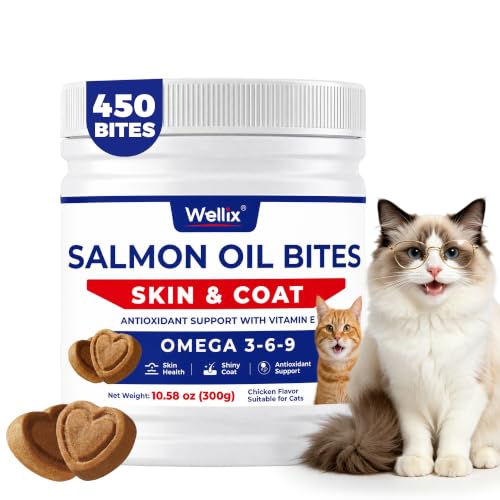
Nourish Skin & Coat: These cat skin and coat supplements, made with quality fish oil for cats, deeply soothe cat dry skin and persistent itchy discomfort. They help nourish skin from within, reduce excess shedding & dander, and restore a luxuriously soft, glossy coat for your feline friend
Digestive Support: Probiotics and Enzymes for Gut Health
Just as omega-3 fatty acids and vitamin E optimize your flock’s external health, strategic probiotic and enzyme supplementation addresses the internal digestive ecosystem that determines nutrient bioavailability and immune competence. Probiotic strains like Limosilactobacillus antri and Bifidobacterium enhance microbial diversity while suppressing pathogens through competitive inhibition. These organisms stimulate digestive enzyme production—phytase, amylase, and protease—improving nutrient absorption efficiency. Additionally, monitoring the color of feces can provide insights into how well these digestive processes are functioning. Bacillus strains further optimize digestibility through enzymatic action. Additionally, fermentation can enhance feed digestibility by breaking down antinutritional factors and increasing nutrient availability, including phosphorus and protein. Furthermore, integrating soybean meal into poultry diets is crucial, as it is recognized as the “gold standard” protein source for improving growth performance and immune function. Incorporating seaweed in their diet has also been shown to act as a prebiotic, further supporting gut health and immunity. Environmental factors such as high temperatures can reduce the viability of live probiotic cultures, making proper storage and delivery systems essential for maintaining efficacy. Enhanced villus architecture increases intestinal surface area for nutrient uptake, elevating feed conversion ratios. Simultaneously, probiotics reinforce gut integrity, reduce inflammation, and stimulate mucosal immunoglobulin A production, strengthening chicken immunity. The incorporation of oregano and garlic in their diet provides additional support against pathogens, complementing probiotic activity. Continuous administration maintains beneficial colonization, reducing antibiotic dependence while improving growth performance and disease resistance across your operation.

PROBIOTICS FOR POULTRY: HealthyGut Probiotics for Chicken and Poultry is a broad spectrum blend of carefully selected probiotic bacteria for chickens, ducks, and other poultry; Helps promote a healthy digestive system and offers your bird total digestive support

【Targeted Gut Health Support】Our poultry supplement delivers a potent blend of probiotics and digestive enzymes, specifically formulated to balance gut flora in adult hens, chickens, ducks, turkeys & geese. It eases digestive discomfort, improves nutrient absorption, and reduces issues like loose droppings—keeping your flock’s digestive system running smoothly.

SIMPLY MIX WITH WATER: Convenient powder formula that dissolves easily for quick hydration support.
Integrating Parasiticide Treatments Into Your Flock Management Plan
Integrating treatments requires coordinated effective protocols targeting both life stages simultaneously. Apply Elector PSP at 9 ml per gallon to your coop and vent areas while administering Ivermectin and Permethrin for complete eradication. Additionally, harmful mite infestations can severely impact your chickens’ health, compounding the need for thorough treatment measures. It is also crucial to consider using effective deworming options against various internal parasites alongside your treatment for external pests. Mites can cause significant stress in chickens, leading to behaviors such as increased preening, so it’s essential to comb through your flock regularly for signs of infestation. Chickens can naturally control lice through dust bathing, but in cases of severe infestations, proactive measures are necessary. Combine environmental management—high-pressure spraying cracks and crevices with Bifenthrin—alongside in-flock treatments. For effective external control, permethrin kills adult mites but not their eggs, making re-treatment necessary after seven days. Treat all birds within your flock and re-treat after two weeks for mites. For internal parasites, use Fenbendazole for roundworms or Valbazen for tapeworms based on your diagnostic findings. Elector PSP requires no egg withdrawal time, making it a practical choice for maintaining consistent egg production throughout your treatment protocol. This integrated approach eliminates reinfestation cycles while preserving your gains in gut health.

NATURAL AND NON-TOXIC. Made from natural essential oils Premo Poultry Spray is a safe alternative to harsh chemicals like permethrin, and mite dusts. Veterinarian and farm approved. Apply directly on all poultry. Treat your entire flock, pens, roosts, coops, nest boxes, and yards. Enjoy peace of mind knowing that your chickens and other poultry is protected naturally and safely.

NATURAL AND NON-TOXIC. Made from natural essential oils Premo Poultry Spray is a safe alternative to harsh chemicals like permethrin, and mite dusts. Veterinarian and farm approved. Apply directly on all poultry. Treat your entire flock, pens, roosts, coops, nest boxes, and yards. Enjoy peace of mind knowing that your chickens and other poultry is protected naturally and safely.

NATURAL AND NON-TOXIC: Made from natural essential oils Premo Poultry Spray is a safe alternative to harsh chemicals like permethrin, and mite dusts. Veterinarian and farm approved. Apply directly on all poultry. Treat your entire flock, pens, roosts, coops, nest boxes, and yards. Enjoy peace of mind knowing that your chickens and other poultry is protected naturally and safely
Safe Application: Dosing, Dilution, and Personal Protective Equipment
Because Elector PSP’s efficacy depends on proper preparation and application, you’ll need to follow precise dosing and dilution protocols to maximize parasite control while minimizing risks to your flock. Mix 9 ml concentrate per gallon of water immediately before use, shaking thoroughly. Fill your sprayer tank halfway with water, add product, then agitate while filling to full volume to guarantee uniform distribution. Maintain continuous agitation during application. Your safety guidelines require covering feed and water sources, avoiding milking areas, and never applying as fog or space spray. Apply coarse or low-pressure spray after dark on roosts, targeting vents, crests, and under wings. These application techniques guarantee spinosad contacts parasites effectively while protecting your birds and environment. For optimal results, monitor your chicken for mite activity post-treatment, as full effectiveness takes time and some mites may still be visible during the dying process.
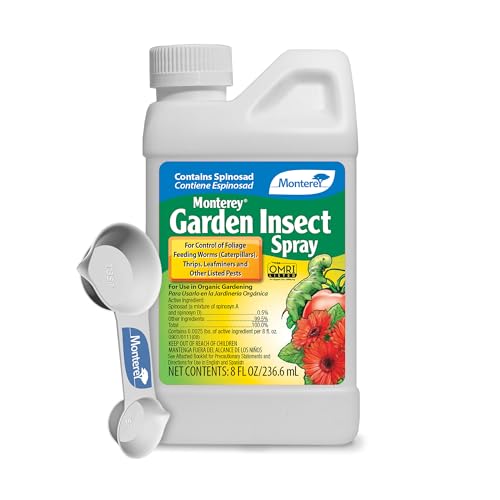
CONTROLS MANY INSECTS IN MANY SETTINGS - This insect treatment spray controls caterpillars, leafminers, codling moths, tent caterpillars, gypsy moths, trips, borers, fire ants, and more. This pest control can be used on outdoor ornamentals, lawns, vegetables, and with citrus and fruit trees.

CONTROLS A VARIETY OF INSECTS - Designed to control Leafminers Leafminers, Borers, Leaf Roller, Thrips, Worms (Caterpillars), Colorado Potato Beetles, Armyworms, Sod Webworms, Cat Fleas, Loopers, Bagworms, Tent Caterpillars and other listed insects.

Control common garden insects in your lawn and garden with Captain Jack's Deadbug Brew Concentrate from Bonide
Egg Safety and Withdrawal Periods: What You Need to Know
While proper application technique protects your flock during treatment, you’ll also need to understand egg safety requirements once you’ve finished administering Elector PSP. Because drug residues distribute differently between yolk and albumen—with yolk residues persisting longer due to weeks-long yolk formation—withdrawal periods vary by antimicrobial and formulation. You must consult your veterinarian or regulatory guidance for Elector PSP’s specific egg withdrawal interval, as approval status and labeled use determine whether eggs require withholding. Document all treatments meticulously. Residue testing methods, including chromatography and immunoassay techniques, verify safety compliance when regulatory frameworks require validation. Early-phase elimination rates exceed late-phase rates, so initial residue depletion occurs fastest. Understanding egg contamination risks protects consumer safety and guarantees legal compliance with national maximum residue limits. Withdrawal periods commence after the completion of treatment. Never resume egg collection without confirming withdrawal period completion through your veterinarian.
Conditioning Supplements During Molt and Recovery
How can you support your flock’s recovery during molt when feed intake plummets and feather regrowth demands peak? You’ll want to deploy conditioning supplements strategically to address the metabolic challenges your birds face.
Electrolyte benefits become critical when birds show reduced water consumption. Sodium, potassium, and chloride replenishment supports neuronal and muscle function while glucose inclusion provides immediate energy. Simultaneously, boost crude protein by 2–3% above maintenance and elevate digestible methionine and cysteine ratios to accelerate feather recovery through enhanced keratin synthesis.
Incorporate omega-3 and omega-6 supplementation—typically 5% omega-3 and 48% omega-6 minimum—to protect regenerating tissues. Vitamin E functions as an antioxidant during rapid feather synthesis. Additionally, consider integrating nutritious eggplant flesh into their diet as a healthy treat, carefully avoiding the toxic parts of the plant. Apply these supplements per manufacturer dosing guidelines to avoid osmotic stress while maximizing your birds’ recovery trajectory.

Use by date: This product’s use by date is determined by the Period After Opening symbol. The Period After Opening symbol is marked by a box with a numerical number (X) followed by letter M for months. The symbol denotes that the product is recommended to be used within X months of opening
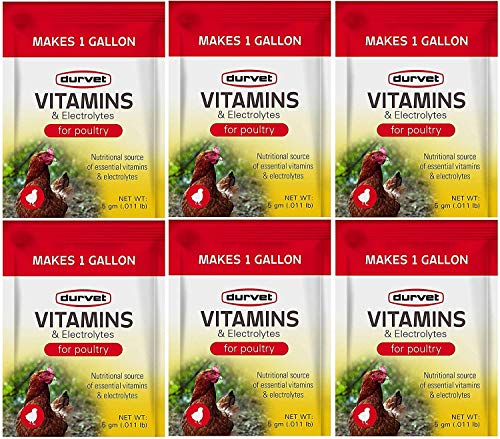

Vitamins & Electrolytes. Dairy Feed Supplements And Health Aids
Monitoring Effectiveness: Tracking Results in Your Flock
Once you’ve implemented conditioning supplements during molt, you’ll need systematic monitoring to confirm they’re delivering measurable benefits to your flock. Establish baseline metrics before supplementation begins—record egg production percentages, eggshell quality, body-condition scores, and mortality rates for 2–4 weeks. Implement monitoring protocols with daily production tracking and weekly weight assessments. Use representative sampling across your flock with standardized measurement methods to minimize bias. Maintaining unsupplemented control groups or employing baseline crossover designs will also help ensure accurate results. Your data analysis should calculate percent changes from baseline using paired t-tests to determine statistical significance. Document confounding events like disease outbreaks or feed changes. This rigorous approach isolates supplement effects from environmental variables, providing actionable evidence for your flock’s health outcomes. Regular monitoring of digestive efficiency through observable indicators like feed conversion rates will help you identify whether your supplements are optimizing nutrient absorption as intended. Additionally, ensuring your hens receive adequate calcium from eggshells will support strong eggshell production, which is essential for maintaining overall flock health. Providing free-choice large particle calcium can significantly boost calcium intake and enhance eggshell quality, further supporting the vigor of your flock. Additionally, observing the effects of Epsom salt baths can play a role in ensuring your chickens are relaxed and healthy, further supporting their overall wellbeing. It is also beneficial to consider the role of Vitamin E and selenium in enhancing your flock’s antioxidant defenses while monitoring their health outcomes.
Multi-Species Household Considerations and Safety Precautions
Because you’re managing poultry health in a multi-species household, you’ll need to carefully navigate treatment options that don’t compromise other animals’ safety. Cat safety requires particular attention, as permethrin products cause fatal neurological effects in felines. Elector PSP, however, lacks specific cat warnings but demands premise cleaning and separation during poultry treatment to maintain household dynamics.
You’ll want to avoid permethrin application in areas accessible to cat traffic. If you’re considering off-label ivermectin for poultry, understand that cats ingesting residues face serious risks. Food-grade diatomaceous earth also irritates cat skin and lungs, making it unsuitable for mixed households.
When treating your flock with Elector PSP, establish clear separation protocols. This spinosyn-class insecticide’s effectiveness doesn’t require repeat dosing, allowing you to minimize exposure risks across your operation while protecting vulnerable household members.