You can safely feed cherries to your chickens as occasional treats, provided you remove all pits, stems, and leaves beforehand. Cherries offer valuable vitamins A, C, and E, plus potassium and antioxidants that support egg production and overall health. Limit servings to 2-4 cherries weekly per bird, comprising no more than 10% of their diet. Cut them into quarters to prevent choking hazards. Monitor your flock’s droppings for consistency changes as an early warning sign, and avoid serving cherries to young chicks whose immature systems require specialized nutrition. Understanding the specific preparation techniques and timing considerations will help you maximize these nutritional benefits.
Nutritional Benefits of Cherries for Chickens
When you’re looking to optimize your flock’s health, cherries offer a remarkably dense nutritional profile that addresses multiple physiological needs. The vitamin content includes high levels of vitamin A, which enhances eyesight and egg production capacity, alongside vitamins C and E that mitigate stress and prevent encephalomalacia. B-complex vitamins—including B1, B2, B3, B5, B6, folate, niacin, and pantothenic acid—support metabolic function.
Your mineral profile gains potassium’s electrolytic benefits, while calcium strengthens egg quality and iron prevents anemia. Though minerals appear in modest quantities compared to other fruits, the varied composition supports overall nutrition. Fructose provides readily digestible energy, making cherries particularly valuable for stressed or recovering birds when limited to 10% of their diet. Cherry skin is particularly nutritious and beneficial, containing high fiber, vitamin C, copper, and magnesium that contribute additional micronutrients to your chickens’ balanced diet.

✔️ PROVIDES ESSENTIAL VITAMINS & MINERALS: Good source of bioavailable Vitamin A, Vitamin B, Vitamin D, & Vitamin E for chickens.

Superior calcium from Oolitic Aragonite: Provides high-quality calcium sourced from naturally occurring Oolitic Aragonite for optimal poultry nutrition
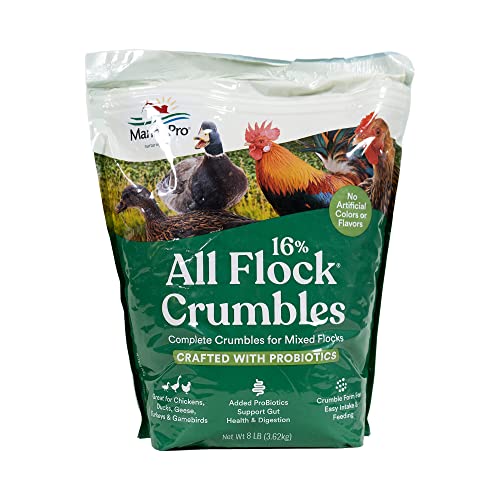
COMPLETE ALL FLOCK FEED FOR MIXED BACKYARD FLOCKS: Versatile poultry feed & all flock feed designed to support chickens, ducks, turkeys, geese, & more; a balanced bird food that simplifies feeding a diverse species in your backyard or homestead
Understanding the Risks: Pits, Stems, and Leaves
While cherries offer substantial nutritional benefits for your flock, you’ll need to carefully manage the non-fruit components—pits, stems, and leaves—which contain cyanogenic glycosides capable of releasing hydrogen cyanide when mechanically damaged or digested. Crushed or chewed pits present markedly higher cyanide toxicity risk than intact whole pits because enzymatic conversion accelerates upon mechanical damage. Your smaller birds and chicks face disproportionate danger, requiring far fewer toxic seeds to reach harmful doses than mature chickens.
Beyond cyanide toxicity, you should recognize choking hazards. Whole pits pose serious risks for chicks and bantams, while fibrous stems can cause crop impaction. Broken pit fragments may cause oral or esophageal abrasions, inviting secondary infections. Many chicken keepers have observed gizzards grinding pits, suggesting that individual birds may naturally process some pit material. You’ll minimize these risks by removing all pits, stems, and leaves before offering cherries to your flock.
Determining Safe Serving Sizes and Feeding Frequency
Establishing appropriate serving sizes and feeding frequency requires understanding your chickens’ individual needs, their age, and their overall diet composition. You’ll want to limit cherries to 2-4 per chicken weekly, offering one or two small servings maximum as treats. Portion control prevents obesity and digestive upset, particularly in chicks who need stricter restrictions than adults. Furthermore, like apricots, certain fruit parts of cherries, such as the pits, must be removed to avoid toxicity. It’s important to note that removing harmful parts helps ensure your flock enjoys their treats safely. Additionally, cherries can provide important antioxidants and vitamins that contribute to your chickens’ overall health. Providing engaging DIY toys can further enrich their environment and promote active lifestyles.
Your serving intervals should space cherry treats several days apart, never daily. This approach accounts for their high moisture and sugar content. You’ll maintain treats below 10% of their total diet while monitoring droppings closely for consistency changes—an early indicator of digestive problems.
Adjust portions based on flock size and cherry type, favoring fresh over dried varieties. Smaller pieces aid digestion regardless of bird size, ensuring you’re providing safe, measured nutrition. Remove cherry pits to prevent choking hazards and potential health complications in your flock.

Slow Feed Release | Thanks to its carefully designed chicken treat dispenser the Peck Toy releases its contents slowly over a period of time when pecked at by playful hens.

Keeps Hens Happy and Healthy: this peck toy encourages natural foraging behavior, giving your flock hours of engaging activity; By satisfying their instinct to peck, this chicken treat dispenser helps prevent boredom-related issues like feather picking and aggression, ideal for backyard chickens that spend long days in the coop

Slow chicken feed release | Thanks to its carefully designed chicken treat dispenser the Peck Toy releases its contents slowly over a period of time when pecked at by playful hens.
Best Practices for Preparing and Serving Cherries
How you prepare and serve cherries directly impacts your flock’s safety and nutritional benefit from this treat. Your preparation techniques must include removing all pits, stems, and leaves before feeding, as these contain cyanogenic compounds harmful to chickens. Cut cherries into halves or quarters to minimize choking risks and aid digestion. Discard bruised or moldy fruit to prevent mycotoxin exposure.
For serving methods, scatter chopped pieces on the ground to encourage natural foraging, or use puzzle feeders for whole pitted cherries to provide enrichment. Mix small amounts into regular feed sparingly, avoiding displacement of balanced nutrition. Thoroughly wash cherries to remove pesticide residues, and refrigerate prepped portions for no longer than 24–48 hours. Frozen cherry pieces can serve as a refreshing treat during hot weather to keep your chickens cool and hydrated. These practices guarantee safe, nutritious treat delivery to your flock.

100% DRIED WHOLE BLACK SOLDIER FLY LARVAE TREATS: With 35% min protein and 20% min fat, these treats provide premium quality nutrition for muscle development, feather growth, and overall vitality for egg layers and feathered friends.

SUPPORT SKIN & FEATHERS: Shine is formulated to protect and support all poultry species’ skin and feathers all year and especially during a molt.

HIGH PROTEIN POULTRY TREAT: Critter Combo Crunch delivers 43% all-natural protein in a tasty, nutrient-rich blend of insects, making it a high-energy treat perfect for poultry and wild birds while supporting growth, vitality, and overall health.
Health Outcomes and What Backyard Flock Owners Report
Once you’ve mastered safe preparation techniques, you’ll want to understand what cherries actually do for your flock’s health. Your chickens’ll naturally peck around pits, demonstrating instinctive chicken behavior that minimizes choking risk. The high water content provides critical flock hydration during summer heat stress, while vitamin A enhances egg production in deficient flocks. You’ll observe improved energy levels, feathering quality, and recovery in stressed birds. Additionally, chickens can safely enjoy fruits without the same digestive concerns that may affect mammals since they have a different digestive system. However, excess consumption causes runny droppings and digestive upset due to high sugar concentration. Backyard flock owners consistently report that chickens devour cherry flesh enthusiastically, favoring the sweet flavor similarly to grapes. The B-complex vitamins found in cherries support electrolyte balance and organ function, contributing to overall flock vigor. Additionally, offering fruits like cherries supports the development of healthy nutrients crucial for their growth during the various stages of the chicken life cycle. Chickens thrive when provided with a diverse diet, which includes fruits like cherries, as they enhance their sentinel animals role in healthy ecosystems. It’s important to remember to remove any harmful parts like cherry pits before feeding as they can pose serious health risks. Moreover, incorporating this delicious fruit (like bananas) can offer nutritional benefits while keeping your flock healthy and satisfied. The key is moderate portions—occasional feeding prevents nutritional imbalance while maximizing health benefits without compromising digestive function.
Key Guidelines for Responsible Cherry Feeding
While cherries offer nutritional benefits to your flock, responsible feeding practices are essential to maximize those advantages while minimizing health risks. You’ll want to remove all pits before serving, as they contain cyanogenic compounds and pose choking hazards. Cut cherries into quarters to aid digestion and reduce aspiration risk. Limit cherries to 10% or less of your birds’ total diet—approximately 2–4 cherries per adult bird, a few times weekly. You should prioritize fresh, plain varieties over canned or sugared options. Cherry seasonal availability means you can offer them during peak months while maintaining nutritional balance year-round. Additionally, cherries, like pasta, should be viewed as occasional treats and not a primary food source to ensure a balanced diet. Introduce cherries gradually to your flock, monitoring droppings and behavior for digestive upset. Always discard moldy fruit and avoid serving cherries to chicks, whose immature systems require specialized starter feed. Keep cherries separate from gravity feeders to prevent contamination and ensure they don’t exceed manageable treat amounts that could disrupt your flock’s primary nutritional intake.