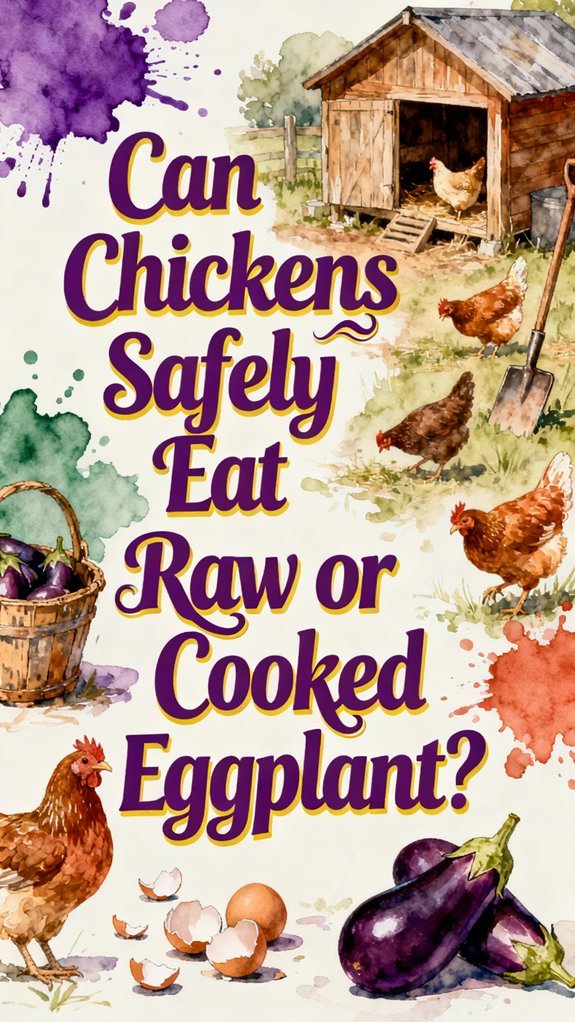
You can safely feed your chickens cooked eggplant flesh in moderation, as heat neutralizes solanine remnants and enhances nutrient absorption. Raw eggplant flesh contains negligible solanine levels, making it generally safe too. However, you’ll need to avoid stems, leaves, and unripe fruit—these contain elevated alkaloid concentrations that cause gastrointestinal distress and muscle tremors. Limit servings to 10–20 grams cooked or 5–15 grams raw, two to three times weekly. Understanding proper preparation methods and recognizing toxicity symptoms will help you optimize your flock’s health.
Understanding Nightshade Alkaloids and Chicken Health
If you’re raising backyard chickens and growing eggplants, you’ll want to understand how nightshade alkaloids—the plant defense compounds found in eggplant and related Solanaceae species—can affect your flock. Eggplants contain glycoalkaloids like solamargine, which act as natural pesticides. You should know that alkaloid interaction effects between compounds like solanine and chaconine can increase membrane-disrupting effects, making combined alkaloid mixtures potentially more harmful than single compounds alone. Occasionally feeding chickens processed meats, including ham, can supplement their protein intake, but it’s essential to be cautious and manage portion sizes carefully to avoid health issues. Glycoalkaloid toxicity evaluation in poultry reveals gastrointestinal irritation, diarrhea, and reduced feed intake as common signs. Common eggplant varieties contain relatively low levels of glycoalkaloids compared to potatoes, requiring significant quantities for toxicity in chickens. Interestingly, Ameraucana chickens are known for their unique blue eggs, which may serve as a comparison for understanding variations in egg production and nutrition. Avocados contain toxic compounds that can lead to health issues, but eggplant’s levels are generally lower, meaning careful monitoring is crucial. Additionally, it is essential to avoid the consumption of nightshade plants due to their combined toxic effects, as this can impact your chickens’ overall health. Toxic thresholds vary widely by compound and species, so human-derived safety limits don’t directly apply to chickens without species-specific research. Moreover, feeding chickens excessive amounts of certain plants, including eggplant, could lead to serious health issues.
Safety of Raw Eggplant Flesh for Chickens
When you’re deciding what kitchen scraps to offer your flock, raw eggplant flesh stands out as a safe option—one that fundamentally differs from the plant’s toxic components. Research studies confirm that mature eggplant flesh contains negligible solanine levels, making it safe for chickens to consume raw. You’ll find that chicken behavior remains unaffected when you introduce this nutritious supplement periodically. Providing appropriate food scraps can help enrich your hens’ diets and promote their overall well-being, similar to how homemade chicken treats support chicken health. Ensuring that their environment is clean and free from attractive food sources can also help keep unwanted pests, like rats, at bay. Additionally, incorporating high-protein layer feed into their diet alongside these treats can help maintain optimal health. The flesh retains full nutritional value—potassium, magnesium, and vitamin C—when served raw rather than cooked. You should remove seeds if your birds show choking tendencies, though the seeds themselves pose no toxicity risk. The high water content in raw eggplant also promotes hydration during warm weather months. Keep your chickens isolated from eggplant plants during harvest to prevent accidental consumption of toxic leaves, stems, and calyces. Store-bought eggplant requires no special preparation; you simply serve it plain without seasonings.
Benefits of Cooking Eggplant Before Feeding
While raw eggplant flesh proves safe for your flock, cooking eggplant before feeding delivers superior nutritional and digestive advantages. Your chosen cooking methods—boiling, roasting, or grilling—significantly enhance nutrient retention while improving digestibility. Heat processing neutralizes solanine remnants and anti-nutritional factors, enabling your chickens to absorb phosphorus, potassium, and copper more efficiently. Cooked eggplant’s softened texture facilitates small intestine absorption, reducing digestive upset when introduced gradually. In addition, optimal calcium sources like oyster shells can further support overall hen health when incorporated into their diet. Diced or halved pieces prevent choking hazards while stimulating appetite through accessible B6 and thiamine, which enhance metabolic energy and growth rates. Sweet potatoes are another safe treat that provides nutritional benefits for your chickens. Manganese retention supports bone formation and immune function, while partially preserved antioxidants contribute to overall well-being. Additionally, cooking eggplant is crucial because uncooked varieties may contain anti-nutritional factors that hinder nutrient absorption. Always remove toxic eggplant parts such as leaves, stems, and calyx before cooking to prevent solanine exposure. Cooking optimizes nutrient bioavailability, ensuring your flock receives maximum health benefits from eggplant supplementation. Furthermore, incorporating natural antibiotics like turmeric into your chickens’ diet can further enhance their immune function and overall health.
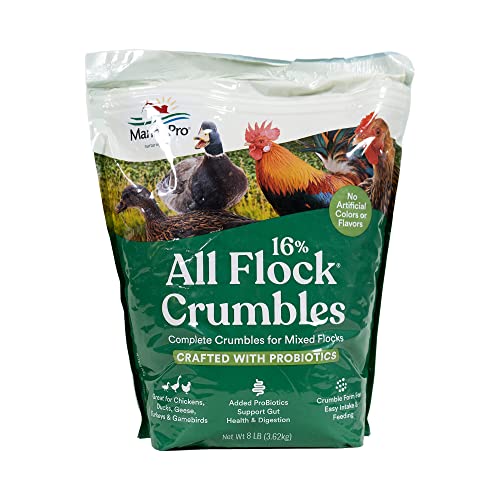
COMPLETE ALL FLOCK FEED FOR MIXED BACKYARD FLOCKS: Versatile poultry feed & all flock feed designed to support chickens, ducks, turkeys, geese, & more; a balanced bird food that simplifies feeding a diverse species in your backyard or homestead


Plant Parts That Are Dangerous for Chickens
Although cooking eggplant maximizes nutritional benefits for your flock, you must recognize that certain plant parts remain hazardous regardless of preparation method. Leaves and stems concentrate high glycoalkaloid levels that cooking doesn’t adequately neutralize, making them primary toxicity concerns. You should never allow chickens access to dangerous eggplant parts including unripe fruit, which contains elevated solanine compared to mature eggplant. Additionally, certain toxic plants like nightshade can lead to severe health issues if ingested alongside eggplant. Chickens exposed to solanine may experience serious health complications and discomfort. Raw meat and Onions, which are also unsafe for chickens, contain harmful sulfur compounds that can result in significant health problems if consumed. Furthermore, certain symptoms of solanine poisoning may include digestive distress and neurological issues.
Your plant toxicity awareness must extend to protecting birds from plant vines, flowers, and dried debris in compost or garden runs. Seeds in large quantities may cause digestive upset. Free-ranging chickens naturally peck vegetation, increasing exposure risk. Remove all eggplant plant material from accessible areas, and separate garden scraps carefully to prevent accidental ingestion of hazardous foliage. Cooked nightshade plants like potatoes and tomatoes become generally safe through heat treatment, but eggplant stems and leaves remain toxic even when cooked due to their concentrated alkaloid content.

Heavy-Duty 0.1" Pet Barrier: Our thick chicken wire mesh fence resists chewing and tearing from dogs. This durable garden fencing for dogs gives you a long-lasting barrier, protecting pets from balconies or preventing them from digging in flower beds

【Anti-rust】: The surface of our rebar stakes is galvanized and designed to not rust and can withstand all types of wind, rain and snow, ensuring it maintains its smooth appearance over time.
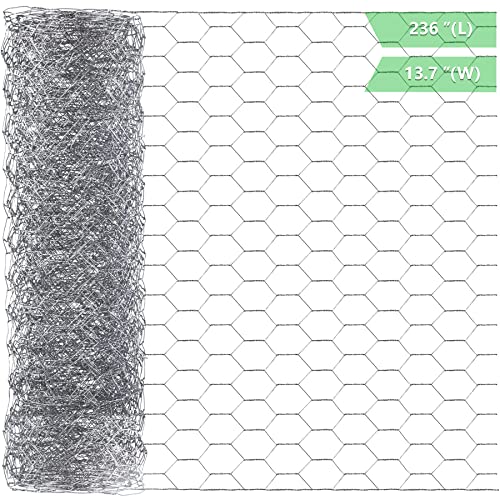
【Large Size】Each mesh is 13.7 inch (width) x 236 inch (length) / 0.35 m x 6 m, 0.8 x 1.38 inch mesh. Wire fencing is long and wide enough to enable you to cut off any shape that you need
Nutritional Value and Potential Drawbacks
Because you’re considering eggplant as a supplemental feed, understanding its nutritional composition becomes essential for optimizing your flock’s health outcomes. Eggplant’s nutritional profile delivers manganese for eggshell formation, potassium for cardiac function, and folate supporting egg production. The 2.5g fiber per 100g promotes digestive health while its antioxidants—including lutein, zeaxanthin, and beta-carotene—enhance immunity. Additionally, feeding your flock alfalfa pellets can further boost their overall health and nutritional intake. Choline aids metabolic processes, and vitamin K supports bone mineralization. Vitamin K is essential for blood clotting in chickens, providing additional health benefits beyond bone support. Furthermore, incorporating fresh herbs like parsley can enhance immune support and overall health for your chickens. Chickens can also benefit from nutritious treats, such as beets, which provide essential vitamins and minerals. Installing automatic waterers can help ensure that your chickens remain consistently hydrated while they enjoy their varied diet.
However, potential risks warrant consideration. Eggplant contains alkaloids, compounds found in nightshades that may affect nutrient absorption in excessive quantities. Its minimal protein (0.98g per 100g) and low caloric density (25kcal per 100g) mean you shouldn’t rely on it as a primary nutritional source. Balance remains critical—eggplant complements, rather than replaces, complete layer feed formulations. Maintaining a well-rounded diet with good quality feed is essential for optimal poultry health.
Proper Serving Size and Frequency Guidelines
How much eggplant should you actually feed your flock? You’ll want to practice eggplant moderation by offering small portions—approximately 10–20 grams of cooked eggplant or 5–15 grams raw per bird. Limit servings to 2–3 times weekly as treats to prevent feed displacement and maintain balanced nutrition. For laying hens, small daily servings work if total treats stay below 10% of their diet. Young growers need even smaller portions (1–2 times weekly) to protect nutrient intake. Raw eggplant requires conservative portions until you confirm individual chicken preferences, since bitter varieties may deter intake. Cooked eggplant concentrates palatability, so monitor your flock’s consumption patterns. The sauce ingredients used in chicken and eggplant dishes for humans—such as soy sauce, chili paste, and honey—should never be added when preparing eggplant for poultry, as these seasonings can be harmful to birds. Always prioritize complete feed over supplemental vegetables to safeguard production and overall health outcomes. Additionally, be aware that some bedding types, like pine shavings, have potential health risks with toxins harmful to chickens that can affect respiratory and liver functions.

PREMIUM SNACK: Provide your feathered friends with a delicious and wholesome snack experience. Packed with protein-rich mealworms and real fruit, these treats offer a perfect balance of nutrition and flavor for your flock.

REAL VEGGIES FOR HEALTH: Crafted with real pieces of beets, peas, sweet potatoes, and broccoli, this treat provides wholesome nutrition and natural flavors that your flock will enjoy while supporting their overall health and vitality.

PREMIUM SNACK: Designed with the goodness of real vegetables and protein-packed worms. Designed to offer both exceptional taste and nutritional benefits, this blend will have your chickens clucking with joy.
How to Prepare Eggplant Safely for Your Flock
Now that you’ve determined appropriate portions for your flock, you’ll want to focus on safe preparation methods that remove toxin exposure while preserving nutritional value. Start your eggplant preparation by selecting ripe purple eggplants with glossy, firm skin, rejecting any with green tinges or soft spots. Remove all stems, leaves, and calyxes—these parts contain dangerous solanine levels. Wash the exterior thoroughly to remove contaminants. To ensure a comfortable environment for your chickens, you can also consider how a suitable chicken coop design will support their overall health.
For safe serving, you can offer raw flesh in fresh pieces or steam the eggplant to preserve nutrients. Avoid frying due to nutritional decline and excess fat content. Boiling or baking serve as viable alternatives for softening flesh. Confirm cooked eggplant remains free from seasonings, spices, and salt. Introduce these preparations gradually to observe your flock’s response before making eggplant a regular dietary component. Monitor your chickens for signs of illness such as vomiting, diarrhea, or lethargy after introducing eggplant to ensure they tolerate it well.


Warning Signs of Alkaloid Toxicity in Birds
When your chickens consume eggplant parts containing dangerous alkaloid compounds like solanine, they’ll exhibit a distinctive cluster of symptoms across multiple physiological systems. You’ll observe neurological signs including hyperexcitability, muscle tremors, ataxia, and progressive paralysis. Gastrointestinal distress manifests as vomiting, diarrhea, and abdominal cramping from mucosal damage. Cardiovascular irregularities present as tachycardia, arrhythmias, or collapse in severe cases. Respiratory distress with dyspnea and labored breathing demands immediate attention. Additionally, an infestation of lice can exacerbate stress in your chickens, further compromising their health. Incorporating apple cider vinegar into their water can help improve overall well-being and immune function.
Behavioral changes provide critical alkaloid identification markers: reduced activity, feather fluffing, dilated pupils, and lethargy. You’ll notice inappetence and weakness developing rapidly. Similar to how ergot alkaloids can inhibit prolactin release in livestock, solanine compounds may also disrupt normal endocrine function in poultry. Early toxicity prevention requires feeding only mature eggplant flesh after complete cooking, avoiding stems, leaves, and unripe fruit entirely. Monitor your flock closely during initial exposure periods, documenting any behavioral shifts that warrant veterinary intervention.
Recognizing Spoilage and Mold Contamination
Beyond alkaloid concerns, spoiled or moldy eggplant introduces separate microbial hazards that you must recognize before offering any scraps to your flock. Key spoilage indicators include sliminess, mushy texture, internal browning, and off-odors—all signals of bacterial or fungal decay. Visible mold colonies (green, blue, black, or fuzzy growth) pose serious mold risks; these fungi produce mycotoxins like aflatoxins that damage poultry livers, suppress immunity, and cause neurological signs or death. Critically, mold penetration extends beneath the skin, making surface removal insufficient. You cannot rely on reheating to eliminate preformed botulinum toxin. Like moldy food from your kitchen waste, contaminated eggplant should never reach your chickens’ feeding areas. Inspect eggplant for firmness and normal coloration, discard any discolored or moldy portions, and refrigerate promptly; Rhode Island Reds are generally affected by such toxins due to their sensitive digestive systems. Dispose of fermented, rotten, or foul-smelling eggplant immediately.
Healthier Vegetable Alternatives for Chickens
While eggplant poses risks you’ll want to avoid, you’ve got plenty of nutrient-dense vegetable options that’ll keep your flock healthy and engaged. Nutrient-rich greens like kale, spinach, and romaine deliver essential vitamins A, C, and K while enhancing egg yolk color. Additionally, incorporating occasional treats like sunflower seeds can provide a source of healthy fats and protein, but should be done in moderation to maintain a balanced diet. Cruciferous vegetables such as broccoli and cabbage provide antioxidants and winter nutrition when fresh produce becomes scarce. Root vegetables including carrots and beets offer beta carotene and fiber that support digestive health. In addition to these, Old English Game chickens thrive in environments with secure enclosures that provide ample space for their energetic lifestyle. Vegetable variety prevents nutritional deficiencies and boredom; incorporate squash, zucchini, and cucumbers for hydration and natural deworming properties. Legumes like peas and green beans supply protein, while bell peppers deliver vitamin C and enrichment value. Introduce new vegetables gradually to your flock to avoid digestive issues and ensure smooth transitions to dietary additions. This diverse approach guarantees ideal flock nutrition year-round.
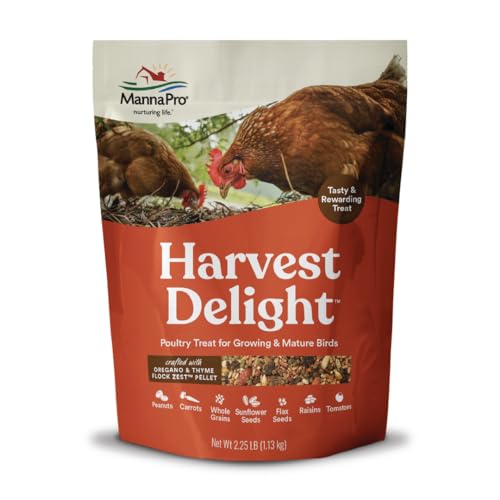
NUTRITIOUS CHICKEN TREATS FOR LAYING HENS & FLOCKS: Wholesome mix offers fun & nutrition in one tasty snack; these premium chicken treats for laying hens encourage natural pecking behavior, support strong eggs, & are a perfect choice for backyard flocks


This favorite Bear Creek soup tastes like it simmered for hours not minutes.