You can safely offer your chickens small amounts of dog food occasionally, but it shouldn’t become a dietary staple. Dog food’s nutritional formulation—with 18–30% crude protein and emphasis on taurine—differs considerably from poultry feed’s balanced requirements. Regular consumption risks nutritional imbalances, reduced egg production, and poor feathering. Dry kibble poses choking hazards and crop impaction, while wet varieties encourage bacterial growth. Limiting dog food to less than 10% of daily intake and treating it as an occasional treat protects your flock’s health. Understanding the specific risks reveals why formulated layer feed remains essential.
Safety Overview for Chickens Consuming Dog Food
While chickens can safely consume small amounts of dog food without immediate harm, you shouldn’t make it a dietary staple. Dog food moderation is essential for maintaining your flock’s health and preventing nutritional imbalances. You need to understand that regular consumption introduces risks, particularly with wet varieties that cause watery droppings and encourage bacterial growth. Vitamins and minerals found in dog food like vitamin A, C, E, iron, calcium, and phosphorus can support chicken health when offered sparingly as supplements.
For chicken safety, avoid leftover dog food from your pet’s bowl due to disease transmission risks. Excessive protein intake damages your chickens’ kidneys, while high fat content promotes obesity and reduces egg production. You should prioritize balanced poultry nutrition rather than diluting it with dog kibble.
Treat dog food as an occasional supplement only. You’ll protect your flock better by offering grubs or vegetables as healthier alternatives that meet their nutritional requirements without compromising their wellbeing.
Nutritional Differences Between Dog Food and Poultry Feed
Because dog food and poultry feed serve different species with distinct metabolic requirements, their macronutrient compositions diverge considerably. You’ll find dog kibbles typically contain 18–30% crude protein and 8–20% fat, formulated to meet canine energy density preferences. Poultry feeds, conversely, target 16–20% digestible protein with controlled fat levels to preserve egg quality. Additionally, effective care for livestock, including chickens, necessitates understanding proper dosage for various treatments. It’s important to note that just like beans, certain foods must also be carefully processed to ensure safety for consumption by chickens. Brahma chickens, known for their hardiness, require a balanced diet to sustain their impressive stature and egg-laying capabilities. Furthermore, a proper diet that includes crushed oyster shells can provide essential calcium needed for strong eggshell formation.
Due to the varying nutrient needs, chickens require a diet rich in balanced nutrients to support their growth and egg production. The nutritional imbalance extends to amino acid ratios. You’re working with feeds designed for different species: dog foods emphasize canine targets like taurine, while poultry feeds prioritize sulfur amino acids essential for feather growth and egg production. Protein quality differs markedly too—digestible amino acid formulation in poultry feed follows precise avian requirements that dog food doesn’t address. This mismatch risks subclinical deficiencies: reduced egg size, poor feathering, and inconsistent nutrient supply over time. High-quality chicken meal in dog food is specifically rendered and concentrated to meet canine nutritional standards, whereas poultry feed lacks this concentrated protein density tailored for dogs’ metabolic needs.

Essential Calcium Supplement: Pecking Order Oyster Shell is a rich source of calcium, crucial for the development of strong and sturdy eggshells. Adequate calcium intake helps prevent common issues like thin or brittle shells, ensuring your eggs are consistently high quality.

BLEND OF SOURCES OF CALCIUM : Chick’N Calcium from the Chick’N Swell product line is made from a blend of sources of calcium: calcium chloride and calcium propionate to provide essential calcium for all laying poultry including chickens, ducks, and quails; from backyard flock to commercial farms, our product is the perfect addition to your chicken water.

Superior calcium from Oolitic Aragonite: Provides high-quality calcium sourced from naturally occurring Oolitic Aragonite for optimal poultry nutrition
Dry Dog Food: Texture and Consumption Concerns
How does the physical structure of dry dog kibble interact with your chicken’s digestive anatomy? Kibble’s uniform size and hardness create significant texture risks for your flock. You’ll notice that kibble encourages rapid gulping behavior—your chickens consume larger, unchewed pieces faster than they’d consume traditional poultry feed. This consumption behavior elevates aspiration and choking hazards, particularly in small breeds and chicks where standard kibble exceeds safe dimensions.
The hardness can cause crop impaction when consumed in dry masses without additional moisture. Kibble’s cohesive, processed structure resists normal gizzard grinding, requiring supplemental grit that your chickens may avoid if you scatter kibble freely. Long-term reliance worsens mechanical digestion deficits and reduces nutrient extraction. Additionally, proper grit types such as insoluble grit can help mitigate digestive issues that arise from improper kibble consumption. Ensuring a balanced diet that includes nutritional formulations is also important, as it ensures they receive the necessary nutrients for optimal health and egg production. Soaking kibble before offering it substantially mitigates these texture risks and supports normal crop transit times. Furthermore, feeding dishes with nutritious treats like plain almonds can provide immune support and aid digestion, balancing out any negative effects of kibble consumption. Additionally, dog food lacks the essential nutrients formulated specifically for chicken nutritional needs, making it an inadequate dietary choice even when texture concerns are addressed. Incorporating herbs like oregano and thyme can enhance chickens’ immune response and overall health, which may counterbalance some negative effects of an unsuitable diet.

ESSENTIAL POULTRY GRIT FOR CHICKENS & GAMEFOWL: Premium grit for chickens made from natural granite grit for chickens, essential for grinding whole grains and improving digestive health for poultry; a must-have to include in your chicken coop accessories
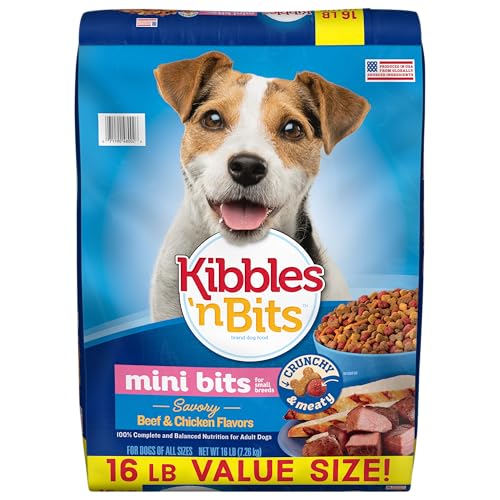
SMALL BREED DOG FOOD: Bring joy to mealtime with Kibbles 'n Bits small breed dry dog food—crafted to satisfy your small dog's cravings and keep tails wagging

DRY DOG FOOD: Each 3.5 lb. bag of Kibbles 'n Bits Bistro Dry dog food offers oven roasted beef, spring vegetable & apple flavors to delight your furry friend at every meal.
Wet Dog Food: Moisture and Spoilage Issues
Unlike dry kibble’s shelf stability, wet dog food presents distinct moisture-related challenges that fundamentally alter its suitability for chicken flocks. Wet formulas contain 65–84% moisture, creating environments where bacteria like Salmonella and Listeria proliferate rapidly. Once opened, you’ll face spoilage within 2–4 hours at ambient temperatures, even faster in warm conditions. Refrigeration slows but doesn’t eliminate degradation risk.
The moisture impact extends beyond bacterial growth—mold and mycotoxins thrive in high-water matrices left accessible to birds. Feeding wet dog food outdoors to free-ranging chickens compounds spoilage factors through fly and rodent contamination. Additionally, nutrient concentration on a dry-matter basis differs substantially from labeled percentages, potentially causing nutritional imbalances if used as a dietary staple rather than occasional supplementation. Many commercial wet dog foods use artificial thickeners like guar gum or carrageenan to create the appearance of density without adding nutritional value, which can further complicate digestive health in poultry.

100% Complete & Balanced For Adult Dogs: Pedigree Chopped Ground Dinner Dog Food is 100% complete, balanced pet food for adult canines, keeping them full and happy

Made With Real Chicken: Cesar Simply Crafted Chicken soft dog food is made with real chicken as the #1 ingredient

Wet dog food variety pack made with real beef or chicken as the number one ingredient
Health Risks Associated With Regular Dog Food Intake
While occasional dog food consumption may seem harmless, regular intake creates compounding health risks that progressively compromise your flock’s wellbeing. The nutritional imbalance—deficient in essential vitamins, minerals, and balanced proteins—triggers metabolic bone disease and impairs nutrient absorption over time. Additionally, providing cooked meat scraps as a protein source can help offset some nutritional deficiencies, but it should not be relied upon as a primary nutrient source for chickens. Excessive sodium disrupts your chickens’ digestive systems, potentially causing fatal intestinal distress. Moreover, long-term reliance on dog food may result in kidney problems similar to those observed with cat food consumption. Frequent cleaning will be crucial, as harmful bacteria can thrive in improperly managed feeding environments.
High fat content accelerates obesity, increasing susceptibility to heart disease and joint deterioration. You’ll notice behavioral changes as your birds develop aversion to nutritious foods like vegetables and grains, further undermining disease prevention capabilities. The compromised immune function reduces your flock’s natural resistance to infections. Additionally, variable preservatives and storage conditions in dog kibble introduce harmful bacteria, elevating disease transmission risks that threaten your entire flock’s health trajectory. The lower calcium content in dog food may pose significant risks to your chickens’ skeletal development and egg production quality. Notably, relying solely on one food source, like dog food, can lead to nutritional imbalances that adversely affect your chickens’ overall health.
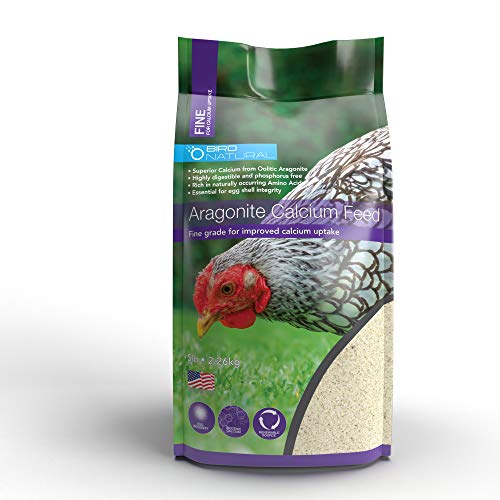
Superior calcium from Oolitic Aragonite

PURE POWDER/SUPPORTS BONE HEALTH*: Calcium Carbonate is a calcium supplement containing one of the highest concentrations of elemental calcium available

HEALTHY & NUTRITIOUS - 1lbs Oyster Shell Flour has a lot of calcium and nutrients. Superior nutrition retention to crushed, Oyster Shell Flour provides essential calcium & nutrients that help Chicken, Hen, Bird, Reptile enhance egg production and promote stronger eggshells.
Best Practices and Alternative Protein Treats
If you’re determined to supplement your flock’s diet with protein treats, you’ll want to establish clear feeding guidelines that protect their nutritional integrity. Limit dog food to occasional treats comprising less than 10% of daily intake, offered no more than 1–2 times weekly in measured portions. Monitor body condition and egg production closely after introduction.
For superior alternative treats, consider mealworms (50% protein), cooked legumes, or fish scraps—all provide high-quality protein without excessive fat. Hard-boiled eggs deliver nutrient-dense, highly digestible protein. Novel protein sources like rabbit and lamb can also serve as excellent supplemental options for chickens seeking dietary variety. These best practices guarantee you’re supplementing rather than compromising your layer ration. Store treats in sealed containers, rotate offerings promptly to prevent spoilage, and maintain formulated layer feed as your flock’s primary nutrition source.

HIGH PROTEIN POULTRY TREAT: Mealworms provide 50% source of all-natural protein, delivering a nutritious, high-energy treat for poultry that supports healthy growth, vitality, and overall well-being while encouraging natural foraging behavior.

Premium Quality Chicken Treats: Specially formulated, high quality chicken snacks for laying hens, only the best for your pet chickens

Premium Quality Chicken Treats: Specially formulated, high-quality chicken snacks for laying hens, ensuring only the best for your pet chickens