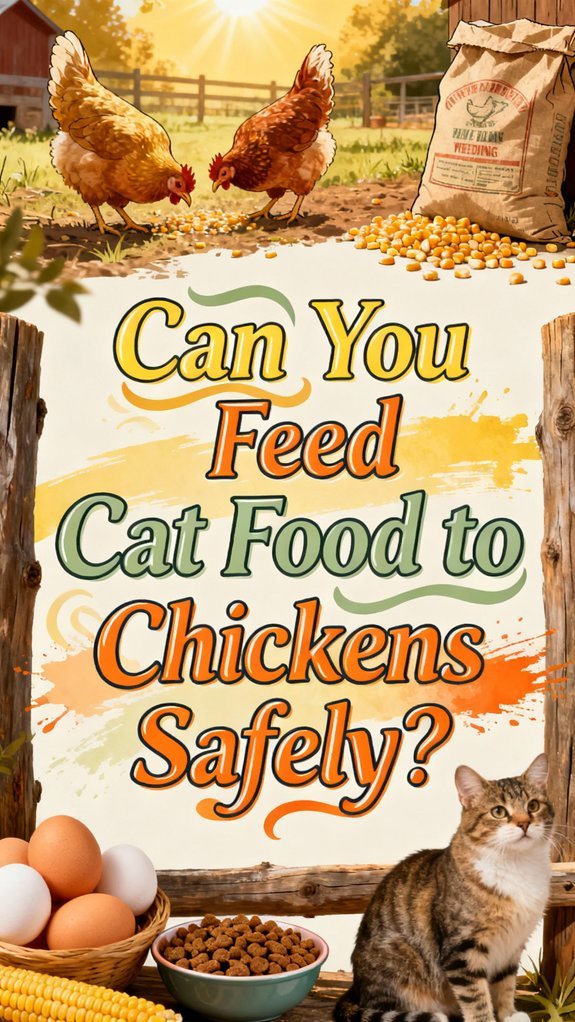
You shouldn’t feed cat food to chickens regularly, but strategic short-term supplementation under 10% of daily caloric intake can support recovery during illness or injury. Cat foods’ high protein and fat content, combined with insufficient calcium, risk metabolic damage, renal disease, and fatty liver syndrome in prolonged consumption. Canned varieties require rinsing to reduce sodium. Pathogen risks from rendered ingredients necessitate careful sourcing verification. Dried mealworms offer superior alternatives. Understanding the specific health implications and monitoring protocols reveals how you can safely navigate this feeding strategy.
Nutritional Composition Differences Between Cat and Poultry Feeds
Because cats and chickens occupy fundamentally different ecological and metabolic niches, their commercially formulated feeds diverge substantially in macronutrient profiles and energy partitioning. Cat foods prioritize animal protein sources, typically supplying over 50% of metabolizable energy from animal proteins in wet formulas, while poultry feeds rely on lower protein percentages and plant-based protein sources. Fat content in feline diets ranges from 20–40% of calories, creating higher caloric density than standard poultry feeds optimized for chicken energy balance. In contrast, poultry feeds are specifically designed to meet the dietary needs of chickens at various life stages, ensuring optimal health and productivity with balanced nutrition. Properly formulated feeds often contain specific nutrient ratios that are essential for different growth stages and can influence overall growth efficiency. Carbohydrate levels differ markedly: cat foods contain minimal carbohydrates (1–5% in wet diets), whereas poultry feeds incorporate substantial grain and corn content as primary energy sources. These compositional differences directly affect portion sizes and metabolizable energy intake when you substitute cat food for poultry feed. According to established nutritional guidelines, protein should precede fillers in ingredient lists to ensure quality formulation across species-specific feeds. Moreover, proper digestion is essential for chickens, which is typically supported by the inclusion of grit in their diets.
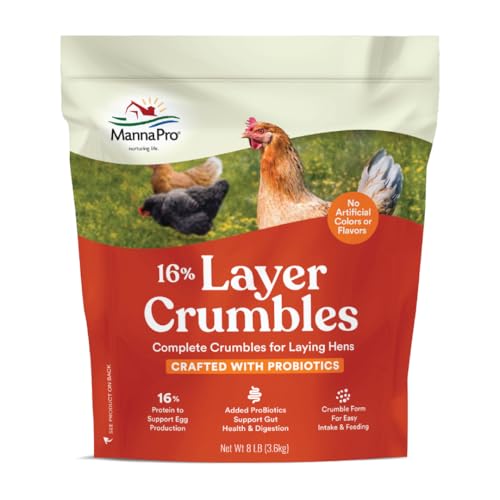
COMPLETE CHICKEN FEED FOR LAYING HENS: Manna Pro Chicken Feed delivers complete nutrition designed for laying hens, supporting strong egg production, healthy feathers, and overall wellness; balanced formula helps maintain optimal health in backyard flocks

HIGH PROTEIN POULTRY TREAT: Mealworms provide 50% source of all-natural protein, delivering a nutritious, high-energy treat for poultry that supports healthy growth, vitality, and overall well-being while encouraging natural foraging behavior.

Health Risks for Chickens Fed Cat Food Long-Term
While cat food’s macronutrient profile suits feline obligate carnivores, prolonged feeding of such diets to chickens initiates a cascade of metabolic and physiological derangements that you’ll observe through declining performance metrics and subclinical disease markers. The health consequences manifest as increased susceptibility to renal damage from chronically elevated protein intake mismatched to poultry amino-acid requirements, potentially progressing to gout or kidney failure. Additionally, high-protein diets designed for growing meat chickens may not meet the specific needs of laying birds, leading to further complications. You’ll encounter elevated morbidity from fatty liver hemorrhagic syndrome driven by excess dietary fats. Moreover, calcium deficiency becomes a concern since cats require less calcium than chickens, resulting in weakened bones and impaired egg production. The dietary impact extends to compromised immune competence when essential poultry-specific micronutrients remain deficient long-term, increasing disease susceptibility. Proper nutrition is critical for overall health in chickens, which is often not met by cat food. Pet food manufacturing maintains comparable hygiene standards to human food production, yet this does not negate the nutritional mismatch between feline and avian dietary requirements. Young stock face heightened mortality risk due to developmental sensitivity to nutrient imbalances, while adult birds accumulate subclinical production losses before overt clinical signs appear.

Superior calcium from Oolitic Aragonite: Provides high-quality calcium sourced from naturally occurring Oolitic Aragonite for optimal poultry nutrition
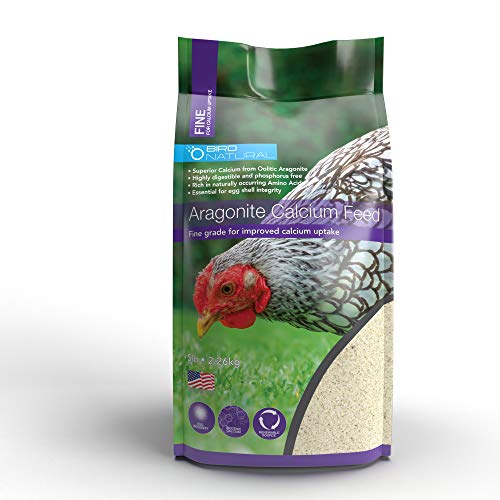
Superior calcium from Oolitic Aragonite
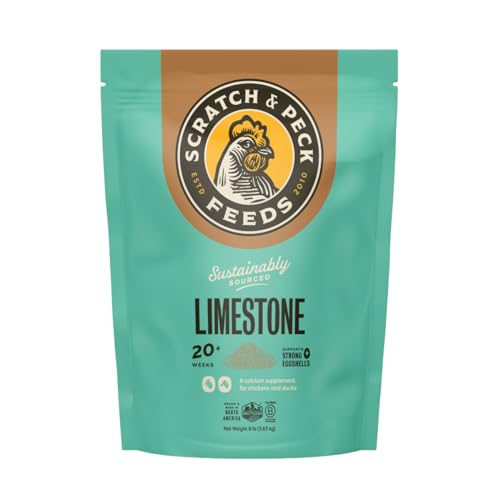
Cluckin' Good - All poultry require calcium to produce strong eggshells. Some breeds may require slightly more therefore it's always important to provide a free choice calcium source for your laying flock, they will take what they need.
When Short-Term Cat Food Supplementation May Be Appropriate
Although cat food presents metabolic challenges during prolonged feeding, you’ll find short-term supplementation defensible in specific circumstances where chickens need rapid protein recovery. When your birds recuperate from injuries or illness, cat food’s high methionine content accelerates feather regrowth and tissue repair without exceeding toxicity thresholds. You’re safe limiting supplementation to approximately 1 tablespoon per hen, comprising under 10% of their total caloric intake. This dietary balance prevents nutritional imbalances while delivering essential amino acids for protein synthesis. Short term supplementation works best during molting season or recovery periods when calcium demands drop. Cooked chicken should be spice-free and boneless to prevent choking hazards and digestive complications in your flock. You’ll maintain safety by rotating cat food with alternative high-protein sources like tuna, eggs, sunflower seeds, or mealworms, ensuring your flock receives varied nutrition without dependency.

Veterinarians Recommend IAMS: Feed your favorite feline IAMS Proactive Health dry cat food to support their whole-body health

SATISFYING, CRUNCHY KIBBLE - Tiki Cat Born Carnivore Indoor Health dry cat food is minimally processed and packed with meaty flavors from real ingredients that cats crave.

DIGESTIVE CARE FORMULA: This vet-recommended high-protein cat food helps maintain stool quality and digestive health with clinically proven prebiotic fiber
Practical Guidelines for Safely Feeding Cat Food to Chickens
If you’re considering cat food as a protein supplement for your flock, understanding the nutritional mismatch between feline and avian requirements is essential. You should limit cat food to no more than 10% of your chickens’ daily caloric intake. For treat portioning, offer young chickens up to 2 teaspoons maximum, adjusting for flock size. You’ll prevent nutritional imbalances by maintaining dietary balance through primary layer feed as your flock’s foundation. An occasional protein-rich treat helps ensure they receive balanced nutrition to support their health. Dried mealworms, for example, are an excellent source of high-protein nutrition for chickens and can support their overall health. Feather Footed Bantams thrive on a well-rounded diet, so consider their specific needs as well when introducing new treats. Rinse canned variants to reduce excessive sodium before feeding. Additionally, providing natural pest control methods like chickens hunting flies may help ensure your flock is healthy and reduce pests around the coop. Offering a variety of homemade chicken treats can also contribute to a more balanced diet and keep your chickens engaged. You must never substitute cat food for standard poultry feed, as the 32-36% crude protein concentration and feline-specific fortification create metabolic strain. Cat food formulated with probiotics and superfoods may provide some beneficial bacteria, but these are optimized for feline digestive systems rather than avian metabolism. Dry kibble requires particularly small portions due to its concentrated nutrient profile, ensuring your chickens receive appropriate nutrition without digestive disruption.

DIGESTION SUPPORT FOR CATS – Cat supplement made with added prebiotics to support digestive health, plus pumpkin for added fiber

FROM TOP TO TAIL: Elevate your feline companion's health with an advanced all in one cat multivitamin. These delicious dual texture crunchy and creamy bites help boost total cat health with full multi system benefits. Formulated to support your pet from nose to tail, this daily formula promotes enhanced immune support, heart health, and gut wellness while sustaining robust joint flexibility and deeply hydrated skin for long term vitality.

POUNCE ON + ON: Help your senior cat stay playful, agile, and active at any stage of life. Our advanced cat hip + joint support formula targets felines experiencing joint relief issues. These crunchy and creamy daily supplements help your aging feline family member leap onto counters, climb cat trees, and play with ease, allowing them to move comfortably and escape daily joint stiffness.
Egg Quality and Food Safety Considerations
Beyond portion control and nutritional balance, feeding cat food to your chickens carries implications for the safety and quality of the eggs your flock produces. Cat food’s concentrated micronutrients and animal proteins can alter yolk quality—modifying fatty-acid profiles and lipid content in ways that affect both nutritional value and labeling accuracy. More critically, rendered meat ingredients in pet food introduce pathogen transfer risks; raw or inadequately processed animal products can harbor Salmonella and other enteric pathogens that establish themselves in your flock’s gut microbiota. Systemic infection enables trans-ovarian contamination, depositing pathogens directly into yolk. Similar to how cooked eggs should be provided to cats to eliminate bacterial contamination risks, eggs from chickens fed cat food should be thoroughly evaluated before consumption. You must verify ingredient sourcing, maintain strict biosecurity protocols, and consider pasteurization for eggs destined for vulnerable populations.
Superior Protein Alternatives for Poultry Nutrition
Rather than relying on cat food or other pet-industry formulations, you’ll find superior nutritional outcomes by selecting protein sources specifically optimized for poultry metabolism and egg production. Plant proteins like soybean meal deliver balanced essential amino acids, while processed variants reduce anti-nutritional factors and improve digestibility. Animal proteins—fish meal, poultry by-product meal, and emerging insect meals—provide concentrated, highly digestible nutrients. You can strategically blend plant and animal proteins to correct limiting amino acids while optimizing cost-performance ratios. Microbial proteins, including yeast and single-cell organisms, offer functional benefits supporting gut health and immune function alongside amino acid provision. Complete protein sources containing all essential amino acids are particularly valuable for supporting poultry growth and maintaining consistent egg production throughout laying cycles. Through targeted protein supplementation combining these sources, you’ll achieve superior egg quality and bird performance without resorting to inappropriate formulations designed for carnivorous species.

✔️ PROVIDES ESSENTIAL VITAMINS & MINERALS: Good source of bioavailable Vitamin A, Vitamin B, Vitamin D, & Vitamin E for chickens.

MULTI-SPECIES PERFORMANCE FORMULA: Manna Pro Calf-Manna is designed to support a wide range of animals including cattle, goats, swine, poultry, rabbits, horses, and deer with essential nutrients and energy.
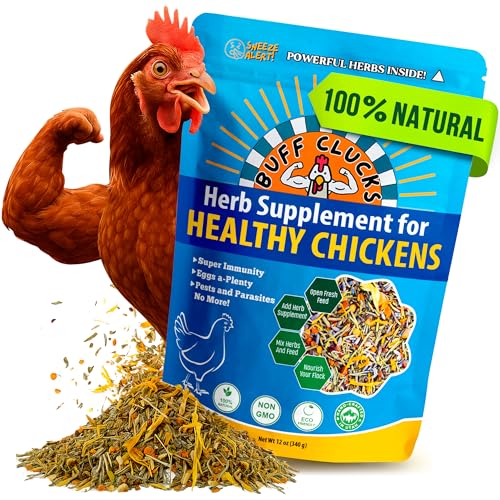
Versatile Treats: Aside from mixing it into chicken feed, you may also sprinkle the treats for chickens into dust baths or nesting boxes to provide a nutritious snack and ward off critters. This herb mix promote a clean coop, provides chickens with nutrition.
Best Practices for Monitoring Chicken Health After Diet Changes
When you introduce dietary changes to your flock, establishing systematic health-monitoring protocols is essential for detecting adverse reactions before they progress to clinical disease. You’ll track daily feed intake, flagging reductions exceeding 10%, while monitoring individual crop fill to identify digestive slowdown. Your monitoring techniques should include twice-weekly fecal scoring for 2–3 weeks post-change, collecting pooled samples if abnormal droppings persist beyond 48–72 hours. You’ll weigh representative bird samples weekly and calculate feed conversion ratios to detect nutrient utilization problems. Key health indicators include behavioral changes—lethargy, decreased feeder attendance, altered water consumption—and for layers, egg production metrics and shell quality. Additionally, be vigilant for signs of wry neck as nutritional deficiencies can contribute to its onset during diet transitions. You’ll perform gait assessments weekly, observing mobility and social interactions. Adequate water consumption remains critical throughout dietary transitions, as insufficient hydration can exacerbate digestive issues and reduce overall nutrient absorption during the adjustment period. These evidence-based monitoring approaches enable early intervention when diet-related complications emerge.