You can’t make your chickens vomit because their digestive anatomy fundamentally lacks the physiological mechanisms that mammals rely on for this reflex. Chickens have a strong lower esophageal sphincter functioning as a one-way valve, absent vomiting centers in their brains, and no synchronized retrograde contractions. However, you’ll recognize crop impaction, sour crop, and regurgitation—conditions mimicking vomiting—through swollen crops, foul odors, and wet feathers. Understanding these distinctions helps you identify serious digestive issues before they escalate.
The Avian Digestive System: How Chicken Anatomy Differs From Mammals
While mammals rely on teeth and a single-chambered stomach for initial food breakdown, chickens’ve evolved a fundamentally different digestive architecture suited to their rapid metabolic demands. You’ll find that avian anatomy features a specialized two-chambered stomach: the proventriculus initiates chemical digestion with pepsin and hydrochloric acid, while the muscular gizzard mechanically grinds food using retained stones. This dual-chamber system enhances digestive efficiency by separating chemical and mechanical processes simultaneously. Your chicken’s esophagus includes a crop for temporary feed storage, eliminating the need for mastication. The small intestine’s three distinct regions—duodenum, jejunum, and ileum—optimize nutrient absorption, which is crucial for supporting the chicken’s nutritional requirements. Additionally, paired ceca facilitate bacterial fermentation of cellulose, extracting additional energy. Digestive enzymes from salivary glands, pancreas, and bile from the liver are vital for breaking down food throughout this specialized tract. This integrated avian anatomy represents superior digestive efficiency compared to mammalian systems.
Why Chickens Cannot Vomit: Physiological Limitations and Structural Barriers
The avian digestive system‘s remarkable efficiency comes with a significant trade-off: chickens’ve lost the ability to vomit, a protective mechanism that mammals rely on during digestive distress. These physiological barriers stem from anatomical differences that fundamentally alter how birds process food. Chickens possess an exceptionally strong lower esophageal sphincter that functions as a one-way valve, preventing retrograde flow regardless of abdominal pressure. Additionally, their vomiting center—the neurological command hub coordinating stomach contractions, diaphragmatic movements, and sphincter relaxation—is either absent or non-functional. This neurological deficit means critical neurotransmitters like substance P and serotonin fail to trigger emetic reflexes. Unlike small animals and some exotics where vomiting is prevalent, birds lack the synchronized contraction mechanism of the stomach, abdominal muscles, and diaphragm that activates the vomiting center in the brain. The crop’s unidirectional design further compounds this limitation, permitting only forward passage toward the proventriculus. Together, these interconnected physiological barriers make vomiting impossible, forcing alternative mechanisms to address crop impaction. Interestingly, the unique physical traits of chickens contribute to their overall digestive process, emphasizing their specialized adaptations. Providing proper feed and calcium sources ensures layers maintain optimal health and digestion. Additionally, stress and improper nutrition can lead to issues such as pasty butt, which can further complicate chickens’ overall digestive health.
Recognizing Vomit-Like Symptoms: Regurgitation, Crop Issues, and Other Signs
Because chickens can’t vomit, you’ll need to recognize alternative symptoms that mimic vomiting behavior—primarily regurgitation and crop dysfunction. Regurgitation signs include sour-smelling liquid discharge when you gently press the crop, wet feathers beneath the beak, and yeasty-odored watery expulsion. Crop health deterioration manifests as a swollen, doughy crop that remains distended throughout the day, combined with foul breath and brownish, watery droppings. You’ll observe behavioral changes including lethargy, decreased appetite, and weight loss. The crop may feel hard and impacted or squishy and fluid-filled, depending on whether you’re dealing with impaction or sour crop—both serious conditions requiring veterinary intervention. Early recognition enables prompt treatment and prevents complications. Morning crop checks are essential for detecting problems before they progress, as a crop not emptying overnight is a critical red flag indicating potential blockage or fermentation issues.

PROBIOTICS FOR POULTRY: HealthyGut Probiotics for Chicken and Poultry is a broad spectrum blend of carefully selected probiotic bacteria for chickens, ducks, and other poultry; Helps promote a healthy digestive system and offers your bird total digestive support

SIMPLY MIX WITH WATER: Convenient powder formula that dissolves easily for quick hydration support.
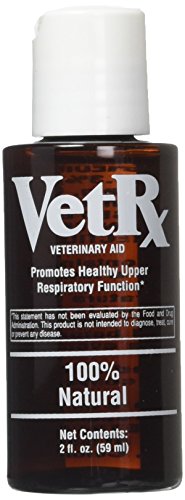
100 natural
Common Conditions That Mimic Vomiting in Poultry
Since chickens can’t actually vomit, you’ll need to distinguish between true vomiting and the various conditions that produce vomit-like symptoms. Crop diseases represent the most common culprits, including sour crop from yeast overgrowth, impaction from improper feed management, and stasis from mechanical obstruction or systemic illness. In cases of sour crop, the condition is caused by yeast infections which can lead to a swollen, foul-smelling crop. It’s important to note that during times of stress, such as molting season, chickens may exhibit behavioral changes that could further complicate diagnosis. Ensuring proper ventilation in the coop can also support overall chicken health, which is crucial during periods of digestive distress. Additionally, using remedies like VetRx can help support chickens suffering from these digestive issues. As with dogs and chickens, consistent training can also enhance the well-being of your flock by fostering a calm environment during times of distress. Upper digestive tract obstructions—whether from foreign bodies, esophageal strictures, or tumors—also mimic vomiting through regurgitation and drooling. Additionally, infectious diseases like coccidiosis and respiratory infections can cause oral discharge resembling vomiting, particularly those affecting the air passages and lungs of poultry species in high-density management systems. Parasitic infections, heavy metal toxicosis, and electrolyte imbalances further complicate diagnosis by producing regurgitation-like presentations. Understanding these digestive disorders allows you to identify the underlying cause and implement targeted management strategies specific to your flock’s condition.

Gentle Poultry Care Spray for Daily Use: Non-stinging chicken wound spray for poultry care and everyday flock skin support. Safe if pecked or ingested with no egg withdrawal for laying hens. Helps with pecking irritations, bumblefoot care, minor wounds, and vent-area support. Antibiotic and steroid free formula suitable for chickens, hens, roosters, and backyard flocks.


NATURAL AND NON-TOXIC. Made from natural essential oils Premo Poultry Spray is a safe alternative to harsh chemicals like permethrin, and mite dusts. Veterinarian and farm approved. Apply directly on all poultry. Treat your entire flock, pens, roosts, coops, nest boxes, and yards. Enjoy peace of mind knowing that your chickens and other poultry is protected naturally and safely.
Diagnostic Approaches for Suspected Vomiting and Regurgitation Problems
How do you identify whether your chicken’s regurgitation stems from sour crop, impaction, or another digestive disorder? You’ll employ multiple diagnostic tools to differentiate conditions. Start by palpating the crop to assess contents—squishy texture with sour odor indicates sour crop, while hard impaction feels distinctly different. Performing a morning crop fullness test after overnight fasting; an empty crop should feel small and flat. Additionally, offering homemade chicken treats can help promote healthy digestion and overall well-being, reinforcing the importance of maintaining a balanced diet rich in essential vitamins and minerals. It’s crucial to also be aware that certain raw foods can pose health risks, emphasizing the significance of proper food preparation. Implementing strict biosecurity measures can help prevent the introduction of underlying issues among your flock.
Assess clinical signs systematically: check for fetid breath, lethargy, and appetite loss. Conduct a stimulated regurgitation test by holding the bird upside down and massaging the crop vigorously to relieve pressure and observe expelled contents. Overconsumption or eating too quickly can precipitate crop impaction, so monitoring feed intake and eating behavior is essential for prevention. Submit fecal samples or necropsies to your diagnostic lab when infectious causes are suspected. Quarantine affected birds immediately and consult your veterinarian for inconclusive cases.
Treatment Options for Crop Stasis, Obstructions, and Related Disorders
Once you’ve identified the underlying cause of your chicken’s crop disorder through systematic palpation, fecal analysis, and clinical assessment, you’ll need to implement targeted treatment strategies that address both the mechanical obstruction and any secondary infections. Gentle crop massage combined with short-term feed withholding initiates management for mild crop stasis. You’ll progress to crop lavage with warm saline if manual techniques prove insufficient, though aspiration risks require veterinary expertise. Surgical interventions become necessary when obstruction treatment fails or necrotic tissue develops. Supportive therapies—including subcutaneous fluids, antimicrobials, antifungals, and prokinetic agents—facilitate recovery. It is crucial to monitor for early signs of sour crop to ensure prompt treatment and avoid further complications. Additionally, maintaining a clean coop environment with safe bedding materials can also help in preventing respiratory issues that may exacerbate crop disorders. Apple cider vinegar and probiotics can be incorporated into the bird’s hydration regimen to address fungal overgrowth that may complicate the recovery process. You’ll shift your bird to easily digestible feeds as crop function returns, maintaining thermal support throughout recovery while monitoring closely for complications requiring escalation.
Prevention Strategies to Maintain Digestive Health in Your Flock
While treatment protocols address existing crop disorders, prevention through systematic management practices proves far more cost-effective and humane. You’ll establish preventive measures by implementing clean housing protocols that minimize pathogenic exposure through regular bedding replacement and disinfection. Maintaining nutritional balance requires following National Research Council guidelines, ensuring adequate protein, vitamins, and minerals while using pelleted feed with grit to support digestion. Chickens require grit for digestion to effectively break down their food since they lack teeth. It’s also beneficial to include dark leafy vegetables in their diet to enhance nutritional value. Additionally, incorporating herbs such as oregano can further support their digestive system and overall well-being. A soothing treatment like an Epsom salt bath can also help relieve stress, fostering a healthier digestive environment.
You’ll strengthen gut health by incorporating probiotics, prebiotics, and natural additives like oregano and essential oils that promote beneficial microflora. Provide filtered, contaminant-free water consistently, as this directly impacts intestinal function. Monitor feed conversion ratios and fecal consistency regularly to identify early warning signs. Vaccinate against coccidiosis and implement strict biosecurity protocols to prevent disease introduction. Balanced calcium and phosphorus levels enhance digestive function and eggshell integrity without compromising hen health. These evidence-based strategies substantially reduce digestive disorders in your flock.

May improve the hardness and durability of egg shells

Necessary For Digestion - Made up of insoluble crushed quartzite or granite, grit remains in the bird’s gizzard to help with digestion. Grit is an essential part of your bird’s diet and should always be provided.
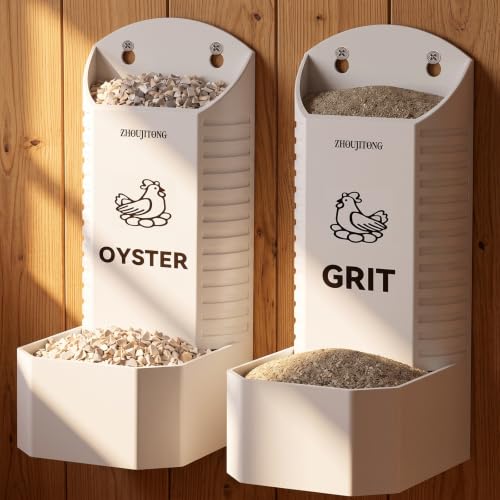
2-Pack Chicken Grit and Oyster Shell Set: Corrosion- and rust-resistant, with a smooth surface that’s easy to clean; features built-in drainage holes to prevent food from getting damp; and an integrated deflector plate design that ensures not a single grain of food goes to waste