You’ll spot vent gleet by observing sticky yellow-white discharge, missing feathers, and crusty buildup around your chicken’s vent—advanced cases show redness and swelling. Confirm infection through vent swabs for cytology to differentiate fungal from bacterial causes. Treat affected birds with daily antifungal topicals, probiotics, and nutritious feed while isolating them in clean, draft-free quarters. Change bedding frequently and trim surrounding feathers for easier monitoring. Consult your veterinarian if symptoms persist beyond four days or affect multiple birds, as underlying physiological issues often require thorough intervention.
Understanding Vent Gleet: What It Is and Why It Matters
Understanding vent function proves critical because the cloaca serves as your bird’s unified system for waste elimination and reproduction. When infection compromises this delicate balance, you’re witnessing a health impact that extends beyond localized inflammation. Stress alters cloacal pH, predisposing birds to secondary infections, including conditions such as mite infestations that can exacerbate health issues. In addition to these risks, chicken lice infestations can further weaken your birds by causing anemia and irritability. While vent gleet rarely proves fatal and responds to treatment, recurrence remains common. You must recognize this condition signals underlying physiological failure requiring intervention. Pasty butt can progress to vent gleet by trapping infections against the vent area, making early cleaning and prevention essential for flock health. Implementing natural deterrents for external infestations, such as engaging in a consistent pest management routine, is also crucial. Observing signs of mites or lice is essential for managing your flock’s overall wellbeing, as these ectoparasites can lead to severe stress and secondary infections. Maintaining a balanced diet, including nutritious ingredients like chickpeas, can also support your birds’ immune systems and overall health.
Common Causes of Vent Gleet in Backyard Flocks
Several interconnected factors predispose your flock to vent gleet, each disrupting the delicate microbial and physiological balance of the cloaca. Fungal infections from Candida albicans overgrowth occur when pH imbalance follows digestive disruption. Bacterial infections stem from gut dysbiosis, particularly after antibiotic use eliminates protective flora. Dietary issues—moldy feed, contaminated water, and inconsistent nutrition—compromise immunity and gut health. Additionally, incorporating soothing Epsom salt baths into your treatment regimen can promote relaxation and support the overall health of affected birds. It is crucial to maintain clean coops to help prevent stress factors that exacerbate vent gleet. Stress factors including temperature fluctuations, dehydration, and poor environmental conditions weaken your flock’s disease resistance. Poor feeding management and physiological triggers like hormone fluctuations during lay onset, sour crop, pasty butt, and concurrent viral infections create conditions favoring vent gleet development. Since vent gleet is non-contagious, affected birds should still be monitored closely as multiple flock members often develop symptoms simultaneously due to shared environmental stressors. Understanding these multifactorial causes enables you to implement targeted prevention strategies addressing underlying pathophysiology rather than merely treating symptoms.
Recognizing the Warning Signs and Symptoms
How quickly can you spot vent gleet in your flock? Effective symptom recognition depends on regular visual inspection of your birds’ vent areas.
You’ll observe initial signs including missing feathers, sticky yellow-white discharge, and crusting around the vent. Progressive cases present redness, swelling, and hemorrhaging. Droppings become watery, malodorous, and poorly formed without the characteristic white urate cap. Applying antifungal cream can help manage some cases if caught early. One potential contributing factor to issues like vent gleet is calcium deficiencies, which can weaken the hen’s overall health. Ensuring hens receive adequate large particle calcium in their diet can help support their immune response and overall health. Furthermore, maintaining a diet rich in high-quality feed can improve overall egg production and health in your flock. Hens typically produce eggs based on their light exposure, which may also impact their immune health.
Behavioral changes accompany these physical manifestations. You’ll notice lethargy, reduced feed consumption, and weight loss. Abdominal swelling indicates severity. Egg production drops considerably in affected hens. Watery droppings lacking the typical white urate cap may also result from viral infections such as bronchitis, which causes affected chickens to pass liquid urine instead of normally formed feces.
Secondary complications include sour crop development and oral lesions. Early detection through consistent visual inspection enables prompt intervention, preventing flock-wide transmission and minimizing production losses.
Step-by-Step Diagnostic Approach
Once you’ve identified a bird displaying localized vent signs, you’ll want to establish a systematic diagnostic approach that prioritizes accurate pathogen identification while minimizing unnecessary testing. Begin with external vent inspection, noting swelling, erythema, ulceration, and exudate character. Perform gentle cloacal palpation to detect masses or prolapse. Evaluate droppings for consistency, blood, and urate presence—indicators of cloacal dysfunction or systemic involvement.
Collect vent swabs for immediate cytology using Gram or yeast staining to differentiate bacterial versus fungal etiologies. Submit separate samples for bacteriology and fungal culture with susceptibility testing. If clinical signs suggest systemic disease or multiple birds are affected, consider PCR panels for infectious bronchitis virus and perform fecal flotation to assess parasitic load. Meticulous recordkeeping guarantees diagnostic accuracy and appropriate treatment selection. Examining droppings microscopically for infection type is essential, as identifying whether the infection is bacterial, parasitic, fungal, or yeast-based will determine the most effective treatment protocol.
Effective Treatment Methods for Affected Birds
Treatment success depends on combining targeted topical therapy with systemic support to address both the localized infection and underlying dysbiosis. You’ll apply antifungal topical treatments directly to the vent area daily, following product withdrawal times for eggs. Simultaneously, implement probiotic support through avian-specific formulations or unsweetened yogurt administered via feed or water to restore beneficial gut flora. Diatomaceous earth can also be beneficial when used to manage external parasites that may complicate recovery. Clean the vent gently with warm water and mild soap, removing crusted discharge, then dry thoroughly to minimize fungal proliferation. It’s also crucial to maintain a balanced diet rich in essential vitamins and minerals to bolster the chicken’s overall health. Maintain constant access to fresh water; judiciously use apple cider vinegar with “mother” if desired. Avoid antibiotics unless a veterinarian confirms secondary bacterial infection, as they’ll exacerbate fungal overgrowth. Routine monthly health checks are essential to monitor recovery progress and prevent complications such as reproductive tract issues. Continue treatment for one to two weeks until clinical resolution occurs.

SIMPLY MIX WITH WATER: Convenient powder formula that dissolves easily for quick hydration support.

PROBIOTICS FOR POULTRY: HealthyGut Probiotics for Chicken and Poultry is a broad spectrum blend of carefully selected probiotic bacteria for chickens, ducks, and other poultry; Helps promote a healthy digestive system and offers your bird total digestive support

Improves the compisition of birds' microbiome
Creating a Clean Recovery Environment
While topical treatments and probiotics address the infection itself, you’ll find that environmental management is equally critical to preventing reinfection and supporting recovery. You must prioritize moisture control by selecting absorbent bedding materials like sawdust that effectively wick away moisture from droppings. Change bedding frequently, monitoring daily for wet spots that create ideal conditions for yeast proliferation. You’ll maintain isolation quarters that remain draft-free with stable temperatures, promoting ventilation without direct air currents. Trim feathers around the vent to provide unobstructed access for cleaning and observation. You should avoid overcrowding the recovery space, as this reduces stress while minimizing soiling accumulation. Regular cleaning of waterers with distilled vinegar prevents contaminated water sources from reintroducing fungal pathogens during the recovery period. These environmental modifications directly support your bird’s immune response and prevent recontamination during the critical recovery phase.
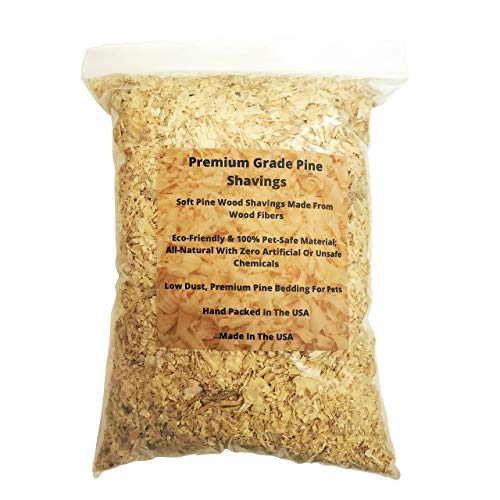
*Premium Quality Small Pet Bedding. Soft and Comfortable - The rabbit litter is soft, free of chemicals, has no irritants and won't irritate the skin of your tiny pets. Our animal bedding prevents allergic reactions and provides a cozy, dry and warm environment to your small pet animals.

Elevate Your Coop with Our Premium Pine Bedding—meticulously crafted from 100% natural radiata pine. Super absorbent (3x+ its weight), low dust, and naturally odor-controlling, it keeps the coop dry, comfortable, and fresh. Compostable, fluffy and gently cushioning, it turns your chicken house into a clean, forest-fresh haven.

HEMP BEDDING FOR SMALL ANIMALS – Premium hemp bedding for rabbits, guinea pigs, hamsters, rodents, birds, reptiles, and more. A natural cage bedding alternative to paper bedding, pine shavings, or aspen, designed for comfort, cleanliness, and sustainability.
Long-Term Prevention Strategies
After you’ve successfully treated vent gleet and established a clean recovery environment, your focus must shift to preventing recurrence through systematic management protocols. Conduct regular nutrition assessments to verify you’re providing balanced complete feed with appropriate oyster shell and grit supplementation. Implement consistent gut health support via avian probiotics and apple cider vinegar to maintain intestinal flora stability. Prioritize stress management by controlling parasites, maintaining stable temperatures, and guaranteeing constant access to fresh water and feed. Inspect vents regularly for early warning signs, and isolate any affected birds immediately. Test feces via veterinary analysis if multiple birds show symptoms, allowing you to identify underlying bacterial or parasitic causes before widespread infection occurs. Since no guaranteed prevention methods exist for recurring vent gleet, establishing these foundational management practices becomes your most reliable defense against future outbreaks.
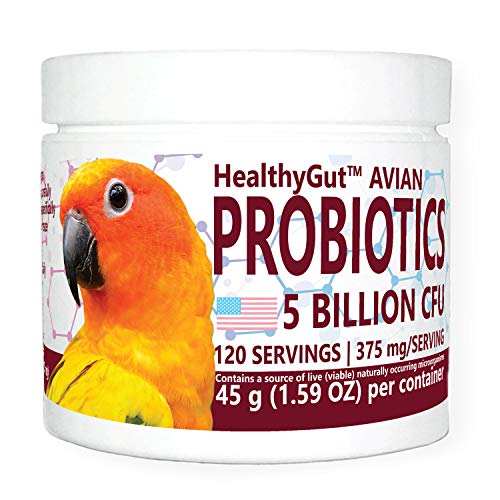
PROBIOTICS FOR BIRDS: HealthyGut Avian Probiotics holistically promotes normal digestion, regulates pH, helps defend against feather picking and effects from stress, aids relief from digestive upset or antibiotic use, and aids general microbiome support in your bird

DAILY DIGESTIVE & GUT HEALTH SUPPORT FOR BIRDS: Avian probiotic supplement designed to support healthy digestion and balanced gut flora in parrots and pet birds, ideal for everyday use and during diet changes.

Premium Probiotic for Birds - Flora Bird is a high quality, high potency daily probiotic formula with 10 billion live cultures per serving from 7 clinically-studied strains plus prebiotics to help feed the beneficial probiotics in your bird’s digestive tract. Flora Bird supports digestive, bowel & immune health, and against the effects of stress, helps maintain proper crop pH, and helps your bird’s gut microbiome by replenishing beneficial microflora every day.
When to Seek Veterinary Help
Despite your best prevention efforts and diligent home care, vent gleet occasionally doesn’t respond to standard management protocols, signaling that professional veterinary intervention‘s become necessary. Contact your avian veterinarian if symptoms persist beyond 4 days despite antibiotics and topical treatments, or if you observe systemic illness signs like lethargy, appetite loss, or hematochezia. Multiple birds affected simultaneously warrants immediate diagnostic evaluation. Your veterinarian can perform blood tests, PCR analysis, and cloacal cultures to identify underlying bacterial, fungal, or parasitic causes. Since vent gleet can be triggered by stress-related factors, your veterinarian may also recommend environmental assessments to identify and eliminate potential stressors in your coop. Additionally, good coop hygiene plays a vital role in preventing similar conditions from arising. Symptom monitoring during home treatment remains critical for early intervention. When communicating with your veterinarian, provide detailed documentation of treatments attempted, response timelines, and flock health status. Advanced infections reaching reproductive organs or evidence of cloacal prolapse require urgent professional assessment to prevent permanent damage or mortality.