You’ll identify sour crop by palpating your chicken’s crop for a distended, squishy texture accompanied by foul-smelling breath and gurgling sounds. Implement immediate treatment: fast the bird for 12–24 hours, provide clean water only, and perform gentle crop massage multiple times daily. Use diluted apple cider vinegar in drinking water to inhibit fungal overgrowth. Gradually reintroduce easily digestible feed once symptoms improve. Seek veterinary intervention if you don’t observe improvement within 48 hours or notice persistent fermentation odors—understanding the underlying causes and prevention strategies will greatly strengthen your flock’s resilience.
What Is Sour Crop and How Does It Develop?
Sour crop, medically termed crop stasis or sour crop syndrome, occurs when the crop—a pouch in the chicken’s throat that stores and moistens food before digestion—fails to empty properly. When food remains stagnant, the fermentation process begins, producing gas, acids, and creating an environment where Candida albicans thrives. This fungal overgrowth disrupts the crop’s natural pH balance, shifting microbial populations toward pathogenic organisms. Understanding crop anatomy is essential: a healthy crop empties overnight and feels firm by morning, while sour crop remains distended and squishy throughout the day. The fermentation process generates a characteristic foul odor and gurgling sounds from the affected area. Poor diet including stale or moldy feed can significantly accelerate fungal overgrowth and increase the likelihood of sour crop development. Without intervention, prolonged stasis leads to inflammation, soreness of the crop lining, and potentially severe complications affecting overall digestive function.
Common Causes of Sour Crop in Poultry
While crop stasis represents the immediate mechanism underlying sour crop, you’ll find that multiple interconnected factors—ranging from environmental mismanagement to microbial triggers—initiate or exacerbate the condition in affected flocks. Poor feed hygiene creates ideal conditions for fungal proliferation; moldy, damp feed introduces Candida albicans and pathogenic organisms directly into the crop. Contaminated water systems and unsanitary feeders facilitate yeast overgrowth between birds. Dietary factors compound these risks—high-sugar treats, abrupt feed changes, and long fibrous materials promote fermentation and impaction. Additionally, overcrowded conditions in the coop can heighten stress and increase the risk of infestations, which further aggravate the birds’ health. Notably, using bedding materials like pine shavings that can contribute to respiratory issues may also impact overall health and susceptibility to conditions like sour crop. Microbial triggers like Candida overgrowth often follow broad-spectrum antibiotic use, which disrupts protective microflora. It’s essential to ensure that your flock receives a balanced diet—including nutritious sources like eggs—to maintain optimal health and reduce the risk of digestive issues. Notably, early recognition of warning signs can significantly enhance treatment outcomes. Downstream obstructions, parasitic infections, and immunosuppression from stress or disease further compromise crop motility. Regular worming twice yearly helps prevent the severe worm infestations that can significantly increase susceptibility to sour crop development. Additionally, internal parasites such as roundworms can cause digestive impairment, compounding the risks that lead to sour crop development. Understanding these interconnected causes enables targeted prevention strategies specific to your operation’s vulnerabilities.
Recognizing the Signs and Symptoms
Five primary clinical indicators’ll help you identify sour crop in your flock: a persistently distended, squishy crop; characteristic foul-smelling breath; behavioral depression; reduced feed intake; and regurgitation or discharge from the beak. Use this symptom checklist during morning behavior observation when signs peak. Palpate the crop gently—you’ll feel a water-filled balloon texture rather than firm impaction. Note hunched posture, ruffled feathers, and lethargy indicating systemic malaise. Chickens’ natural behavior can also be affected by their environment, underscoring the importance of providing suitable spaces for exercise and movement. As pullets begin maturing rapidly, providing a complete layer feed can ensure your chickens receive the necessary nutrients to maintain their health, which can influence their overall well-being and prevent conditions like sour crop. Incorporating oregano oil supplementation can further promote nutrient digestion and improve intestinal health. Additionally, a soothing Epsom salt bath can help support chickens experiencing discomfort from digestive issues. Monitor appetite changes and weight loss progression. Listen for gurgling sounds from the crop area. Observe fluid or undigested material expelled when handling affected birds. Diarrhea and mucous-like droppings accompany internal fermentation. Gas buildup from fermentation can cause severe health complications if left untreated, making early detection critical. Early detection through systematic behavior observation enables prompt intervention and prevents disease advancement.
Diagnostic Methods for Confirming Sour Crop
Once you’ve identified the clinical signs of sour crop through behavioral observation, you’ll need to confirm your diagnosis through systematic physical and diagnostic methods. Start by palpating the crop to assess texture and consistency—you’re looking for mushy, doughy, or balloon-like qualities indicating crop fermentation. Listen for gurgling sounds when gently pressing the area, which signals active gas buildup from fungal overgrowth. Additionally, in cases of sour crop, the presence of unpleasant odors can help reinforce the suspicion of a fungal infection. It is worth noting that conditions like sour crop can be exacerbated by chronic respiratory disease (CRD) in chickens, leading to further complications. Feeding broccoli in moderation can help maintain a healthy gut environment in chickens. Effective mite control is also essential to preventing other health issues in your chickens, which can affect their overall well-being. Additionally, good coop hygiene can significantly reduce the risk of yeast infections, as clean living conditions reduce stress and exposure to harmful pathogens. Your veterinarian can perform diagnostic techniques including culturing fungal organisms from crop swabs and conducting microscopic examinations. These laboratory methods definitively identify the causative agent responsible for crop fermentation. Physical examination combined with clinical history provides strong diagnostic evidence, but culture results confirm fungal infection and guide targeted treatment protocols. Regular crop check-ups through visual and physical assessments are recommended to catch sour crop in its early stages before complications develop.
Step-by-Step Treatment Options
Treating sour crop successfully requires a staged approach that prioritizes immediate relief from crop obstruction before advancing to targeted antimicrobial and nutritional support. You’ll begin with fasting for 12–24 hours, offering only clean water to allow passive emptying and reduce fermentation. Perform gentle crop massage several times daily, positioning your bird slightly forward to encourage regurgitation of liquid contents. Additionally, maintaining proper environmental factors is essential in preventing further complications during recovery, such as ensuring a clean and comfortable coop environment to reduce stress, considering that chickens have sophisticated social interactions which can be affected by their living conditions. Providing homemade chicken treats during recovery can also encourage healthy foraging behavior and boost morale.
During recovery, you can incorporate home remedies like diluted apple cider vinegar in drinking water to acidify the crop and discourage fungal overgrowth. Probiotics restore normal microflora after initial fasting, similar to how a smart feeder can help maintain a healthy diet. For dietary adjustments, reintroduce easily digestible, low-fiber foods—scrambled egg, soaked feed, mashed rice—in small, frequent servings. Monitor crop emptying before increasing portions. Ensure your chicken has access to grit to support proper digestion of larger food items once recovery progresses. Avoid forceful flushing or manual emptying of impacted material; seek veterinary care if your bird shows no improvement within 12 hours.

PROBIOTICS FOR POULTRY: HealthyGut Probiotics for Chicken and Poultry is a broad spectrum blend of carefully selected probiotic bacteria for chickens, ducks, and other poultry; Helps promote a healthy digestive system and offers your bird total digestive support

This item is a Chic 3CT.17OZ Probiotic

ESSENTIAL POULTRY GRIT FOR CHICKENS & GAMEFOWL: Premium grit for chickens made from natural granite grit for chickens, essential for grinding whole grains and improving digestive health for poultry; a must-have to include in your chicken coop accessories
Medications and Supportive Care
After you’ve initiated fasting and gentle crop massage, your veterinarian will likely recommend targeted antimicrobial therapy paired with supportive measures to address the underlying fungal or bacterial infection and restore normal crop function. Silkies are particularly susceptible to such conditions due to their unique (fluffy feathering) that may impede proper feeding.
Antifungal medications—typically azoles like clotrimazole or miconazole—form the cornerstone of treatment. Your vet will determine appropriate dosing based on your bird’s weight and condition. Additionally, consider that miconazole cream is often used in other treatments for fungal infections in chickens. Simultaneously, you’ll implement supportive therapies including fluid replacement via electrolytes or subcutaneous administration if dehydration’s present. Administer medication when the chicken’s crop is empty to ensure optimum absorption and effectiveness of the antifungal treatment. It is also crucial to monitor for any signs of concurrent infestations, such as lice infestations, which can complicate recovery.
After crop clearance, shift gradually to easily-digestible, soaked feed to minimize fermentation. Providing high-calorie nutrition through syringe-feeding if necessary until normal function resumes is key for the recovery of your Silkie. Maintain your bird in a warm, quiet environment to reduce metabolic stress.
Once antimicrobial therapy concludes, introduce species-specific probiotics to restore beneficial crop flora, typically waiting 48 hours post-antibiotic use to maximize colonization effectiveness.
Preventing Sour Crop in Your Flock
While antimicrobial therapy and supportive care address active sour crop infection, preventing the condition from developing in your flock requires a multifaceted approach grounded in dietary management, water quality, environmental controls, and biosecurity practices. Implement dietary adjustments by providing balanced layer feed and limiting high-sugar treats that promote yeast overgrowth. Guarantee consistent water hygiene through daily waterer cleaning and sanitization to prevent bacterial contamination. Maintain environmental management by removing soiled bedding, eliminating stringy materials, and securing foreign objects. Establish parasite control through regular monitoring and targeted deworming, as heavy worm burdens predispose birds to crop impaction. Quarantine newcomers for 2–4 weeks before flock integration. Store feed properly to prevent spoilage and mold growth, which can alter pH levels and allow harmful fungi to thrive. These systematic preventive measures greatly reduce sour crop incidence in your flock.

Helps reduce film, residue, and organic build-up in poultry and livestock waterers
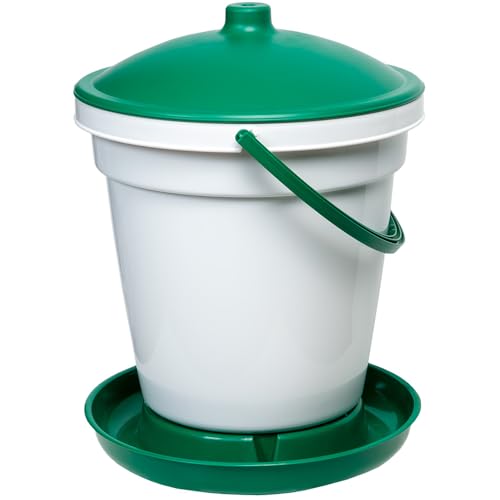
Top-Fill Design: Conveniently add water from the top—no flipping required.

Popular Design – Used for watering poultry, including waterfowl.
When to Seek Veterinary Help
When should you involve a veterinarian in your chicken’s sour crop treatment? You’ll need expert consultation if your bird shows no improvement within 2 days of home treatment, or if the crop remains full despite massage and fasting. Persistent fermentation odors after 48 hours, severe impactions unresponsive to standard methods, and suspected fungal or bacterial infections all necessitate veterinary intervention. It’s important to ensure that your chickens have access to nutritious treats like fresh pumpkin as they can support overall health and gut function. Moreover, factors like nutritional deficiencies can contribute to the development of sour crop in chickens. Feeding your chickens safe fruits like fresh plums can also provide essential nutrients and hydration which may benefit their immune systems. Additionally, implementing biosecurity measures can help prevent the spread of infections in your flock.
Creating engaging DIY toys for your chickens can also promote active foraging behavior and reduce stress, further supporting their wellbeing. Emergency protocols apply when you notice aspiration risks, dehydration requiring IV fluids, or pendulous crop development. Your vet can safely perform crop flushing, prescribe targeted antifungals or antibiotics, and consider surgical options like ingluvotomy if necessary. Don’t attempt manual emptying—the aspiration hazard is fatal. Since sour crop often results from yeast infection caused by long-term antibiotic use disrupting the bird’s natural microflora, your veterinarian can help restore proper gut health. Professional evaluation prevents life-threatening complications and guarantees your chicken receives evidence-based care.