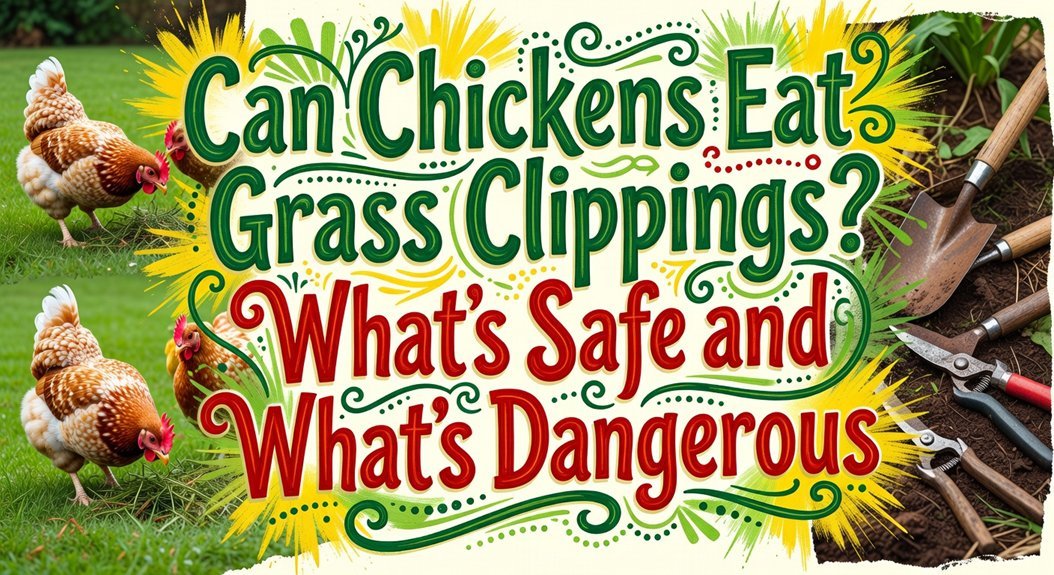
You worry those fresh clippings might hurt your flock, and honestly, you’re right to pause. Long, wet grass causes deadly crop blockages, while treated lawns bring toxic chemicals straight to your eggs. You need hand-cut blades under two inches, scattered thinly so they never ferment into hot, sour sludge. Obviously, untreated sources are non-negotiable here. Stick to small handfuls as treats, not meals, to keep digestion smooth. If you want the exact signs of dangerous decomposition next, just keep going.
Can Chickens Safely Eat Fresh Grass Clippings?
So, you’re standing there with a armful of fresh clippings, wondering if tossing them to your flock is a brilliant hack or a one-way ticket to crop impaction city. Here’s the thing: fresh grass safety hinges entirely on how you cut it. Mower clippings ferment instantly, creating toxic gas that wreaks havoc on delicate crops. You need hand-cut blades, no longer than two inches, gathered that very morning. Obviously, chemical testing matters immensely too; never feed grass treated with herbicides or pesticides. Your backyard might look green, but hidden residues kill. Small handfuls work best, mimicking natural foraging without overwhelming their digestion. This approach isn’t for lazy feeders wanting to dump a bin, but it’s perfect for you if you prioritize welfare. Hand-harvesting takes effort, yet it guarantees your chickens enjoy safe, nutritious treats without the deadly risks of machinery-processed piles. Furthermore, allowing clippings to dry first helps reduce risk of impaction significantly compared to feeding wet grass directly.

50LB Large Capacity for Fewer Refills – Designed for backyard chicken owners who want less daily maintenance, this large automatic chicken feeder holds up to 50 pounds of feed, helping keep your flock fed for days while reducing constant refilling and feed waste.

NO SPILL CHICKEN FEEDER | We studied the way chickens eat and designed a feeder that doesn’t spill and doesn't waste food. The enclosed feeding ports stop hens from billing and scratching feed onto the ground — the #1 cause of feed waste.
Prevent Crop Blockage With Short Cut Grass
You’ve probably watched your flock go absolutely berserk over a pile of greens, only to worry later that their enthusiasm might backfire into a deadly crop impaction. Here’s the thing: long clippings tangle instantly, creating a solid mass that stops digestion cold. You need short grass to keep things moving. Cut everything under two inches to mimic natural foraging where hens peck tiny blades. Obviously, dumping huge piles invites disaster because birds gorge without control. Instead, scatter thin layers so air dries the bits and prevents clumping. Hand-snipping morning dew grass works best for perfect length. Remember, crop blockage kills quickly when fibers mat together inside the crop. Keep portions small, like a treat, not a meal. This approach saves lives while letting them enjoy greens safely. Now, go grab those shears and cut it short today. Additionally, you must verify the source of clippings for herbicides or pesticides to prevent contaminating the flock with toxic chemicals.
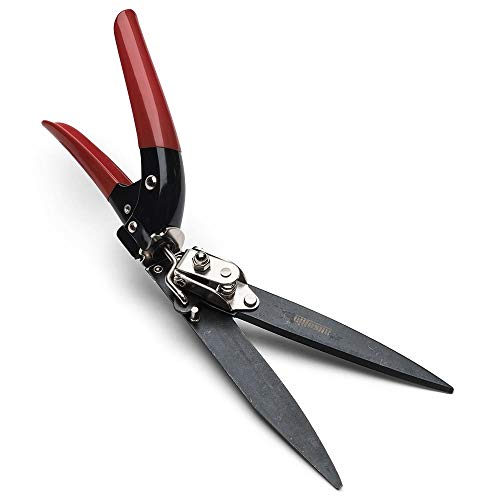
HAND GRASS CLIPPERS - Use these hand held grass trimmer shears for precision jobs like manicuring the border of walkways and other areas where grass grows right up to the edges, or as hedge shears for shaping small shrubs, bushes, and hedges.

Full metal grass shear in premium quality for the perfect cutting of lawn edges
Stop Fermentation Before Clippings Turn Toxic
Since mowing kicks off a rapid breakdown that traps heat and moisture, your fresh pile can turn into a toxic sludge before you even grab a shovel. You don’t want your hens pecking at sour, slimy grass that smells like rotten alcohol. Obviously, piled clippings cook themselves, creating dangerous acids and gases that wreck digestive systems fast. Here’s the thing: fermentation timing matters immensely because toxicity builds within mere hours if you leave them heaped. You must spread those greens thinly immediately so air dries them out instead of letting bacteria thrive. Toxin monitoring isn’t just jargon; it means checking for dark colors, sticky textures, or that distinct sour stench before feeding anything. If it’s warm or clumped, toss it. Don’t risk crop impaction or death over a lazy afternoon. Grab fresh cuts only, keep portions small, and watch your flock thrive safely today.
Avoid Chemically Treated Lawn Mowings Completely
Even if that grass looks lush and green, you can’t risk feeding it to your flock if your lawn service recently sprayed it with anything. Those chemicals stick right to feathers and skin, causing immediate irritation or worse, systemic toxicity inside their organs. You’ll see diarrhea, fatigue, or strange behavior fast, but long-term exposure quietly crushes immune function and egg production. Obviously, residues transfer straight into eggs and meat, making your breakfast dangerous. Chemical safety isn’t just a label; it’s a strict rule because herbicides don’t discriminate between weeds and chickens. Forget residue testing; you simply can’t verify safety after the fact. Labels explicitly warn against animal contact for days, so trust those disclaimers. Never use treated clippings, period. Opt for untreated sources only. Protect your birds by avoiding all toxicity risks today. It’s the smart, obvious choice for a healthy coop. Wind or rain can spread these toxins to unintended areas, so avoid spraying in windy conditions to prevent drift onto chicken runs.
Mulch Grass Finely for Safe Chicken Treats
While you might be tempted to just toss those long, stringy clippings over the fence, doing so is a fast track to a backed-up crop and a very unhappy flock. You need fine mulch texture instead. Mow on your slowest setting to chop grass tiny, making it easy for chickens to digest without impaction risks. Obviously, long fibers tangle guts, but fine particles mimic natural foraging and break down fast. You’ll see them scratch enthusiastically, turning treats into compost while aerating the soil. Just remember, this green goodness should only hit ten percent of their daily diet. Stick to a strict feeding schedule so you don’t invite Fatty Liver Hemorrhagic Syndrome. Avoid chemically treated lawns entirely, since toxins linger even in fine cuts. Now, if you want healthy hens and nutrient-rich garden soil later, finely mulched grass is your smartest move. It’s safe, efficient, and keeps everyone clucking happily. Go ahead, adjust that mower deck low and feed them right today. Like the deep litter mulch system where wood chips convert waste into compost over time, these fine grass particles will integrate into the bedding to eventually enrich your downhill garden.
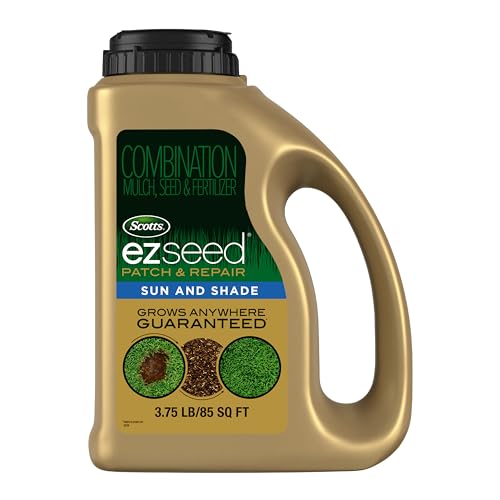
WHEN TO APPLY : This lawn seed mix of Kentucky bluegrass seed, perennial ryegrass, and fine fescue grass seed germinates best when daytime temperatures are between 60°F and 80°F with no danger of frost

100% Natural Wheat Straw,that has been dried to ensure it is free of weed seeds and will not germinate during use.
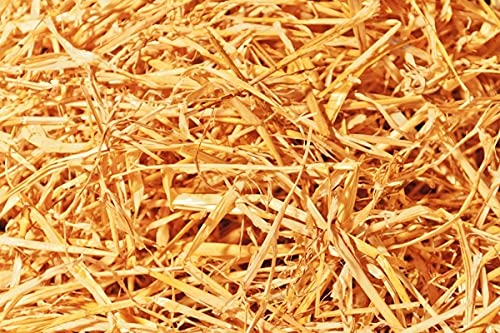
Premium 100% All Natural Wheat Straw
Spread Fresh Clippings Thinly to Prevent Heating
You’ve got those fine clippings ready, but dumping them in a thick pile is the fastest way to cook your plants right in the garden bed. Seriously, nobody wants scrambled roots. Thick mounds generate dangerous heat that harms your greens instantly. You need strict layer thickness control here. Keep it under a half-inch max to avoid overheating. Spread wet clippings thinly on the lawn first, letting them dry brown in the sun. Fluff them up for air circulation. Obviously, fresh stuff dries faster when spread out, aiding heat mitigation considerably. Don’t build big mounds around stems; just sprinkle enough to barely cover the soil. Wait two weeks before adding another thin layer. This approach stops matting and keeps temperatures safe for your flock’s treats. It’s simple: go thin, stay cool, and keep those chickens happy without cooking their lunch. Aim for a thin layer to allow air circulation and prevent the clippings from composting and heating up.

EFFICIENT SPREADING: Compared to traditional methods, REILEIHODE peat moss spreader provides 24inch wide working range, saving 70% time & 30% Fertilizer. The spreader is ideal for spreading compost over large areas, helping improve soil quality and promote healthy plant growth throughout your outdoor spaces

PRECISE & EFFICIENT COVERAGE – Handheld seed spreader perfect for distributing grass seed, lawn food, fertilizer, salt, or ice melt evenly across your lawn or driveway for consistent results without waste. Helps create a healthy, green lawn without clumps or patchy spots.

Adjustable Openings : The grass seed spreader comes with garden gloves and adjustable openings in 3 different sizes for spreading different materials from coarse to fine.
Limit Daily Grass Treats to Small Handfuls
Since you’ve already mastered the art of spreading clippings thin, don’t let enthusiasm turn that safe snack into a digestive disaster by dumping a bucketful on your birds. You know they love grazing, but piles encourage gorging on long strands instead of natural tiny bites. Excess grass quickly causes diarrhea or dangerous crop impaction, so you must limit treats to one small handful daily. This handield balance mimics their natural foraging rhythm without overwhelming their digestive systems. Obviously, fresh cuts under two inches work best when scattered lightly. Think of this method as true pasture enrichment that keeps hens healthy rather than sick. Large quantities block crops, but controlled doses offer joy without risk. You want happy chickens, not vet bills. Stick to morning-cut grass, avoid chemicals, and watch your flock thrive safely. It’s that simple.
Identify Sour Smells of Dangerous Decomposition
If you’ve ever walked up to a pile of clippings and gagged before even seeing it, you already know something’s wrong deep in that green mess. That eye-watering sting signals dangerous decomposition your chickens must avoid. You need immediate ammonia detection when that strong, urine-like scent hits your nose; it means excess nitrogen is cooking under aerobic heat. Conversely, a sulfur warning smells like rotten eggs, indicating anaerobic bacteria are thriving in compacted, wet layers lacking oxygen. Obviously, slimy, hot piles releasing these odors aren’t safe treats. You can’t just layer more greens without dry browns to balance things out. Turn that mess immediately or toss it entirely. Don’t risk your flock’s health on questionable scraps when fresh, earthy-smelling grass works better. Trust your nose; if it stinks, your chickens shouldn’t eat it.
Compost Used Clippings for Nutrient-Rich Garden Soil
While you’re staring at that slimy, stinking pile of grass you almost tossed, remember you’re actually looking at free fertilizer that could slash your garden budget by a quarter. You’ve got nitrogen-rich gold here, but tossing it straight onto beds invites slime and smells. Instead, mix those wet clippings with dry leaves or cardboard at a one-to-thirty ratio. This balance drives rapid nutrient cycling, turning waste into black dirt in just two weeks. Obviously, you must wait weeks after any herbicide application to protect your microbes. Once decomposed, this powerful soil amendment feeds your veggies without costing a dime. Just avoid thick layers that mat down. You’re not just cleaning your yard; you’re brewing liquid sunshine for your tomatoes. So, grab that pitchfork and start layering today because your garden is begging for this free boost. To ensure the pile breaks down correctly, you must stir regularly every few days to maintain proper aeration and prevent foul odors.